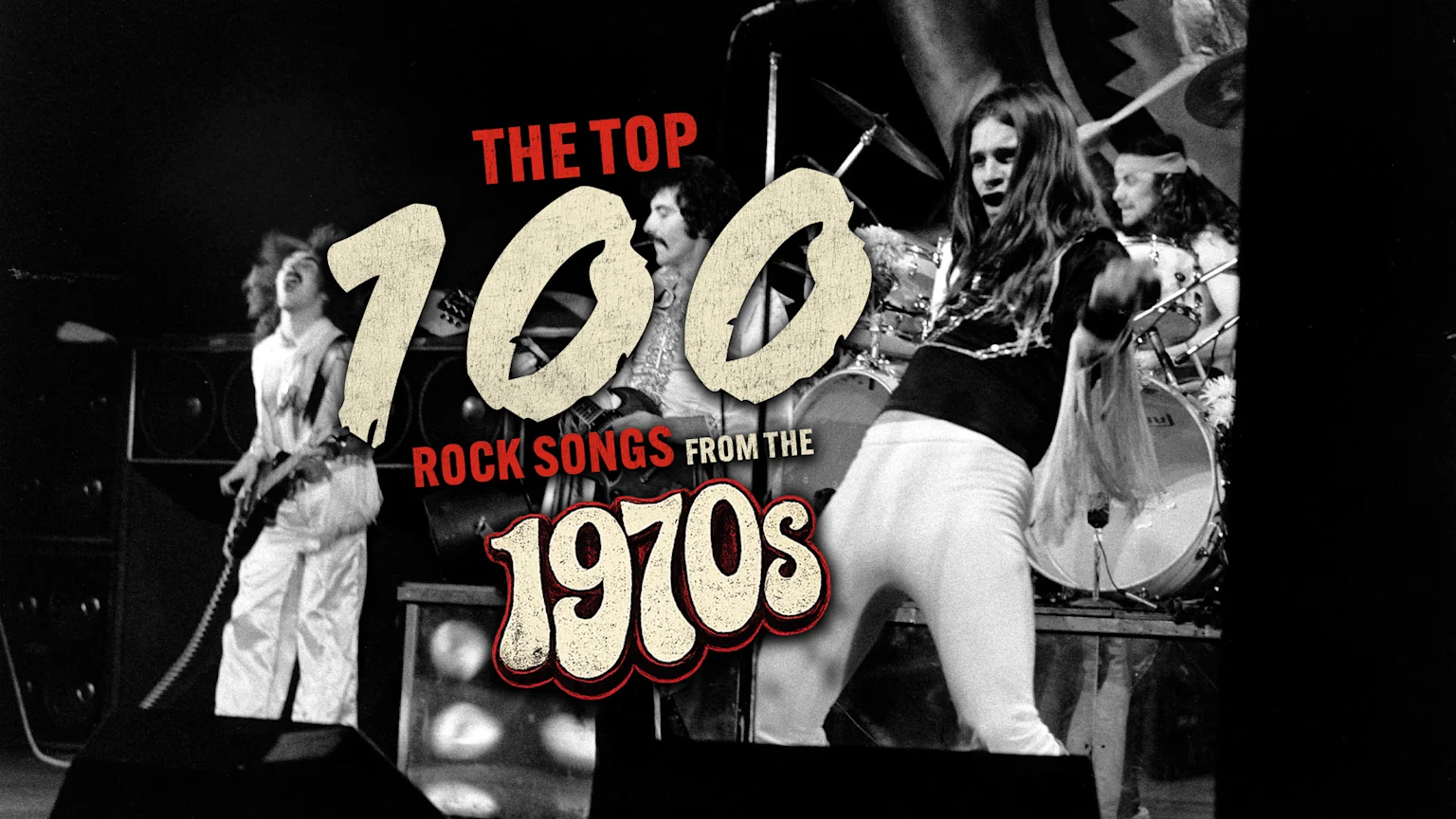
The music of the 1970s was characterized by a massive fragmentation of the popular sound into distinct subcultures, moving away from the unified pop-rock dominance of the late 1960s. This era birthed disco, punk, and heavy metal while refining progressive rock, funk, and the singer-songwriter movement. As of 2026, the 1970s remains the foundational decade for modern music production techniques and the peak of the album-oriented rock format.
The Cultural Shift: From the Sixties to the "Me Decade"
The transition from the 1960s to the 1970s was marked by a shift in social consciousness. While the previous decade was defined by collective activism and the "Summer of Love," the 1970s—often dubbed the "Me Decade" by writer Tom Wolfe—focused more on individual experience, self-discovery, and, eventually, escapism. This shift is reflected clearly in the music, which moved from the protest anthems of the late 60s to more introspective lyrics and high-energy dance floor anthems.
Economically, the 1970s faced challenges such as the oil crisis and inflation, which heavily influenced the DIY nature of punk in the UK and the escapist glitter of disco in the US. By the mid-70s, the recording industry had become a massive corporate entity. Big-budget albums and stadium tours became the norm, creating a divide between the "stadium gods" and the street-level movements that would eventually rebel against them.
The Peak of Progressive Rock and Conceptual Art
In the early 1970s, rock music underwent a period of extreme sophistication known as progressive rock (or "prog rock"). Bands like Pink Floyd, Genesis, Yes, and King Crimson moved away from the three-minute single format, instead creating "concept albums" that explored philosophy, science fiction, and complex musical arrangements.
Prog rock was characterized by high levels of technical proficiency. Musicians often utilized classical music structures, odd time signatures, and the latest synthesizer technology, such as the Moog and Mellotron. Pink Floyd’s The Dark Side of the Moon (1973) serves as the quintessential example of this era. It utilized experimental studio effects, tape loops, and multi-layered vocals to create a cohesive narrative. The album's longevity is unprecedented, remaining on the Billboard charts for a record-breaking 741 weeks.
However, the complexity of prog rock eventually led to its own stagnation. As compositions became increasingly grandiose—sometimes filling entire sides of a vinyl record with a single song—a segment of the audience began to crave the simplicity and raw energy that had originally defined rock and roll.
The Rise of Heavy Metal and Hard Rock
While prog rock explored the intellect, hard rock and the emerging genre of heavy metal explored power and volume. Building on the blues-rock foundations of the 60s, bands like Led Zeppelin, Black Sabbath, and Deep Purple pushed the boundaries of distortion and riff-based songwriting.
Black Sabbath, led by Tony Iommi’s downtuned, heavy riffs, is widely credited with inventing the heavy metal sound. Their 1970 self-titled debut and the subsequent Paranoid introduced themes of occultism, social anxiety, and war, which resonated with a disillusioned youth. Meanwhile, Led Zeppelin perfected the "stadium rock" model, blending acoustic folk with crushing electric blues, as seen in their landmark 1971 release, Led Zeppelin IV.
By the late 70s, this sound evolved into "Arena Rock," with bands like Queen, Aerosmith, and AC/DC creating anthemic music designed to be played to tens of thousands of fans. Queen, in particular, blended hard rock with operatic vocals and theatrical performances, exemplified by the 1975 masterpiece "Bohemian Rhapsody."
Disco: The Cultural Phenomenon and the Backlash
In the mid-1970s, disco emerged from the urban underground, specifically from African American, Hispanic, and LGBTQ+ communities in New York City. Disco was defined by its "four-on-the-floor" beat, syncopated basslines, and lush orchestral arrangements. It was music designed for the dance floor, focusing on the producer and the DJ as much as the performer.
The release of the film Saturday Night Fever in 1977, featuring a soundtrack by the Bee Gees, propelled disco into the global mainstream. For a few years, disco dominated the charts, with artists like Donna Summer (the "Queen of Disco"), Chic, and Gloria Gaynor becoming household names.
The saturation of disco led to a violent cultural backlash, culminating in "Disco Demolition Night" in 1979 at Chicago's Comiskey Park. Despite this, the technical innovations of disco—such as the 12-inch extended remix and the focus on electronic percussion—laid the groundwork for nearly all modern electronic dance music (EDM) and hip-hop.
Punk Rock: The Great Disruption
By 1976, a new movement emerged as a direct reaction against the perceived excesses of prog rock and the commercialism of disco. Punk rock returned to the basics: three chords, high speed, and raw emotion. In New York, The Ramones stripped rock back to its simplest form at the legendary club CBGB. In London, the Sex Pistols and The Clash used punk as a platform for political and social critique during a period of intense economic hardship.
Punk was more than just a musical genre; it was a DIY ("Do It Yourself") ethos. It empowered individuals to start their own bands, create their own fanzines, and distribute their own records without the help of major labels. This spirit eventually transitioned into "Post-Punk" and "New Wave" in the late 70s, as bands like Joy Division, Talking Heads, and The Cure began to experiment with the energy of punk while adding more sophisticated textures and rhythms.
The Singer-Songwriter Movement and Soft Rock
Contrasting the volume of metal and the energy of punk was the rise of the intimate singer-songwriter. This genre focused on personal storytelling and acoustic instrumentation. Carole King’s Tapestry (1971) became one of the best-selling albums of all time, proving there was a massive market for emotionally resonant, polished songwriting.
Artists like Joni Mitchell, James Taylor, Jackson Browne, and Neil Young explored the complexities of adulthood, relationships, and the fading idealism of the hippie era. This movement eventually smoothed out into what is now called "Soft Rock" or "Yacht Rock," characterized by high-production values and catchy melodies. Fleetwood Mac’s Rumours (1977) remains the gold standard of this era, famously capturing the internal romantic turmoil of the band members through meticulously crafted pop-rock songs.
Funk, Soul, and the Evolution of Black Music
The 1970s was a golden age for African American music. Soul music evolved into more complex and socially conscious forms. Marvin Gaye’s What's Going On (1971) broke the Motown mold by tackling themes of environmentalism, poverty, and the Vietnam War. Stevie Wonder embarked on an incredible "classic period," releasing a string of innovative albums like Innervisions and Songs in the Key of Life that utilized the synthesizer as a lead soul instrument.
Simultaneously, James Brown and Sly & The Family Stone laid the foundations for Funk—a genre that prioritized the "groove" or the "one" (the first beat of the measure). Bands like Parliament-Funkadelic (led by George Clinton) took funk to cosmic heights with their "P-Funk" mythology and elaborate stage shows, while Earth, Wind & Fire blended funk with R&B and jazz-fusion.
Technical Innovations and the Rise of the Producer
The 1970s saw massive leaps in recording technology. The move from 8-track to 24-track (and eventually 48-track) recording allowed for unprecedented layering of sounds. This era saw the rise of the "Super-Producer," individuals like Quincy Jones, Giorgio Moroder, and Nile Rodgers, who defined the sonic signature of the decade.
The introduction of the Moog synthesizer and the Arp Odyssey allowed electronic sounds to enter the mainstream. Furthermore, the development of Dolby Noise Reduction improved the fidelity of cassette tapes, which would eventually challenge vinyl as the primary medium for music consumption.
Comparison of Key 1970s Music Genres
| Genre | Key Characteristics | Leading Artists | Iconic Album |
|---|---|---|---|
| Progressive Rock | Long compositions, complex time signatures, conceptual themes. | Pink Floyd, Yes, Genesis | The Dark Side of the Moon |
| Hard Rock / Metal | Distorted guitar riffs, power chords, high-volume vocals. | Led Zeppelin, Black Sabbath, AC/DC | Paranoid |
| Disco | 4/4 beat, syncopated bass, orchestral strings, dance-focused. | Donna Summer, Bee Gees, Chic | Saturday Night Fever OST |
| Punk Rock | Fast tempo, simple structures, DIY ethos, social rebellion. | Sex Pistols, The Ramones, The Clash | Never Mind the Bollocks |
| Singer-Songwriter | Personal lyrics, acoustic focus, melodic hooks. | Carole King, Joni Mitchell, James Taylor | Tapestry |
| Funk | Focus on the "groove," slap bass, horn sections. | James Brown, P-Funk, Stevie Wonder | Songs in the Key of Life |
The Birth of Hip-Hop
In the late 1970s, specifically in the Bronx, New York, a new culture began to form that would eventually dominate the global music landscape. DJs like Kool Herc and Grandmaster Flash began isolating the "break" (the drum-heavy section) of funk and soul records to keep the dance floor moving. This practice, combined with "MCing" (rapping), birthed hip-hop. While its global commercial explosion happened in the 80s, the foundation—including the first recorded hit, "Rapper's Delight" by The Sugarhill Gang (1979)—was firmly rooted in the 70s.
Legacy and Influence in 2026
The influence of 1970s music is perhaps more visible in 2026 than at any point in the last fifty years. The "Vinyl Revival" that began in the early 2010s has sustained itself, with 70s classics consistently topping sales charts for physical media. Modern production often seeks the "warmth" of 1970s analog recording, and genres like "Nu-Disco" and "Post-Punk Revival" continue to draw directly from the decade's stylistic innovations.
Furthermore, the 1970s established the "Album" as a primary art form. Even in the age of streaming and short-form content, the conceptual depth and sonic cohesion of 70s albums serve as the benchmark for artists seeking to create a lasting legacy.
Frequently Asked Questions
What was the best-selling album of the 1970s? While several albums vied for the top spot, Pink Floyd’s The Dark Side of the Moon and Fleetwood Mac’s Rumours are among the highest-selling. However, the Saturday Night Fever soundtrack and Carole King’s Tapestry also held significant records during the decade.
Why did disco face such a strong backlash in 1979? The backlash was a mix of musical fatigue, rock-purism, and underlying social tensions. Many rock fans viewed disco as "manufactured" and "superficial." Unfortunately, the "Disco Sucks" movement also contained elements of racism and homophobia, as disco was deeply rooted in Black and LGBTQ+ communities.
How did technology change music in the 70s? The 70s saw the widespread use of multitrack recording and synthesizers. The 24-track recorder allowed bands like Queen to create massive vocal harmonies, while the development of the compact cassette made music more portable, eventually leading to the Walkman era of the early 80s.
Who is considered the most influential artist of the 1970s? David Bowie is often cited as the most influential due to his constant reinvention. Throughout the 70s, he moved from glam rock (Ziggy Stardust) to "Plastic Soul" (Young Americans) to experimental electronic music (The Berlin Trilogy), influencing fashion, art, and music genres from punk to new wave.
Was hip-hop actually a 70s genre? Yes. Although it reached mainstream commercial success in the 1980s, the four pillars of hip-hop (DJing, MCing, Breaking, and Graffiti) were fully developed in New York City throughout the mid-to-late 1970s.
Next Steps for Enthusiasts
For those looking to dive deeper into 1970s music, the best approach is to listen to the landmark albums in their entirety rather than just the singles. Start with the Rock and Roll Hall of Fame’s archives for historical context on specific artists. Additionally, exploring the Library of Congress National Recording Registry can provide insights into which 70s recordings are considered culturally, historically, or aesthetically significant. Whether you are a musician or a listener, studying the 1970s provides a masterclass in songwriting, production, and the power of musical subcultures.