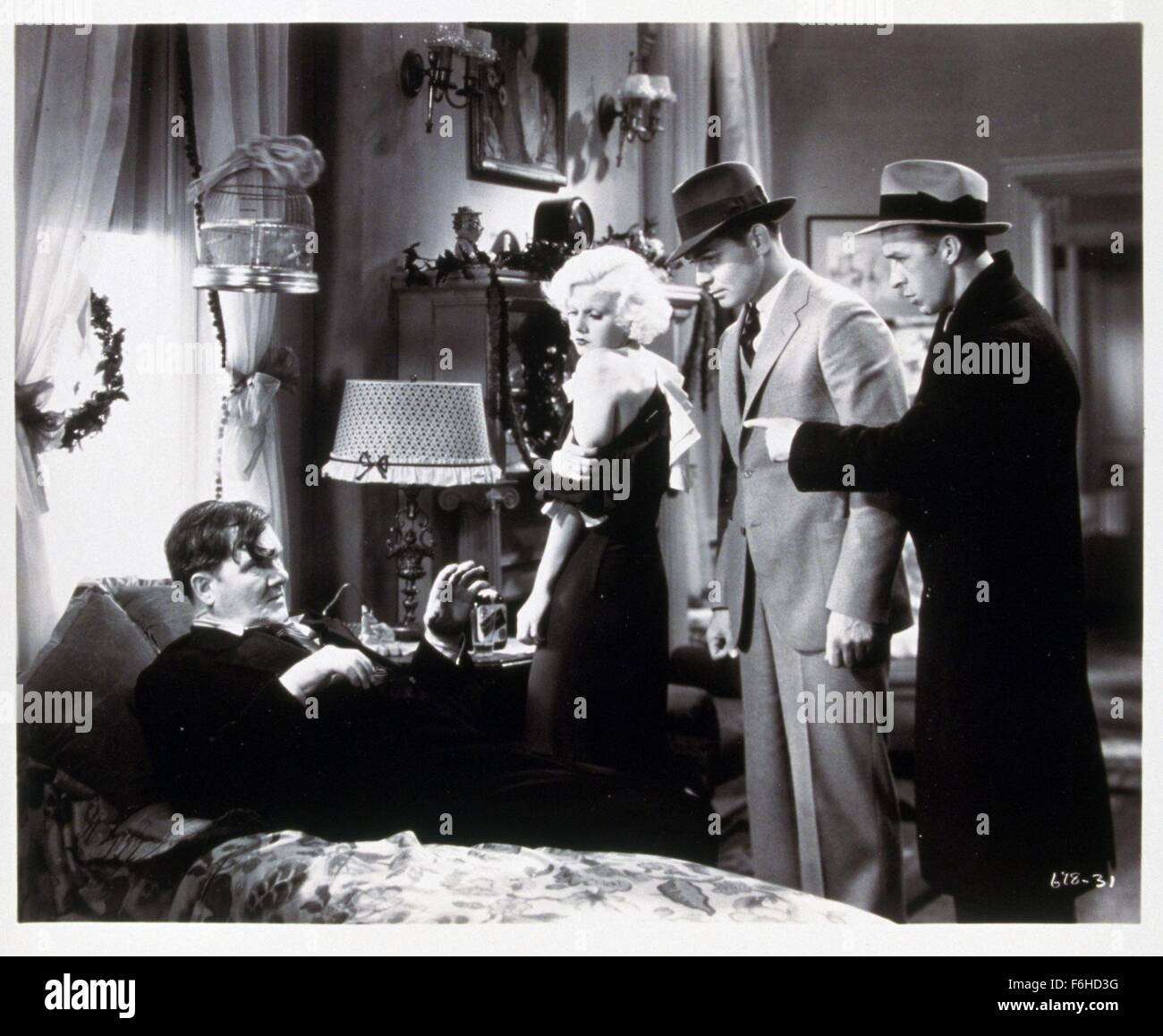
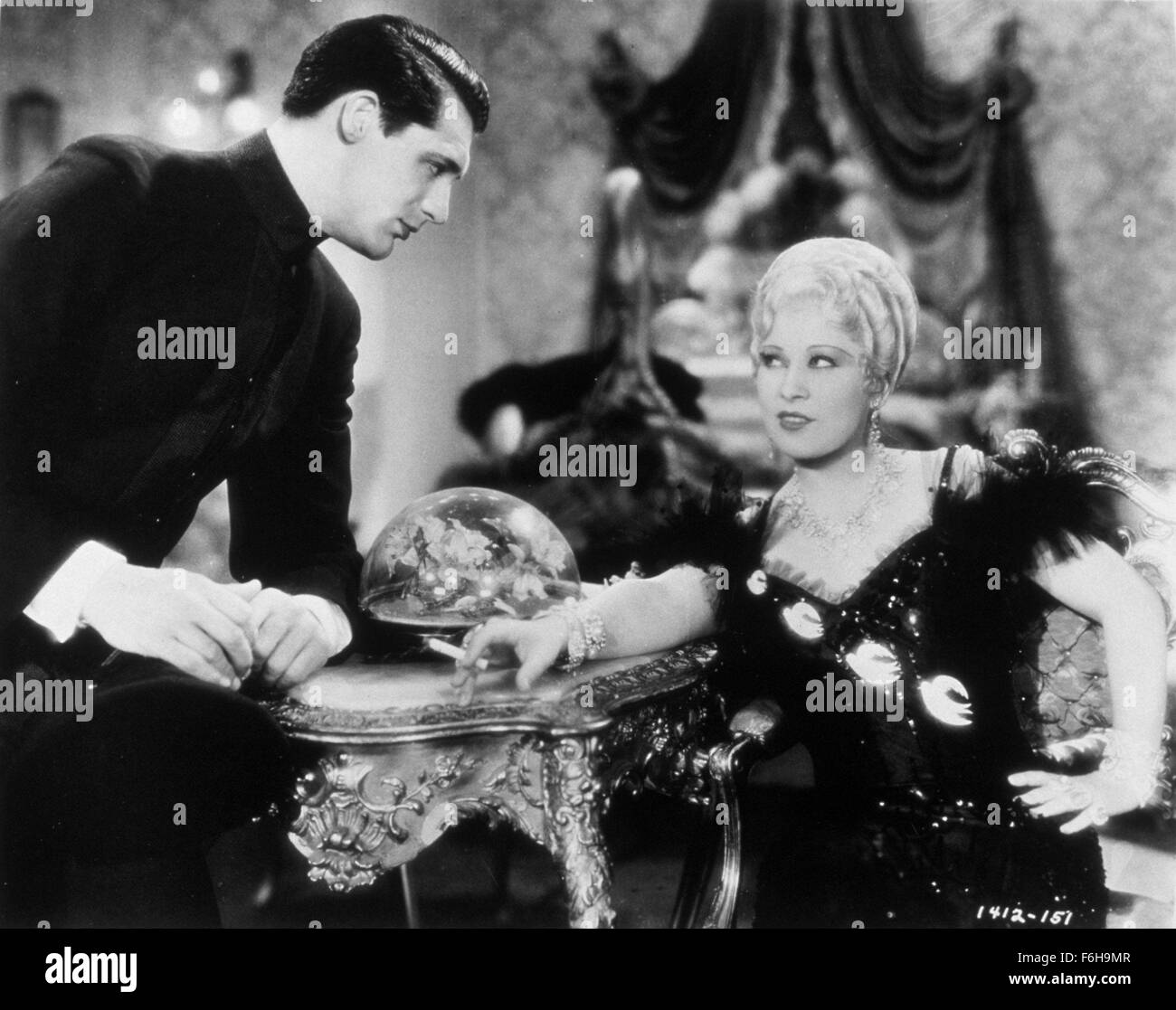
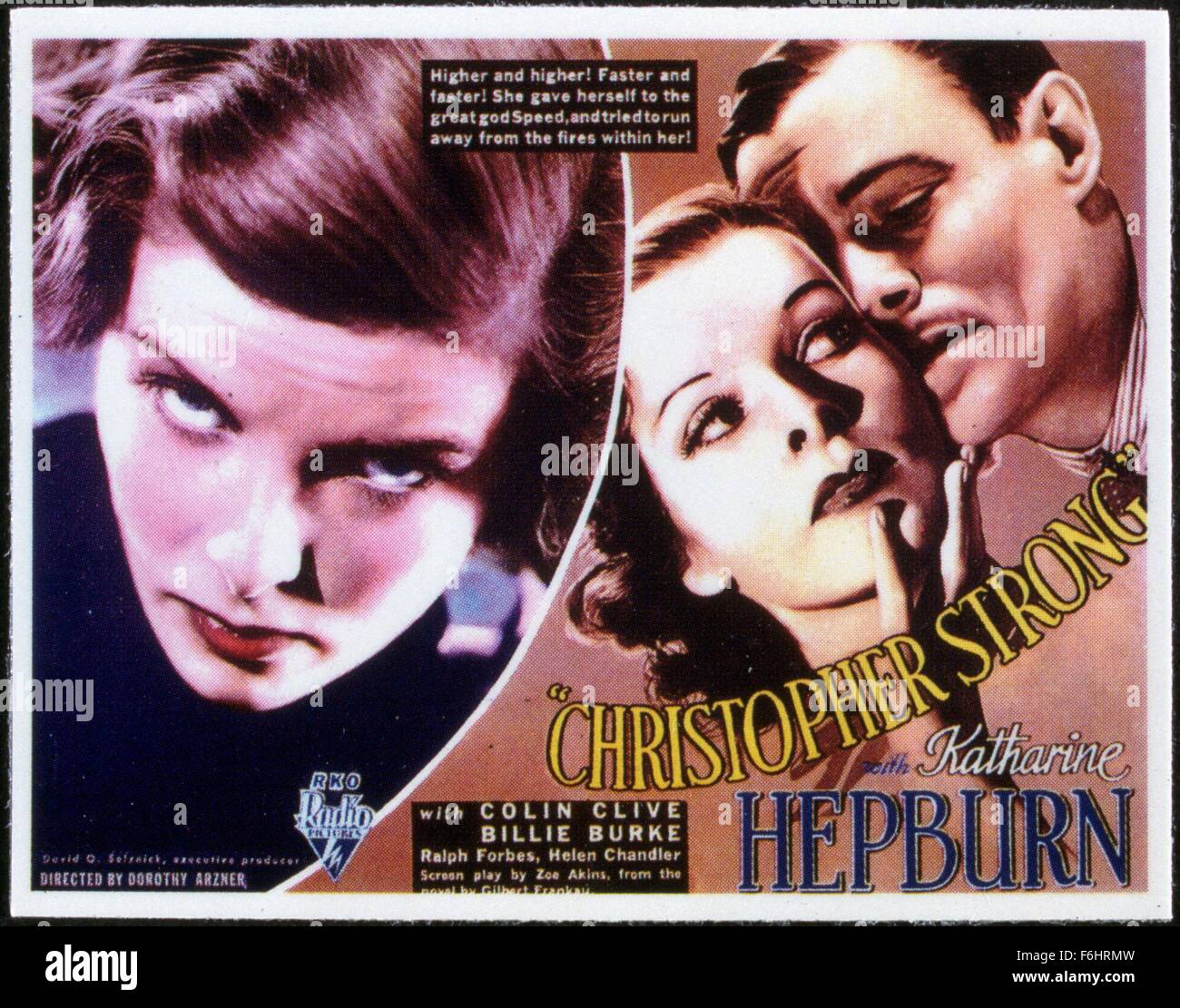
The year 1933 represents a pivotal epoch in motion picture history, defined by the maturation of the sound era, the emergence of groundbreaking visual effects, and the introduction of strict industry self-censorship. This period saw the release of iconic works like King Kong, Dinner at Eight, and Duck Soup, which collectively shifted the trajectory of global cinema by establishing enduring genres, star personas, and narrative techniques that remain influential in 2026.
The Transformation of Hollywood in 1933
By 1933, the motion picture industry had largely stabilized following the transition to synchronized sound. The "talkie" revolution, which began in earnest around 1927, had reached a level of technical proficiency where filmmakers were no longer tethered by the restrictive, boxy microphone placements of the early transition years. This newfound creative freedom allowed for more fluid camerawork, sophisticated dialogue delivery, and the integration of intricate orchestral scores.
However, 1933 was also a year of profound socio-economic anxiety. With the United States in the depths of the Great Depression, the film industry acted as a vital escape mechanism. Audiences sought respite from the grim realities of economic collapse through escapist fantasies, elaborate musical revues, and sophisticated high-society comedies. Studios responded by perfecting the "Pre-Code" style, characterized by bolder themes, suggestive dialogue, and more nuanced portrayals of moral ambiguity, which would be abruptly curtailed by the enforcement of the Motion Picture Production Code just one year later.
Technical Innovations and the Birth of Modern Special Effects
Perhaps the most significant technical contribution of 1933 was the release of King Kong. Produced by RKO Radio Pictures and directed by Merian C. Cooper and Ernest B. Schoedsack, the film pioneered the use of stop-motion animation in a feature-length narrative. Willis O'Brien, the film’s chief technician, utilized miniature models and rear-projection techniques that essentially created the blueprint for fantasy and science fiction cinema.
Before 1933, visual effects were often perceived as "trick photography" meant for short subjects or minor segments of a film. King Kong proved that effects could be the central draw of a production, influencing the way studios allocated budgets for spectacle. This shift transformed the film studio from a mere manufacturing plant for narrative content into a specialized laboratory for technical innovation, a model that continues to dominate blockbuster production in the current era.
The Evolution of the "Pre-Code" Narrative
The era commonly referred to as "Pre-Code" (roughly 1930–1934) reached its narrative peak in 1933. During this time, films often skirted traditional moral boundaries regarding sexuality, substance abuse, and the representation of criminal life.
Films like Gold Diggers of 1933 exemplify this era’s ethos. While ostensibly a musical, it provided a stark commentary on the economic desperation of the time, featuring elaborate, surrealist choreography by Busby Berkeley that juxtaposed the artifice of stage performance with the harsh reality of street-level poverty. This contrast provided audiences with a double-edged experience: the voyeuristic pleasure of the spectacle and an authentic recognition of the systemic struggles they faced in their daily lives.
Comparing Key Cinematic Contributions of 1933
The diversity of the 1933 catalog demonstrates the breadth of studio capabilities during the early sound era. The following table highlights representative films that defined the year’s critical and commercial landscape.
| Film Title | Genre | Key Contribution |
|---|---|---|
| King Kong | Fantasy/Adventure | Pioneered stop-motion animation as a narrative tool. |
| Dinner at Eight | Comedy/Drama | Perfected the ensemble "crossover" cast structure. |
| Duck Soup | Slapstick/Satire | Defined the anarchic, dialogue-heavy style of the Marx Brothers. |
| Gold Diggers of 1933 | Musical | Introduced large-scale, intricate Busby Berkeley choreography. |
| Little Women | Period Drama | Proved the commercial viability of high-budget literary adaptations. |
The Industry’s Pivot toward Regulation
While 1933 was a banner year for creative audacity, it was also the final stretch before the Hays Office, led by Joseph Breen, began to systematically enforce the Motion Picture Production Code. The code had existed on paper since 1930, but it was inconsistently applied until 1934.
The content produced in 1933 serves as a "time capsule" of a brief window where studio executives pushed the envelope to see how much content they could show to a modern audience. The subsequent enforcement of censorship laws forced a pivot toward sanitized narratives, changing the tone of Hollywood films for the next three decades. Understanding this transition is essential for any student of film history, as it explains why certain themes found in 1933 films—such as overt cynicism or non-traditional domestic structures—suddenly vanished from the silver screen in the following years.
Preservation and Modern Access
In 2026, the films of 1933 are significantly more accessible than in previous decades, thanks to intensive digital restoration efforts. Major studios and archives, such as the UCLA Film & Television Archive and the Library of Congress, have utilized 4K digital scanning to repair nitrate degradation, frame jitter, and audio hiss inherent in original 1933 source materials.
For the modern viewer or researcher, accessing these works requires distinguishing between public domain titles and those under active copyright. While many films of this era have entered the public domain, others—particularly those that received subsequent studio renewals—remain subject to strict intellectual property protections. Before utilizing clips for educational or critical analysis, it is advisable to check the status of specific titles via the United States Copyright Office database.
Frequently Asked Questions
What makes 1933 a "Pre-Code" year?
The term "Pre-Code" refers to the period before the strict enforcement of the Motion Picture Production Code. In 1933, films frequently featured themes of adultery, promiscuity, and overt corruption that would be banned or heavily censored by 1934. These films capture a fleeting era of artistic freedom before the industry self-regulated to avoid government censorship.
Why was King Kong so influential for later filmmaking?
King Kong is considered the grandfather of the modern blockbuster. Its use of miniature models and frame-by-frame animation proved that audiences would pay to see "impossible" creatures on screen. This established the visual language of creature features and the importance of special effects in major studio budgeting.
Were musical films popular in 1933?
Yes, musicals were one of the most profitable genres of 1933. The genre was used as a vehicle for escapism, with directors like Busby Berkeley creating massive, kaleidoscopic dance sequences that took the audience away from the realities of the Great Depression.
How can I watch original 1933 films today?
Most major titles from 1933 have been preserved through restoration programs and are available on major streaming platforms, digital rental services, and physical media (Blu-ray/4K). For obscure titles, university libraries and national film archives often provide access to digitized prints.
What was the role of the Hays Office in 1933?
In 1933, the Hays Office acted as a regulatory body, but its authority was limited. It reviewed scripts and suggested changes, but it lacked the power to effectively ban films. This weakness is exactly why the 1933 film catalog contains significantly more provocative content compared to the films released in 1935 or 1936.
Next Steps for the Film Enthusiast
To truly understand the impact of 1933 cinema, start by watching King Kong and Gold Diggers of 1933 back-to-back. These two films represent the extremes of the year: one is a technological marvel that pushed the boundaries of what could be seen, while the other is a cultural commentary that pushed the boundaries of what could be said. By examining the narrative structure and the visual composition of these works, one can better appreciate the foundation upon which modern entertainment is built. For those pursuing academic study, utilize archives like the Criterion Collection or the Academy Film Archive to view restored versions that preserve the original artistic intent.