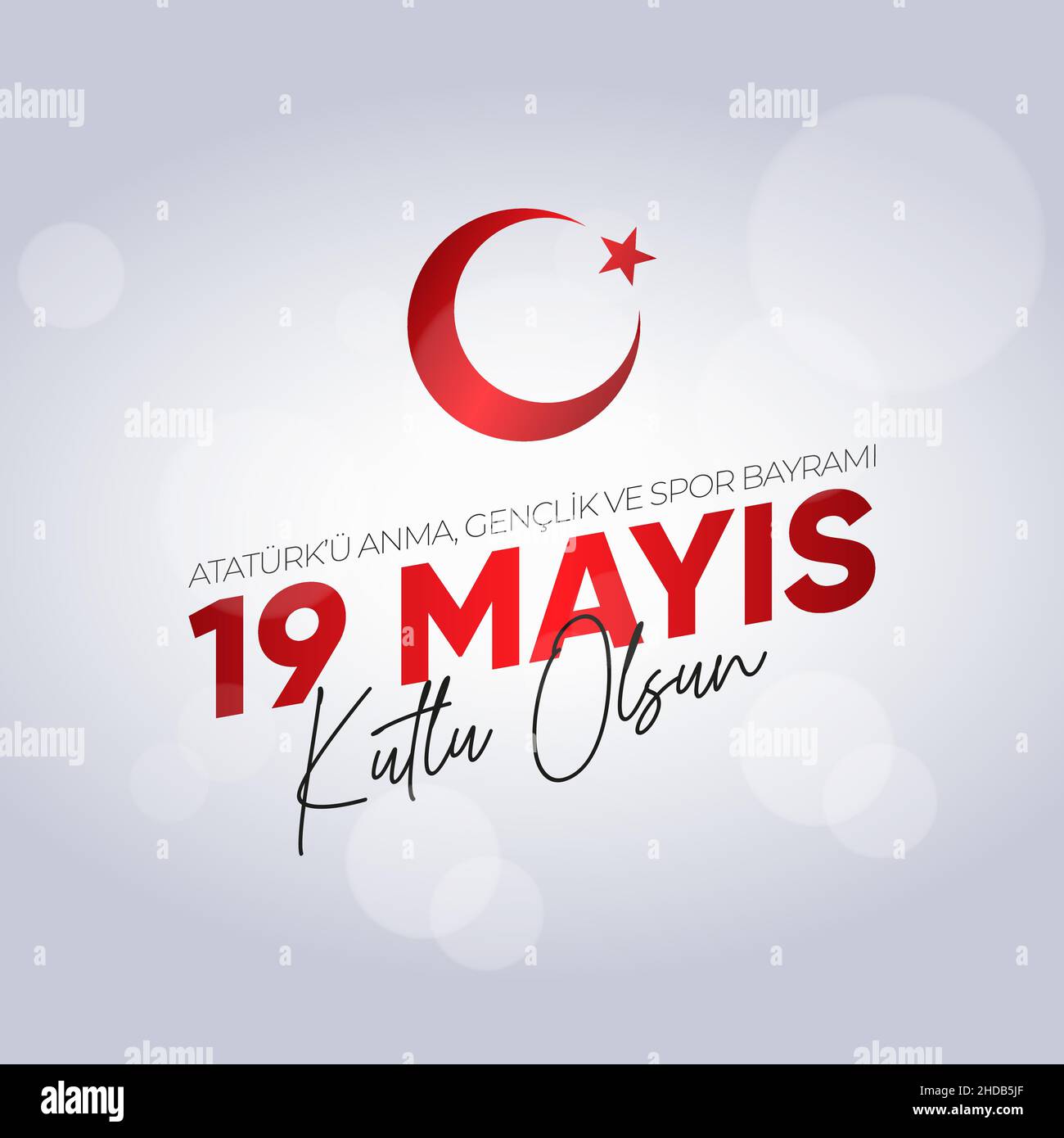
May 19 is a date of profound historical, cultural, and political significance, most notably serving as the Commemoration of Atatürk, Youth and Sports Day in Turkey. This annual observance marks the beginning of the Turkish War of Independence and is celebrated with official ceremonies, athletic events, and public festivities across the nation. Beyond this specific national context, the date holds various historical milestones and international observances that shape how the day is recognized globally.
The Origins of May 19 in Turkish History
To understand the weight of May 19, one must look back to 1919. Following the defeat of the Ottoman Empire in World War I, the Allied powers began to occupy various regions of Anatolia. On May 19, 1919, Mustafa Kemal Atatürk arrived in the Black Sea port city of Samsun. This arrival is historically regarded as the commencement of the "National Struggle" (Kurtuluş Savaşı).
Atatürk landed in Samsun with the objective of organizing the resistance against occupying forces and establishing a sovereign, independent state. His arrival transformed the scattered regional resistance movements into a unified, national effort. By designating this date as both Youth and Sports Day and a day to honor his own legacy, Turkey emphasizes the transition from an imperial past to a republican future driven by the vitality of its youth.
The Role of Youth in the National Narrative
Atatürk famously dedicated the republic to the youth of Turkey, believing that the future of the nation rested upon the education, discipline, and energy of the younger generation. By intertwining the commemoration of the independence movement with "Youth and Sports," the holiday functions as an educational tool. It serves to remind younger citizens of the sacrifices made for their current freedoms while encouraging physical health and community engagement as pillars of a healthy society.
Official Observances and Cultural Traditions
In modern Turkey, May 19 is a public holiday characterized by a blend of solemnity and celebration. While the focus has evolved over the decades, the core components remain centered on national pride and youth engagement.
Key Aspects of the Celebration
- State Ceremonies: High-ranking government officials, including the President of the Republic, traditionally visit the Anıtkabir—the mausoleum of Atatürk—in Ankara to pay their respects.
- Youth Activities: Schools organize elaborate programs featuring traditional dances, gymnastic displays, and musical performances. These events often take place in stadiums, involving thousands of students who demonstrate synchronized choreography.
- Sporting Events: As the name implies, local and national athletic competitions are frequently held on this date, including marathons, swimming meets, and youth football tournaments.
- Public Participation: Citizens often decorate buildings and homes with the Turkish flag, and many public transportation services provide free or discounted travel to facilitate participation in city-wide events.
May 19 on the Global Calendar
While the date is uniquely defined in Turkey, May 19 occupies other spaces in global historical and social contexts. Understanding these helps provide a clearer picture of why this specific date often appears in various databases and historical archives.
International and Historical Contexts
- Historical Anniversaries: Throughout history, various political events, scientific breakthroughs, and cultural milestones have fallen on May 19. Researchers often look to this date to find references regarding the founding of institutions or the signing of minor treaties.
- Global Awareness Days: Depending on the year, various organizations utilize this day for specific international awareness campaigns, such as World Inflammatory Bowel Disease (IBD) Day, which seeks to raise visibility for patients living with Crohn's disease and ulcerative colitis.
Comparative Overview: May 19 Observances
The following table provides a breakdown of how May 19 is viewed in different contexts to help clarify the specific search intent regarding the date.
| Context | Primary Focus | Key Participants | Significance |
|---|---|---|---|
| National (Turkey) | Atatürk, Youth & Sports | Government, Students, Public | National Independence Struggle |
| Medical/Global | IBD Awareness | Healthcare orgs, Patients | Advocacy for digestive health |
| Historical | 1919 Samsun Arrival | Historians, Educators | Milestone of the 20th century |
| General | Calendar Milestone | General Public | Mid-second quarter scheduling |
Preparing for and Observing May 19
For those residing in Turkey or planning to travel there during this time, it is essential to prepare for the logistical impacts of the holiday. As a national public holiday, May 19 brings about several changes to daily life.
Logistical Considerations
- Business Operations: Most government offices, schools, and banks remain closed for the day. While private businesses in tourism and retail sectors often stay open, it is standard practice to confirm hours in advance.
- Transportation: Major urban areas may experience temporary road closures to accommodate parades and student marchers. Public transit schedules may shift to a "Sunday/Holiday" frequency.
- Crowds: Stadiums and central plazas will be highly congested. Visitors should plan to navigate city centers with extra time if attending ceremonies or observing the public festivities.
Tips for Visitors and Researchers
If you are visiting Turkey on May 19, the best approach is to embrace the local atmosphere. The display of national pride is significant, and witnessing the student performances provides a unique insight into the cultural values of the country. For academic researchers, this date serves as an excellent case study on how nations construct collective memory and bridge the gap between historical events and modern civic responsibility.
Frequently Asked Questions
Is May 19 a day off for everyone in Turkey? Yes, it is a national holiday. Most public institutions, schools, and administrative offices are closed. Private sector employees may have varying policies, though it is legally recognized as a public holiday.
Why are sports linked to Atatürk in this celebration? Atatürk believed that a physically healthy and disciplined youth was essential for the defense and development of the republic. The link between sports and independence highlights the necessity of both mental and physical vigor for national survival.
Are there major events held in Samsun every year? Samsun serves as the epicenter of the celebrations due to its historical role. Every year, ceremonies are held at the site where Atatürk landed, often involving military parades and high-level government presence.
Is May 19 the only date associated with Atatürk? No. November 10 (the date of his passing) is observed as a day of solemn national commemoration, whereas May 19 is celebrated as a vibrant, forward-looking day of youth and potential.
How does World IBD Day relate to the calendar date? The choice of May 19 for World IBD Day is a specific initiative by health organizations to create a global day of action. It is unrelated to the political or historical commemorations in Turkey, serving as an example of how a single calendar day can host multiple, distinct observances.
Summary and Practical Advice
May 19 remains a cornerstone of the Turkish national calendar, representing the transition from historical struggle to modern civic engagement. For the casual observer, it is a day of visible patriotism, athletic displays, and cultural pride. For the researcher, it acts as a focal point for understanding the construction of national identity in the 20th century.
If you are navigating this day in a professional or travel capacity, prioritize checking local municipal websites or news outlets for specific event schedules in your area. Regardless of the region, the primary takeaway of the day is a focus on the energy and potential of the next generation—a theme that transcends the specific history of the date and resonates across global civic discourse.