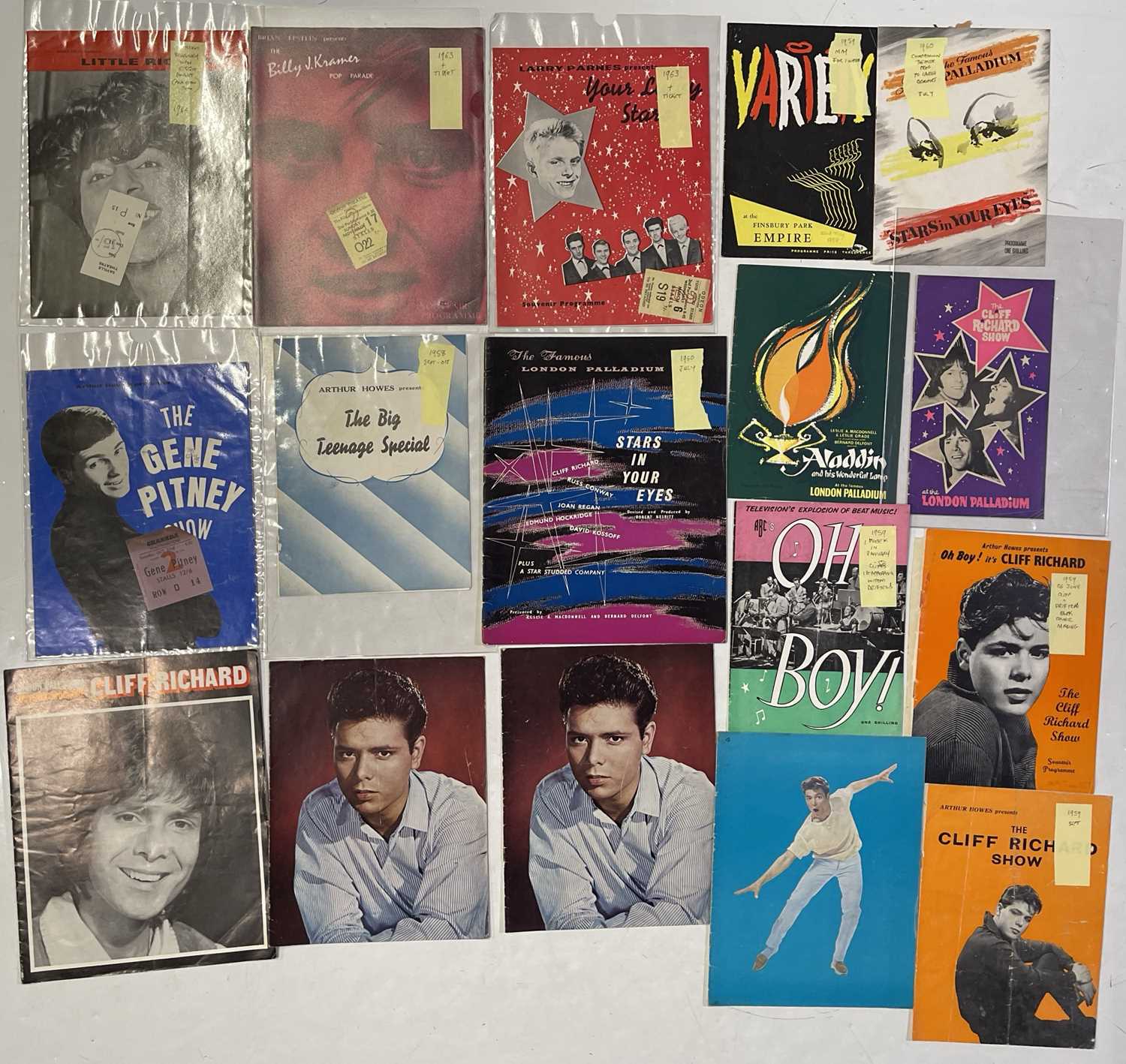
1960s pop music represents a seismic shift in global culture, evolving from early rock 'n' roll and girl groups into the revolutionary British Invasion and Motown eras. It introduced sophisticated studio production and sociopolitical themes, fundamentally establishing the structures, genres, and distribution methods that continue to define the modern music industry as of 2026.
The Cultural Foundations: From the Brill Building to the Surf Sound
The dawn of the 1960s did not immediately mirror the psychedelic experimentation of the decade's end. Instead, it was an era of refined "pop factories" and regional sounds that bridged the gap between the raw rock 'n' roll of the 1950s and the coming avant-garde.
In the early 1960s, the Brill Building in New York City served as the epicenter of the American music industry. Songwriters like Carole King, Gerry Goffin, Neil Sedaka, and Barry Mann worked in a cubicle-based system to churn out hits for "teen idols" and vocal groups. This period prioritized the "song" over the "artist," leading to a highly polished, professional sound. Concurrent with this was the rise of the Girl Group phenomenon. Groups such as The Shirelles and The Crystals utilized lush orchestral arrangements and explored themes of teenage romance and heartbreak, often under the meticulous direction of producers like Phil Spector.
Spector’s "Wall of Sound" technique was a pivotal development in 1960s pop. By layering multiple instruments—sometimes dozens of guitars and pianos—and recording them in echo chambers, he created a dense, symphonic aesthetic that sounded massive on the AM radio speakers of the time. This production-heavy approach signaled a shift toward the producer as a primary creative force, a concept that would later be expanded by Brian Wilson of The Beach Boys.
The "Surf Sound," led primarily by The Beach Boys and Jan and Dean, brought a distinct West Coast identity to the pop charts. Early hits like "Surfin' U.S.A." combined Chuck Berry-inspired guitar riffs with complex, Four Freshmen-style vocal harmonies. As the decade progressed, this genre evolved from simple songs about cars and waves into the sophisticated "Sunshine Pop" that would culminate in the landmark 1966 album Pet Sounds.
The British Invasion: Redefining Global Popularity
In February 1964, the arrival of The Beatles in the United States marked the beginning of the British Invasion, a period where UK-based acts dominated the American charts and forever changed the trajectory of pop music. This was not merely a musical shift but a cultural one, influencing fashion, hair lengths, and social attitudes.
The Beatles moved the industry away from the "pop factory" model toward self-contained bands that wrote their own material, played their own instruments, and dictated their own creative direction. Their early success paved the way for a diverse array of British talent:
- The Rolling Stones: Offered a grittier, blues-infused alternative to the "mop-top" image, emphasizing the rebellious nature of youth culture.
- The Kinks and The Who: Integrated "Mod" culture into their sound, utilizing power chords and social commentary that predated the punk movements of the following decade.
- The Animals and Herman's Hermits: Represented the broad spectrum of the invasion, from deep-voiced R&B covers to lighthearted, catchy pop melodies.
The British Invasion effectively ended the dominance of the American "teen idol" and forced US labels to innovate. It also fostered a transatlantic dialogue where American artists like Bob Dylan and The Byrds responded with folk-rock, blending traditional acoustic storytelling with the electric energy of the British bands.
Motown and the Rise of Soul: The Sound of Young America
While the British Invasion captured the headlines, Motown Records was building a musical empire in Detroit. Founded by Berry Gordy Jr., Motown was more than a record label; it was a hit-making machine that broke down racial barriers and brought African American artists into the mainstream of 1960s pop.
The "Motown Sound" was characterized by its driving basslines (often played by James Jamerson), prominent tambourines, and call-and-response vocal structures rooted in gospel music. Artists like The Supremes, The Temptations, Marvin Gaye, and The Miracles became household names. Gordy’s "Quality Control" meetings ensured that every release had the potential to be a Top 10 hit, maintaining a level of consistency rarely seen in the industry.
Simultaneously, "Soul" music began to diverge into different regional styles. While Motown was polished and aimed at crossover pop success, labels like Stax Records in Memphis produced a rawer, funkier sound. Artists like Otis Redding and Sam & Dave utilized punchy horn sections and gritty vocals that provided a more grounded, soulful counterpoint to the orchestral pop of the era. By 1967, Aretha Franklin’s arrival at Atlantic Records further solidified Soul as a dominant force in the pop landscape, blending technical vocal mastery with the burgeoning civil rights consciousness of the era.
Psychedelia and the Birth of Art Pop
By the mid-1960s, the influence of the counterculture and the availability of new technology (such as multi-track recording) led pop music into increasingly experimental territory. This era, often termed Psychedelic Pop, saw artists moving away from the standard three-minute love song toward longer, more complex compositions.
The release of Sgt. Pepper's Lonely Hearts Club Band by The Beatles in 1967 is frequently cited as the pinnacle of this movement. It popularized the concept of the "concept album," where the record was intended to be heard as a cohesive piece of art rather than a collection of singles. Pop music began to incorporate:
- Non-Western Instruments: The use of the sitar, popularized by George Harrison, became a staple of the psychedelic sound.
- Studio Effects: Backmasking (playing tapes backward), phasing, and heavy reverb were used to create "trippy" or otherworldly atmospheres.
- Baroque Elements: Groups like The Zombies and The Left Banke used harpsichords and string quartets, creating a subgenre known as Baroque Pop.
This period also saw the rise of the San Francisco scene, where bands like Jefferson Airplane and the Grateful Dead blended folk, rock, and blues with long improvisational sections. Even "mainstream" pop acts felt the pull of psychedelia; The Tommy James and the Shondells' "Crimson and Clover" and The Lemon Pipers' "Green Tambourine" are prime examples of how psychedelic textures were integrated into radio-friendly pop.
Technical Innovations and the Shift to FM Radio
The 1960s was a decade of rapid technological advancement in the recording studio. In 1960, most pop music was recorded on two-track or three-track machines, often intended for Mono playback. By 1969, eight-track and even sixteen-track recording became the standard, allowing for much greater separation of instruments and complex vocal layering.
The role of the producer evolved from a technician to a collaborator. Figures like George Martin (The Beatles), Brian Wilson (The Beach Boys), and Jimmy Miller (The Rolling Stones) utilized the studio as an instrument itself. They experimented with microphone placement, tape loops, and early synthesizers (like the Moog), pushing the boundaries of what was possible in a pop recording.
Furthermore, the late 1960s saw the beginning of the shift from AM to FM radio. While AM radio remained the home for "Top 40" singles and bubblegum pop, FM radio allowed for higher-fidelity stereo broadcasts. This birthed "Progressive Rock" and "Album-Oriented Rock," where DJs played longer tracks and entire album sides, further elevating the status of the LP (Long Play) over the 45rpm single.
Comparison of Major 1960s Pop Subgenres
To understand the diversity of the decade, it is helpful to compare the core characteristics of its most influential movements.
| Subgenre | Key Characteristics | Iconic Artists | Defining Year(s) |
|---|---|---|---|
| Brill Building Pop | Professional songwriting, teen-centric themes, orchestral backing. | The Shirelles, Neil Sedaka, Bobby Vee | 1960–1963 |
| British Invasion | Guitar-led bands, vocal harmonies, influence of American R&B. | The Beatles, The Kinks, The Hollies | 1964–1966 |
| Motown / Northern Soul | Driving bass, polished production, brass sections, cross-over appeal. | The Supremes, Marvin Gaye, The Temptations | 1962–1969 |
| Psychedelic Pop | Studio experimentation, exotic instruments, lyrical surrealism. | The Beatles, The Zombies, Strawberry Alarm Clock | 1966–1968 |
| Bubblegum Pop | Highly melodic, upbeat, targeted at younger audiences, "manufactured" groups. | The Archies, The Monkees, 1910 Fruitgum Co. | 1967–1969 |
| Sunshine Pop | Lush vocal harmonies, optimistic lyrics, sophisticated arrangements. | The Beach Boys, The Association, The Mamas & the Papas | 1965–1968 |
Accessing and Experiencing 1960s Pop in 2026
As of 2026, the legacy of 1960s pop is more accessible than ever, thanks to significant advancements in digital archiving and the continued resurgence of physical media. For listeners looking to explore this era, several avenues provide a high-fidelity experience:
Spatial Audio and Remastering
Most major 1960s catalogs have been remastered for spatial audio (Dolby Atmos). These versions, available on major streaming platforms, use modern technology to "unmix" original mono or four-track recordings, placing instruments in a 360-degree soundstage. While purists may prefer the original mono mixes for their "punch," the spatial versions offer a new perspective on the intricate arrangements of the era.
The Vinyl Resurgence
Vinyl remains a primary medium for 1960s enthusiasts. In 2026, record labels continue to release "half-speed mastered" editions of classic 60s LPs, which provide superior frequency response and lower distortion. Collectors often seek out "Original Master Recordings" from boutique labels to hear the music as it was captured on the studio tapes.
Curated Archiving
Institutions like the Rock & Roll Hall of Fame and the Motown Museum have digitized vast amounts of ephemera, including session notes, outtakes, and high-resolution photos. These resources allow fans to understand the "How" and "Why" behind the music, providing context for the social and political changes that fueled the decade's creativity.
Common Misconceptions About 1960s Pop
Despite its popularity, several myths persist regarding the music of this decade. One common misconception is that the 1960s was entirely dominated by rock music. In reality, traditional pop vocalists like Frank Sinatra, Barbra Streisand, and Andy Williams remained consistent chart-toppers throughout the decade, often appealing to older demographics while the youth focused on the British Invasion.
Another misconception is that 1960s pop was "simpler" than modern music. While the recording technology was more limited, the harmonic complexity and melodic craftsmanship found in the works of Burt Bacharach or Brian Wilson often exceed the standards of contemporary Top 40. The transition from the "three-chord" structure of early rock to the sophisticated modal shifts of the late 60s represents one of the steepest learning curves in music history.
Frequently Asked Questions
What was the first "number one" hit of the 1960s? In the United States, the decade began with "El Paso" by Marty Robbins holding the top spot on the Billboard Hot 100 in early January 1960. This reflected the country and western influence that still held a strong grip on the pop charts at the transition from the 1950s.
Why is it called "Bubblegum Pop"? The term was coined by producers Jerry Kasenetz and Jeff Katz to describe a specific brand of catchy, upbeat music designed primarily for pre-teens (children who literally chewed bubblegum). It was characterized by "sing-song" lyrics and simple, repetitive hooks, as seen in hits like "Sugar, Sugar" by The Archies.
How did the Vietnam War affect 1960s pop? As the decade progressed, pop music became increasingly political. While early 60s pop focused on romance, late 60s tracks like "War" by Edwin Starr or "Fortunate Son" by Creedence Clearwater Revival (and even mainstream pop crossovers like "Eve of Destruction" by Barry McGuire) reflected the growing unrest and anti-war sentiment among the youth.
Did all 1960s bands write their own music? No. While The Beatles and The Rolling Stones popularized the "self-contained band" model, many of the era’s biggest stars relied on professional songwriters. Even The Monkees, one of the most successful acts of the late 60s, initially had their songs written by professionals like Neil Diamond and Carole King before they fought for the right to write and play their own material.
What is the difference between Mono and Stereo in 60s recordings? Most 1960s pop was mixed primarily for Mono, as AM radio and portable record players only had one speaker. Stereo was often an afterthought until the late 60s. Today, many collectors prefer the Mono mixes because they often have more "weight" and were the mixes the artists and producers spent the most time perfecting.
Practical Next Action for Listeners
To truly understand the evolution of 1960s pop, avoid listening to "Greatest Hits" compilations. Instead, choose three pivotal albums from different years to hear the progression of sound: start with With The Beatles (1963) for the energy of the early British Invasion, move to The Supremes A' Go-Go (1966) for the height of the Motown sound, and conclude with Odessey and Oracle by The Zombies (1968) to experience the peak of baroque-psychedelic pop. Pay close attention to how the production, lyrical depth, and instrumentation change over those five short years.