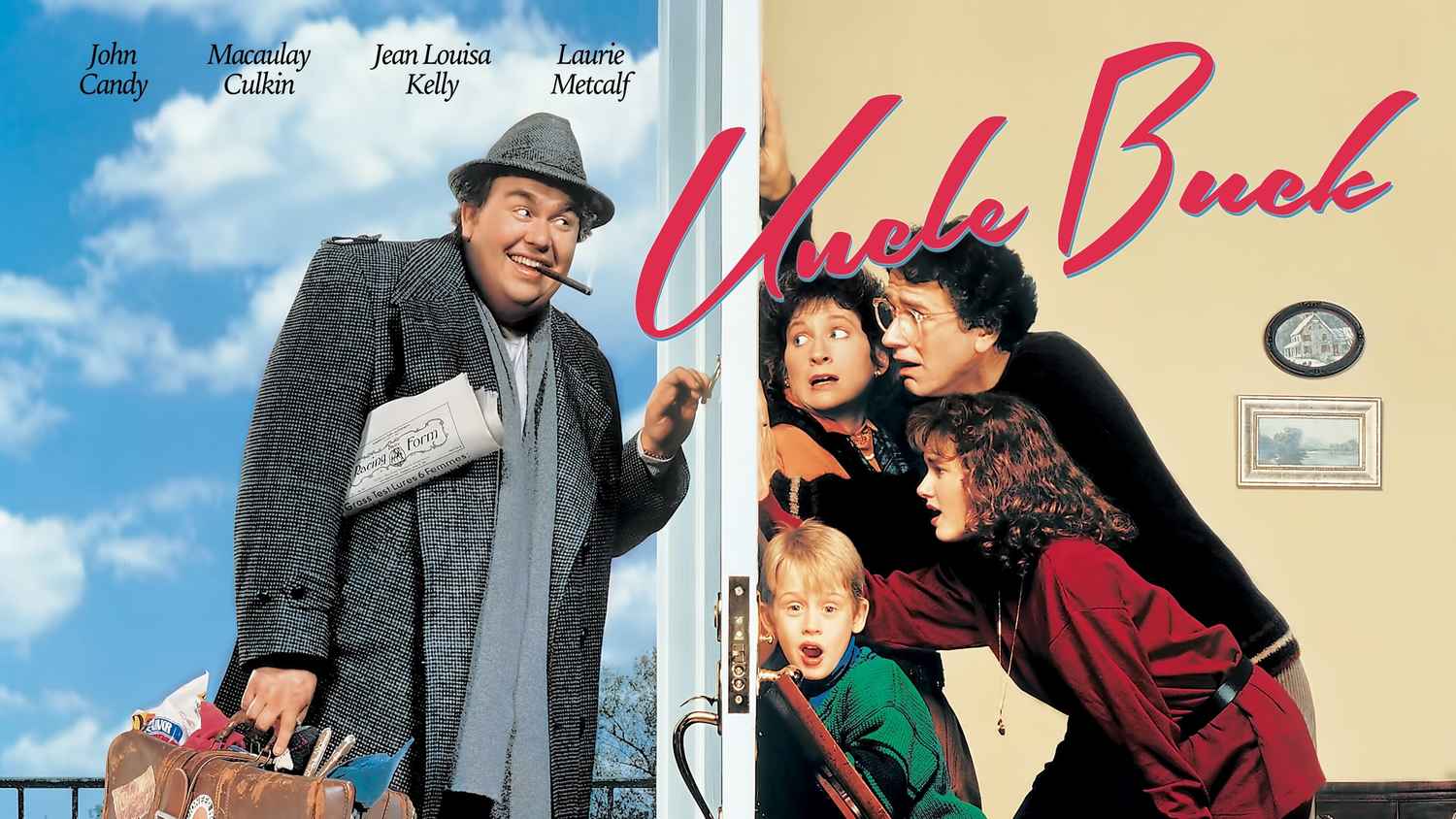
The year 1989 marked a monumental turning point for the global film industry, characterized by groundbreaking technological advancements, the birth of enduring blockbuster franchises, and the rise of independent cinema. This era reshaped cinematic storytelling, box office economics, and the cultural footprint of Hollywood.
The Cultural and Economic Landscape of 1989 Cinema
The cinematic landscape of 1989 cannot be understood without examining the socio-economic and technological currents of the late 1980s. The global box office was transitioning from the star-driven, high-concept action formulas of the mid-1980s toward a more sophisticated model that blended cutting-edge visual effects, risk-taking independent narratives, and aggressive multimedia marketing campaigns. Studios were increasingly owned by large corporate conglomerates, injecting unprecedented capital into tentpole productions while simultaneously seeking out low-budget alternatives that could yield massive profit margins.
At the same time, the home video market—dominated by VHS technology—was reaching full maturity. Filmmakers and studios were no longer relying solely on theatrical runs to recoup their investments; ancillary markets like home video rentals and network television licensing agreements became critical components of a film's financial viability. This economic reality influenced the types of stories greenlit by major studios, favoring high-concept premises that translated well to home viewing and merchandising.
Furthermore, 1989 served as a bridge between the analog filmmaking techniques of the past and the digital revolution that would dominate the 1990s. While Computer-Generated Imagery (CGI) was still in its infancy, films released this year pushed practical effects, animatronics, and optical composites to their absolute limits, setting a high standard for visual spectacle that audiences would come to expect from summer blockbusters.
Major Blockbusters and Box Office Titans
The summer and holiday box offices of 1989 were defined by a fierce battle for audience supremacy among major studios. Several films released during this window shattered records and cemented their places in pop culture history, defining the modern blockbuster era.
Superhero Cinema and Sci-Fi Spectacles
One of the most culturally significant releases of the year was Tim Burton’s Batman. Starring Michael Keaton as the Caped Crusader and Jack Nicholson as the Joker, the film revolutionized comic book adaptations by introducing a dark, expressionistic aesthetic that contrasted sharply with the campy television iterations of the past. Warner Bros. launched an aggressive marketing campaign featuring the iconic bat-symbol, creating a merchandising phenomenon that forever changed how studios monetized intellectual property.
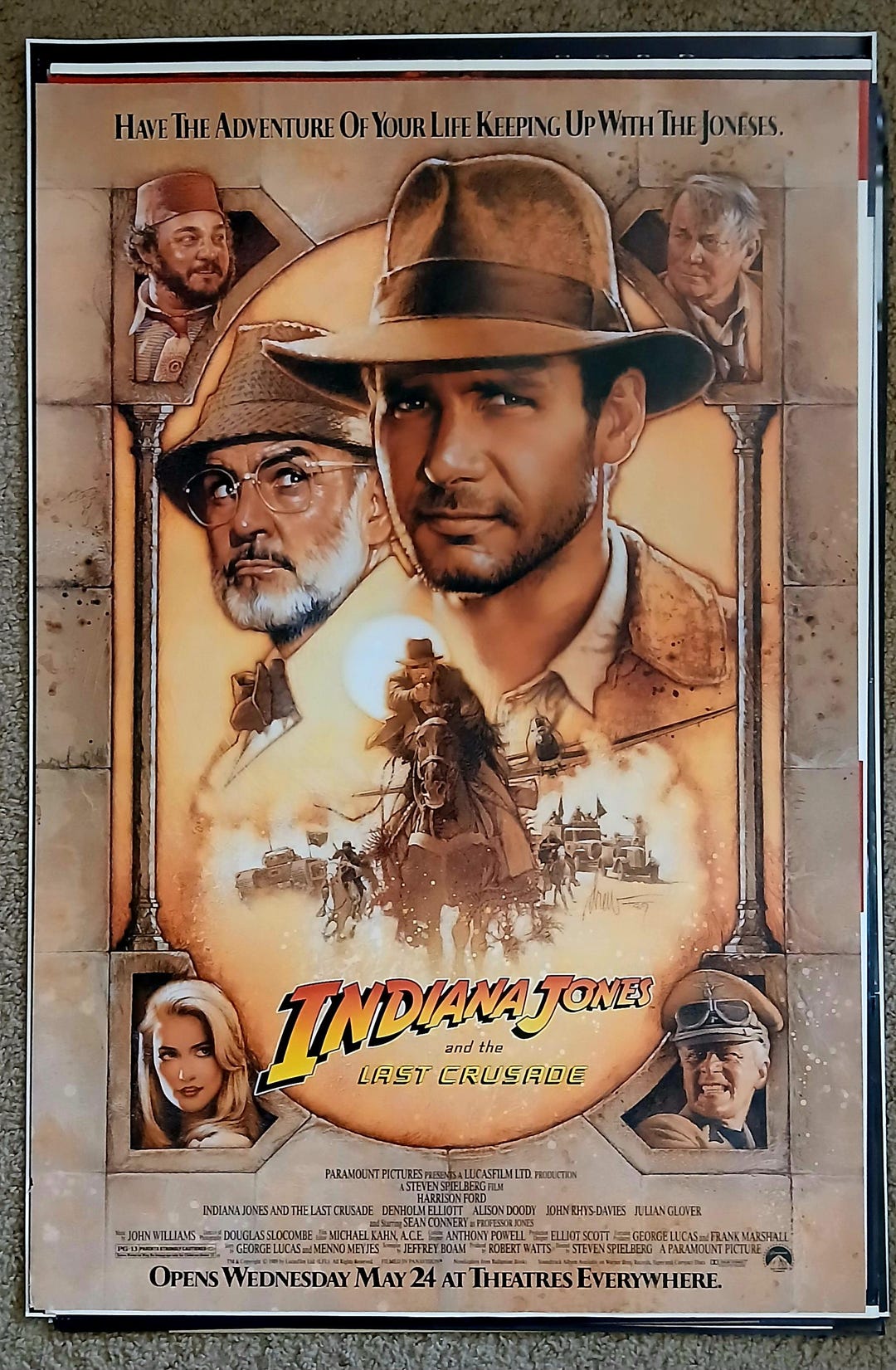
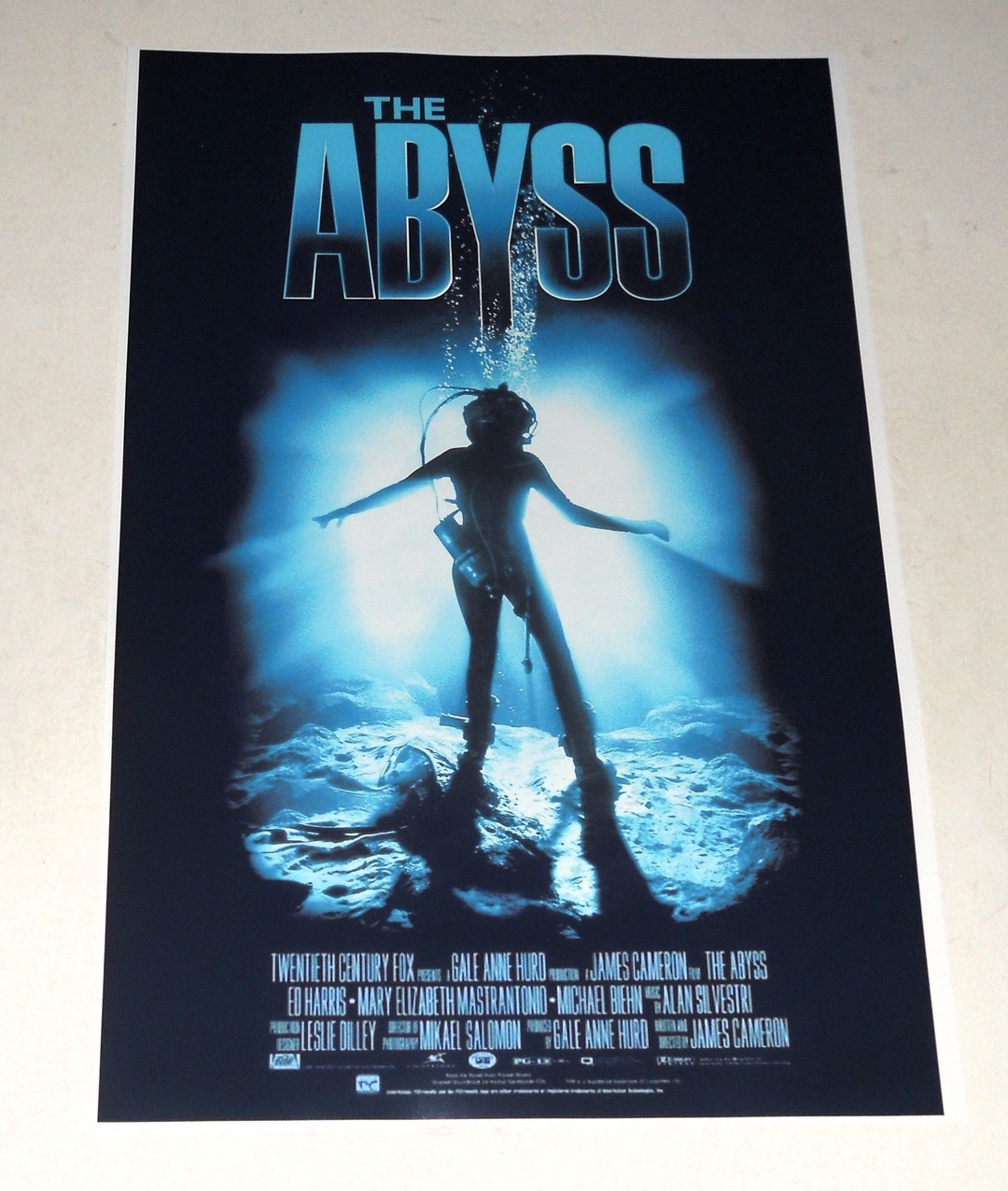
In the realm of science fiction and fantasy, 1989 brought major franchise entries and original concepts alike. Indiana Jones and the Last Crusade, directed by Steven Spielberg, reunited Harrison Ford with Sean Connery, delivering a critically acclaimed and commercially dominant conclusion to the initial trilogy. Meanwhile, James Cameron’s The Abyss pushed the boundaries of underwater cinematography and pioneering liquid-metal visual effects, foreshadowing the digital breakthroughs that would define Terminator 2: Judgment Day.
Family Entertainment and Animated Milestones
Animation experienced a massive renaissance in 1989 with the release of Walt Disney Pictures’ The Little Mermaid. Directed by Ron Clements and John Musker, the film revitalized the Disney animated feature tradition, combining a Broadway-style musical score by Alan Menken and Howard Ashman with lush hand-drawn animation. Its critical and commercial success kicked off the period known as the Disney Renaissance, proving that animated features could command massive box office revenues and critical acclaim.
| Film Title | Director | Primary Genre |
|---|---|---|
| Batman | Tim Burton | Superhero / Action |
| The Little Mermaid | Ron Clements, John M. | Animation / Musical |
| Indiana Jones & Last C. | Steven Spielberg | Action / Adventure |
| Do the Right Thing | Spike Lee | Drama / Independent |
| When Harry Met Sally... | Rob Reiner | Romantic Comedy |
The Rise of Independent and Counter-Culture Cinema
While studio blockbusters dominated the multiplexes, 1989 was equally transformative for independent and minority voices in American cinema. The indie film movement gained unprecedented momentum, proving that commercially viable films could be produced outside the traditional studio system with distinct artistic visions.
Spike Lee and Urban Dramas
Spike Lee’s Do the Right Thing stands as one of the most culturally vital and critically debated releases of 1989. Set during a sweltering summer day in a Brooklyn neighborhood, the film explored racial tensions and systemic injustices with nuance and artistic flair. Its snub at the Academy Awards for Best Picture remains a focal point in discussions regarding institutional bias in Hollywood, yet its cultural impact has only grown stronger over the decades, cementing its status as a masterwork of modern American cinema.
The Modern Romantic Comedy
In the realm of romantic comedy, Rob Reiner’s When Harry Met Sally..., written by Nora Ephron and starring Billy Crystal and Meg Ryan, redefined the genre. By blending sharp, conversational wit with deep explorations of platonic versus romantic relationships, the film set the blueprint for romantic comedies throughout the 1990s. Its realistic dialogue and iconic New York City backdrop demonstrated that character-driven comedies could match the financial success of action-heavy blockbusters.
International Cinema and Critically Acclaimed Masterpieces
Beyond Hollywood, 1989 was a banner year for international filmmaking, capturing the geopolitical shifts and cultural changes occurring worldwide.
European and Asian Contributions
Italian cinema delivered one of its most beloved exports with Giuseppe Tornatore’s Cinema Paradiso, a nostalgic love letter to the history of film projection and community moviegoing. The film won the Academy Award for Foreign Language Film and resonated with audiences globally through its poignant exploration of memory and art.
In Asian cinema, directors were pushing artistic boundaries despite regulatory and financial hurdles. The year laid critical groundwork for the global expansion of art-house Asian cinema, setting the stage for subsequent festival triumphs in the early 1990s.
Technological Shifts and Industry Standards
The technical apparatus of filmmaking underwent subtle yet profound shifts in 1989. While celluloid film stock remained the undisputed standard, laboratories and post-production houses began experimenting with early digital editing tools and computer-assisted optical printers. These technologies reduced the time required for complex compositing tasks, paving the way for the full digital workflow revolution of the following decade.
Sound design also reached new heights. The adoption of advanced multi-track Dolby stereo systems in theaters allowed sound designers to create immersive auditory environments that heightened the tension in thrillers and the scale of action sequences. Films like The Abyss and Batman showcased how meticulous sound mixing could elevate a motion picture from a visual experience to a sensory event.
Cultural Legacy and Retrospective Analysis
Decades later, the film releases of 1989 are frequently revisited by historians, critics, and cinephiles as a watershed moment that anticipated the modern media landscape. The convergence of aggressive corporate synergy, blockbuster franchise building, and resilient independent voices created a dynamic tension that still defines the entertainment industry today.
Understanding the 1989 film release slate offers valuable context for how contemporary Hollywood operates, highlighting the origins of franchise fatigue, the enduring power of high-concept intellectual property, and the constant struggle to carve out space for original, auteur-driven storytelling.
Frequently Asked Questions
What were the highest-grossing films released in 1989?
The highest-grossing film worldwide in 1989 was Indiana Jones and the Last Crusade, followed closely by Tim Burton's Batman and the James Bond entry Licence to Kill. These films dominated global box office charts through a combination of high-profile casting, pre-sold brand recognition, and extensive summer release rollouts.
How did the 1989 film market influence modern superhero movies?
Tim Burton's Batman established the commercial viability of treating comic book source material with dark, stylized seriousness rather than campy escapism. It proved that marketing campaigns could generate massive pre-release hype through merchandise and iconography, setting the template for contemporary superhero cinematic universes.
Which animated film sparked the Disney Renaissance in 1989?
The Little Mermaid, released in November 1989, is widely credited with igniting the Disney Renaissance. Its combination of Broadway-quality musical numbers, sophisticated narrative framing, and vibrant animation restored Disney's dominance in the feature animation market after a prolonged dry spell.
Why is Do the Right Thing considered a landmark 1989 release?
Spike Lee's Do the Right Thing challenged conventional Hollywood storytelling by tackling contemporary racial tensions in urban America without offering easy resolutions. Its bold visual style, morally complex characters, and unflinching social commentary expanded the boundaries of what independent cinema could achieve commercially and critically.
Conclusion and Next Actions
To further explore the cinematic landscape of 1989, cinephiles and researchers should examine original trade publications from that era, such as Variety and The Hollywood Reporter, to understand contemporaneous box office tracking. Reviewing restored home media releases and retrospective documentary features can also provide deeper insight into the production hurdles and creative breakthroughs of these classic films.