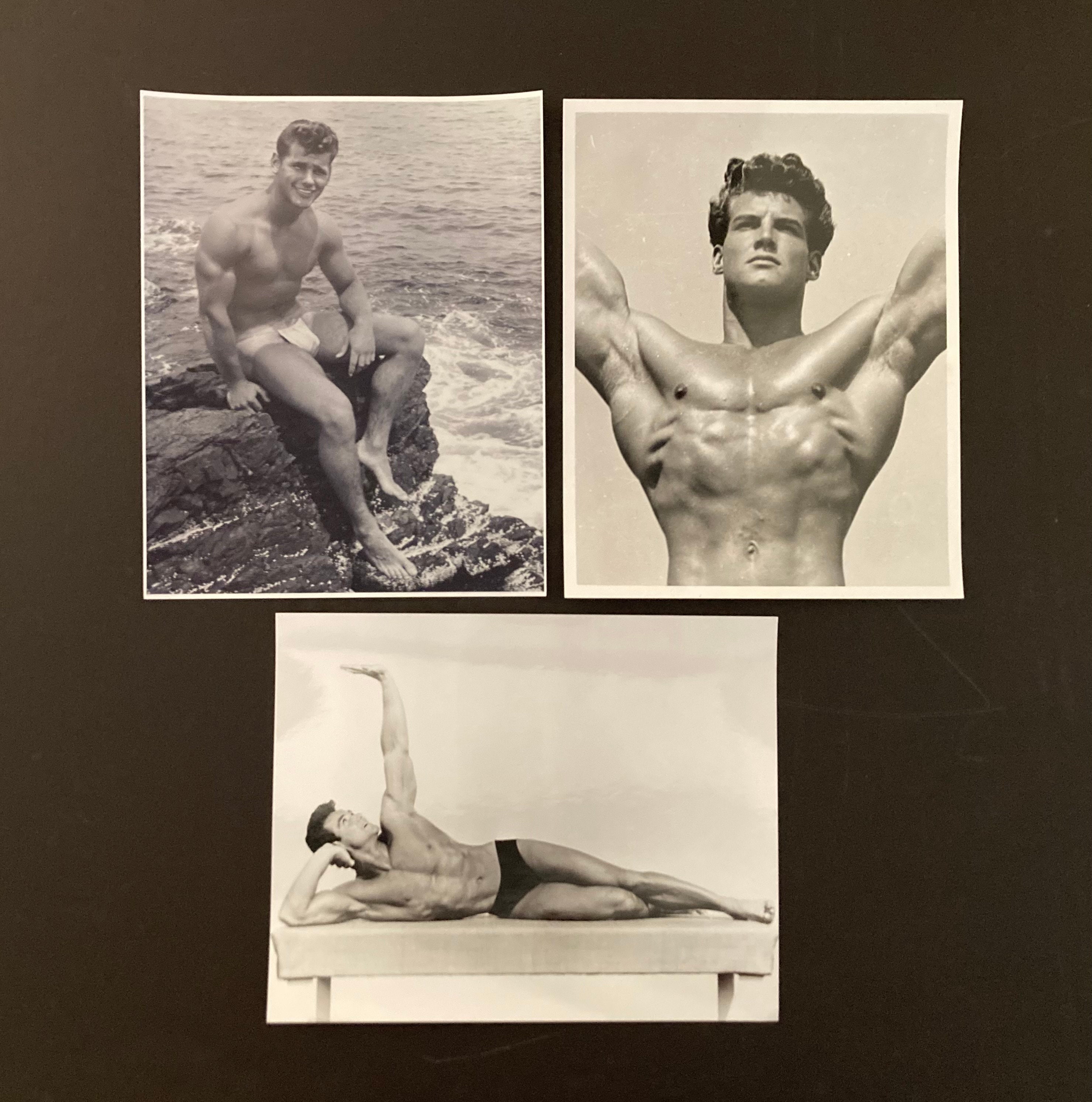
The 1990s physique represents a distinct transitional era in bodybuilding history, bridging the massive, conditioning-heavy standards of the late 1980s with the ultra-heavy, mass-monster aesthetic that came to dominate the turn of the millennium. Characterized by a combination of dense muscle maturity, vacuum-capable midsections, and classic X-frame proportions, this look continues to influence modern natural and classic physique competitors seeking balanced aesthetics over sheer mass.
Understanding the 1990s Physique Aesthetic
The fitness landscape of the 1990s underwent a profound philosophical shift. For decades, the sport of bodybuilding looked to the Golden Era standards of the 1970s—typified by narrow waists, broad shoulders, and artistic flow. However, the introduction of unprecedented mass in the 1980s altered judging criteria. By the 1990s, athletes were expected to carry significantly more absolute muscle mass while retaining structural symmetry, sharp conditioning, and classical lines before the distended midsections of the late '90s and 2000s altered the competitive landscape.
Achieving a 1990s physique required meticulous attention to structural balance. Rather than merely chasing scale weight, competitors focused on creating an exaggerated "X-frame": wide clavicles, a tightly controlled midsection, and sweeping, full quad development. This aesthetic favored functional proportionality over sheer, unrefined bulk. It was an era where giants like Dorian Yates revolutionized back thickness and conditioning, yet lighter competitors like Flex Wheeler and Shawn Ray maintained traditional lines that prioritized aesthetic harmony.
Key Anatomical Characteristics
- The X-Frame Proportions: Equal emphasis placed on wide shoulder-to-hip ratios, where broad deltoids and a wide upper back taper dramatically down into a small waist and powerful, detailed thighs.
- Midsection Control: While the era introduced heavier mass, elite competitors still maintained control over their transverse abdominis, allowing for vacuums and tight abdominal displays that prevented the distension seen in later decades.
- Hardness and Conditioning: Training methodologies shifted toward high-intensity, heavy-duty principles that yielded dense, grainy muscle maturity rather than just soft, water-retained size.
- Full Muscle Bellies: Particular attention was paid to developing stubborn muscle groups like the calves, forearms, and upper chest to ensure no visual weak points interrupted the silhouette.
Training Methodologies That Defined the Decade
The workout routines of the 1990s moved away from the high-volume, marathon gym sessions popularized in the 1970s and 1980s. Instead, bodybuilders experimented with polarized training philosophies: either ultra-high-intensity, low-frequency protocols or advanced high-volume periodization designed to shock muscle fibers into hyper-growth.
Heavy compound movements formed the foundation of every routine. Squats, deadlifts, barbell rows, and heavy overhead presses were performed with strict execution, but with a new emphasis on mechanical tension and time under tension. Machines also evolved significantly during this decade, with companies like Hammer Strength introducing plate-loaded equipment that allowed lifters to handle maximal loads with guided biomechanics, minimizing joint wear while maximizing localized hypertrophy.
Core Training Principles of the Era
- Heavy Compound Foundations: Heavy free-weight movements remained non-negotiable for building baseline thickness, particularly across the back, chest, and legs.
- Advanced Intensity Techniques: Drop sets, forced reps, rest-pause training, and partial repetitions were heavily utilized to push muscles past momentary failure.
- Specialized Weak-Point Training: Recognizing that symmetry won shows, competitors dedicated entire sessions to bringing up lagging body parts, utilizing isolation exercises with strict, controlled tempos.
Nutritional Science and Dietary Approaches
Dietary practices in the 1990s were characterized by a transition from old-school folklore to more systematic nutritional planning. While the bro-science era of high protein, low fat, and moderate-to-high complex carbohydrates still ruled the locker rooms, bodybuilders began to better understand macronutrient partitioning, thermic effects of food, and the strategic manipulation of water and sodium peak weeks.
Off-season bulking diets were often characterized by high-calorie surpluses. "Clean eating" was praised, but caloric intake was frequently pushed to extremes—sometimes exceeding 5,000 to 6,000 calories daily for professional athletes—to support the rapid accumulation of muscle tissue. Protein sources remained traditional: chicken breast, lean beef, egg whites, whole eggs, tuna, and whey protein powders, which experienced a massive commercial boom during this decade.
1990s vs. Modern Physique Standards
| Feature | 1990s Physique Era | Modern Open Bodybuilding | Modern Classic Physique |
|---|---|---|---|
| Waist Control | Controlled, tight; vacuum poses still common | Frequently distended due to heavy growth hormone use | Strictly enforced vacuum and small waist limits |
| Conditioning | Grainy, hard, striated muscle maturity | Extreme dryness, paper-thin skin, peeled glutes | Sharp, aesthetic conditioning without excessive blockiness |
| Average Proportions | Heavy mass combined with X-frame flow | Extreme mass dominance over classical lines | Strict height-to-weight limits prioritizing 1970s aesthetics |
| Primary Focus | Massive size paired with structural symmetry | Maximum possible muscle mass and stage presence | Aesthetic balance, flow, and classical lines |
Supplementation and Pharmacological Landscape
The 1990s marked a watershed moment in the commercial supplement industry. Pre-workout formulas, creatine monohydrate, advanced protein isolates, and thermogenic fat burners flooded the market. Creatine, in particular, became widely accessible to the general public mid-decade, revolutionizing natural strength and intracellular hydration standards.
Concurrently, the pharmacological landscape in professional bodybuilding evolved. The widespread adoption of growth hormone (GH) combined with insulin and modern anabolic-androgenic regimens began to permanently alter human physical limits. While early-to-mid '90s competitors utilized these compounds while retaining narrow waists and classic lines, the later years of the decade saw the emergence of a thicker, blockier silhouette that prioritized sheer mass over traditional aesthetics.
Common Mistakes When Attempting a 1990s Routine Today
Modern fitness enthusiasts attempting to replicate a 1990s bodybuilding routine often fall into predictable traps. Understanding these pitfalls ensures sustainable progress and avoids injury.
- Neglecting Recovery: The high-intensity protocols popularized in the '90s require immense central nervous system recovery. Overtraining is a frequent issue for natural lifters trying to copy professional volume and intensity.
- Sacrificing Form for Weight: While heavy lifting is required for density, ego-lifting with compromised range of motion limits true muscle fiber recruitment and invites joint trauma.
- Ignoring Mobility and Flexibility: Heavy loading without adequate stretching leads to restricted fascia and tight musculature, hindering the sweeping lines characteristic of the era's best physiques.
Frequently Asked Questions
What makes a 1990s physique different from a 1970s Golden Era physique?
The 1990s physique features significantly more absolute muscle mass, greater overall density, and a harder, more grainy conditioning standard compared to the softer, more flowing lines of the 1970s Golden Era. However, both prioritized structural balance and tapered proportions.
Can a natural lifter build a 1990s-style physique?
Yes. Natural lifters can achieve a similar aesthetic by prioritizing heavy compound lifts, focusing on shoulder and back width to build an X-frame, and maintaining strict dietary discipline to keep body fat low while preserving muscle fullness.
What were the primary training splits used in the 1990s?
The most common training splits were the "Bro Split" (training each muscle group once a week with high volume) and variations of upper/lower or push/pull/legs splits performed with high intensity and heavy resistance.
How important was waist control in the 1990s?
Waist control was critical during the early and mid-1990s. While bodybuilders grew significantly larger, judges still penalized blocky midsections, making vacuum poses and tight abdominal control essential competitive tools until late-decade shifts occurred.
Recommendations for Building an X-Frame Today
To successfully apply the lessons of the 1990s physique to a modern training regimen, focus on structural priorities rather than random exercise selection. Prioritize overhead pressing, weighted pull-ups, barbell rows, and heavy squats to build the foundational framework of broad shoulders, a thick back, and powerful legs. Pair these movements with a caloric surplus focused on whole foods, adequate rest, and deliberate posing practice to master midsection control and stage presence.