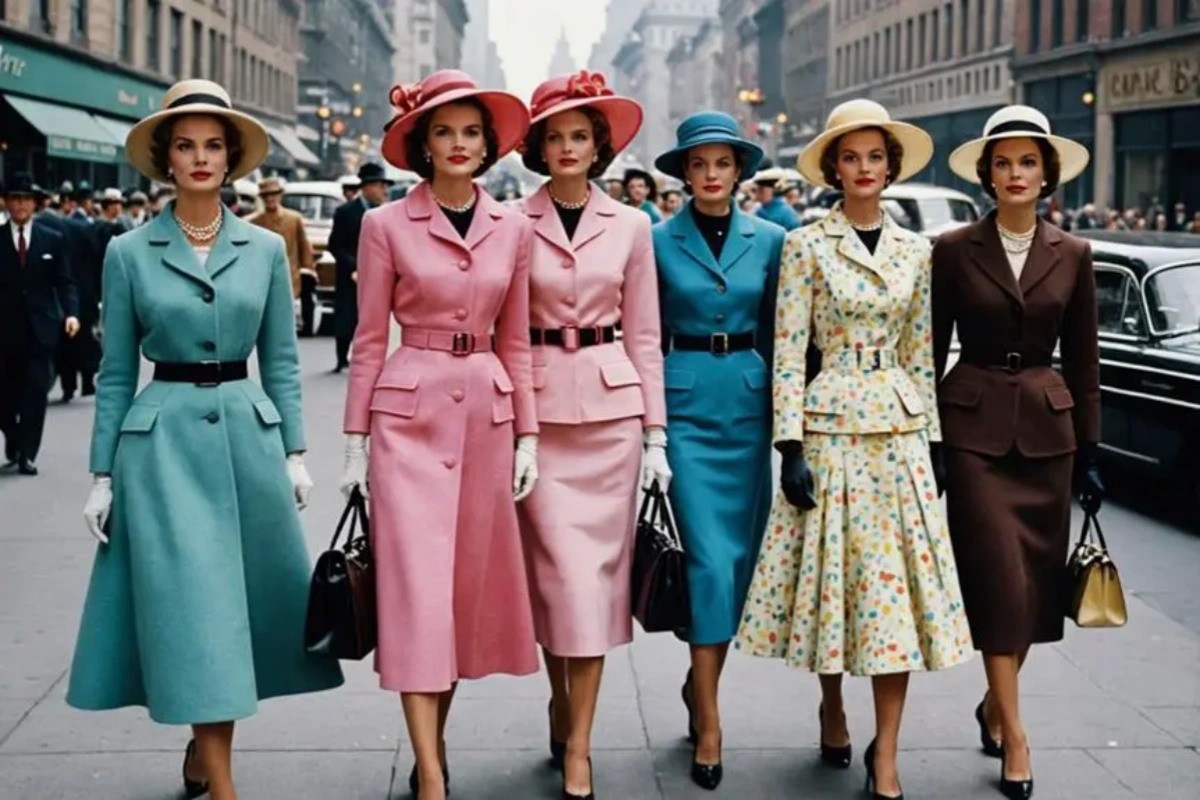
The fashion of 1992 represents a pivotal transitional period where the polished, excess-driven aesthetics of the late 1980s collided with the raw, anti-establishment ethos of grunge and minimalist casualwear. Far from being a mere historical footnote, 1992 clothing style trends offer a masterclass in effortless layering, utilitarian functionality, and understated rebellion that continues to influence contemporary wardrobes.
The Cultural and Aesthetic Shift of 1992 Fashion
By 1992, the global cultural landscape had shifted dramatically. The hyper-glamour, neon colors, and power-shoudered silhouettes of the preceding decade were rapidly giving way to a desire for authenticity and comfort. Music played a monumental role in this transformation. The meteoric rise of grunge, spearheaded by bands like Nirvana, Pearl Jam, and Soundgarden, thrust Pacific Northwest thrift-store culture into the international spotlight. At the same time, the burgeoning hip-hop scene in urban centers popularized oversized silhouettes, athletic wear, and bold streetwear branding.
This juxtaposition created a unique sartorial sweet spot. The clothing of 1992 was defined by a tension between structured, traditional apparel and relaxed, counter-culture garments. Consumers began mixing high-end pieces with thrifted finds—a styling technique that remains a cornerstone of modern vintage curation. Understanding this era requires looking past caricature and examining the actual textures, weights, and tailoring techniques that made 1992 a landmark year for everyday style.
Key Silhouettes and Wardrobe Staples
The silhouette of 1992 favored relaxed fits, elongated lines, and gender-fluid layering. Unlike the restrictive tailoring of the 1980s, garments from this era prioritized movement and personal comfort without sacrificing structural integrity.
Oversized Outerwear and Flannel
The flannel shirt worn open over a band t-shirt or thermal knit is perhaps the most enduring image of 1992 apparel. These shirts were typically sourced from men's sections or actual workwear brands like Carhartt and Pendleton, featuring heavyweight cotton or wool blends designed for durability. Paired with oversized leather jackets, distressed denim jackets, or wool peacoats, outerwear in 1992 was meant to look lived-in and unpretentious.
High-Waisted Denim and Relaxed Cuts
Denim in 1992 was transitioning away from the ultra-tight, acid-washed stretch styles of the late '80s toward rigid, 100% cotton fabrics with straight legs or gentle tapers. High-waisted "mom jeans" and relaxed-fit carpenter pants became daily staples for both men and women. The wash palette shifted from bright neon tones to medium blues, raw indigo, and heavy stonewash treatments that looked authentically worn over time.
Knitwear and Layering Pieces
Chunky fisherman sweaters, oversized cardigans, and ribbed cotton turtlenecks formed the backbone of cold-weather dressing in 1992. These pieces were often styled in oversized proportions, worn tucked into high-waisted trousers or left loose over slip dresses—a direct nod to the emerging juxtaposition of masculine and feminine elements.
Footwear and Accessories That Defined the Era
Accessories in 1992 were functional, utilitarian, and understated, steering away from the heavy gold ornamentation and flashy costume jewelry of the previous decade.
- Footwear: Canvas plimsolls, chunky combat boots (most notably Dr. Martens 1460s), and retro running shoes dominated the streets. Basketball sneakers, particularly early iterations of iconic Nike and Reebok models, transitioned rapidly from the hardwood to everyday lifestyle wear.
- Eyewear: Round wire-rimmed glasses, tortoiseshell frames, and minimalist oval sunglasses began replacing the oversized geometric shades of the 1980s.
- Hats and Bags: Baseball caps, beanie hats in neutral wools, and nylon backpacks or canvas messenger bags completed daily outfits with a practical, no-nonsense aesthetic.
Comparing 1992 Style Elements to Modern Vintage Trends
To successfully incorporate 1992 vintage trends into a modern wardrobe, it helps to analyze how specific garment categories function across eras.
| Garment Category | 1992 Original Standard | Modern Vintage Interpretation | Key Styling Tip |
|---|---|---|---|
| Denim | 100% rigid cotton, high-waisted, straight-leg or relaxed fit. | Vintage-wash reproductions or authentic deadstock denim with tailored adjustments. | Pair with a fitted top to balance the voluminous lower half. |
| Outerwear | Heavy wool flannels, leather biker jackets, thrifted chore coats. | Boxy blazers, distressed leather jackets, and durable flannel overshirts. | Look for dropped shoulders and authentic wear-and-tear. |
| Footwear | 8-eyelet leather combat boots, classic canvas sneakers, retro trainers. | Goodyear-welted boots and archival sneaker re-releases. | Ensure proper breaking-in for comfort; pair with raw hems. |
| Knitwear | Ribbed turtlenecks, oversized cable-knit cardigans, cotton pullovers. | Merinos and heavier wool blends with slouchy, relaxed draping. | Layer over lightweight slip dresses or tuck cleanly into trousers. |
How to Curate an Authentic 1992-Inspired Wardrobe Today
Building a timeless wardrobe inspired by 1992 requires an eye for quality fabrics and a commitment to balance. Because the era relied heavily on garments that were originally built for durability—such as heavy cotton denim, thick wool knits, and genuine leather—sourcing vintage pieces from this era is entirely practical for daily wear.
When shopping at thrift stores or vintage markets, prioritize natural fibers. Check clothing tags for 100% cotton, wool, linen, and genuine leather rather than synthetic blends that degrade quickly. Inspect the construction quality: reinforced seams, sturdy metal hardware, and heavy-weight zippers are hallmarks of authentic early-1990s garments.
When styling these pieces, focus on the principle of proportion. If you are wearing an oversized 1992 flannel shirt or a boxy leather jacket, balance the silhouette by pairing it with slimmer trousers or a fitted base layer. Conversely, pair voluminous wide-leg denim with a cropped or tucked-in top. This attention to balance ensures your outfit reads as intentional and timeless rather than looking like a costume.
Frequently Asked Questions
What makes 1992 clothing different from 1980s fashion?
While 1980s fashion favored vibrant neon colors, spandex, structured power shoulders, and overt displays of luxury, 1992 fashion introduced a counter-culture shift toward minimalism, comfort, and utilitarian workwear. Silhouettes became more relaxed, colors muted into earth tones and rich indigos, and styling leaned heavily on thrifted, unpretentious garments.
Are original 1992 vintage clothes durable enough for everyday wear?
Yes, many garments from 1992 were constructed from heavier, higher-quality natural fibers like 100% cotton denim and genuine leather compared to modern fast-fashion equivalents. However, buyers should carefully inspect vintage items for fabric thinning, weakened elastic, or rust on metal hardware before purchasing.
How do I style oversized 1992 clothing without looking bulky?
The key to wearing oversized 1992 silhouettes is mastering proportion. Balance a baggy bottom, such as relaxed-fit carpenter pants, with a more fitted top or tucked-in shirt. If wearing an oversized jacket or flannel, keep the inner layers streamlined to maintain structural definition.
What footwear is essential for a 1992 vintage aesthetic?
Classic footwear choices from 1992 include lace-up leather combat boots (such as Dr. Martens), retro canvas sneakers, and early-generation athletic trainers. These shoes anchor casual outfits and provide the functional, durable foundation characteristic of early '90s streetwear.
Where can I find authentic 1992 clothing pieces?
Authentic pieces can be sourced from dedicated vintage boutiques, online resale marketplaces (such as Depop, eBay, and Poshmark), and local thrift stores. Focus your search on vintage Levi's denim, vintage flannel shirts, and classic outerwear brands active during that period.
Conclusion and Next Steps
Adopting the timeless vintage style trends of 1992 is an exercise in appreciating durable fabrics, relaxed proportions, and effortless layering. Start your journey by auditing your current closet for foundational pieces like straight-leg denim or neutral layering knits, then visit local vintage shops or reputable online archives to find authentic statement outerwear. By blending these rugged, historic staples with modern tailoring essentials, you can build a versatile, enduring wardrobe rooted in authentic style history.