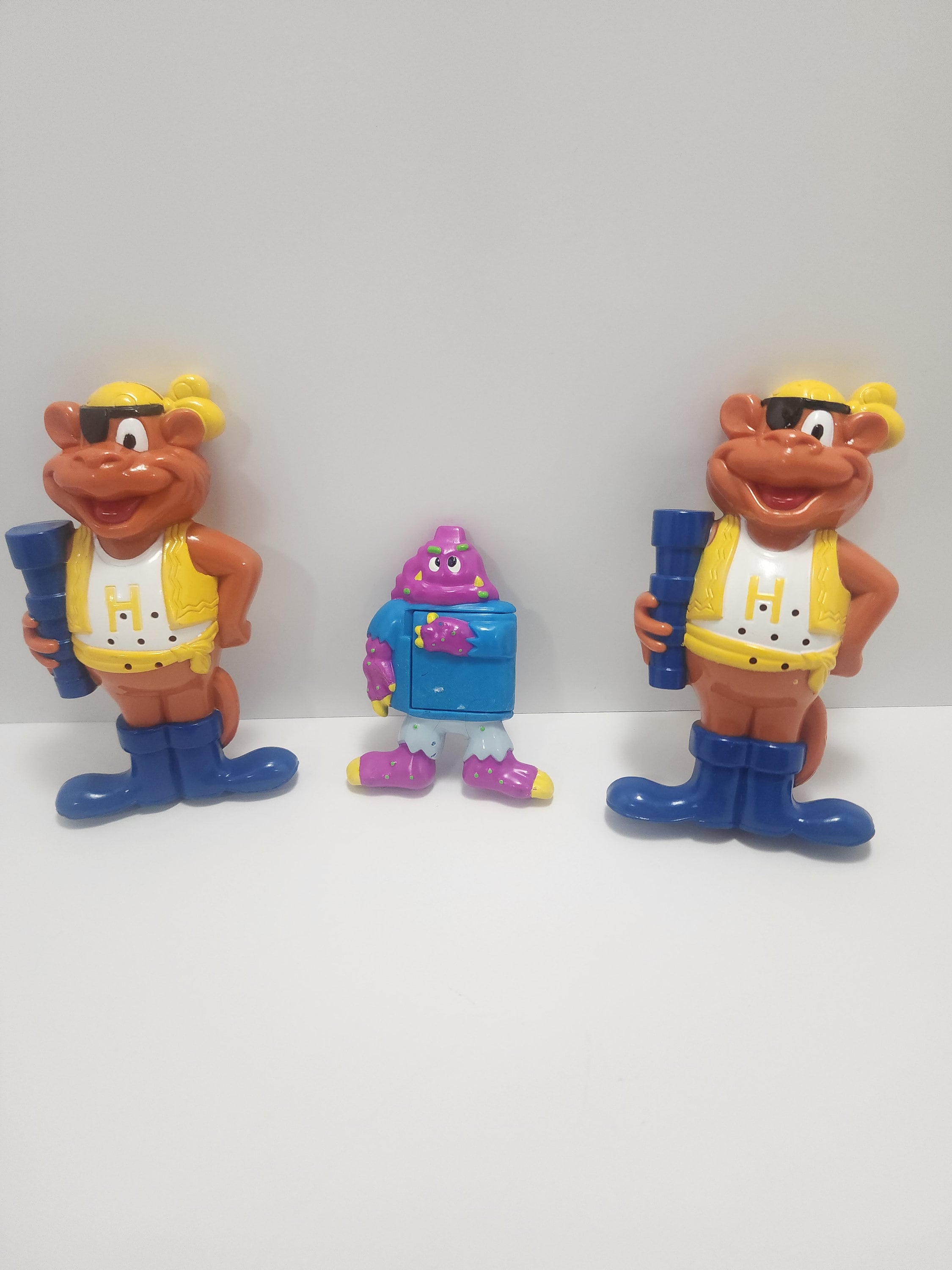
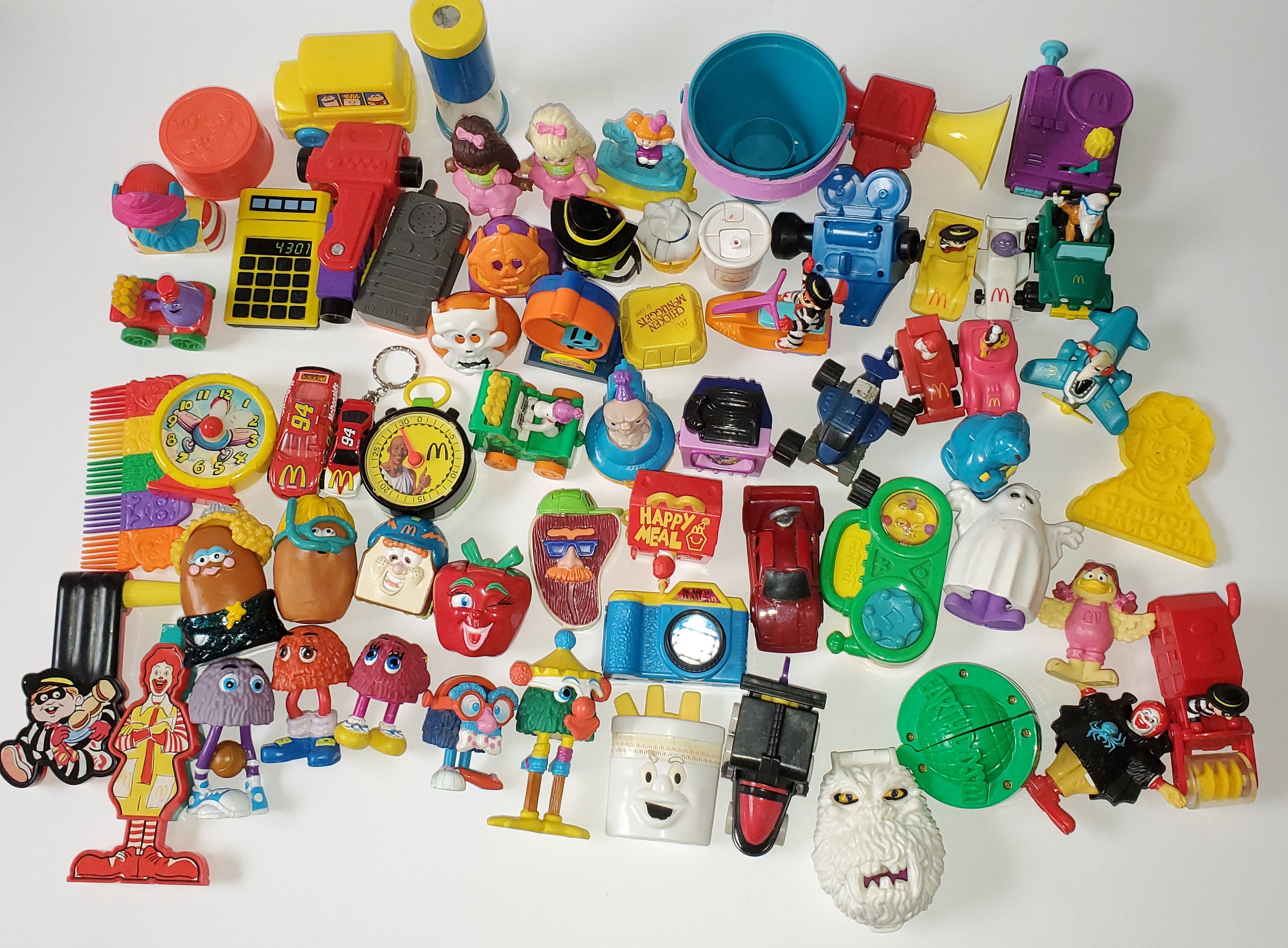
The 1990s toy market transformed through the integration of digital technology, interactive electronics, and pop culture franchises, shifting childhood play from mechanical devices to microchip-driven companions, collectible trading card games, and mass-market phenomena that still command massive collector interest today.
Introduction: The Landscape of 1990s Play
The decade of the 1990s represented a massive bridge between traditional physical play and the digital age. While children of the 1980s grew up with action figures, board games, and simple battery-operated gadgets, 1990s toys introduced complex microprocessors, LCD screens, and trans-media marketing strategies.
Toys were no longer just standalone products found in a catalog; they were tied directly to Saturday morning cartoons, feature films, and video game consoles like the Nintendo Game Boy and Sony PlayStation. Understanding this era requires looking at how technology changed manufacturing, how marketing shifted toward artificial scarcity, and how these items transition from childhood memories to serious investment-grade collectibles today.
Technological Shifts: From Mechanical to Microchip
The transition from purely mechanical toys to electronic and digital devices redefined expectations for interaction. Manufacturers realized that children wanted toys that could "respond" to them, leading to an explosion of sensors, motors, and rudimentary artificial intelligence embedded in plastic shells.
The Rise of Interactive Robotics and Animatronics
Before the 1990s, interactive toys were mostly limited to speaking dolls with pull-strings or simple remote-controlled cars. The introduction of affordable digital signal processors and improved infrared sensors allowed for far more advanced behavior.
- Infrared Communication: Toys could now "see" each other or a television remote control.
- Tactile Sensors: Pressure pads beneath faux fur or plastic skin enabled responses to petting, shaking, or feeding.
- Speech Synthesis: Microchips stored compressed audio clips, moving away from the tinny, mechanical record players of earlier decades.
This technological leap created a sense of emotional attachment previously unseen in the toy industry. Consumers were no longer buying a static action figure; they were adopting a virtual pet or an autonomous companion that required ongoing attention.
Iconic Categories and Defining Products
To understand the scope of 1990s toys, it is helpful to examine the specific categories that dominated toy store shelves, living rooms, and schoolyards. Each category introduced unique play patterns and cultural touchstones.
Electronic Pets and Virtual Companions
Nothing captures the cultural zeitgeist of the late 1990s quite like the electronic pet. These devices required daily maintenance, feeding, and discipline, creating a new form of digital responsibility for a generation of children.
- Tamagotchi (Bandai, 1996): Released in Japan in 1996 and globally in 1997, this egg-shaped keychain device featured a simple pixelated LCD screen. Owners had to feed their digital alien pet, clean up after it, and play games to keep it alive. The fear of returning home from school to find a digital tombstone spawned school bans worldwide.
- Tamagotchi vs. Virtual Pets: While Tamagotchi popularized the format, competitors like Tiger Electronics' Giga Pet and later advanced versions like Nano Pets entered the market with licensed characters from Sonic the Hedgehog and Star Wars.
- Furby (Tiger Electronics, 1998): Moving beyond the LCD screen, Furby was an animatronic owl-like creature covered in synthetic fur. Using a combination of a microphone, light sensor, infrared port, and motion detectors, Furby could "learn" English over time, starting with its native language ("Furbish") and progressing to human phrases. Security concerns even led to temporary bans in some government offices and intelligence agencies due to fears that they could record and repeat classified conversations.
Action Figures and Cinematic Franchises
The action figure market of the 1990s benefited heavily from blockbuster cinema and long-running animated series. Scale, articulation, and detailed sculpts improved significantly compared to previous decades.
- Kenner’s Jurassic Park (1993): Released alongside Steven Spielberg’s cinematic milestone, these action figures featured realistic skin textures, electronic dinosaur roars, and humans equipped with capture gear. The line emphasized scale, pitting human figures against massive electronic T-Rexes and Velociraptors.
- Mighty Morphin Power Rangers (Bandai, 1993): Capitalizing on the live-action tokusatsu import from Japan, Bandai released action figures that could morph, alongside massive combining Megazord robots. The Zord combination play pattern—where five individual vehicles/creatures formed a giant robot—became a gold standard for boys' action toys.
- Star Wars: Power of the Force (Kenner/Hasbro, 1995): Reviving the classic 3.75-inch scale, Hasbro brought back Star Wars action figures ahead of the 1997 Special Edition theatrical re-releases. These figures were notorious for their heavily muscled, exaggerated body proportions (often dubbed "gorilla-morphic"), yet they sparked a massive wave of adult collecting.
Collectible Trading Card and Game Phenomena
The 1990s blurred the line between traditional toys and collectible games, introducing mechanics where toys were used directly in competitive play formats.
- Pokémon Trading Card Game (Wizards of the Coast, 1999): Following the massive success of Nintendo’s Game Boy role-playing games, the trading card game introduced millions of children to deck-building, rarity tiers, and competitive tournament play. Rare holographics, such as the 1st Edition Shadowless Charizard, set records that persist in modern auction houses.
- Beanie Babies (Ty Inc., 1993): While technically plush toys filled with plastic pellets rather than traditional stuffing, Beanie Babies became an unprecedented economic phenomenon. Ty Warner utilized a deliberate strategy of "retirement," announcing when specific animals would no longer be manufactured. This manufactured scarcity drove adults into frenzied secondary-market speculation, transforming suburban living rooms into makeshift inventory warehouses.
Comparative Overview of Major 1990s Toy Categories
| Toy Category | Representative Product | Primary Play Mechanic | Cultural / Market Impact |
|---|---|---|---|
| Electronic Pets | Tamagotchi (1996) | Digital upkeep, feeding, LCD survival | Created the virtual pet craze; led to school bans globally. |
| Animatronics | Furby (1998) | Audio recognition, tactile sensors, "learning" | Merged plush toys with microchips; faced security bans. |
| Action Figures | Power Rangers Megazord (1993) | Modular combination, transformation | Popularized multi-piece merging robots in Western markets. |
| Collectibles | Beanie Babies (1993) | Artificial scarcity, tag protection | Sparked a massive 90s secondary market and speculation bubble. |
| Trading Card Games | Pokémon TCG (1999) | Deck-building, competitive battling, trading | Established modern collectible card gaming longevity. |
The Economics and Culture of Toy Collecting Today
In 2026, 1990s toys occupy a unique space in the secondary market. Gen X and Millennial collectors, now possessing disposable income, actively seek out childhood items to combat nostalgia or build investment portfolios. However, the market has matured significantly since the speculation bubbles of the late 20th century.
Condition, Grading, and Packaging
The value of a 1990s toy depends heavily on its preservation state. Unlike vintage 1970s and 1980s toys where loose items still hold strong value, many 1990s items—particularly Beanie Babies and trading cards—are heavily dependent on original packaging.
- Mint on Card / Mint in Box (MOC/MIB): Items that remain unopened in their original retail packaging command the highest premiums. For action figures, unpunched cardbacks (where the cardboard hang-tab has never been torn or pushed out) are especially prized.
- Professional Grading Services: Companies like AFA (Action Figure Authority) and PSA/BGS (for trading cards and sealed boxes) now authenticate and encapsulate 1990s toys, providing numerical grades from 1 to 10 that standardize market pricing.
Common Pitfalls and Counterfeits
As market values for rare 1990s toys climbed, counterfeits and alterations became widespread.
- Counterfeit Hang Tags: In the Beanie Baby market, replica plastic hang-tags and counterfeit tush-tags were frequently attached to common bears to fake rare editions.
- Resealable Blister Packs: Unscrupulous sellers sometimes carefully steam open plastic blister packs of action figures, replace or clean the contents, and reseal them to mimic factory-fresh conditions. Buyers must inspect edge seals and plastic clarity closely.
Frequently Asked Questions
Are 1990s Beanie Babies worth a lot of money today?
Generally, no. While media reports in the late 1990s suggested Beanie Babies would fund college tuitions or retirements, mass production resulted in millions of survivors. Most common Beanie Babies sell for only a few dollars. Only specific rare generation-one tags, authenticated errors, or verified promotional items hold significant value today.
How do I check if my old Tamagotchi still works?
To test a vintage Tamagotchi, open the rear battery compartment using a small Phillips-head screwdriver and check for battery acid corrosion. Clean any white crust using isopropyl alcohol and a cotton swab. Insert a fresh CR2032 or LR44 coin cell battery (depending on the specific model version) and press the reset button on the back.
Why are some 1990s action figures sticky to the touch?
Many 1990s action figures, particularly those made with soft PVC plastics or rubberized accessories, suffer from plasticizer migration. Over time, the chemical plasticizers used to keep the plastic flexible break down and rise to the surface, creating a sticky residue. This can be cleaned gently using warm water and mild dish soap, avoiding harsh chemical solvents that can strip factory paint.
What is the difference between 1st Edition and unlimited Pokémon cards from 1999?
First Edition Pokémon cards feature a small black stamp on the left side of the character art frame indicating they were part of the initial print run by Wizards of the Coast. Unlimited print runs lack this stamp. Because the initial print run was vastly smaller, 1st Edition cards—especially holographic variants—are significantly rarer and more valuable.
Can original Tamagotchis still connect with modern re-releases?
No. Bandai’s modern re-releases of original Tamagotchi devices feature updated internal microchips and updated software logic. While they look nearly identical to the 1996 originals on the outside, their infrared communication protocols are incompatible with vintage units.
Conclusion and Next Action
Exploring 1990s toys reveals a fascinating intersection of engineering ingenuity, aggressive pop-culture marketing, and enduring nostalgia. Whether you are looking to recover a lost childhood favorite, evaluate an inherited collection, or invest in graded memorabilia, success relies on careful verification of condition, awareness of counterfeits, and understanding the difference between mass-produced items and genuine rarities. Inspect your collection's packaging integrity, consult professional grading standards where appropriate, and store items away from direct sunlight and humidity to preserve their historical value.