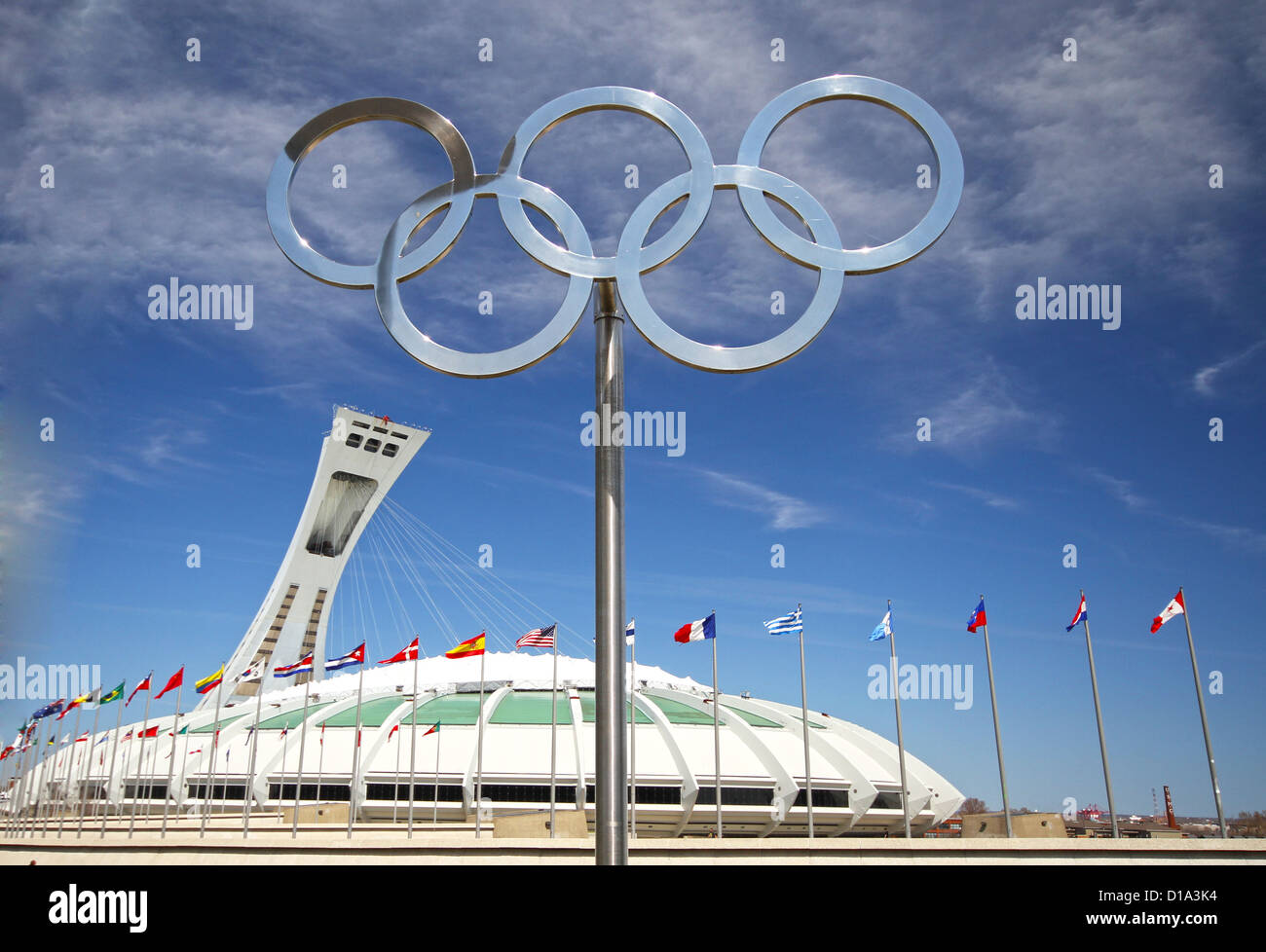
The 1976 Olympic Games, primarily remembered for the XXI Summer Olympiad in Montreal, Canada, alongside the Winter Games in Innsbruck, Austria, marked a transformative watershed in modern sports history. Montreal delivered legendary athletic breakthroughs—most notably Nadia Comăneci’s historic perfect scores—while simultaneously triggering massive geopolitical boycotts and an unprecedented financial deficit that permanently altered Olympic host city planning.
Historical Context: The Dual Games of 1976
The year 1976 was pivotal for the International Olympic Committee (IOC). Still reeling from the tragic terrorist attack at the 1972 Munich Games, the Olympic movement faced deep ideological divisions driven by the Cold War, escalating operational security expenditures, and growing skepticism from potential host municipalities worldwide.
While mainstream historical discourse surrounding the "1976 Olympics" predominantly centers on the Summer Games in Montreal, the year also featured an unprecedented relocation of the Winter Games.
1976 Olympic Events at a Glance: - Winter Olympiad: Innsbruck, Austria (February 4–15, 1976) - Summer Olympiad: Montreal, Quebec, Canada (July 17–August 1, 1976)
In 1970, the IOC initially awarded the XII Olympic Winter Games to Denver, Colorado. However, in November 1972, Colorado voters passed a historic statewide referendum refusing a $5 million bond issue to fund public expenditures for the Games, citing environmental degradation and soaring cost projections. Denver became the first and only chosen host city in Olympic history to reject the assignment after winning the bid. The IOC turned to Innsbruck, Austria, which had successfully hosted the 1964 Winter Games and possessed the existing alpine infrastructure to stage the event on short notice.
Months later, Montreal hosted the Games of the XXI Olympiad from July 17 to August 1, 1976. Awarded the bid in May 1970 over Moscow and Los Angeles, Montreal presented a futuristic urban vision spearheaded by its ambitious mayor, Jean Drapeau. What unfolded over those two weeks in Quebec established modern precedents for athletic perfection, sovereign debt crises, state-sponsored doping controversies, and political activism on the international stage.
Iconic Athletic Achievements of Montreal 1976
Despite severe organizational crises behind the scenes, the athletic competitions in Montreal produced some of the most celebrated individual milestones in modern sports history.
Nadia Comăneci and the Scoreboard Glitch
On July 18, 1976, 14-year-old Romanian gymnast Nadia Comăneci executed an uneven bars routine in the team compulsory competition that redefined technical gymnastics. Up to that point, a perfect score of 10.00 was deemed statistically and practically impossible under FIG (Fédération Internationale de Gymnastique) evaluation standards.
Swiss timing and display manufacturer Omega had asked the IOC whether its electronic scoreboards should support a four-digit display (e.g., "10.00"). The IOC advised Omega that gymnastics scoring only required three digits (e.g., "9.95"), as perfection was unachievable. Consequently, when the judges unanimously awarded Comăneci the maximum mark, the arena scoreboard flashed 1.00.
Comăneci earned seven perfect scores throughout the Montreal Games, securing individual gold medals in the all-around, uneven bars, and balance beam, alongside a team silver and floor exercise bronze. Her performances fundamentally shifted international gymnastics from a discipline dominated by mature balletic artists to one prioritizing explosive acrobatics and unmatched precision.
Alberto Juantorena’s Unprecedented Track Double
Cuban runner Alberto Juantorena achieved a middle-distance feat that has never been duplicated in men's Olympic history. Standing 6 feet 2 inches with a massive stride that earned him the nickname "El Caballo" (The Horse), Juantorena entered both the 400-meter and 800-meter track events.
Conventional athletic wisdom held that the anaerobic demands of the 400-meter sprint and the tactical endurance required for the 800-meter were physiologically incompatible at the elite level. Juantorena shattered that assumption. He won the 800-meter final in a world-record time of 1:43.50, and followed it three days later by capturing the 400-meter gold in 44.26 seconds.
The Ascension of the United States Boxing Team
The 1976 American Olympic boxing squad is widely evaluated by historians as the greatest amateur boxing assembly ever fielded. The team captured five gold medals, one silver, and one bronze across eleven weight divisions:
- Ray Leonard (Light Welterweight): Won gold before launching an iconic professional career as "Sugar" Ray Leonard.
- Leon Spinks (Light Heavyweight): Captured gold, later defeating Muhammad Ali for the undisputed heavyweight title in 1978.
- Michael Spinks (Middleweight): Secured gold alongside his brother, later becoming an undisputed light heavyweight and lineal heavyweight champion.
- Leo Randolph (Flyweight): Won gold and went on to claim the WBA super bantamweight crown.
- Howard Davis Jr. (Lightweight): Won gold and received the Val Barker Trophy as the most outstanding stylistic boxer of the entire tournament, outranking even his gold-medalist teammates.
Other Notable Feats
In the decathlon, American Bruce Jenner accumulated a world-record 8,618 points, establishing dominance across all ten disciplines.
In men's javelin, Miklós Németh of Hungary threw an astonishing 94.58 meters on his very first attempt in the final, setting a world record that won the competition immediately.
For the host nation, Canada achieved an unwanted distinction: it became the first Summer Olympic host country in modern history to finish the Games without a single gold medal, concluding the competition with five silver and six bronze medals.
State-Sponsored Doping: East Germany’s Swimming Hegemony
Beneath the celebratory athletic performances lay one of sports history's most institutionalized sporting frauds: East Germany’s systematic doping program, codenamed State Plan 14.25.
The 1976 Games represented the zenith of the German Democratic Republic’s (GDR) sports science apparatus. Nowhere was this more visible than in women’s swimming. At the 1972 Munich Games, the GDR women had won zero swimming gold medals. In Montreal, GDR female swimmers claimed 11 of the 13 gold medals, setting world records in nearly every event.
Led by figures like Kornelia Ender, Petra Thümer, and Ulrike Tauber, the East German athletes displayed unprecedented muscle mass and deep vocal registers, prompting questions from competitors and international media. American swimmer Shirley Babashoff voiced direct suspicions regarding the physical transformations and performances of the East German athletes. Babashoff was widely villainized by contemporary journalists as unsportsmanlike and labeled "Surly Shirley."
Women's 4x100m Freestyle Relay Final (Montreal 1976): - East Germany: Heavily favored, swept individual sprint events - United States (Babashoff, Boglioli, Peyton, Hennen): 3:44.82 (World Record / Gold) - Result: The sole non-GDR gold in women's swimming at the 1976 Games
Babashoff earned four silver medals behind doped East German competitors before anchoring the American 4x100-meter freestyle relay team to an upset gold medal in world-record time. Declassified Stasi archives following the fall of the Berlin Wall in 1989 conclusively proved that GDR sports officials systematically administered the anabolic steroid Oral-Turinabol to female athletes without their informed consent. Decades later, sports governing bodies acknowledged the legitimacy of Babashoff’s critiques, though Olympic record books from 1976 remain officially unaltered.
Geopolitical Turmoil: The African-Led Boycott
The 1976 Summer Games suffered the first massive geopolitical boycott of the modern era, setting a precedent that crippled the 1980 Moscow Games and the 1984 Los Angeles Games.
The All Blacks and Apartheid South Africa
South Africa had been formally expelled from the Olympic movement in 1970 due to its institutional system of racial apartheid. In early 1976, the New Zealand national rugby union team, the All Blacks, embarked on a high-profile tour of South Africa.
Led by Tanzania, the Supreme Council for Sport in Africa (SCSA) demanded that the IOC bar New Zealand from participating in the Montreal Olympics as punishment for breaching the international sports isolation of the apartheid regime.
The IOC, under President Lord Killanin, rejected the demand on technical grounds:
- Rugby was not an Olympic sport, meaning the IOC maintained no jurisdiction over international rugby governing bodies.
- The New Zealand Olympic Committee had played no operational role in sanctioning or organizing the All Blacks tour.
The Walkout and Its Ripple Effects
Unsatisfied with the IOC's ruling, approximately 29 nations—the vast majority from Africa, alongside Guyana and Iraq—withdrew from the Games. Many delegations arrived in Montreal, participated in village processing, and walked out mere hours before the Opening Ceremony on July 17.
Key Nations Participating in the 1976 Boycott: - Algeria, Chad, Congo, Egypt, Ethiopia, Ghana, Kenya, Morocco, Nigeria, Sudan, Tanzania, Tunisia, Uganda, Zambia - Non-African participants: Guyana, Iraq
The boycott hollowed out premier track and field fields. The most anticipated duel of the 1976 Games—the 1,500-meter confrontation between world-record holder John Walker of New Zealand and Filbert Bayi of Tanzania—was canceled when Tanzania withdrew. Walker won the gold medal in a tactical race, but openly lamented Bayi's absence on the track.
Simultaneously, a separate political conflict erupted between the Canadian federal government, led by Prime Minister Pierre Trudeau, and the IOC over Taiwan. Trudeau’s government, having officially recognized the People's Republic of China (PRC) in 1970, refused to allow the Republic of China (Taiwan) delegation to compete under the name "Republic of China." Taiwan rejected a compromise allowing them to use their flag and anthem under a modified team title, subsequently withdrawing from the Games entirely.
Economic Fallout: "The Big Owe" and Infrastructure Crisis
The legacy of the 1976 Montreal Olympics is inseparable from its catastrophic financial collapse. It fundamentally shifted municipal attitudes toward the cost of mega-events.
In 1970, Montreal Mayor Jean Drapeau boldly assured taxpayers: "The Olympics can no more have a deficit than a man can have a baby." This statement became one of the most infamously inaccurate political predictions in civic administration history.
Montreal 1976 Financial Summary: - Projected Budget (1970 Bid): ~$310 million CAD - Final Realized Cost: ~$1.6 billion CAD - Total Municipal/Provincial Deficit: ~$1.5 billion CAD - Timeframe to Retire Olympic Debt: 30 Years (Paid off in November 2006)
Factors Behind the Deficit
Several compounding structural and operational crises generated the massive budget overrun:
- Overambitious Architectural Design: French architect Roger Taillibert was commissioned to design the Olympic Stadium (Stade Olympique), featuring an unprecedented 168-meter inclined concrete tower engineered to suspend a retractable fabric roof via steel cables. The complex engineering specifications proved nearly impossible to execute within the designated construction window.
- Labor Strikes and Mismanagement: Construction was paralyzed by recurring jurisdictional disputes, wildcat strikes by Quebec trade unions, corruption allegations, and severe project mismanagement.
- Incomplete Delivery: The stadium tower and retractable roof were nowhere near operational by July 1976. Athletes competed in an open-air, half-finished facility flanked by construction cranes. The tower was not completed until 1987, and the problematic roof was not installed until more than a decade after the closing ceremony.
- Security Inflation: Following the Munich massacre four years prior, security expenditures surged past planned line items, requiring over 16,000 police, military personnel, and private security forces to safeguard the Olympic village and venues.
The resulting debt burden forced the Quebec provincial government to introduce an aggressive, dedicated tobacco tax to service the principal and interest. The stadium earned the local moniker "The Big Owe" (a play on its formal nickname, "The Big O"). Montreal taxpayers did not fully eliminate the financial obligations of the 1976 Games until November 2006—three full decades after the flame was extinguished.
1976 Olympics Comparative Analysis
To evaluate how Montreal transformed global sports operations, the following table compares key operational, geopolitical, and financial dimensions across adjacent Summer Olympic Games:
| Metric / Dimension | Munich 1972 | Montreal 1976 | Moscow 1980 | Los Angeles 1984 |
|---|---|---|---|---|
| Participating Nations | 121 | 92 (due to boycotts) | 80 (US-led boycott) | 140 (Soviet-bloc boycott) |
| Athletes Competing | 7,134 | 6,084 | 5,179 | 6,829 |
| Nations Boycotting | 0 | 29 (primarily African) | 65+ | 14 (Eastern bloc) |
| Financial Outcome | Modest Deficit | Catastrophic Deficit (~$1.5B CAD) | Heavily State-Subsidized | Operational Surplus (~$225M USD) |
| Infrastructure Model | Public Works Legacy | Complex Monumental Architecture | State Command Construction | Existing Venues & Corporate Sponsorship |
| Dominant Defining Issue | Security / Terrorism | Boycotts & Debt | Cold War Politics | Commercialization & TV Rights |
| Medal Table Leader | Soviet Union | Soviet Union | Soviet Union | United States |
Long-Term Impact on Modern Olympic Governance
The cascading failures and singular triumphs of Montreal 1976 fundamentally reshaped how the IOC, host nations, and corporate partners structure global mega-events.
The Shift to Private Capital: Los Angeles 1984
When the IOC solicited bids for the 1984 Summer Games, the cautionary tale of Montreal’s debt terrified civic leaders worldwide. Los Angeles emerged as the sole qualified bidder.
Armed with complete leverage, the Los Angeles organizing committee, directed by Peter Ueberroth, refused to commit public municipal tax funds to cover capital infrastructure or cost overruns. Los Angeles relied on existing collegiate and professional sports venues, corporate sponsorships, and lucrative private television broadcasting rights. The 1984 Games generated a structural operating surplus exceeding $200 million, formalizing the commercialized corporate model that characterizes modern Olympic financing.
Structural Changes to Bidding and Venues
Modern Olympic organizing frameworks—such as the IOC’s Olympic Agenda 2020 and New Norm reforms—trace their philosophical roots directly to avoiding the "white elephant" facilities left behind by Montreal. Modern bid protocols strictly disincentivize single-use, unproven architectural showpieces, demanding that host cities present long-term legacy plans, rely extensively on pre-existing infrastructure, and establish independent financial oversight mechanisms prior to venue approval.
Frequently Asked Questions
Why did the scoreboard display "1.00" for Nadia Comăneci?
The electronic scoreboards manufactured by Omega were engineered to accommodate a maximum of three digits (such as 9.95), because the International Gymnastics Federation and the IOC believed that achieving a perfect 10.00 was mathematically and technically impossible. When Comăneci was awarded a 10.00 by all judges, the board lacked the necessary decimal slot and displayed "1.00" instead.
Why did African nations boycott the 1976 Montreal Games?
The boycott was launched in protest of the New Zealand national rugby team (the All Blacks) touring apartheid-era South Africa earlier that year. The Supreme Council for Sport in Africa demanded that the IOC ban New Zealand from the Games. When the IOC refused on the grounds that rugby was not an Olympic sport, roughly 29 nations withdrew to protest the legitimization of South Africa's sporting ties.
How long did it take Montreal to pay off its 1976 Olympic debt?
Montreal and the province of Quebec took 30 years to repay the debt incurred by the 1976 Summer Olympics. The total deficit of approximately $1.5 billion CAD was formally retired in November 2006, funded primarily through a specialized provincial tobacco tax.
Why did Denver reject hosting the 1976 Winter Olympics?
Denver voters passed a ballot initiative in November 1972 that banned the expenditure of $5 million in state tax bonds for the 1976 Winter Games. Local opposition stemmed from concerns over environmental damage to the Colorado Rockies and fear of severe cost overruns, forcing the IOC to relocate the Winter Games to Innsbruck, Austria.
Which country won the overall medal count in 1976?
The Soviet Union dominated the 1976 Summer Olympics in Montreal, winning 125 total medals (49 gold, 41 silver, 35 bronze). East Germany finished second with 90 total medals (40 gold), and the United States placed third with 94 total medals (34 gold).
Recommended Next Steps for Researchers
For sports analysts, urban planners, and historians studying the operational mechanics of the 1976 Games, historical study should focus on primary fiscal and governing records:
- Examine Primary Archival Documents: Review the official Rapport Officiel: Jeux de la XXIe Olympiade Montréal 1976, published by the Organizing Committee (COJO), which contains comprehensive event-by-event data, engineering layouts, and original operational budgets.
- Audit the Malouf Commission Report: Consult the 1980 findings of the Commission d'enquête sur le coût de la 21e olympiade, chaired by Albert Malouf, which provides an objective legal and economic accounting of the planning failures, corruption, and cost overruns of Montreal's Olympic infrastructure.
- Review Declassified Doping Records: Investigate the Stasi archives declassified in the 1990s detailing Staatsplanthema 14.25 to cross-reference performance metrics from the 1976 swimming and athletics competitions against state-mandated administration schedules for performance-enhancing drugs.