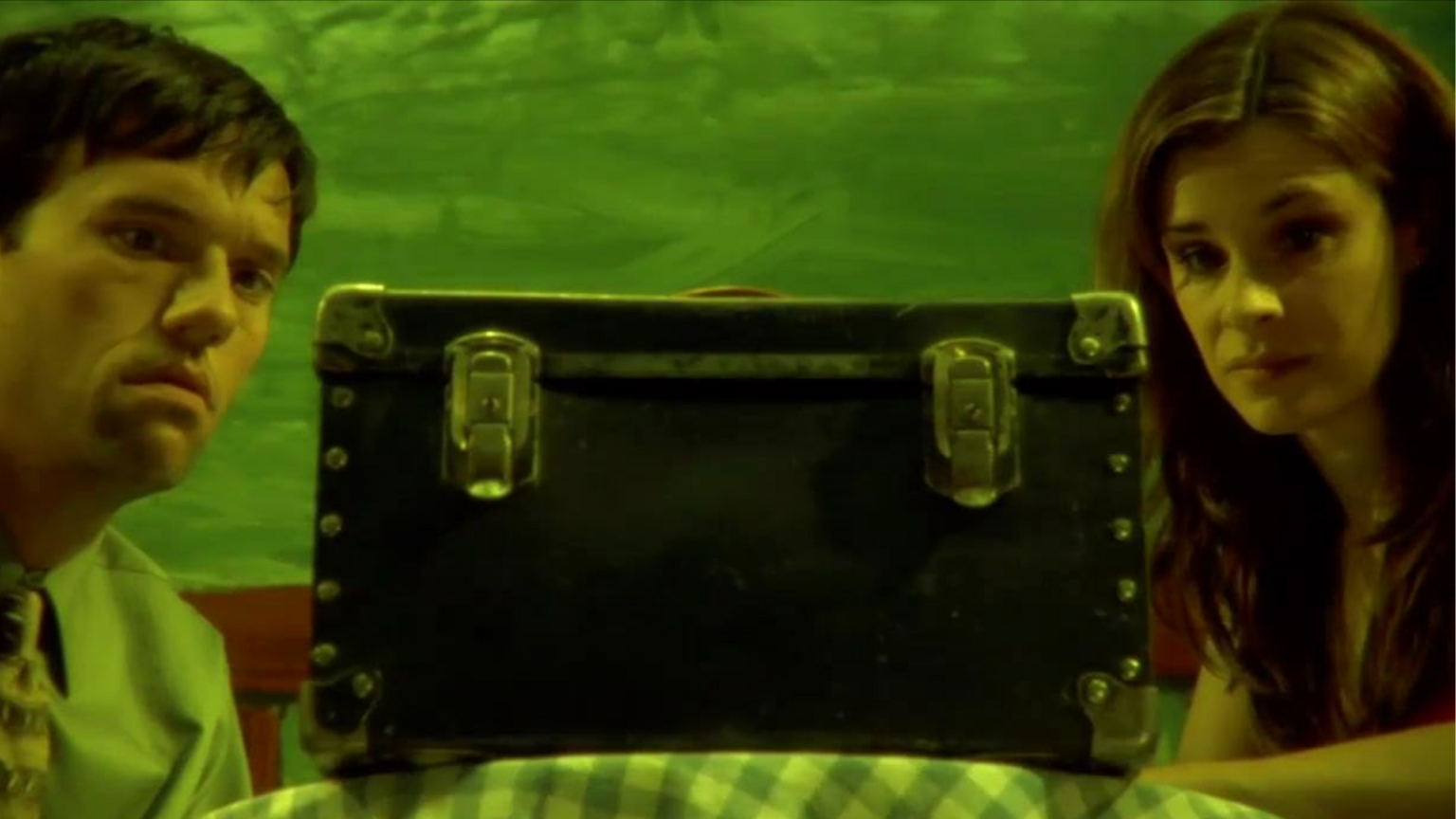
The year 2009 marked a pivotal transition for the horror genre, bridging the gap between traditional cinematic storytelling and the rise of modern digital distribution, high-definition home video, and viral marketing. Rather than being defined by a single dominant aesthetic, a 2009 horror film could range from ultra-low-budget supernatural found-footage phenomena to high-concept studio slasher revivals and atmospheric independent psychological thrillers. This era cemented the transition from analog scares to digitized terror, leaving behind a legacy that continues to influence contemporary filmmaking, box office strategies, and audience expectations.
The Historical Context of Horror in 2009
To understand the cinematic output of 2009, one must examine the broader cultural and technological shifts impacting the film industry at the close of the 2000s. The global financial crisis of 2007-2008 significantly tightened studio budgets, forcing Hollywood executives to seek high-return, low-cost productions. Horror films, traditionally viewed as reliable financial investments due to their modest production overheads, became prime vehicles for experimentation. Studios realized that audiences were hungry for visceral experiences that provided escapism without requiring massive capital investments.
Simultaneously, the distribution landscape was undergoing a digital revolution. The proliferation of digital cinema projection, the expansion of video-on-demand (VOD) services, and the early stages of online streaming began to disrupt the traditional theatrical window. For independent horror filmmakers, these platforms offered a vital lifeline, allowing movies that lacked massive marketing budgets to find dedicated niche audiences through viral word-of-mouth campaigns and internet communities.
Major Subgenres and Defining Movements
The horror landscape in 2009 can be categorized into several distinct subgenres, each reflecting different audience anxieties and technical capabilities of the era.
Found Footage and Pseudo-Documentary Style
The found-footage subgenre, which gained explosive momentum with The Blair Witch Project a decade earlier, experienced a massive resurgence and mainstream institutionalization in 2009. This was primarily propelled by the astronomical success of Paranormal Activity, which grossed nearly $200 million worldwide against a budget estimated at around $15,000. The film proved that audiences craved realism, minimal special effects, and raw, unsettling tension over glossy, CGI-heavy spectacles.
Torture Porn and the Splatter Subgenre
The mid-2000s wave of extreme, graphic horror—often colloquially labeled as "torture porn"—began to mature and shift by 2009. While franchises like Saw and Final Destination continued to release installments (Saw VI and The Final Destination both arrived in 2009), the market was becoming saturated. Filmmakers began injecting these properties with dark humor, self-aware meta-commentary, or psychological depth, preparing the ground for a transition away from relentless gore toward smarter, atmospheric dread.
Supernatural and Haunted House Revivals
Traditional supernatural horror received a sophisticated update around this time. Instead of relying purely on sudden jump scares, filmmakers focused on meticulous sound design, lingering dread, and domestic vulnerability. This laid the groundwork for the modern supernatural blockbusters of the 2010s, proving that audiences still feared the unseen specter lurking within the domestic sphere.
Comparative Overview of Notable 2009 Horror Releases
To illustrate the diversity of the genre during this period, the following table compares several prominent horror films released in 2009 across budget tiers, styles, and critical receptions.
| Film Title | Primary Subgenre | Estimated Budget | Box Office Performance | Distinctive Technical/Stylistic Feature |
|---|---|---|---|---|
| Paranormal Activity | Found Footage / Supernatural | $15,000 | ~$193.4 Million | Static household camera setups capturing invisible paranormal entities. |
| Zombieland | Horror Comedy / Post-Apocalyptic | $23.6 Million | ~$102.3 Million | Stylized on-screen graphic text, comedic survival rules, and fast-paced editing. |
| Drag Me to Hell | Supernatural / Body Horror | $30 Million | ~$90.8 Million | Practical creature effects combined with Sam Raimi’s signature kinetic camera work. |
| The House of the Devil | Psychological / Retro Slow Burn | $900,000 | Limited / VOD | Deliberate 1980s aesthetic, utilizing slow panning shots and vintage film stock looks. |
| Antichrist | Experimental / Psychological Art-House | ~$11 Million | ~$4.3 Million | Highly symbolic, visually arresting framing combined with explicit transgressive imagery. |
Production Technologies and Aesthetic Shifts
The technological tools available to filmmakers in 2009 heavily influenced the visual language of the year's horror output. High-definition digital video cameras were becoming cheaper and more accessible, allowing independent creators to achieve a clean, sharp look without the chemical processing costs of traditional 35mm celluloid film. Conversely, filmmakers like Ti West (The House of the Devil) actively sought out vintage lenses, lighting techniques, and framing styles to evoke the tactile warmth and grain of 1980s horror cinema.
Sound design also underwent a significant evolution. In 2009, low-frequency sound design—often utilizing sub-bass frequencies designed to induce physical unease or mild disorientation in theater audiences—became a standard tool for directors. This tactile auditory experience compensated for modest budgets, proving that what an audience heard was often more terrifying than what they could clearly see on screen.
Cultural Impact and Long-Term Legacy
The horror releases of 2009 played a crucial role in shaping the commercial viability of modern horror franchises and independent distribution models. Paranormal Activity changed how studios market films, utilizing crowdsourced geographic demand—where fans petitioned online to bring screenings to their local cities—to orchestrate a national rollout. This blueprint became standard practice for digital-era studio releases.
Furthermore, 2009 demonstrated that horror could successfully cross over into mainstream critical discourse. Art-house and festival entries proved that the genre could serve as a vehicle for profound philosophical exploration, trauma processing, and social commentary. This dual-track evolution—massive studio-backed micro-budget phenomena alongside prestige independent horror—remains the defining characteristic of the contemporary horror landscape.
Frequently Asked Questions
What made 2009 a significant year for the horror genre?
The year 2009 was significant because it bridged micro-budget viral distribution models with traditional studio filmmaking. It proved the commercial dominance of the found-footage format with Paranormal Activity while simultaneously producing acclaimed independent and retro-styled horror films that shaped the artistic direction of the genre for the next decade.
Which 2009 horror film was the most financially successful?
Paranormal Activity stands as the most financially successful horror film of 2009 relative to its cost. Produced for an estimated $15,000, it went on to gross over $190 million globally after being picked up and given a wide theatrical release by Paramount Pictures, making it one of the most profitable films in cinematic history.
Did 2009 rely heavily on sequels and franchises?
Yes, 2009 saw the continuation of several major horror franchises. Established properties such as Saw VI, The Final Destination (the fourth installment), Friday the 13th (a reboot), and Halloween II all released new entries, showcasing Hollywood's reliance on recognizable intellectual property during an economically uncertain period.
How did independent horror films find audiences in 2009?
Independent horror films in 2009 increasingly relied on early digital distribution platforms, video-on-demand services, and viral internet marketing. Filmmakers utilized festival circuits, specialized genre blogs, and social media platforms to generate organic word-of-mouth buzz before wide theatrical or home video rollouts.
Conclusion and Next Actions
Analyzing a 2009 horror film reveals much about the economic pressures, technological adaptations, and artistic experiments of the late 2000s entertainment industry. For researchers, screenwriters, and film enthusiasts looking to study this era further, the recommended next action is to examine the original production notes and financial breakdowns of breakout hits like Paranormal Activity alongside indie counterparts such as The House of the Devil. Comparing these contrasting methodologies offers invaluable insight into how limited resources can be maximized to evoke genuine terror on screen.