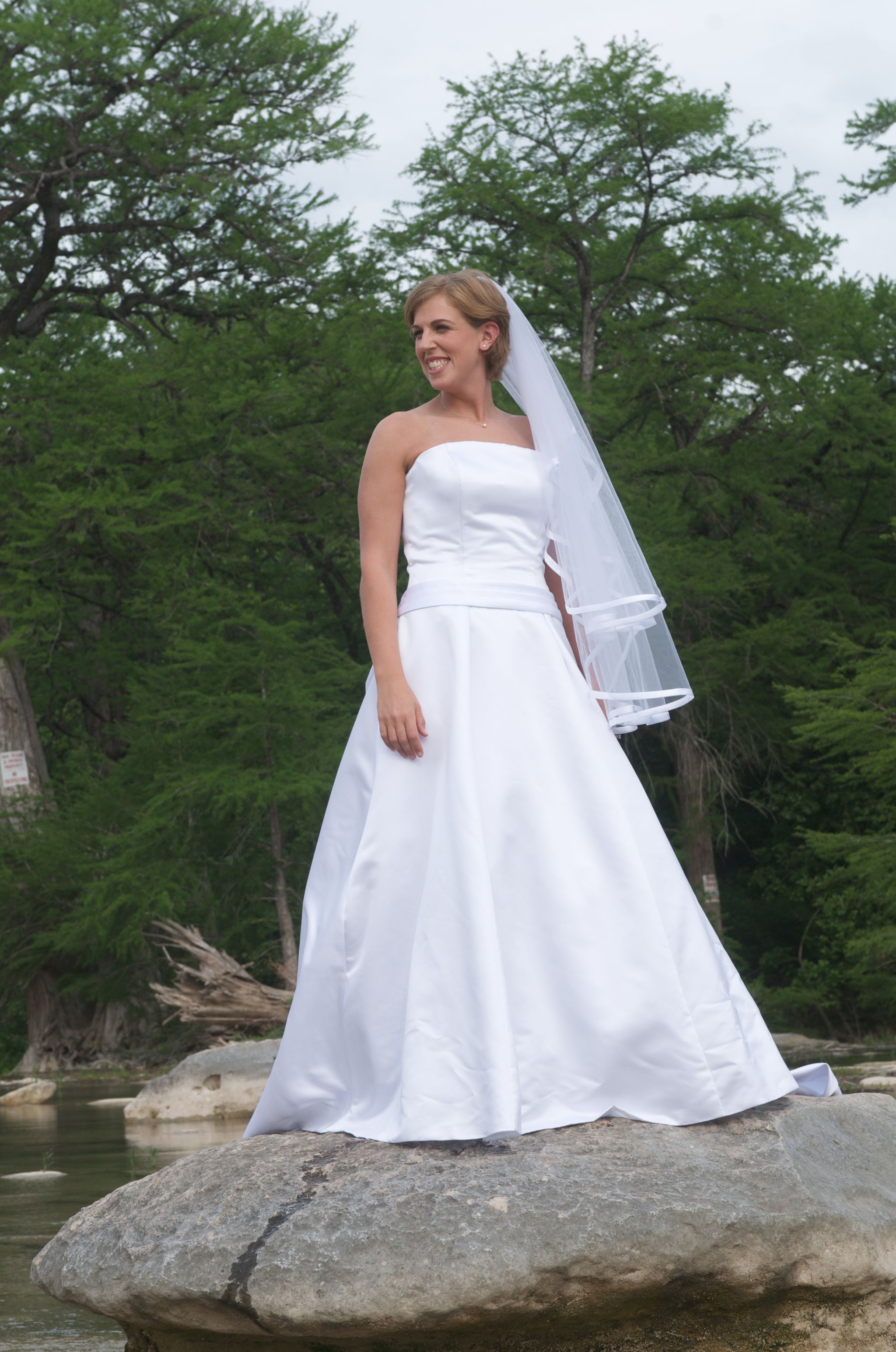
The year 2008 marked a pivotal transitional phase for weddings, standing at the crossroads of traditional analog planning and the dawn of the digital, social-media-driven era. Couples navigating matrimony during this period experienced a unique blend of classic elegance, emerging DIY aesthetics, and the early introduction of wedding-specific blogs and digital mood boards that would permanently alter how ceremonies were conceptualized and executed.
The Socio-Economic Backdrop of 2008 Weddings
To understand weddings held in 2008, one must first examine the broader economic and cultural climate of the time. The year was defined by the onset of the Great Recession, a severe global economic downturn that significantly impacted consumer spending, disposable income, and the wedding industry at large. Couples, vendors, and venues had to rapidly adapt to tightening budgets, leading to a noticeable shift away from ultra-lavish, ostentatious celebrations toward more intimate, resourceful, and value-driven events.
Despite financial constraints, the desire for personalization remained strong. Rather than relying entirely on traditional full-service event planners who commanded high luxury fees, many engaged couples took a hands-on approach. This environment inadvertently catalyzed the modern Do-It-Yourself (DIY) wedding movement, encouraging brides and grooms to craft their own decorations, source wholesale flowers, and enlist talented friends for photography or music.
Furthermore, 2008 represented a fascinating technological watershed. While smartphones were still in their infancy and platforms like Instagram and Pinterest did not yet exist to dictate real-time aesthetic trends, the digital landscape was rapidly evolving. The wedding industry was transitioning from heavy reliance on printed bridal magazines—such as InStyle Weddings and Modern Bride—to early digital pioneers like Style Me Pretty and various wedding planning forums (such as The Knot message boards). These digital outlets allowed couples to share ideas, critique vendor services, and discover independent designers outside of their immediate geographic regions for the first time.
Aesthetic Trends and Fashion of 2008
The visual identity of 2008 weddings carried distinct hallmarks that reflected both late-2000s fashion sensibilities and a growing rebellion against rigid, cookie-cutter ballroom receptions. Brides of this era walked down the aisle in gowns that bore the unmistakable influence of designers like Vera Wang, Monique Lhuillier, and Amsale.
Bridal Gown Silhouettes and Details
- Strapless Sweetheart Necklines: The strapless silhouette dominated the bridal market in 2008, with sweetheart and straight-across necklines reigning supreme.
- Taffeta and Organza: Fabrics favored during this era often featured heavy ruching, dramatic pick-up skirts, and structured taffeta that created voluminous, sculptural shapes.
- Sash and Ribbon Accents: A signature trend of the late 2000s was the inclusion of a contrasting colored sash—frequently black, chocolate brown, or deep burgundy—tied around the waist of an ivory or white gown.
- Tiers and Ruffles: Soft, cascading ruffles began to challenge the rigid ballgowns of the early 2000s, offering a more romantic, ethereal texture.
Groom and groomsmen fashion was similarly distinctive. The standard attire for formal evening weddings often featured traditional black or charcoal tuxedos, while daytime or outdoor ceremonies embraced lightweight khaki or tan suits. Neckwear choices frequently included wide silk ties or satin clip-on ascots, often color-coordinated with the bridal party's dresses in bold, saturated jewel tones.
Color Palettes and Decor Characteristics
The color palettes chosen for 2008 weddings moved away from the pastel-heavy schemes of the previous decade, favoring dramatic, high-contrast combinations. Popular choices included chocolate brown paired with aqua blue, sage green combined with plum, and classic black-and-white motifs accented with a single pop of vibrant color like red or hot pink.
Reception decor heavily featured elements that would soon become ubiquitous, alongside others that have since faded into nostalgia:
- Centerpieces: Tall, dramatic floral arrangements featuring cascading orchids or curly willow branches in oversized glass vases were the gold standard for luxury receptions. Conversely, rustic vintage trends were beginning to bubble up, utilizing mason jars, mismatched vintage vessels, and wildflower groupings.
- Lighting: The widespread adoption of colored LED uplighting transformed blank ballroom walls into washes of amber, blue, or purple, allowing couples to dramatically alter the mood of their reception spaces without extensive structural decor.
- Favors: Edible favors—such as personalized M&Ms, Jordan almonds in tulle bags, or small bottles of local wine and olive oil—were customary tokens of appreciation for guests.
Technological Integration and Guest Interaction
The way guests experienced and documented 2008 weddings looks drastically different from contemporary standards. Disposable cameras left on reception tables were still a primary method for capturing candid, guest-perspective moments. These plastic cameras required physical development at local photo labs weeks after the honeymoon, creating an element of suspense for the newlyweds.
At the same time, the early adoption of point-and-shoot digital cameras meant that guests began capturing higher-quality images, which were subsequently uploaded to early social networks like MySpace, Facebook, or personal web albums hosted on platforms like Flickr and Picasa. Professional wedding videography was transitioning from bulky VHS and early DVD formats to high-definition digital video discs (DVDs) complete with interactive menus, cinematic highlight reels, and music licensing.
| Feature / Element | 2008 Weddings | Modern Weddings (2026 Context) |
|---|---|---|
| Primary Inspiration Source | Print magazines, early blogs (Style Me Pretty), wedding forums | Instagram, Pinterest, TikTok, dedicated planning apps |
| Guest Photography | Disposable film cameras, early digital point-and-shoots | Smartphones, real-time photo sharing, custom wedding hashtags |
| Invitation Suites | Heavy reliance on traditional offset printing and local stationers | Digital save-the-dates, online RSVP tracking, custom websites |
| Reception Entertainment | Live bands and DJs utilizing physical CD binders or early laptops | Customized DJ-producer sets, live instrumental mashups, photo booths |
| Budget Management | Spreadsheet templates, paper organizers, cash/check payments | Integrated financial apps, digital invoicing, peer-to-peer payment platforms |
Legal and Logistical Frameworks
Planning a wedding in 2008 involved navigating administrative procedures that pre-dated digital government portals. Obtaining a marriage license required couples to visit local county clerk or vital statistics offices in person during restricted weekday business hours. Proof of identity, birth certificates, and in many jurisdictions, mandatory blood tests or notarized affidavits were standard statutory requirements before a license could be issued.
Vendor contracts were almost exclusively executed on physical paper with wet-ink signatures sent via mail or fax machines. Payment processing relied heavily on personal checks, cashier's checks, or direct bank transfers, as modern mobile merchant services and instant credit card processing apps were not yet available to independent florists, photographers, and caterers. This necessitated meticulous physical record-keeping and organized filing systems to track deposits, payment schedules, and cancellation clauses.
Frequently Asked Questions
What were the most popular wedding songs in 2008?
First-dance selections in 2008 heavily favored emotional pop ballads and contemporary acoustic tracks. Prominent songs included Jason Mraz's "I'm Yours," Colbie Caillat's "Bubbly," "Better Together" by Jack Johnson, and classic romantic staples like "At Last" by Etta James or Aerosmith's "I Don't Want to Miss a Thing."
How did couples manage their wedding registries in 2008?
Wedding registries were primarily tied to traditional brick-and-mortar department stores and home goods retailers such as Crate & Barrel, Macy's, Target, and Williams-Sonoma. Guests would visit physical stores to scan items with a handheld barcode device or call customer service phone lines to purchase gifts, though online registry integration on retailer websites was rapidly expanding.
What food and beverage trends dominated receptions in 2008?
Plated multi-course dinners featuring filet mignon and chicken breast with mushroom demi-glace were standard for formal receptions. Late-night snacks were also gaining popularity, with couples surprising guests toward the end of the evening with mini sliders, fries, or late-night pizza deliveries.
How did wedding photography change during this period?
The year 2008 sat squarely in the transition period between traditional, heavily posed studio photography and modern photojournalistic or "fine art" documentary styles. Photographers began utilizing digital SLR (DSLR) cameras capable of shooting in raw formats, allowing for advanced post-processing techniques and the creation of custom, bound digital flush-mount albums that replaced traditional slip-in photo albums.
Practical Legacy and Long-Term Impact
Reflecting on 2008 weddings provides valuable context for how the modern multi-billion-dollar wedding industry evolved. The financial pressures of that economic era forced a democratization of wedding planning, empowering couples to customize their celebrations rather than strictly adhering to rigid societal templates. The seeds planted in 2008—through early blogging communities, the rise of personalized DIY decor, and the integration of digital media—laid the essential groundwork for the hyper-connected, highly customized wedding planning landscape utilized today.