The 1980s timeline maps a transformative decade defined by the dawn of personal computing, shifting global superpowers, vibrant pop culture phenomena, and major economic restructuring that continues to influence modern society.
Introduction to the 1980s: An Era of Acceleration
The 1980s represented a profound bridge between the analog past and the digital future. Spanning from January 1, 1980, to December 31, 1989, this decade experienced rapid commercialization of technology, intense Cold War geopolitics, and the globalization of mass media and consumer culture. Understanding the chronology of the 1980s requires examining how technological breakthroughs, political upheavals, and cultural touchstones intersected.
Rather than a single uniform experience, the decade was characterized by stark contrasts: the rise of Wall Street corporate culture alongside the birth of independent underground music scenes; the intensification of the nuclear arms race followed by unprecedented disarmament treaties; and the transition of computers from room-sized mainframes into accessible household appliances.
Technological Revolutions and the Birth of Personal Computing
The most enduring legacy of the 1980s is the democratization of technology. Computing transitioned from an institutional luxury reserved for universities and government bodies into a consumer product.
The Personal Computer Boom
In August 1981, IBM introduced the IBM Personal Computer (Model 5150), establishing an industry standard that legitimized desktop computing in corporate environments. Running on Microsoft's MS-DOS operating system, the IBM PC created a massive ecosystem of compatible hardware and software.
Concurrently, Apple Computer launched the Macintosh in January 1984. Propelled by a famous Super Bowl commercial directed by Ridley Scott, the Macintosh popularized the graphical user interface (GUI) and the computer mouse, making digital tools intuitive for non-technical users. Home computers like the Commodore 64—released in 1982 and recognized as the best-selling single computer model of all time—brought affordable gaming and programming into millions of living rooms.
Telecommunications and Early Networks
While the World Wide Web was still years away from public release, the foundational infrastructure of modern networking expanded significantly during this period. In January 1983, the ARPANET officially adopted the TCP/IP protocol suite, establishing the technical framework for the modern internet.
In telecommunications, cellular technology took its first commercial steps. In October 1983, Ameritech Mobile Communications launched the first commercial cellular network in the United States using the DynaTAC 8000x, a mobile phone that weighed nearly two pounds and cost roughly $4,000 at the time.
Geopolitical Shifts and the End of the Cold War
Geopolitically, the 1980s began with heightened Cold War tensions and concluded with the dismantling of the Iron Curtain, fundamentally reshaping international relations.
Escalation and the Arms Race
The early years of the decade saw renewed friction between the United States and the Soviet Union. Following the 1979 Soviet invasion of Afghanistan, U.S. President Ronald Reagan—inaugurated in January 1981—adopted a hardline stance against the Soviet Union, referring to it as the "evil empire." The U.S. announced a boycott of the 1980 Summer Olympic Games in Moscow and initiated the Strategic Defense Initiative (SDI) in 1983, aiming to develop a space-based missile defense shield.
The Rise of Gorbachev and Détente
Geopolitical dynamics shifted dramatically in March 1985 when Mikhail Gorbachev became the General Secretary of the Communist Party of the Soviet Union. Gorbachev introduced two internal policies that transformed the USSR: glasnost (political openness) and perestroika (economic restructuring).
Through a series of historic summits in Geneva (1985), Reykjavik (1986), and Washington (1987), Reagan and Gorbachev negotiated the Intermediate-Range Nuclear Forces (INF) Treaty, eliminating an entire class of nuclear weapons. These diplomatic breakthroughs directly paved the way for the collapse of communist regimes across Eastern Europe at the end of the decade.
Cultural Milestones, Media, and Consumer Trends
Pop culture in the 1980s was characterized by hyper-visible commercialism, the explosion of cable television, and the global reach of cinema and music.
The MTV Generation
On August 1, 1981, Music Television (MTV) launched with the prophetic broadcast of the Buggles' "Video Killed the Radio Star." MTV revolutionized the music industry by linking audio recordings to narrative visual media, launching the global superstardom of artists like Michael Jackson, Madonna, Prince, and George Michael. Jackson's 1982 album Thriller became the best-selling album of all time, redefining music video production values and racial barriers in broadcasting.
Cinema and Home Entertainment
The decade defined the modern blockbusters, pioneered by directors like Steven Spielberg, George Lucas, and James Cameron. Franchises such as Star Wars (concluding the original trilogy with Return of the Jedi in 1983), Indiana Jones, Back to the Future (1985), and Terminator (1984) dominated global box offices. Simultaneously, the proliferation of the videocassette recorder (VCR) and VHS format transformed home entertainment, allowing consumers to curate personal film libraries and spawning the video rental store industry.
Chronological 1980s Timeline of Major Events
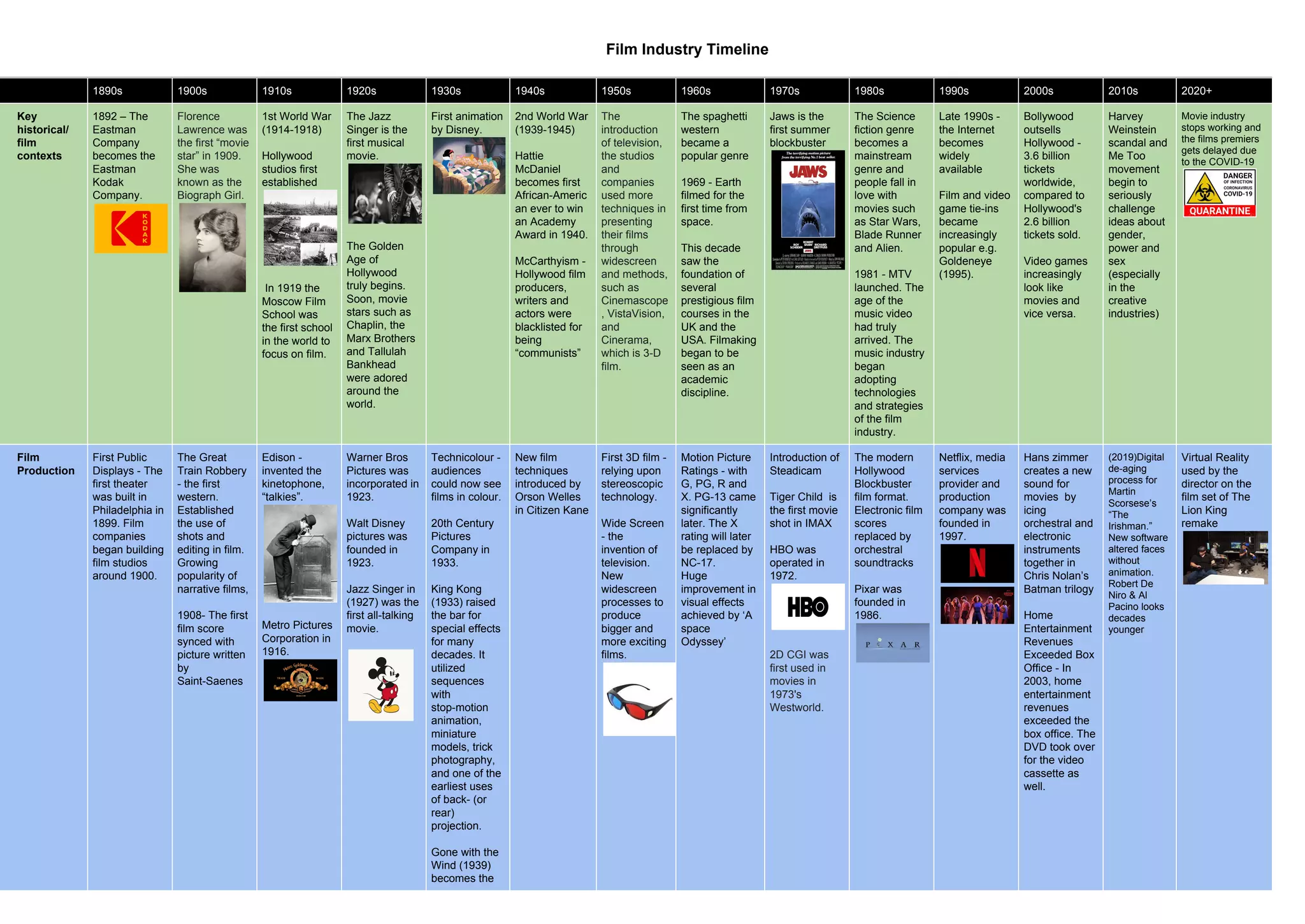
The following table details key technological, political, and cultural milestones year by year throughout the decade.
| Year | Major Political & Geopolitical Events | Technological Milestones | Cultural & Entertainment Milestones |
|---|---|---|---|
| 1980 | U.S. announces boycott of the Moscow Summer Olympics; Iraq invades Iran. | CNN launches as the world's first 24-hour all-news television channel. | The Empire Strikes Back premieres; the Rubik's Cube becomes a global craze. |
| 1981 | Ronald Reagan inaugurated; release of American hostages in Iran. | IBM introduces the IBM Personal Computer (PC); MTV begins broadcasting. | Prince Charles marries Lady Diana Spencer; MTV launches. |
| 1982 | Falklands War between the United Kingdom and Argentina. | Commodore 64 is released, becoming the best-selling computer of all time. | Michael Jackson releases Thriller; CD players debut commercially. |
| 1983 | U.S. invasion of Grenada; KAL Flight 007 shot down by Soviets. | ARPANET officially adopts TCP/IP, forming the basis of the internet. | Return of the Jedi releases; first commercial cell network launches. |
| 1984 | Indira Gandhi assassinated; Bhopal disaster in India. | Apple introduces the Macintosh computer with a graphical interface. | The Terminator premieres; compact discs surpass vinyl in popularity. |
| 1985 | Mikhail Gorbachev becomes leader of the Soviet Union. | Microsoft releases Windows 1.0; domain name system (.com) is created. | Live Aid benefit concerts held globally; Back to the Future released. |
| 1986 | Chernobyl nuclear disaster occurs in Soviet Ukraine. | First commercial laptop computers introduced by IBM and Toshiba. | Top Gun dominates box offices; space shuttle Challenger disaster. |
| 1987 | U.S. stock market experiences "Black Monday" crash. | The Montreal Protocol is signed to protect the ozone layer. | The Simpsons debuts as shorts on The Tracey Ullman Show. |
| 1988 | Pan Am Flight 103 bombed over Lockerbie, Scotland. | First transatlantic fiber-optic cable (TAT-8) put into service. | Rain Man wins Academy Award for Best Picture; rise of hip-hop mainstream. |
| 1989 | Fall of the Berlin Wall; student protests in Tiananmen Square. | Tim Berners-Lee proposes the World Wide Web at CERN. | Nintendo releases the Game Boy handheld gaming console. |
Economic Transformations and Market Shocks
The economic landscape of the 1980s was defined by deregulation, supply-side economics, and financial speculation.
Reaganomics and Thatcherism
In the United States and the United Kingdom—led by Prime Minister Margaret Thatcher—governments implemented economic policies focused on deregulation, privatization of state-owned industries, curbing inflation, and lowering marginal tax rates. While these policies successfully reduced high inflation rates inherited from the late 1970s, they also contributed to widening income inequality and significant growth in the national debt.
Black Monday (1987)
Financial markets experienced explosive growth throughout the mid-1980s, fueled by corporate mergers, leveraged buyouts, and computer-driven trading programs. This speculative bubble culminated on October 19, 1987—known as "Black Monday"—when global stock markets crashed precipitously. The Dow Jones Industrial Average plummeted by 22.6% in a single day, the largest one-day percentage drop in history, though central banks acted swiftly to provide liquidity and prevent a prolonged depression.
Frequently Asked Questions
What were the defining historical events of the 1980s?
The defining events included the escalation and subsequent thaw of the Cold War, the rise of conservative political leadership under Ronald Reagan and Margaret Thatcher, the Chernobyl nuclear disaster in 1986, and the fall of the Berlin Wall in November 1989, which signaled the impending collapse of the Soviet bloc.
When did personal computers become mainstream?
Personal computers became mainstream between 1981 and 1984. The introduction of the IBM PC in 1981 established business adoption, while the release of the affordable Commodore 64 in 1982 and Apple's user-friendly Macintosh in 1984 brought computing into households and schools on a massive scale.
How did music and entertainment change during the 1980s?
The entertainment industry was transformed by the launch of MTV in 1981, which elevated music videos to a primary promotional medium. In cinema, the decade popularized high-budget summer blockbusters, franchise filmmaking, and home video viewing through the widespread adoption of the VHS format.
What caused the stock market crash of 1987?
The crash of October 19, 1987, was driven by a combination of overvalued stock prices, rising interest rates, macroeconomic trade deficits, and the newly introduced automated program trading systems, which automatically executed sell orders as prices began to drop, accelerating the downward spiral.
How did the Cold War conclude at the end of the decade?
The Cold War wound down due to economic stagnation in the Soviet Union, internal reforms introduced by Mikhail Gorbachev (glasnost and perestroika), arms control treaties signed with the United States, and popular democratic revolutions across Eastern Europe that culminated in the opening of the Berlin Wall.
Next Actions and Further Exploration
To deepen your understanding of the 1980s timeline, examine primary archival documents from the Reagan Presidential Library, explore technological retrospectives published by the Computer History Museum, or review international relations records regarding the peaceful revolutions of 1989 in Eastern Europe. Evaluating these primary sources provides rigorous context for how the events of this pivotal decade continue to shape contemporary technology, politics, and culture.