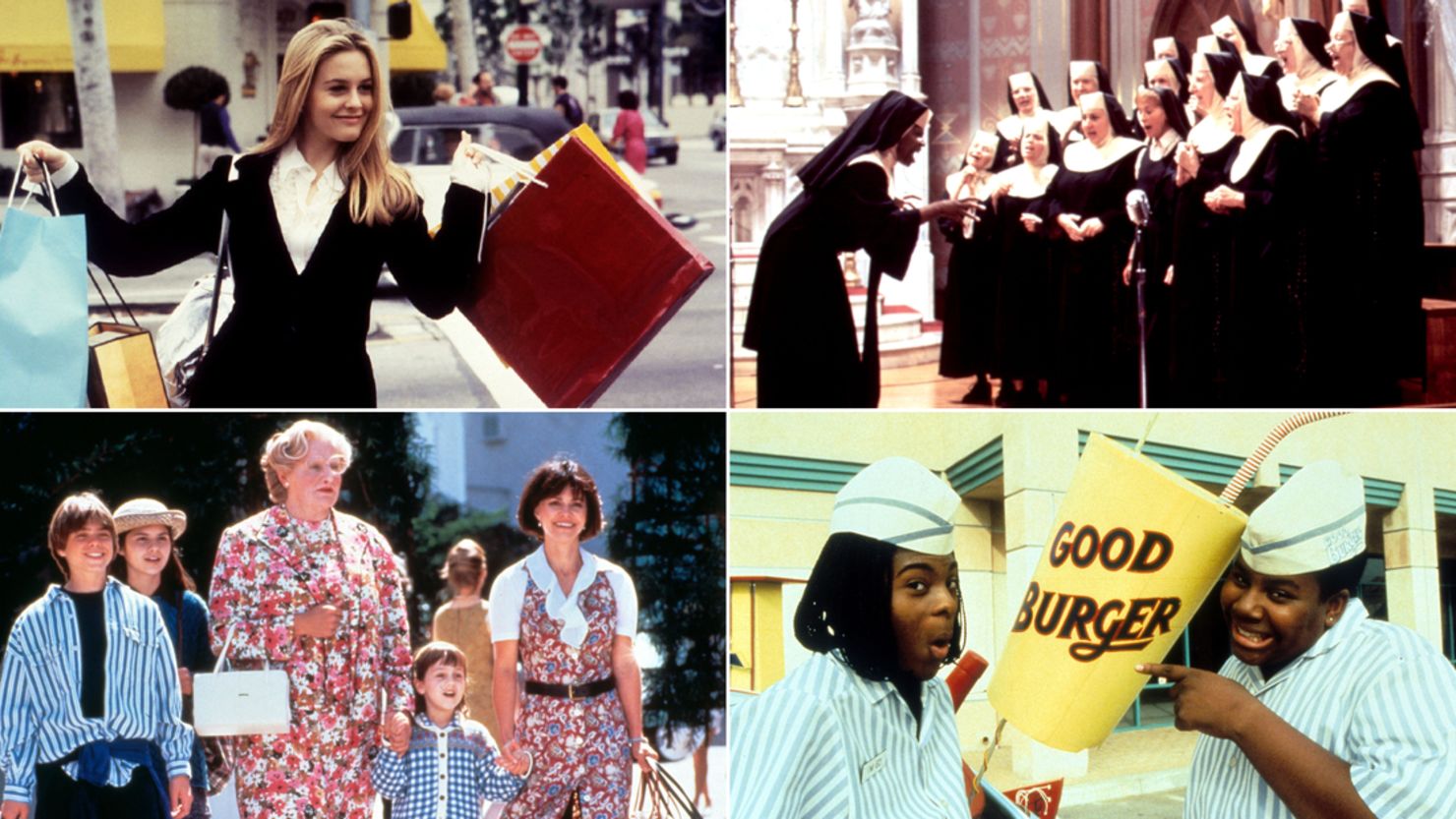
The 1990s comedy landscape was a transformative era defined by the transition from traditional, family-oriented sitcom formulas to cynical, self-aware, and subversive humor that dominated television, film, and stand-up stages. This decade successfully bridged the gap between late-20th-century mass media and the ironic, fragmented internet culture of the 21st century.
The Cultural and Media Landscape of 1990s Comedy
The comedy of the 1990s did not emerge in a vacuum; it was a direct reaction to the political conservatism, economic shifts, and media consolidation of the late 1980s. As cable television expanded its footprint and major broadcast networks—particularly NBC, FOX, and Comedy Central—competed for younger demographics, the definition of what could be funny expanded dramatically. The era moved away from the comforting, moralizing tropes of previous decades. Instead, it embraced ambiguity, absurdity, and the mundane realities of everyday urban life.
Television networks recognized that Generation X and younger Millennials craved content that reflected their skepticism toward traditional institutions like marriage, corporate careers, and suburban lifestyles. This cultural shift fostered an environment where risk-taking writers and performers could pitch unconventional premises. Shows that might have been rejected as too cynical or strange a decade earlier suddenly found prime-time slots and massive audiences.
The Sitcom Renaissance: From Family Values to Cynical Realism
The early part of the decade still clung to traditional family structures, but even those formats quickly mutated. Full House and Family Matters represented the tail end of the wholesome, hug-it-out aesthetic. However, the true seismic shift occurred when shows began subverting these very tropes. Roseanne challenged the sanitized depiction of the American working class by addressing financial struggle, marital friction, and domestic fatigue with sharp, unglamorous wit.
The pinnacle of this evolution was the emergence of the "show about nothing." Seinfeld revolutionized television by stripping away sentimental character growth and moral lessons, opting instead for meticulous observations of petty social conventions. This paved the way for a wave of workplace and peer-group comedies that prioritized rapid-fire banter and existential dread over heartwarming resolutions.
- Friends popularized the young-urban-ensemble format, blending romantic entanglements with apartment-sitcom mechanics.
- The Simpsons completely redefined animation, proving that a cartoon could tackle sophisticated satire, pop-culture parody, and emotional depth better than most live-action shows.
- In Living Color broke racial and social barriers with a high-energy, sketch-comedy format that launched the careers of numerous Black comedic icons and introduced cutting social satire to mainstream television.
Film Comedy Blockbusters and Indie Subversion
While television captured daily domestic habits, 1990s cinema split into two distinct comedic streams: high-concept studio blockbusters and anarchic independent cinema. Jim Carrey became a defining movie star of the decade by single-handedly reviving physical slapstick comedy, utilizing rubber-faced delivery and boundless energy in hits like Ace Ventura: Pet Detective, The Mask, and Liar Liar.
Simultaneously, the gross-out and stoner comedies of the era laid the groundwork for modern adult humor. Films like Wayne's World translated Gen X slacker culture and music obsession into mainstream box-office gold, while the Farrelly brothers pushed the boundaries of mainstream taste with Dumb and Dumber and There's Something About Mary.
| Sub-Genre | Representative Title(s) | Primary Style / Characteristic | Cultural Impact |
|---|---|---|---|
| Observational Sitcom | Seinfeld, Frasier | Mundane social gripes, verbal wit, high-brow/low-brow blend | Redefined television writing and syndication economics. |
| Physical Slapstick | Ace Ventura, The Mask | Exaggerated body humor, rubber-faced acting, manic energy | Established Jim Carrey as a global box-office phenomenon. |
| Sketch & Satire | In Living Color, The State | Edgy, counter-cultural sketches, rapid-fire pacing | Diversified television casts and launched multi-media careers. |
| Slacker / Cult | Wayne's World, Office Space | Cynical corporate critique, quotable catchphrases, music-driven | Validated youth apathy and anti-establishment workplace attitudes. |
The Golden Age of Stand-Up and Cable Comedy
The 1990s was also a golden era for stand-up comedy, fueled heavily by the explosive growth of HBO comedy specials and the launch of Comedy Central in 1991. Stand-up transitioned from the polished, prop-heavy routines of the 1980s nightclub scene into confessional, observational, and sometimes aggressively confrontational art forms.
Comedians like Chris Rock, Dave Chappelle, Janeane Garofalo, and Bill Hicks utilized the stage as a platform for sharp cultural criticism, race relations, and political dissent. Chris Rock's landmark HBO specials forced uncomfortable conversations about race and class into the American living room. Meanwhile, alternative comedy rooms began sprouting up in cities like Los Angeles and New York, rejecting traditional joke structures in favor of ironic detachment, performance art, and anti-comedy.
Comparative Overview of 1990s vs. Modern Comedy
To understand the unique footprint of 1990s comedy, it helps to examine how it compares to the contemporary comedic landscape. The production constraints, technological limitations, and cultural sensitivities of the 1990s created an environment vastly different from today's streaming-dominated industry.
- Distribution and Pacing: 1990s television relied on weekly broadcast schedules and standard 22-episode seasons, forcing writers to balance serialized character arcs with standalone episodes. Modern streaming comedy often utilizes tight 8-to-10-episode narrative arcs that resemble long-form films.
- Censorship and Boundaries: While 1990s broadcast networks operated under strict Federal Communications Commission (FCC) guidelines, cable networks and independent films pushed boundaries through profanity, sexual candor, and dark satire that would later influence the "Prestige TV" boom.
- Interactivity: 1990s comedy was consumed passively via appointment viewing and physical media (VHS tapes). Today's comedy thrives on viral meme culture, social media reactions, and algorithmic content delivery.
Frequently Asked Questions
What made 1990s sitcoms different from those in the 1980s?
While 1980s sitcoms heavily emphasized wholesome family units, clear moral lessons, and sentimental resolutions, 1990s sitcoms embraced cynicism, flawed protagonists, and mundane observations. Shows like Seinfeld and Roseanne deliberately rejected heartwarming endings in favor of realism and sharp irony.
How did alternative comedy emerge during this decade?
Alternative comedy grew as a backlash against mainstream, slick 1980s club stand-up. Comedians in small, underground venues began experimenting with deadpan delivery, anti-humor, and surrealism, paving the way for modern indie comedy styles seen on platforms today.
Why is Jim Carrey considered a defining comedic icon of the 1990s?
Jim Carrey bridged the gap between classic silent-film physical comedy and modern high-concept cinema. His unprecedented run of box-office hits in 1994 (Ace Ventura, The Mask, and Dumb and Dumber) revitalized physical comedy and proved that a single performer's manic energy could drive a Hollywood blockbuster.
What role did cable networks play in shaping 1990s humor?
The rise of Comedy Central and dedicated HBO stand-up specials allowed comedians to bypass traditional broadcast censorship. This freedom fostered edgier, more specialized content, giving rise to uncensored political satire, raw social commentary, and diverse comedic voices.
Conclusion and Legacy
The comedy of the 1990s established a blueprint for modern humor, blending sharp cynicism, media self-awareness, and structural experimentation. Its legacy endures not only through endless streaming loops and quotable catchphrases, but in its profound influence on how contemporary society processes media, culture, and everyday absurdity. Whether analyzing the meticulous plotting of a 90s sitcom script or revisiting the boundary-pushing stand-up specials of the era, the decade remains a foundational pillar of modern entertainment history.