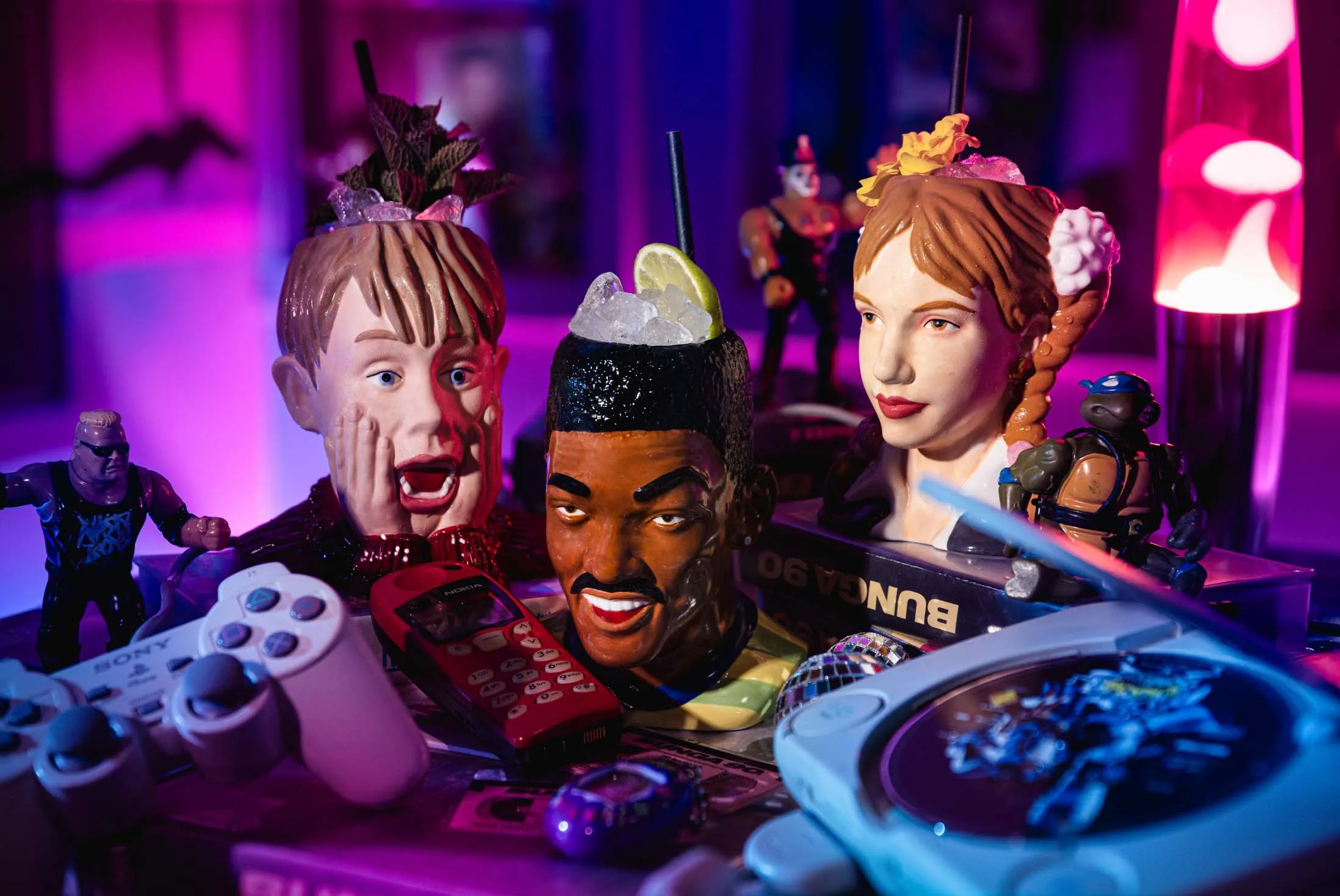
1990s culture represents a dynamic transitional era defined by the rapid commercialization of the internet, a grunge-led shift in alternative rock, breakthrough independent cinema, and distinct minimalist yet neon-infused fashion trends that continue to influence contemporary lifestyle and design.
The decade spanning from January 1, 1990, to December 31, 1999, remains a unique watershed moment in modern history. Situated between the analog traditions of the late 20th century and the hyper-connected digital landscape of the 2000s, 1990s culture captures a society in motion. It was an era when dial-up modems first connected ordinary households to the World Wide Web, cellular phones transformed from bulky bricks into pocket-sized devices, and youth subcultures aggressively rejected the excess of the 1980s in favor of raw authenticity, irony, and technological optimism. Understanding this decade requires looking past nostalgia to examine the technological breakthroughs, media landscapes, fashion movements, and socioeconomic shifts that forged a new cultural paradigm.
The Technological Inflection Point: Analog Roots and Digital Horizons
The cultural texture of the 1990s was fundamentally shaped by an unprecedented collision between dying analog formats and nascent digital technologies. For the first half of the decade, daily life relied heavily on physical media: VHS tapes for home video, cassette tapes and compact discs for music, landline telephones for social coordination, and printed encyclopedias for academic research.
By the mid-to-late 1990s, the widespread adoption of personal computers and the commercialization of the internet began to dismantle these analog structures. Tim Berners-Lee’s invention of the World Wide Web matured into a public utility, giving rise to early web browsers like Netscape Navigator and search engines like Yahoo! and eventually Google, founded in 1998. This digital migration altered how people consumed information, communicated across distances, and formed communities. Yet, the experience remained tethered to the physical world through the screech of dial-up tones, the careful conservation of hard drive space, and the necessity of being physically present at a desktop computer to access online spaces.
Concurrently, consumer electronics underwent a massive miniaturization and accessibility boom. Sony's Discman and Nintendo's Game Boy became ubiquitous cultural artifacts, allowing entertainment to become genuinely portable for the first time on a mass scale. The introduction of the DVD format in 1996 initiated the slow obsolescence of VHS, while digital cameras began to threaten traditional film photography, foreshadowing the visual saturation of the twenty-first century.
Musical Revolutions: From Seattle Grunge to the Rise of Pop and Hip-Hop
The musical landscape of the 1990s was characterized by violent pendulum swings between anti-establishment angst and hyper-polished commercial pop. The decade opened with the explosion of the Seattle grunge movement, spearheaded by bands like Nirvana, Pearl Jam, Soundgarden, and Alice in Chains. Rejecting the hair metal gloss and stadium excess of 1980s rock, grunge introduced a raw, introspective aesthetic marked by distorted guitar riffs, flannel shirts, and lyrics dealing with alienation, apathy, and existential angst. The mainstreaming of alternative rock paved the way for massive music festivals like Lollapalooza and created a cultural counterweight to corporate music production.
Simultaneously, hip-hop transitioned from an urban underground phenomenon into a dominant global commercial force. The decade witnessed the golden age of hip-hop, defined by the lyrical dexterity of artists like Nas, The Notorious B.I.G., Tupac Shakur, and Wu-Tang Clan. Regional rivalries between the East Coast and West Coast dominated media headlines, while the genre continuously reinvented itself through jazz-rap fusions, G-funk synthesizers, and socially conscious storytelling.
In the latter half of the decade, the pendulum swung sharply back toward manufactured pop music. The global success of the Spice Girls, the Backstreet Boys, Britney Spears, and *NSYNC ushered in a multi-million-dollar teen pop boom. Fueled by catchy hooks, synchronized choreography, and heavy rotation on MTV's Total Request Live (TRL), these acts defined the adolescent experience of the late 1990s and established the blueprint for modern pop superstardom.
Cinema, Television, and the Golden Age of Independent Film
The film industry in the 1990s experienced a dual renaissance: a technological leap in computer-generated imagery (CGI) and an unprecedented explosion of independent cinema. The release of Steven Spielberg’s Jurassic Park in 1993 revolutionized visual effects, proving that photorealistic digital creatures could anchor a blockbuster film and permanently altering the trajectory of action and sci-fi cinema. This technological trajectory culminated in James Cameron’s Titanic (1997), which broke global box office records through a combination of scale, practical effects, and pioneering digital water simulations.
Parallel to the blockbuster machine, the indie film movement flourished, largely catalyzed by the success of Quentin Tarantino’s Reservoir Dogs (1992) and Pulp Fiction (1994), alongside works by directors like Richard Linklater, Spike Lee, and Paul Thomas Anderson. These films brought non-linear storytelling, sharp, stylized dialogue, and gritty antiheroes into the mainstream cinematic lexicon.
On television, the 1990s laid the groundwork for the modern prestige TV era while dominating watercooler culture with syndicated sitcoms and dramas. Shows like Friends, Seinfeld, and The Fresh Prince of Bel-Air captured the domestic and social realities of urban life, generating massive, globally shared viewing experiences. Meanwhile, genre-defining television such as The X-Files and Twin Peaks challenged traditional narrative structures, cultivating obsessive fan communities on early internet message boards and Usenet groups.
Fashion Evolution: Minimalism, Streetwear, and Anti-Fashion
Fashion in the 1990s moved away from the structured power suits and vibrant excess of the 1980s toward two distinct ideological poles: austere minimalism and rebellious anti-fashion. Early-decade fashion was heavily influenced by the grunge movement, characterized by thrift-store cardigans, ripped jeans, combat boots, and layered flannel. This aesthetic was famously encapsulated by high-fashion designer Marc Jacobs' 1993 grunge collection for Perry Ellis, which bridged the gap between street subculture and runway couture.
As the decade progressed, minimalism took hold, championed by designers like Calvin Klein, Helmut Lang, and Jil Sander. Clean lines, neutral color palettes, slip dresses, and unadorned silhouettes dominated editorial magazines and red carpets. This period also gave rise to the "heroin chic" modeling aesthetic, which traded the athletic supermodels of the 1980s for pale, gaunt, and androgynous figures.
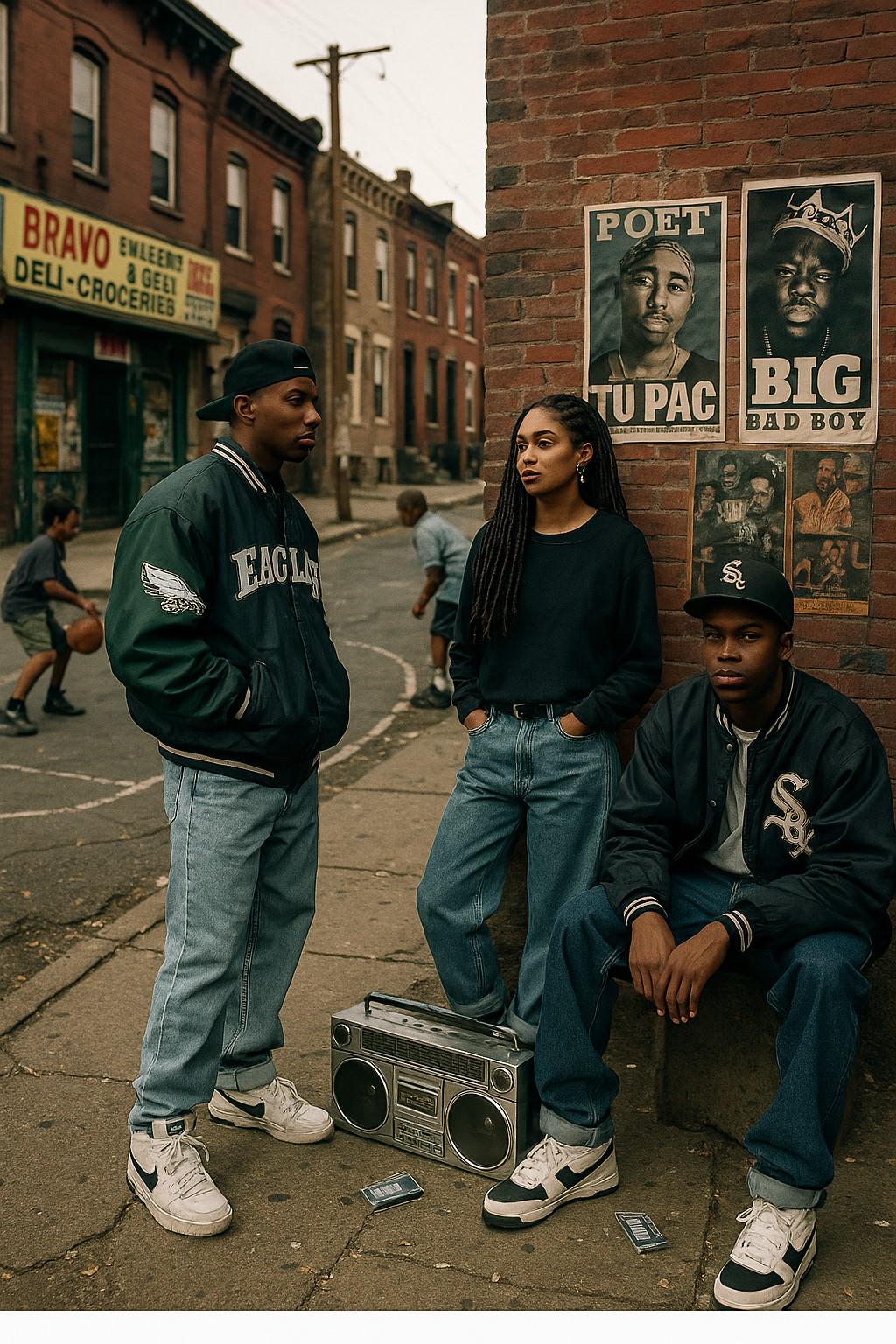
Concurrently, urban streetwear emerged as a major cultural force, heavily influenced by hip-hop artists, skate culture, and athletic brands. Oversized denim jeans, graphic hoodies, windbreakers, sneakers from brands like Nike, Adidas, and Reebok, and backwards baseball caps became the universal uniform of youth culture worldwide, permanently altering the boundary between athletic wear and casual daily attire.
Cultural Artifacts and Media Comparison
| Category | Early 1990s (1990–1994) | Late 1990s (1995–1999) |
|---|---|---|
| Primary Music Formats | Cassette tapes, emerging Compact Discs (CDs) | Dominant Compact Discs (CDs), early MP3 file sharing (Napster launched 1999) |
| Communication | Landline phones, answering machines, pagers | Widespread mobile phones (Nokia, Ericsson), early email, AOL instant messaging |
| Home Entertainment | VHS tapes, cathode-ray tube (CRT) televisions | Transition to DVDs (launched 1996), cable television expansion |
| Information Access | Physical libraries, printed encyclopedias, early dial-up bulletin board systems (BBS) | Commercial web browsers, search engines, early ecommerce (Amazon, eBay) |
| Dominant Youth Subcultures | Grunge, skater subculture, rave culture | Pop revival, cyber-culture, nu-metal |
Frequently Asked Questions About 1990s Culture
What were the defining technological milestones of the 1990s?
The decade's most significant technological milestones included the commercialization of the World Wide Web, the widespread adoption of personal computers in households, the transition from analog cassette tapes to compact discs, and the introduction of DVD technology. These innovations laid the groundwork for the modern digital economy and transformed everyday communication and entertainment.
How did music change between the beginning and the end of the 1990s?
The early 1990s were dominated by alternative rock and grunge, which rejected corporate polish in favor of raw guitars and angst-ridden lyrics, alongside the rise of golden-age hip-hop. By the late 1990s, the music industry shifted back toward glossy, commercial teen pop acts such as Britney Spears and the Backstreet Boys, heavily promoted by MTV and radio syndication.
What influenced 1990s fashion trends?
Fashion was heavily polarized between grunge anti-fashion (thrifted clothes, flannel, combat boots) and stark minimalism (neutral tones, slip dresses, clean lines). Additionally, urban streetwear driven by hip-hop culture and skateboarding introduced oversized silhouettes and branded athletic wear into mainstream wardrobes.
Why is 1990s culture experiencing a resurgence today?
Generational nostalgia typically operates on a 20-to-30-year cycle, meaning individuals who grew up in the 1990s are now in positions of cultural and economic influence. Furthermore, the 1990s represent a distinct "last analog generation" period, viewed by younger generations as a simpler, pre-smartphone era characterized by tangible physical media and face-to-face social interaction.
What role did television play in 1990s society?
Television served as a primary anchor for shared cultural experiences through massive weekly sitcom broadcasts like Friends and Seinfeld, groundbreaking sci-fi series like The X-Files, and music video programming on MTV. These broadcasts created unified cultural touchstones before media consumption became heavily fragmented by streaming services.
Conclusion and Recommendations for Further Exploration
1990s culture remains a foundational pillar of contemporary media, design, and social behavior. To deepen your understanding of this era, explore primary sources such as contemporary issues of print magazines, digitized archives of early internet forums via the Wayback Machine, landmark cinema from both the indie and blockbuster booms, and comprehensive oral histories of the music and technology industries. Examining these artifacts provides crucial context for how modern digital and consumer societies were constructed.