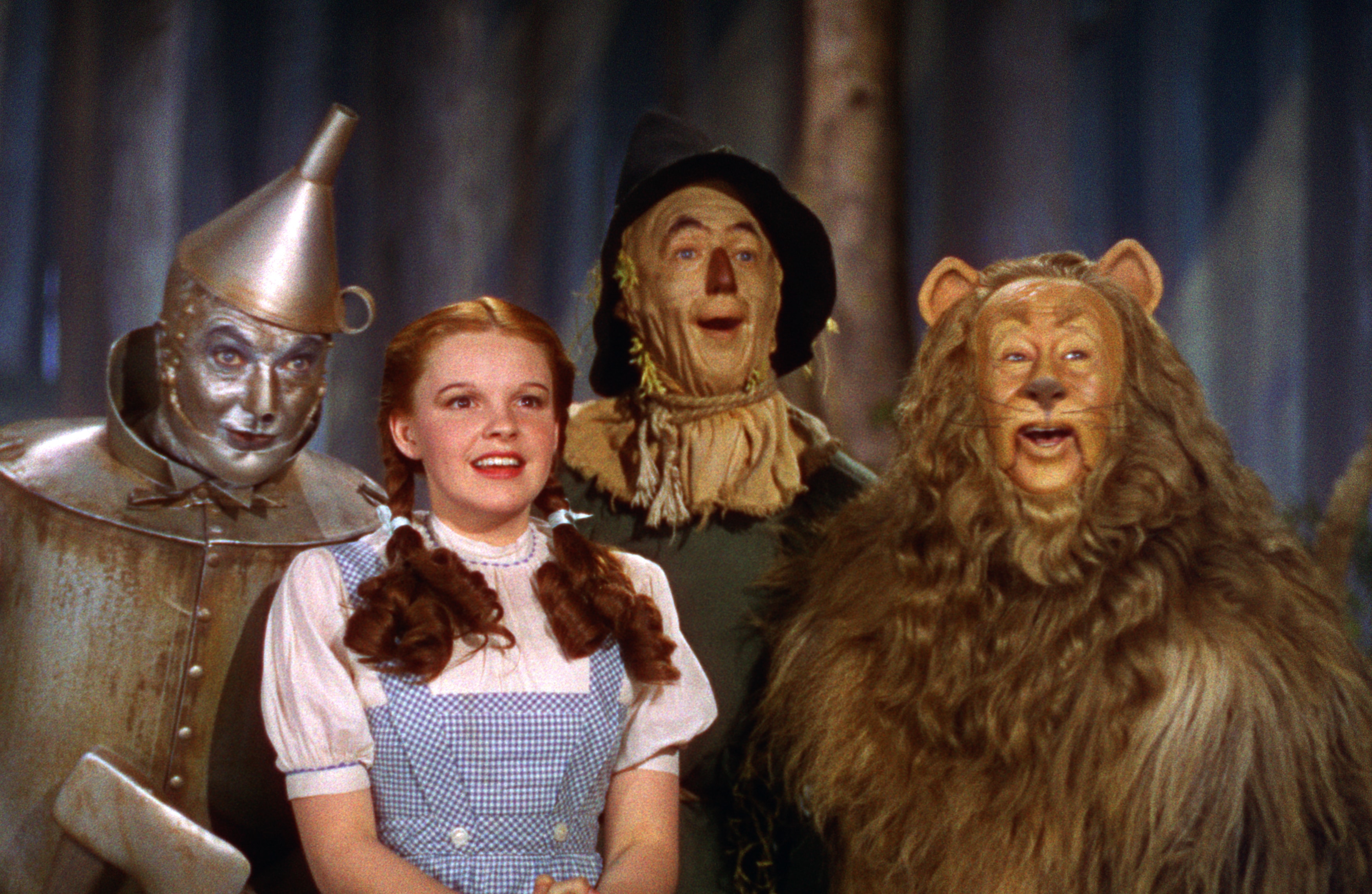
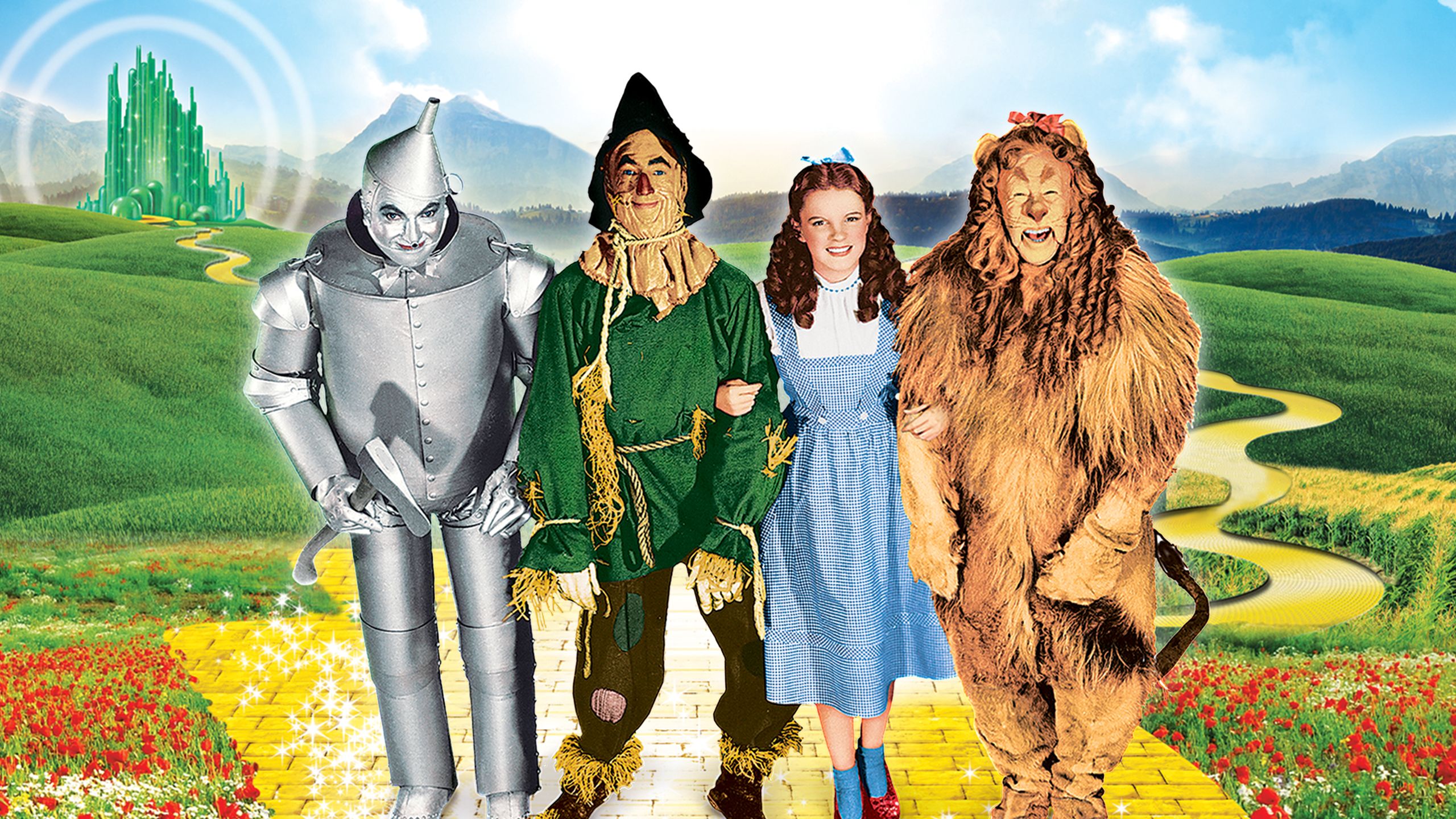
The year 1939 remains the most significant milestone in the history of cinema, often referred to as the "greatest year in film history." It represents the zenith of the Golden Age of Hollywood, characterized by an unprecedented convergence of technical innovation, narrative sophistication, and the maturation of the studio system, providing a foundation for modern filmmaking standards.
The Convergence of Narrative and Technical Maturity
By 1939, the film industry had moved past the experimental phase of early talkies and the economic fragility of the Great Depression. The studio system, governed by the "Big Five" studios—MGM, Paramount, Warner Bros., 20th Century Fox, and RKO—had reached a level of vertical integration that allowed for massive investment in high-budget productions. This structural stability meant that studios could allocate significant resources toward long-term projects, fostering an environment where directors, writers, and cinematographers could push the boundaries of their respective crafts.
The technical proficiency of 1939 films is best illustrated by the transition from simple black-and-white cinematography to complex, narrative-driven color palettes. The refinement of the three-strip Technicolor process allowed filmmakers to use color not merely as a novelty, but as a storytelling tool. When viewers track the evolution of visual language from the monochrome sepia of rural Kansas to the hyper-saturated vibrancy of the Land of Oz in The Wizard of Oz, they are witnessing the industry's ability to manipulate audience psychology through light and chemistry.
Defining Works of the 1939 Calendar Year
To understand why 1939 is singular, one must examine the depth of its output. Unlike contemporary eras where "event films" are spaced out to ensure box-office dominance, 1939 featured a density of iconic releases that would be impossible to replicate under current market conditions.
The primary titles defining this year include:
- Gone with the Wind: A landmark in epic storytelling that tested the limits of runtime, production design, and massive scale in color.
- The Wizard of Oz: A masterclass in musical integration and practical special effects, setting the template for the high-fantasy blockbuster.
- Stagecoach: Directed by John Ford, this film redefined the Western genre, moving it from B-movie status to a medium for serious adult drama and complex character study.
- Mr. Smith Goes to Washington: A pivotal work in political drama that utilized the medium to critique governance, showcasing the power of film to influence public discourse.
- Wuthering Heights: An exploration of Gothic atmosphere and literary adaptation that solidified the prestige drama as a staple of the studio repertoire.
Comparative Analysis of Production Scope
The following table compares key technical and thematic elements of the era's most prominent films to highlight the diversity of the 1939 catalog.
| Film Title | Genre | Primary Technical Innovation | Thematic Focus |
|---|---|---|---|
| Gone with the Wind | Epic/Romance | Three-strip Technicolor at scale | Survival & Social Change |
| The Wizard of Oz | Fantasy/Musical | Integrated color/monochrome shift | Escapism & Development |
| Stagecoach | Western | Deep focus & wide-angle tracking | Social Dynamics & Honor |
| Mr. Smith Goes to Washington | Political Drama | Dialogue-heavy narrative pacing | Institutional Integrity |
| Wuthering Heights | Gothic Romance | Shadow-based atmospheric lighting | Fatalistic Passion |
The Mechanics of the Studio System
The output of 1939 was not merely the result of individual genius but the product of an intensive, factory-like studio system. Each major studio operated on a contract basis, meaning that actors, directors, and technical crews were essentially salaried employees. This allowed for a constant, rhythmic production schedule that prioritized the quality of the "house style."
In 1939, this meant that resources—such as costumes, sets, and lighting equipment—were shared across projects, driving down costs while increasing visual fidelity. For instance, the vast backlots owned by studios like MGM enabled filmmakers to construct entire miniature cities or complex environments that would be prohibitively expensive to build today without reliance on digital compositing. The technical depth of these films was achieved through physical craftsmanship: hand-painted backdrops, intricate practical models, and meticulous frame-by-frame matte painting.
The Intersection of Film and Social Context
While 1939 films are often viewed through the lens of pure entertainment, they were deeply reflective of the socio-political climate of the late 1930s. As Europe drifted toward war, American cinema served as a crucial source of national cohesion. Films like Mr. Smith Goes to Washington reinforced democratic ideals, while others provided necessary emotional relief.
The audience of 1939 was remarkably consistent, with weekly movie-going being a primary ritual for the majority of Americans. This ubiquity allowed cinema to act as a shared language. When a film premiered in 1939, it was not just a product; it was a cultural event that reached a massive, synchronous demographic, creating a unified pop-culture touchstone that modern fractured media landscapes struggle to replicate.
Addressing Common Misconceptions
It is a common error to view the 1939 film slate as an anomaly that occurred in a vacuum. In reality, it was the culmination of the preceding decade's technical and creative trials. The success of these films was the result of the transition from the silent era to sound, and the eventual mastery of the "talkie" format.
Furthermore, some critics suggest that the quality of these films was solely due to the lack of competition. Evidence suggests the opposite: the competition between the major studios was fierce, driving each studio to "one-up" the other in terms of production value and talent acquisition. This competitive pressure, rather than lack of external options, served as the primary catalyst for the creative peak observed in 1939.
Evaluating the Preservation and Viewing Experience in 2026
For a modern viewer or researcher in 2026, the study of 1939 film requires navigating the transition from analog film stock to digital restoration. Many of these titles have been preserved through photochemical processes and subsequent 4K or 8K digital scans. When viewing these films, it is essential to distinguish between the original intent of the cinematography—which utilized specific film speeds and lighting gels—and the "cleaned up" look of modern high-definition transfers.
To engage with these films at the highest level of appreciation:
- Source Verification: Ensure the version you are accessing is a restored edition, ideally sourced from original negatives.
- Contextual Research: Supplement the viewing with contemporary trade publications from 1939, such as Variety or The Hollywood Reporter, to understand the original critical reception.
- Technical Analysis: Focus on how lighting setups were managed without the benefit of digital light correction, noting the use of "key," "fill," and "back" lighting to define characters in space.
Frequently Asked Questions
Why is 1939 considered the best year in film history? The designation arises from the sheer density of critically acclaimed, culturally resonant, and technically innovative films released in a single 12-month period, including Gone with the Wind and The Wizard of Oz. It represents a unique alignment of creative talent, studio resource allocation, and a massive, captive audience.
Were these films primarily in color or black and white? While 1939 was a pivotal year for color, the majority of films were still produced in black and white. The shift to color was an expensive, specialized choice reserved for high-budget spectacles, making the use of Technicolor in 1939 an indicator of a film's prestige and production scale.
How did the studio system affect the quality of 1939 films? The studio system provided the capital and infrastructure necessary for long-term production schedules. By keeping actors and creative staff under exclusive contracts, studios could ensure consistency in performance and visual style, allowing for a level of polish that remains the gold standard for classic Hollywood production.
Are 1939 films still relevant for modern filmmakers? Yes, these films serve as the foundational texts for contemporary cinematography, lighting, and narrative pacing. Many of the techniques established in 1939—such as the three-point lighting setup and the use of the "MacGuffin" in storytelling—remain the building blocks of modern film education.
How can I verify the historical accuracy of 1939 film trivia? For verifiable data, consult the American Film Institute (AFI) archives or the Academy of Motion Picture Arts and Sciences records. These institutions maintain original production manifests, budget reports, and release documentation that serve as the primary source of truth for the 1939 era.
Recommendations for Further Engagement
If you are looking to deepen your understanding of 1939 cinema, start by conducting a comparative screening of Stagecoach and Gone with the Wind. Note how both films utilize wide-scale landscape shots to establish narrative stakes, yet approach character development from vastly different thematic angles. Researchers should focus on the studio archive collections held by the Academy of Motion Picture Arts and Sciences, which offer an unparalleled look at the memos, casting lists, and financial logs that defined this era. By treating these films not just as art, but as industrial products of the 1939 economic landscape, you will gain a much clearer understanding of how the medium achieved its status as the most influential form of 20th-century entertainment.