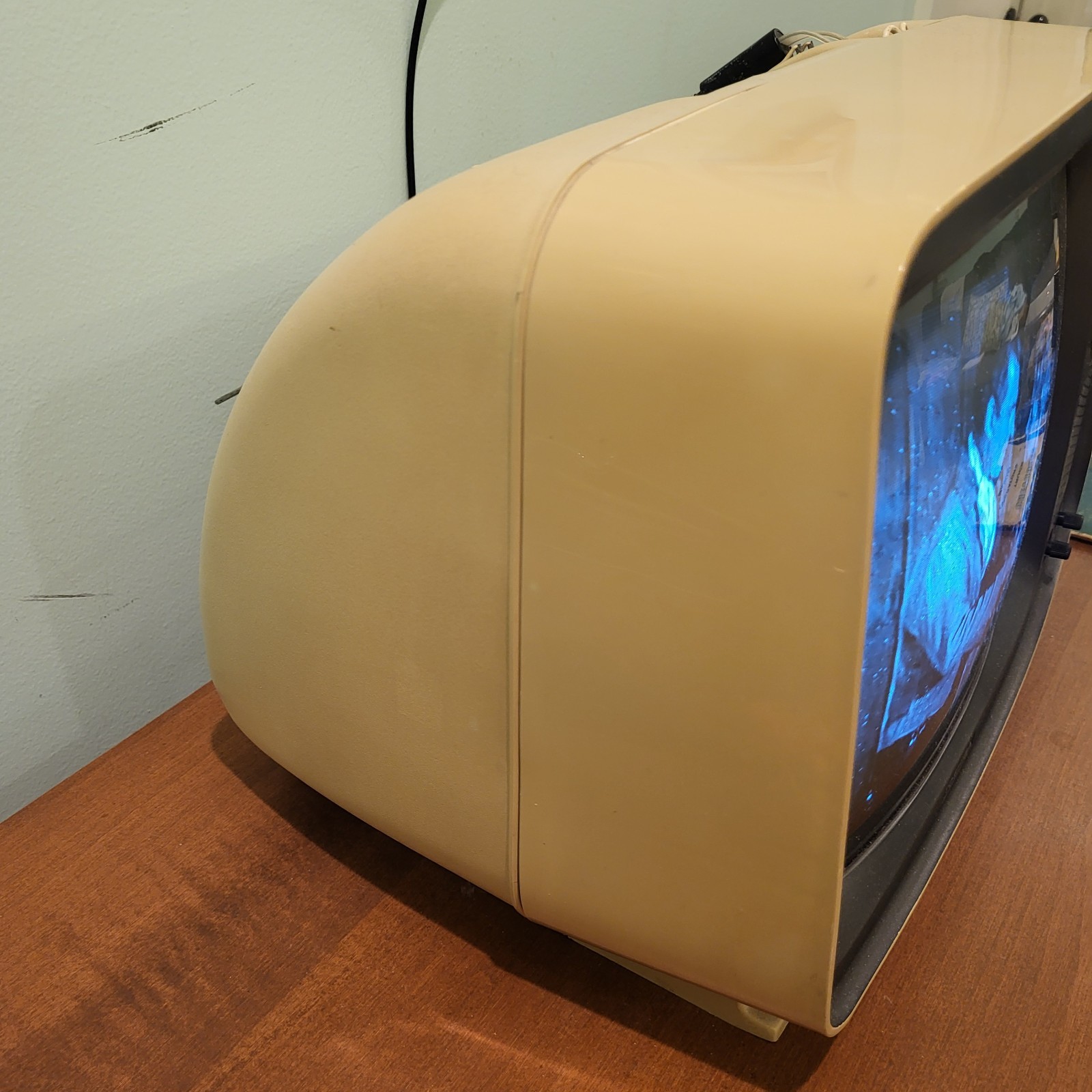
Television in the 1970s underwent a profound transformation, shifting from the lighthearted escapism of the 1960s to "socially relevant" programming that addressed race, gender, and politics. This era saw the rise of the modern sitcom, the birth of the television miniseries, the debut of Saturday Night Live, and the technological transition to universal color and early cable systems.
The 1970s are often cited by media historians as the "Second Golden Age of Television." While the 1950s established the medium, the 70s matured it. Driven by shifts in demographics and a desire for more realistic storytelling, networks moved away from "rural" comedies toward urban, sophisticated, and often controversial content. This decade also introduced the concept of "Event Television," where massive audiences tuned in simultaneously for miniseries like Roots, forever changing how networks approached long-form storytelling.
The Great "Rural Purge" and the Shift to Social Relevance
At the dawn of the 1970s, the television landscape was dominated by shows like The Beverly Hillbillies, Green Acres, and Mayberry R.F.D. While these programs were still popular, they didn't appeal to the younger, urban, and more affluent demographic that advertisers coveted. In 1971, CBS executive Robert Wood initiated what became known as the "Rural Purge," canceling nearly all of the network's country-themed hits.
This vacuum was filled by a new wave of programming that reflected the social upheavals of the time. The catalyst for this change was Norman Lear’s All in the Family (1971). Through the character of Archie Bunker, the show addressed bigotry, the Vietnam War, feminism, and civil rights in a way that had never been seen on a major network. It wasn't just entertainment; it was a national conversation starter.
The Rise of MTM Enterprises and the "New Woman"
While Norman Lear focused on social commentary through conflict, Mary Tyler Moore’s production company, MTM Enterprises, focused on character-driven comedy. The Mary Tyler Moore Show (1970–1977) was revolutionary for its time, featuring a single, professional woman whose life did not revolve around finding a husband. This paved the way for other feminist-adjacent programs like Maude and One Day at a Time, which explored divorce, career aspirations, and reproductive rights.
The Birth of the Television Event: Miniseries and Made-for-TV Movies
In the mid-70s, the "Big Three" networks (ABC, CBS, and NBC) realized that audiences were willing to commit to multi-night narratives. This led to the creation of the miniseries.
The most significant moment in this format was the 1977 broadcast of Roots. Based on Alex Haley’s novel, the eight-part series followed the history of an enslaved African man, Kunta Kinte, and his descendants. According to The Nielsen Company, the finale of Roots remains one of the most-watched television episodes in history, with an estimated 130 million viewers. It forced a national reckoning with the history of American slavery and proved that serious, high-production-value drama could achieve massive commercial success.
Other notable miniseries of the era included:
- Rich Man, Poor Man (1976): Often credited as the first major success of the format.
- Jesus of Nazareth (1977): A high-profile international co-production.
- The Captains and the Kings (1976): A sprawling family saga.
Gritty Realism: The 1970s Crime Drama
The 1970s moved away from the "perfect" law enforcement officers of the 1950s and 60s. The decade introduced flawed, idiosyncratic, and often cynical protagonists. Columbo, starring Peter Falk, inverted the "whodunit" format, showing the murder at the start and focusing on the psychological battle between the killer and the seemingly bumbling detective.
Shows like The Rockford Files featured an impoverished private investigator who frequently got beaten up and struggled to pay his bills. Kojak and Barney Miller brought a sense of urban decay and procedural realism that reflected the actual struggles of cities like New York during that decade. This "gritty" aesthetic became the blueprint for modern police procedurals.
Technical Milestones: Color, Cable, and the VCR
By 1972, color television sets finally outsold black-and-white sets in the United States. This transition changed the visual language of television, leading to the vibrant, often garish palettes associated with 1970s fashion and set design.
The Emergence of Cable and Satellite
While the 1970s was the peak of the "Big Three" network dominance, the seeds of their eventual decline were sown during this decade. In 1972, Home Box Office (HBO) launched as the first premium cable channel. Initially limited to the Wilkes-Barre, Pennsylvania area, HBO's 1975 decision to distribute its signal via satellite (the "Thrilla in Manila" boxing match) revolutionized the industry.
Similarly, Ted Turner transformed a struggling Atlanta UHF station into WTCG (later TBS) by using satellite technology to broadcast to cable systems nationwide in 1976. This created the "Superstation" model and laid the groundwork for the modern cable landscape.
The VCR and Time-Shifting
The late 1970s saw the introduction of the first commercially viable video cassette recorders (VCRs). The "Format War" between Sony's Betamax (1975) and JVC's VHS (1976) began in earnest. For the first time, viewers were no longer beholden to a network's schedule. They could record programs for later viewing—a concept known as "time-shifting"—which fundamentally altered the power dynamic between broadcasters and audiences.
Comparison of Iconic 1970s Television Genres
The following table highlights the diversity of programming that defined the decade, showcasing the shift from traditional formats to experimental and socially conscious content.
| Show Title | Genre | Debut Year | Major Impact/Innovation |
|---|---|---|---|
| All in the Family | Sitcom | 1971 | Introduced "Social Realism" and political discourse to primetime. |
| Monday Night Football | Sports | 1970 | Transformed sports into a primetime entertainment spectacle. |
| MASH* | Dramedy | 1972 | Used a Korean War setting to comment on the Vietnam War. |
| Saturday Night Live | Sketch Comedy | 1975 | Revolutionized late-night TV and launched the "Not Ready for Prime Time Players." |
| The Muppet Show | Variety | 1976 | Proved that puppetry could appeal to both children and adults. |
| Roots | Miniseries | 1977 | The definitive "Event TV" moment; addressed the history of slavery. |
| Battlestar Galactica | Sci-Fi | 1978 | Brought high-budget, post-Star Wars special effects to the small screen. |
The Golden Age of Variety and Children’s Programming
The 1970s was the last great decade for the classic Variety Show. Programs like The Carol Burnett Show, The Sonny & Cher Comedy Hour, and The Donny & Marie Show featured a mix of sketch comedy, musical numbers, and guest stars. However, by the end of the decade, the format began to feel dated as audiences migrated toward more focused narrative dramas and sitcoms.
In contrast, children’s programming entered a revolutionary phase. Sesame Street, which debuted in late 1969, reached its full cultural stride in the 70s. It was the first program to use educational research to inform its content. On Saturday mornings, the era of "educational" mandates led to the creation of Schoolhouse Rock! (1973), which used catchy songs to teach grammar, math, and history to an entire generation of American children.
Regulatory Changes: The Fin-Syn Rules
A major reason for the creative explosion of the 1970s was a change in federal regulations. In 1970, the Federal Communications Commission (FCC) enacted the Financial Interest and Syndication Rules (Fin-Syn). These rules prohibited the major networks from owning the syndication rights to the shows they aired.
This shifted the financial power toward independent production companies like Tandem Productions (Norman Lear) and MTM Enterprises. Because these creators now owned their content, they had more leverage to push creative boundaries and explore controversial themes without total interference from network executives who were traditionally more risk-averse.
The Cultural Legacy of 1970s Television
As we look back from 2026, the 1970s remain a foundational era for modern media. The decade proved that television could be more than "a vast wasteland"—it could be a mirror held up to society. The transition to color, the birth of cable, and the rise of the independent producer created the infrastructure for the "Peak TV" era that followed decades later.
The 1970s also mastered the "spinoff" culture. All in the Family alone birthed The Jeffersons, Maude, and Good Times, creating a shared universe long before the concept became a staple of modern franchises. This interconnected storytelling helped build loyal audiences that followed characters across different programs and nights of the week.
Frequently Asked Questions
Why did 1970s TV focus so much on social issues? The 1970s followed a period of intense social unrest, including the Civil Rights Movement and the Vietnam War. Networks realized that the younger "Baby Boomer" generation wanted content that reflected their reality rather than the idealized, suburban life shown in 1950s sitcoms. Advertisers were also willing to pay a premium to reach these younger, socially engaged viewers.
What was the "Rural Purge" exactly? The "Rural Purge" was a series of cancellations by the major networks (primarily CBS) in 1971. Despite having high ratings, shows like Lassie, Hee Haw, and The Beverly Hillbillies were canceled because their audiences were perceived as being too old or living in rural areas where they had less purchasing power than urban consumers.
When did color television become the standard? While color broadcasting began in the mid-1950s, it wasn't until 1972 that color sets were found in more than 50% of American households. By the end of the 1970s, black-and-white broadcasting was virtually non-existent on major networks, and monochrome sets were relegated to small, portable "second" TVs.
How did the 1970s change sports broadcasting? The debut of Monday Night Football on ABC in 1970 was the turning point. It proved that sports could be a primetime entertainment product, not just a weekend afternoon filler. The use of multiple camera angles, slow-motion replays, and "personality" announcers like Howard Cosell made the game accessible to casual viewers, not just die-hard fans.
Was cable TV common in the 1970s? No, it was still in its infancy. Most Americans in the 70s received their television via "over-the-air" antennas, which provided only the three major networks and a few local or PBS stations. Cable was primarily used in mountainous areas where antenna reception was poor. However, the launch of HBO and TBS via satellite in the mid-70s began the shift toward the multi-channel world of the 1980s.
Recommendations for Further Research
For those interested in exploring this era of television history in 2026, many of these landmark series are available via digital archives and streaming platforms specializing in classic media.
- Visit the Paley Center for Media: Located in New York and Los Angeles, the Paley Center maintains an extensive archive of 1970s television programs and production notes.
- Study the FCC Archives: For those interested in the business of TV, the Federal Communications Commission provides historical documents on the Fin-Syn rules and the Prime Time Access Rule (PTAR) that shaped the decade.
- Watch the "Must-Sees": To understand the cultural shift, watch the pilot of All in the Family followed by an episode of The Mary Tyler Moore Show. The contrast between Lear’s gritty realism and MTM’s sophisticated character study defines the two poles of 1970s excellence.
By understanding the 1970s, we gain a clearer picture of why television looks the way it does today. The decade taught us that TV can be a powerful tool for social change, a platform for artistic innovation, and a dominant force in shaping national identity.