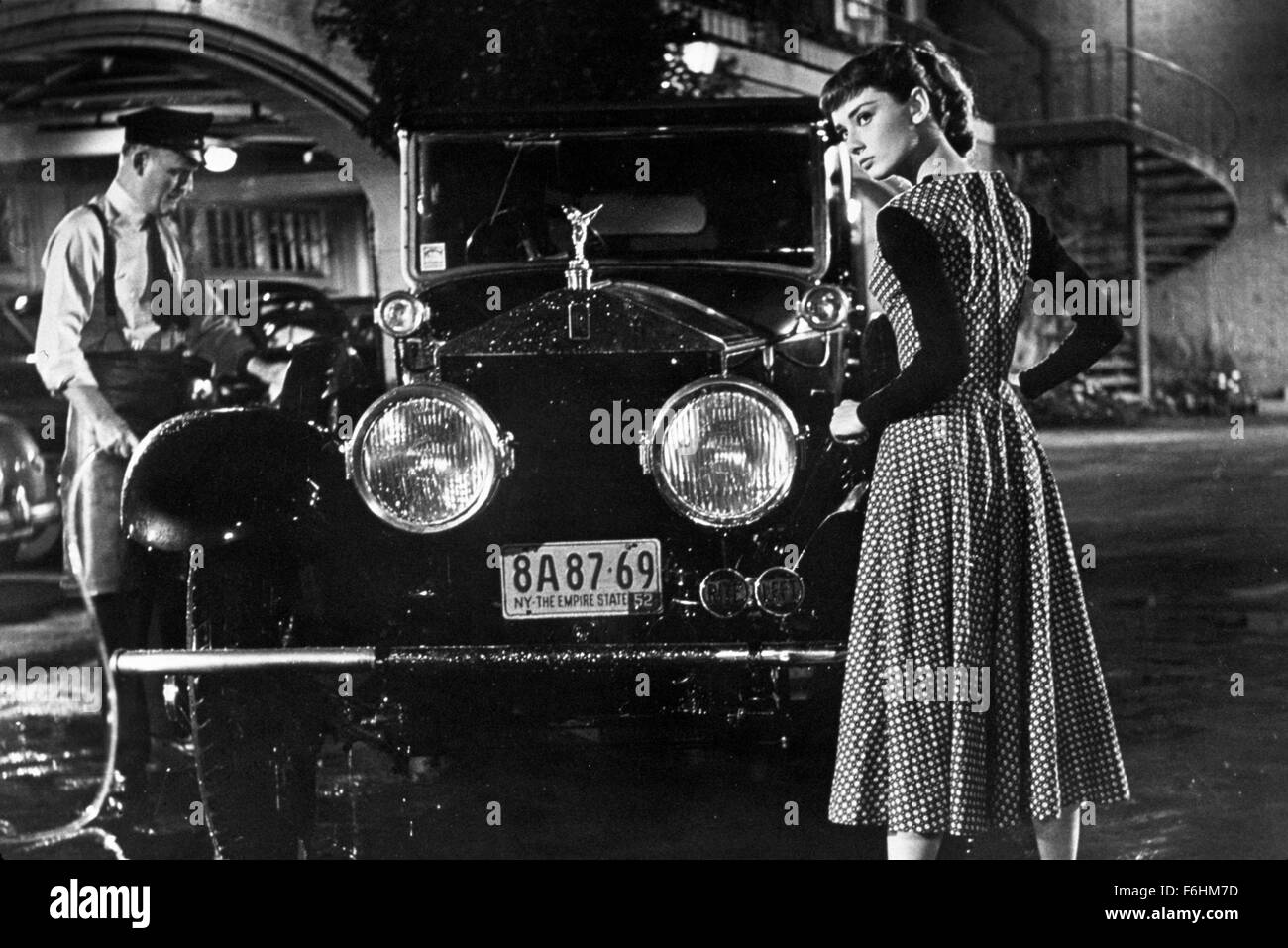
The year 1954 represents a transformative epoch in global cinema, characterized by the refinement of color technology, the aggressive adoption of widescreen formats to combat the rise of television, and the production of several seminal works that redefined genre expectations. From the suspense-laden techniques of Alfred Hitchcock to the formal mastery of Akira Kurosawa, 1954 serves as a critical study in both commercial evolution and artistic maturation.
The Technological Shift: Widescreen and Color
In 1954, the motion picture industry faced an existential threat: the rapid proliferation of television in residential households. Studios responded by intensifying the "spectacle" of cinema, moving away from the standard Academy aspect ratio (1.37:1) toward proprietary widescreen processes.
CinemaScope, introduced by 20th Century Fox, became the dominant technical standard during this period. By utilizing anamorphic lenses to project a wider field of view onto the screen, filmmakers were able to create immersive, panoramic experiences that television sets of the era could not replicate. This shift fundamentally altered cinematography; directors had to rethink composition, moving away from tight, vertical framing toward horizontal staging that allowed for multiple characters to occupy the frame simultaneously without cuts.
Color also became a primary competitive advantage. While black-and-white remained a staple for film noir and prestige dramas, the use of Technicolor became increasingly synonymous with high-budget studio productions. The vibrancy and saturation achieved in 1954 films set a visual benchmark that influenced aesthetic choices for the remainder of the decade.
Landmark Achievements in Global Cinema
The year 1954 is perhaps most celebrated by historians for the emergence of "Seven Samurai," directed by Akira Kurosawa. Beyond its immediate narrative success, the film introduced innovative editing techniques and a level of kinetic action staging that would influence decades of Western and Eastern filmmaking. The film’s structure—recruiting a team of specialists to solve a problem—became a foundational blueprint for the action-adventure genre.
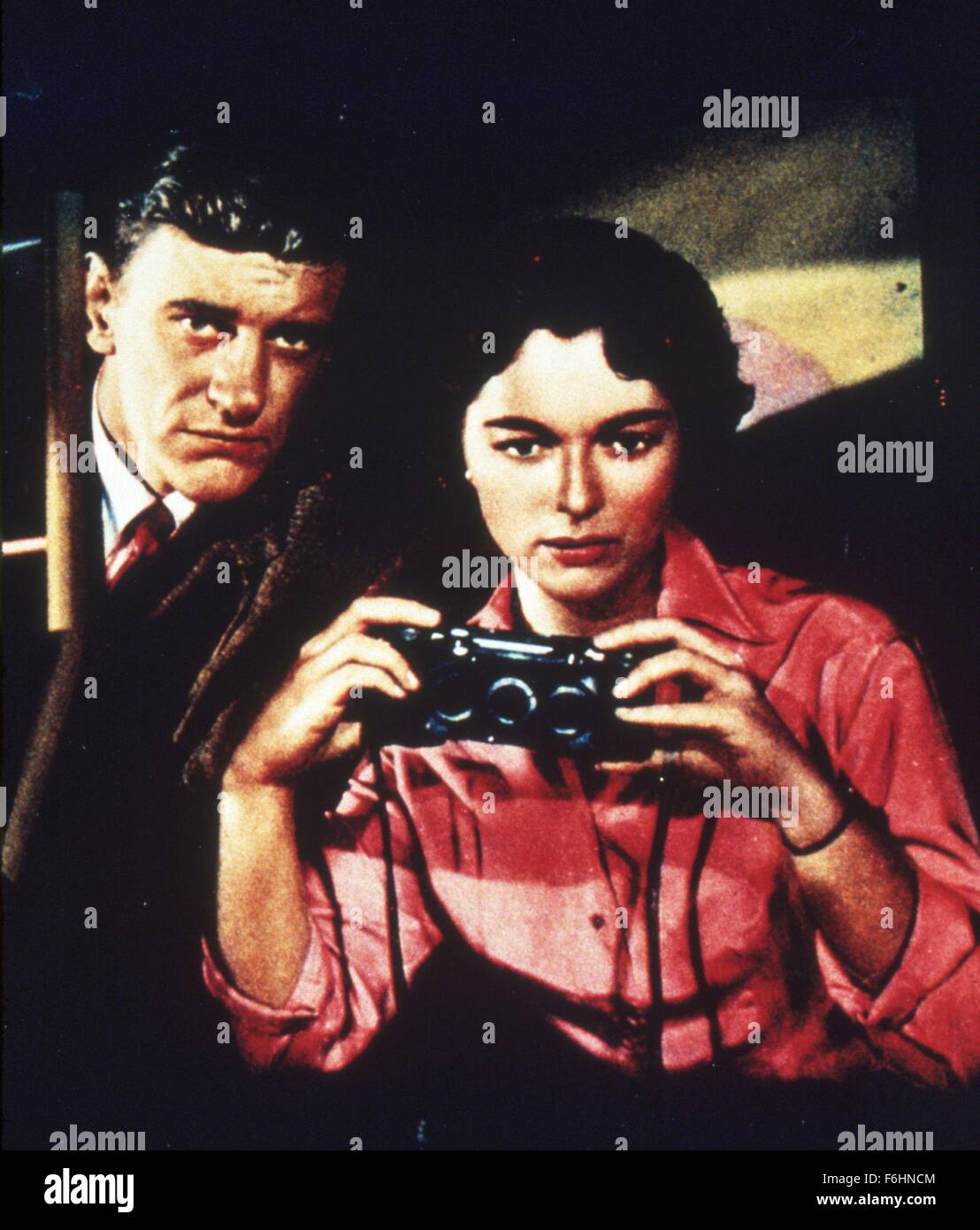
Simultaneously, in the United States, Alfred Hitchcock released "Rear Window," a masterclass in subjective filmmaking. By trapping his protagonist, and by extension the audience, in a single room, Hitchcock utilized the voyeuristic potential of the camera to explore the nature of suspense. This film serves as a primary case study in how technical constraints, such as a single location set, can lead to heightened narrative focus and audience engagement.
Comparative Overview of 1954 Cinematic Landmarks
| Film Title | Director | Genre | Technical Significance |
|---|---|---|---|
| Seven Samurai | Akira Kurosawa | Action/Drama | Multi-camera editing and kinetic movement |
| Rear Window | Alfred Hitchcock | Suspense | Subjective camera and single-set production |
| On the Waterfront | Elia Kazan | Crime Drama | Development of Method Acting in cinema |
| Godzilla (Gojira) | Ishirō Honda | Tokusatsu | Practical effects and cultural allegory |
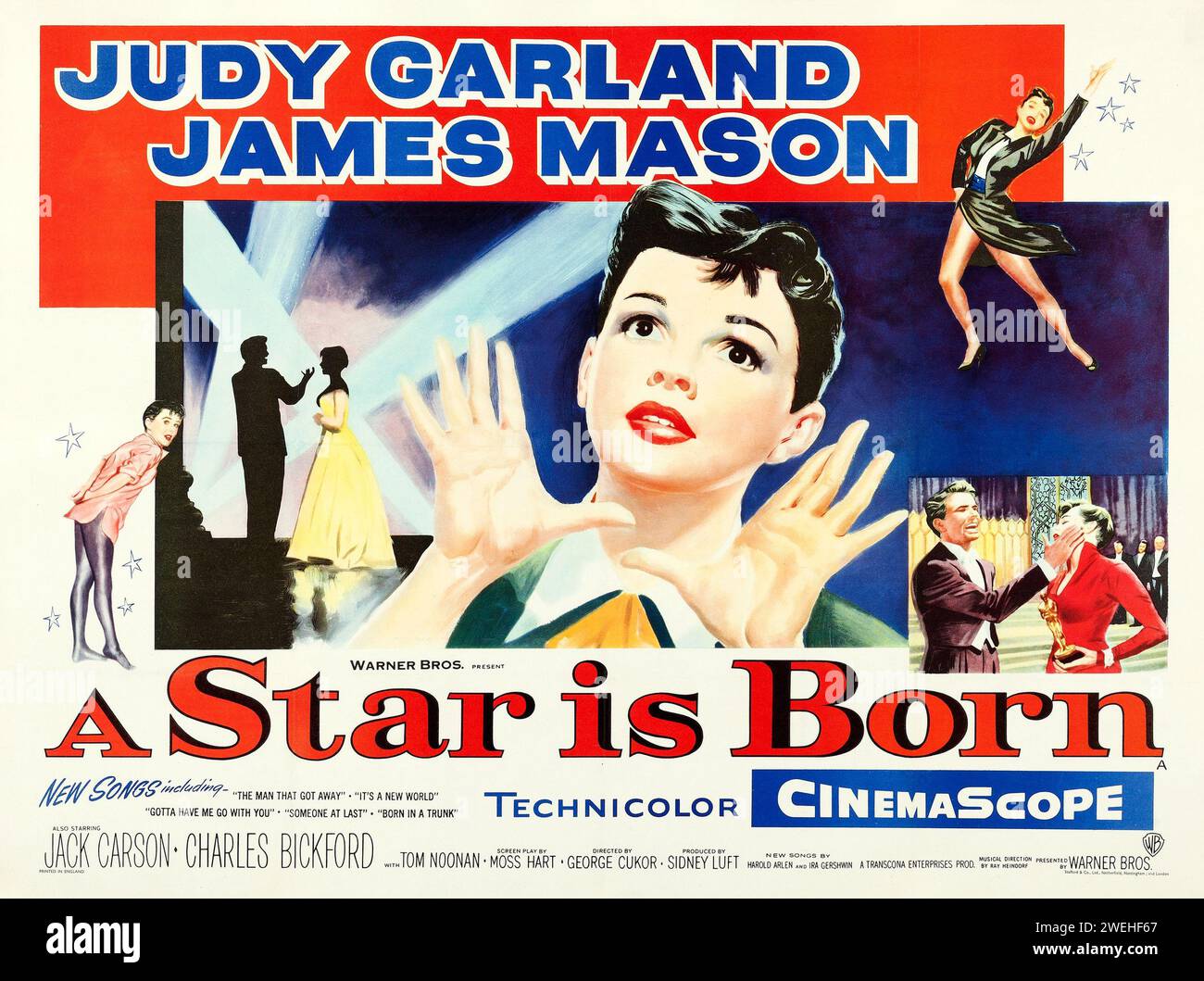
| A Star Is Born | George Cukor | Musical/Drama | Pioneering use of CinemaScope in dramatic form |
The Rise of the Auteur and Narrative Complexity
While studio heads managed the business of film, 1954 saw a marked rise in the creative agency of the director. In France, the critical seeds were being sown for what would become the French New Wave, while in Italy, the influence of Neorealism continued to push filmmakers toward location shooting and the use of non-professional actors to capture social truths.
"On the Waterfront" is a quintessential example of this transition toward grounded, performance-driven storytelling. The film pushed the boundaries of naturalism, with Marlon Brando’s performance signaling a shift away from the theatrical, stylized acting of the past. This change was not merely aesthetic; it was an attempt to make film a medium of psychological interiority, mirroring the complexities of post-war identity.
Constraints and Challenges in 1954 Production
Production in 1954 was not without significant logistical hurdles. The transition to widescreen formats required not only new lenses but also larger, more robust lighting setups to compensate for the increased depth of field and wider area of illumination required. Many smaller independent studios found these capital expenditures prohibitive, leading to a consolidation of power among the major studios that had the budget to modernize their soundstages.
Furthermore, the implementation of the Motion Picture Production Code, often referred to as the Hays Code, remained a restrictive force. Filmmakers were required to navigate stringent censorship guidelines regarding crime, sexuality, and religious depiction. Managing these mandates while attempting to tell modern, provocative stories forced writers and directors to rely on subtext, symbolism, and clever visual shorthand, which ironically contributed to the sophistication of screenwriting during this era.
Practical Implications for Film Preservationists
For modern researchers and archivists, films from 1954 present specific preservation challenges. The transition to nitrate film stock had mostly ended, but the era utilized various early color processes that are prone to fading, particularly Ektachrome and early Eastmancolor stocks. When verifying the "original" quality of a 1954 film in 2026, experts often look for:
- Source Material: Distinguishing between original camera negatives (OCN) and release prints.
- Aspect Ratio Integrity: Ensuring that widescreen films, which were often "pan-and-scanned" for television broadcast in later decades, are restored to their intended anamorphic compositions.
- Sound Fidelity: Converting original magnetic or optical mono tracks into restored formats without stripping away the intended high-frequency characteristics of the 1950s audio equipment.
Frequently Asked Questions
Why is 1954 considered a pivotal year for cinema? 1954 marked the intersection of aggressive technological expansion (widescreen, color) and the rise of the "Auteur" director. It was a year where films like "Seven Samurai" and "Rear Window" introduced narrative and visual techniques that are still taught in film schools today as the gold standard for genre storytelling.
How did television influence the film industry in 1954? Television forced the film industry to abandon the boxy, intimate aesthetics of early cinema. To keep audiences in theaters, studios invested in massive, immersive visual experiences like CinemaScope and VistaVision. They also focused on epic, big-budget stories that felt too "large" to be contained on a small, black-and-white television tube.
What was the role of the Motion Picture Production Code in 1954? The code acted as a form of self-regulation for the American film industry. It strictly forbade the depiction of explicit violence, sexual content, or excessive profanity. This forced filmmakers to be subtle, relying on dialogue nuances and camera movement to imply themes that they were not legally allowed to show explicitly.
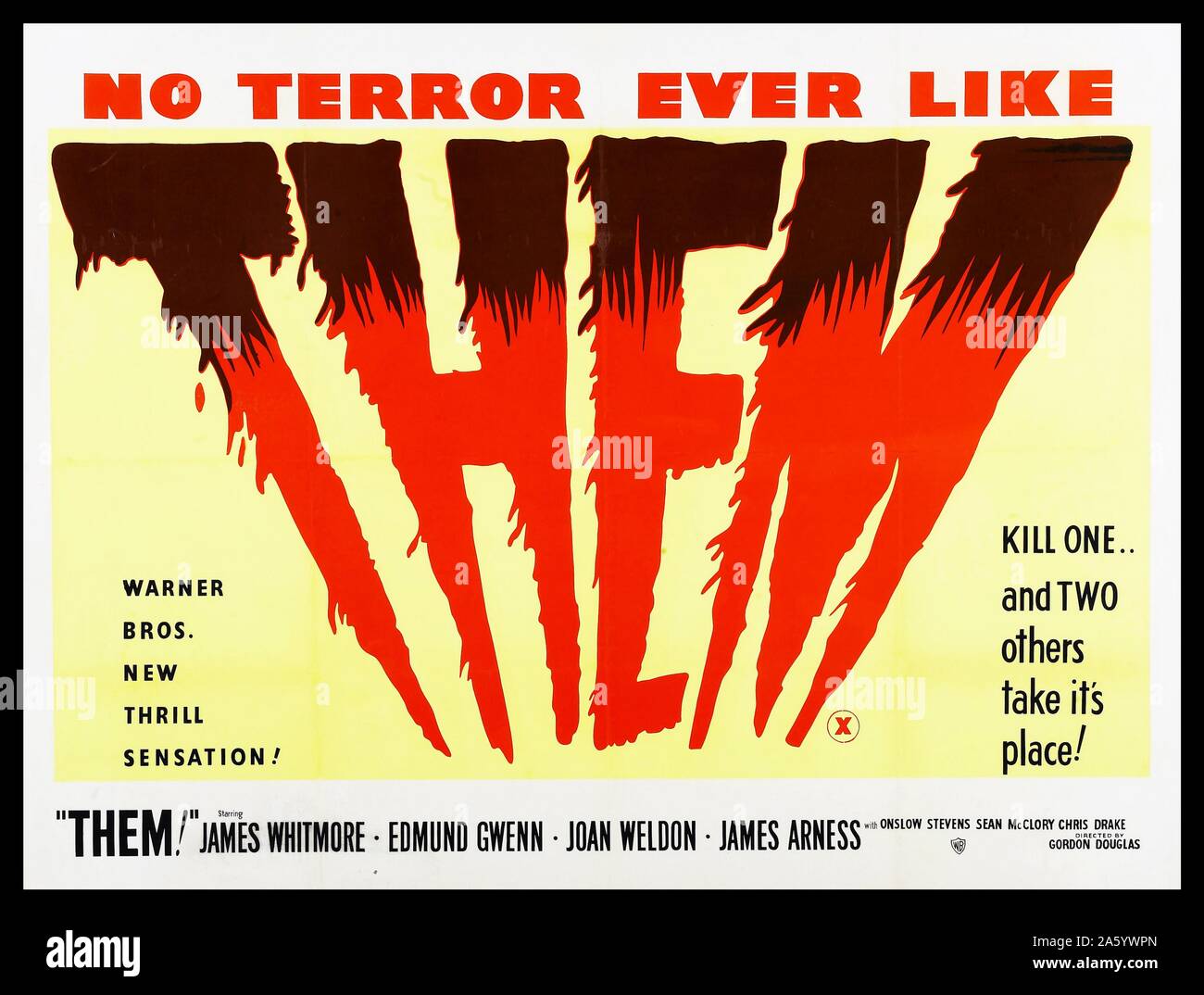
Are there major differences between the 1954 version of Godzilla and its sequels? Yes. The 1954 original, Gojira, was a somber, monochrome reflection of post-war anxiety, specifically addressing the trauma of the atomic bombings of Hiroshima and Nagasaki. Subsequent sequels gradually moved toward a more child-friendly, colorful "monster-versus-monster" action aesthetic.
What is the best way to view 1954 films in 2026? High-definition or 4K restoration releases are generally the preferred method. When purchasing or streaming, prioritize versions that explicitly state "Restored from original negatives" to ensure the aspect ratio and color grading match the theatrical intent of the 1954 release.
Recommendations for Further Study
To better understand the cinematic output of 1954, one should look beyond the top-grossing films and examine the trade journals of the era, such as Variety or The Hollywood Reporter archives from that year. These publications provide immediate context regarding the economic pressures of the time, the reception of new widescreen technologies, and the industry’s response to the growing threat of television. For a purely aesthetic experience, viewing "Rear Window" alongside its contemporary peers reveals the vast spectrum of 1954 production, ranging from the highly controlled, studio-bound suspense of Hitchcock to the sprawling, outdoor epic scope of Kurosawa.