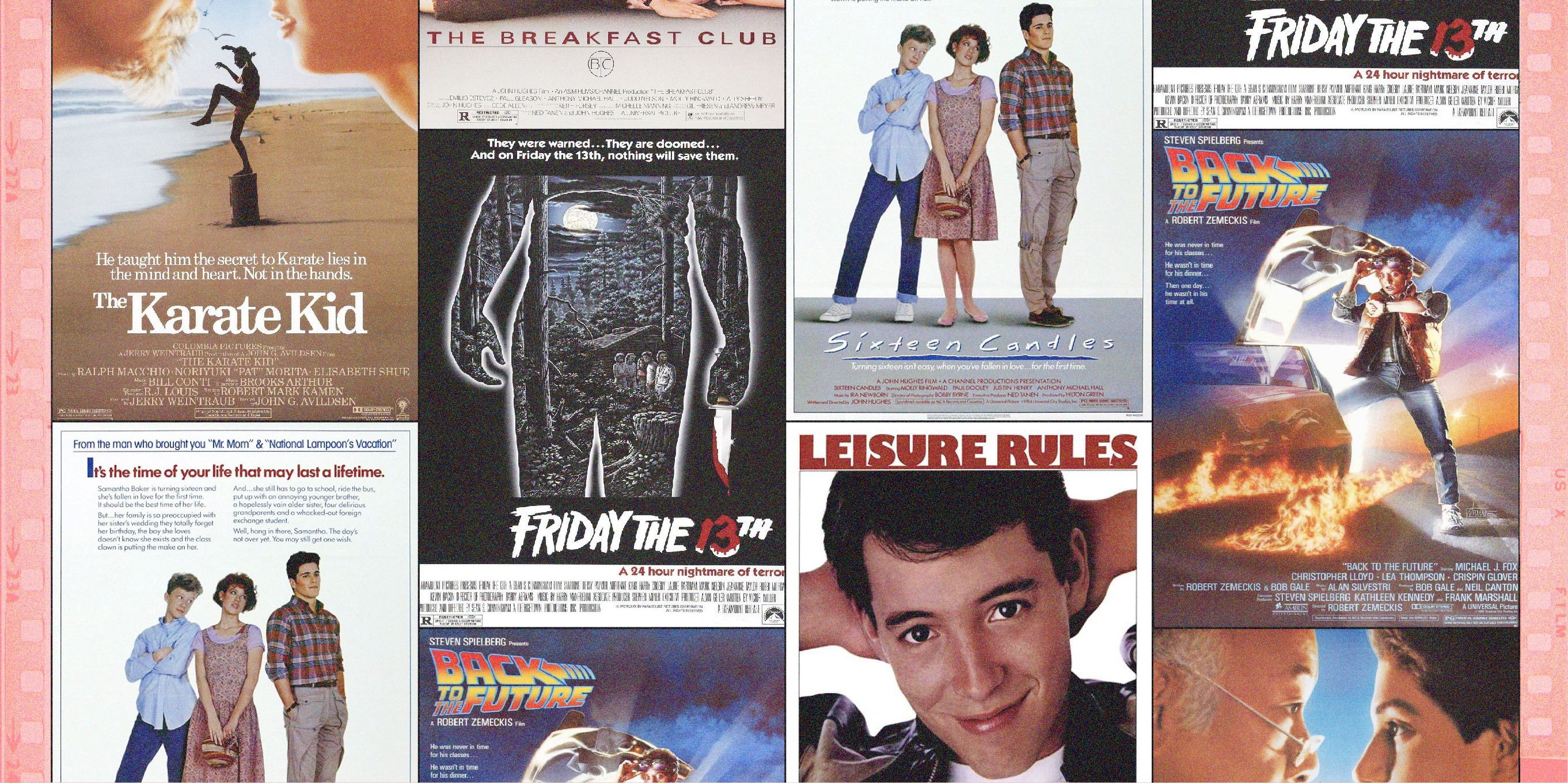
The cinema of the 1980s defined a transformative era for global entertainment, successfully merging the dying embers of the gritty New Hollywood auteur movement with the birth of the modern high-concept blockbuster, the PG-13 rating, and cutting-edge visual effects.
The cinema of the 1980s stands as one of the most commercially influential and culturally transformative decades in motion picture history. Bridging the gap between the gritty, director-driven auteur cinema of the 1970s and the hyper-stylized, corporate-driven franchise models of the late 20th century, 1980s film fundamentally reshaped how stories were told, marketed, and consumed on a global scale. This era birthed the modern summer blockbuster, popularized computer-generated imagery (CGI) infancy alongside sophisticated practical effects, and created enduring archetypes that continue to dominate contemporary pop culture.
Understanding the cinematic landscape of this decade requires examining the technological shifts, economic pressures, and creative risks that allowed filmmakers to push boundaries while simultaneously commercializing the medium. From high-concept sci-fi adventures to gritty urban dramas and groundbreaking independent releases, the 1980s established a distinct cinematic vocabulary.
The Birth of the High-Concept Blockbuster
The commercial blueprint for modern Hollywood was drafted in the late 1970s with releases like Jaws and Star Wars, but it was fully weaponized and industrialized throughout the 1980s. Producers like Jerry Bruckheimer and Don Simpson pioneered a style of high-concept filmmaking characterized by easily marketable premises, pulsating electronic or rock soundtracks, fast pacing, and charismatic, muscle-bound or wisecracking protagonists.
This era prioritized intellectual property, merchandising viability, and global box office appeal over ambiguous endings or slow-burn character studies. Studios recognized that a film did not merely need to perform well during its initial theatrical run; it needed to sell action figures, lunchboxes, and, later, home video cassettes. Consequently, the action genre underwent a massive paradigm shift. Traditional stoic heroes were replaced by hyper-masculine icons played by actors like Sylvester Stallone and Arnold Schwarzenegger, whose physical presence mirrored the muscular economic and political posture of the era.
Practical Effects and Technological Innovation
Before digital effects dominated post-production workflows, 1980s cinema represented the absolute zenith of practical special effects, animatronics, and stop-motion animation. Master artisans working at facilities like Industrial Light & Magic (ILM) and Stan Winston Studio pushed the boundaries of what could be achieved physically on a film set.
- Animatronics and Puppetry: Films like The Empire Strikes Back (1980) and Gremlins (1984) utilized complex cable-driven and radio-controlled creatures that interacted directly with actors on set.
- Stop-Motion Mastery: Pioneered further by master animators, stop-motion brought terrifying metallic skeletons and alien monsters to life in features like The Terminator (1984).
- Optical Compositing: Multiplane camera setups and optical printing reached their technological peak before being phased out by digital compositing in the following decade.
These techniques required immense patience, precise planning, and physical craftsmanship. The tangible weight of these practical effects provided a distinct sensory realism that directors leveraged to ground fantastical narratives in physical reality.
The Evolution of Teen Culture and the Brat Pack
Prior to the 1980s, teenagers in cinema were often depicted as rebellious outsiders, juvenile delinquents, or background caricatures. Writer and director John Hughes revolutionized the teenage coming-of-age film by treating adolescent angst, social stratification, and emotional vulnerability with genuine gravity and wit.
Films like The Breakfast Club (1985), Sixteen Candles (1984), and Fair Bueller’s Day Off (1986) captured the authentic anxieties of suburban youth. These narratives frequently featured a recurring ensemble of young actors who became collectively known in the media as the "Brat Pack." This group—including Molly Ringwald, Emilio Estevez, Anthony Michael Hall, and Judd Nelson—represented a cultural shift away from adult-centric melodramas toward youth-targeted marketing that resonated deeply with Generation X.
Parallel to these suburban comedies, darker speculative teen films like Heathers (1988) subverted traditional tropes, introducing a biting cynicism that predicted the independent film booms of the 1990s.
| Film Title | Release Year | Primary Genre | Defining Characteristic |
|---|---|---|---|
| Star Wars: Episode V - The Empire Strikes Back | 1980 | Sci-Fi / Opera | Expanded cinematic universe depth and dark narrative turns. |
| Blade Runner | 1982 | Neo-Noir Sci-Fi | Pioneered the gritty, neon-soaked cyberpunk aesthetic. |
| The Terminator | 1984 | Action / Sci-Fi | Blended high-concept time travel with practical makeup and stunts. |
| The Breakfast Club | 1985 | Coming-of-Age | Defined authentic teenage psychology and social class dynamics. |
| Die Hard | 1988 | Action / Thriller | Redefined the vulnerable, everyman action hero paradigm. |
The Introduction of the PG-13 Rating
One of the most consequential structural developments in American film history occurred in 1984, directly resulting from the release of two films: Indiana Jones and the Temple of Doom and Gremlins. Both films received a PG rating despite containing intense violence, psychological terror, and visceral imagery that alarmed parents.
Steven Spielberg personally lobbied the Motion Picture Association of America (MPAA) to create an intermediate rating that could bridge the vast gulf between PG (Parental Guidance Suggested) and R (Restricted). The result was the PG-13 rating, officially introduced in July 1984 with the release of Red Dawn.
This rating fundamentally altered studio economics. It allowed production companies to market big-budget action, fantasy, and sci-fi films directly to teenagers—the demographic most likely to repeat-view at the box office—without alienating parents or restricting access through a hard R rating. Consequently, screenwriters and directors learned to calibrate violence, language, and thematic maturity to fit neatly inside the lucrative PG-13 boundary.
Independent Cinema and Neo-Noir Resurgence
While major studios consolidated their power around multi-million-dollar franchises, the 1980s also cultivated a robust underground independent film movement and a revitalization of classical Hollywood genres.
The neo-noir movement found new life through stylized lighting, cynical anti-heroes, and morally ambiguous plots. Films like Blood Simple (1984), directed by the Coen brothers, and David Lynch’s Blue Velvet (1986) peeled back the pristine veneer of American suburban life to expose dark undercurrents of crime, obsession, and psychological decay. These projects demonstrated that low-budget filmmaking could achieve critical acclaim and commercial viability outside the traditional studio apparatus, paving the way for the Sundance-driven indie boom of the subsequent decade.
Furthermore, international co-productions and Asian action cinema began bleeding into Western consciousness, establishing foundational elements that would later influence modern action choreography and cinematic pacing worldwide.
Common Misconceptions About 1980s Cinema
When evaluating the decade retrospectively, contemporary audiences frequently fall into specific analytical traps. Recognizing these misconceptions provides a clearer, more accurate historical perspective.
- Myth: The 1980s was exclusively dominated by cartoonish action films and simplistic comedies.
- Reality: While commercial hits dominated the box office, the decade also produced complex political thrillers (Missing), bleak dystopias (Brazil), and profound foreign masterpieces that challenged traditional narrative structures.
- Myth: CGI was actively used throughout the entire decade.
- Reality: True computer-generated imagery was in its extreme infancy, seen only in brief sequences like the genesis effect in Star Trek II: The Wrath of Khan (1982) or the light cycle sequences in Tron (1982). Practical work dominated.
- Myth: Home video destroyed the theatrical experience immediately.
- Reality: While the introduction of the VHS format changed revenue models by creating the "videocassette recorder" secondary market, theatrical attendance actually remained remarkably resilient as multiplex cinemas expanded across suburban landscapes.
Frequently Asked Questions
What major rating was created during the 1980s that changed movie production?
The MPAA introduced the PG-13 rating in 1984. This classification was created in response to intense content in films like Indiana Jones and the Temple of Doom and Gremlins, allowing studios to target teenagers safely without earning a restrictive R rating.
How did visual effects change over the course of the 1980s?
The decade marked the pinnacle of physical, practical effects—including advanced animatronics, detailed miniature models, and sophisticated stop-motion. Concurrently, it laid the foundational software and optical printing groundwork for the digital revolution that followed in the 1990s.
Who were the members of the "Brat Pack"?
The "Brat Pack" was a media-dubbed moniker for a group of young actors who frequently starred together in prominent 1980s coming-of-age and teen drama films. Key members included Emilio Estevez, Anthony Michael Hall, Rob Lowe, Andrew McCarthy, Demi Moore, Molly Ringwald, Ally Sheedy, and Judd Nelson.
Why did action movies change so drastically in the 1980s?
The shift was driven by economic globalization, the rise of high-concept producing models, and international markets that favored easily translatable visual spectacles. Muscle-bound protagonists like Sylvester Stallone and Arnold Schwarzenegger capitalized on Cold War tensions and a cultural appetite for invincible heroes.
Did independent cinema exist during the studio-dominated 1980s?
Yes. Despite the rise of the corporate blockbuster, independent filmmakers like Jim Jarmusch, Spike Lee, and the Coen brothers established vital alternative distribution networks and aesthetic frameworks that challenged mainstream studio formulas.
Conclusion and Next Actions
Exploring the cinema of the 1980s offers invaluable insight into the mechanics of modern entertainment economics, technological transition, and narrative design. To deepen your understanding, consider curating a chronological viewing list that spans from early auteur holdovers like Raging Bull (1980) to independent breakthroughs like Do the Right Thing (1989). Analyze how sound design, practical effects, and narrative pacing evolved across these milestones to see firsthand how the modern cinematic landscape was engineered.