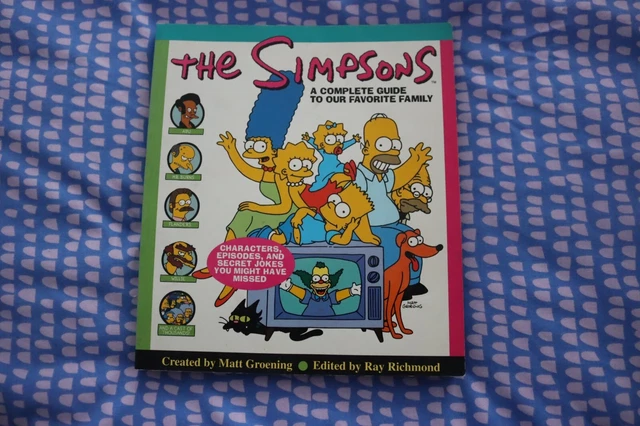
The debut of The Simpsons season 1 in 1990 transformed television comedy by introducing America's most dysfunctional animated family to prime-time viewers, launching a groundbreaking satirical cultural juggernaut that redefined television entertainment and spawned decades of pop culture history.
Introduction to the 1990 Cultural Landscape of Springfield
When The Simpsons arrived as a standalone prime-time series on FOX in January 1990, the television landscape was dominated by traditional, live-action domestic sitcoms that relied on studio audiences, predictable moral resolutions, and squeaky-clean depictions of family life. Created by Matt Groening alongside James L. Brooks and Sam Simon, the show originated as a series of animated shorts on The Tracey Ullman Show before expanding into a half-hour format.
Transitioning this quirky, visually rough family into a weekly half-time slot was a massive gamble for the fledgling FOX network. Yet, by 1990, the show had tapped into a profound cultural fatigue with earnest television tropes. It offered a sharp, cynical, yet ultimately affectionate mirror to modern American life.
Season 1 did not merely launch a TV show; it initiated a multimedia empire. By the end of 1990, "Simpsons Mania" was in full swing, driven by ubiquitous merchandise, catchphrases printed on unauthorized t-shirts, and public debates regarding the show's subversive tone. Understanding this foundational season requires examining the specific narrative building blocks, the gradual evolution of iconic characters, and the socio-cultural shockwaves that permanently altered the trajectory of modern television.
Production Origins and the Animation Revolution
The visual style and production pipeline of The Simpsons in 1990 differed drastically from the streamlined digital pipelines of contemporary animation. Because the domestic animation studios could not meet the tight production schedules and unique stylistic demands of the series, production required an international approach.
Klasky Csupo in Hollywood handled the character design, storyboards, and rough cuts, while overseas animation was primarily outsourced to AKOM in Seoul, South Korea. This international collaboration led to noticeable visual inconsistencies throughout the first season.
- The pilot episode, "Some Enchanted Evening," was originally intended to air as the series premiere in late 1989. However, severe animation flaws forced the producers to hold it back until the end of the season, letting "Simpsons Roasting on an Open Fire" serve as the emergency premiere.
- Early character designs featured jittery line work, erratic color palettes, and proportions that shifted subtly from scene to scene.
- The distinctive yellow skin tone of the characters was chosen deliberately to grab the attention of channel surfers flipping past the FOX network.
Despite these logistical hurdles, the creative team prioritized writing, voice acting, and satirical depth over slick aesthetics. The writers' room—featuring talents like John Swartzwelder, Jon Vitti, and Jay Kogen—established a fast-paced, reference-heavy comedic style that rewarded attentive viewers and lampooned everything from nuclear energy policy to institutionalized education.
Comprehensive Breakdown of Season 1 Episodes
The thirteen episodes comprising the 1990 broadcast run of The Simpsons established the emotional core and satirical boundaries of the series. Unlike later seasons, which leaned heavily into surrealism and high-concept sci-fi or political satire, Season 1 grounded its stories in recognizable domestic struggles, working-class financial anxiety, and suburban alienation.
| Episode Title | Production Code | Original Air Date | Primary Focus & Summary |
|---|---|---|---|
| Simpsons Roasting on an Open Fire | 7G08 | December 17, 1989 (Holiday Special) / Aired in 1990 cycle context | Homer struggles to provide Christmas gifts after Mr. Burns cancels holiday bonuses; adopts Santa's Little Helper. |
| Bart the Genius | 7G02 | January 14, 1990 | Bart cheats on an IQ test, gets placed in a school for gifted children, and suffers intellectual isolation. |
| Homer's Odyssey | 7G03 | January 21, 1990 | Homer gets fired from the nuclear plant, contemplates suicide, and becomes a safety crusader. |
| There's No Disgrace Like Home | 7G04 | January 28, 1990 | Embarrassed at a company picnic, Homer mortgages the house to pay for Dr. Marvin Monroe’s family therapy. |
| Bart the General | 7G05 | February 4, 1990 | Bart wages tactical warfare against neighborhood bully Nelson Muntz with the help of Grandpa Simpson. |
| Moaning Lisa | 7G06 | February 11, 1990 | Lisa experiences existential depression and finds solace through meeting jazz musician Bleeding Gums Murphy. |
| The Call of the Simpsons | 7G09 | February 18, 1990 | The family goes camping in an RV, gets lost in the wilderness, and Homer is mistaken for Bigfoot. |
| The Telltale Head | 7G07 | February 25, 1990 | Flashbacks reveal how Bart sawed off the head of the town founder Jebediah Springfield statue to impress older boys. |
| Life on the Fast Lane | 7G11 | March 18, 1990 | Marge is tempted to have an affair with a suave bowling instructor named Jacques after Homer gives her a bowling ball. |
| Homer's Night Out | 7G10 | March 25, 1990 | Homer is photographed dancing with a belly dancer at a bachelor party, straining his marriage to Marge. |
| The Crepes of Wrath | 7G13 | April 15, 1990 | Bart is sent to France as a foreign exchange student while an abusive French boy takes his place at home. |
| Krusty Gets Busted | 7G12 | April 29, 1990 | Krusty the Clown is framed for armed robbery by Sideshow Bob, prompting Bart to prove his hero's innocence. |
| Some Enchanted Evening | 7G01 | May 13, 1990 | Homer and Marge hire a seemingly sweet babysitter who turns out to be the notorious "Baby-Sitter Bandit." |
Character Evolutions and Voice Acting Foundations
The voice cast of Season 1—featuring Dan Castellaneta, Julie Kavner, Nancy Cartwright, Yeardley Smith, and Hank Azaria (joining more prominently later)—laid the bedrock for characters who would become global icons. However, the personalities and vocal inflections of these characters underwent noticeable growing pains during this inaugural year.
- Homer Simpson: In 1990, Homer was not yet the brain-damaged, hyper-impulsive oaf of later seasons. He was modeled partly on Walter Matthau—grumpy, easily stressed, working-class, and occasionally prone to explosive anger, yet deeply concerned with being a good provider for his family.
- Bart Simpson: Bart was the undeniable breakout star of 1990, sparking the cultural phenomenon known as "Bartmento." Voiced with mischievous grit by Nancy Cartwright, Bart embodied the anti-authority ethos that resonated with rebellious children and teenagers worldwide, leading to school bans of "Underachiever and Proud of It" t-shirts.
- Marge Simpson: Julie Kavner established Marge’s iconic raspy timber and supportive maternal presence. Season 1 frequently centered on Marge’s quiet resilience, emotional vulnerability, and moral anchor within an increasingly chaotic household.
- Lisa Simpson: Far from the hyper-politicized intellectual she became later, Season 1 Lisa was a sensitive, saxophone-playing eight-year-old wrestling with loneliness, sadness, and the typical anxieties of childhood intelligence.
The 1990 Socio-Cultural Impact and "Simpsons Mania"
The cultural footprint of The Simpsons during its initial 1990 broadcast run cannot be overstated. Within months of its premiere, the show generated unprecedented commercial demand. "Simpsons Mania" swept through schools, offices, and pop culture outlets.
- The Merchandise Boom: Unlicensed and licensed merchandise flooded the market. T-shirts emblazoned with slogans like "Eat My Shorts," "Underachiever (And Proud of It, Man)," and "Don't Have a Cow, Man" became ubiquitous, despite being banned by numerous school districts across the United States.
- Music and Pop Culture Crossovers: In late 1990, the novelty rap single "Do the Bartman," co-written by Michael Jackson (who would later guest-star under a pseudonym), became a massive international chart success, cementing Bart as a mainstream pop star.
- Political Controversy: The show’s anti-establishment posture drew high-profile scrutiny. In October 1990, then-First Lady Barbara Bush famously criticized the show in People magazine, calling it "the dumbest thing I've ever seen." This prompted a witty, in-character letter from Marge Simpson defending her family's values, to which Mrs. Bush graciously replied, showcasing the cultural weight the animated family already held.
Legacy and Long-Term Significance
Looking back at 1990 through the lens of The Simpsons reveals a modest, somewhat crudely animated domestic comedy that unexpectedly rewrote the rules of American media. By proving that animation could sustain smart, serialized, character-driven adult comedy in prime time, Season 1 cleared the path for subsequent animated milestones like South Park, Family Guy, and King of the Hill.
While later seasons would pivot toward faster gag rates, celebrity guest stars, and surreal escapades, the 1990 episodes remain essential viewing. They offer a grounded, satirical, and surprisingly tender look at suburban survival, anchoring timeless emotional truths in bright yellow ink.
Frequently Asked Questions
What was the very first full-length episode of The Simpsons to air in 1990?
The official series premiere episode broadcast in prime time was "Simpsons Roasting on an Open Fire," which aired on December 17, 1989. However, the first regular weekly episodes that established the standard 1990 broadcast block began in January 1990, starting with "Bart the Genius."
Why did Season 1 look visually different from later seasons?
Season 1 was animated under tight deadlines and restricted budgets by Klasky Csupo in the United States and outsourced to AKOM in South Korea. This international pipeline resulted in erratic character models, shifting line weights, and inconsistent color palettes that were later standardized in subsequent seasons.
How did the public react to Bart Simpson during 1990?
Bart became an overnight pop culture icon and the center of "Simpsons Mania." His rebellious catchphrases, skateboarding persona, and anti-authority attitude made him a hero to youth culture, though it also led to controversies and school dress code bans across America.
Did Michael Jackson really work on The Simpsons in 1990?
While Michael Jackson’s famous guest-starring episode "Stark Raving Dad" aired during Season 3 (1991), his involvement with the franchise began taking shape around this era, culminating in his co-writing and producing the hit 1990 tie-in single "Do the Bartman."
Where can contemporary viewers watch Season 1 today?
Season 1 episodes are available for streaming on Disney+ in most major territories, offering viewers a chance to experience the high-definition remastered versions of these historic 1990 television broadcasts.
Conclusion and Recommended Next Actions
To fully appreciate the historical significance of 1990 in television history, viewers should revisit Season 1 with an eye toward its raw, character-driven storytelling rather than the rapid-fire gag machine the series later became. Start by watching "Bart the General" to understand the early comedic pacing, followed by "Moaning Lisa" to experience the dramatic emotional depth the writers achieved early on. For further study, explore contemporary television criticism archives from early 1990 to see how media critics initially reacted to America's boldest animated experiment.