Tupac Shakur, known globally as 2pac, passed away on September 13, 1996, six days after being wounded in a drive-by shooting in Las Vegas. While the case remained officially unsolved for decades, the 2023 arrest of Duane "Keffe D" Davis transformed the anniversary from a day of mourning into a focal point for legal accountability and historical clarification.
The death of Tupac Amaru Shakur remains one of the most scrutinized events in music history. As we observe the anniversary in 2026—marking 30 years since that fateful night on the Las Vegas Strip—the narrative has shifted from wild conspiracy theories to a documented legal process. Understanding the "shocking truth" requires a deep look at the intersection of celebrity culture, gang rivalry, and the long-delayed path to justice.
The Timeline of September 1996: A Fatal Sequence of Events
To understand the weight of the anniversary, one must first dismantle the events of September 7, 1996. The day began not with violence, but with a high-profile sporting event. Tupac was in Las Vegas to watch his friend Mike Tyson fight Bruce Seldon at the MGM Grand. This event served as the catalyst for the tragedy that followed.
Following the fight, a physical altercation occurred in the MGM Grand lobby. Tupac and his entourage, which included Suge Knight and several members of Death Row Records’ security, confronted Orlando Anderson, a member of the South Side Compton Crips. This fight was not a random act of aggression; it was rooted in an earlier incident involving the theft of a Death Row medallion. Surveillance footage captured Tupac initiating the assault on Anderson, an act that investigators now agree set the assassination plot in motion.
Hours later, while traveling in a convoy to Club 662, a white Cadillac pulled alongside Suge Knight’s BMW 750iL at the intersection of Flamingo Road and Koval Lane. A gunman opened fire, striking Tupac four times. Despite the presence of numerous witnesses and a large police presence in the area, the assailants vanished into the night.
The Six-Day Struggle at University Medical Center
The period between the shooting on September 7 and Tupac’s death on September 13 is often overlooked in sensationalized accounts. Tupac was rushed to University Medical Center (UMC) of Southern Nevada, where he underwent multiple surgeries. On the night of the shooting, he was placed on life support.
Medical records and eyewitness accounts from the hospital describe a chaotic scene. Tupac lost his right lung due to the severity of the internal damage. Despite being in a medically induced coma, there were brief moments where hospital staff and family members hoped for a recovery. However, on the afternoon of Friday, September 13, 1996, at 4:03 PM, he was pronounced dead from internal bleeding and cardiac arrest.
The "Friday the 13th" timing of his death fueled decades of "Tupac is alive" myths. Many fans found the date too symbolic to be a coincidence, suggesting he had faked his death to escape the pressures of fame and the dangers of the "East Coast-West Coast" rivalry. In reality, the medical evidence of his injuries was absolute, and the timing was a tragic coincidence of biology and trauma.
The 2023 Breakthrough: Duane "Keffe D" Davis and the Grand Jury
For 27 years, the investigation into Tupac’s murder was criticized for its lack of progress. The "shocking truth" that emerged in late 2023 was that the primary suspects had been known to law enforcement almost from the beginning, but the threshold for a conviction had not been met until Duane "Keffe D" Davis began providing self-incriminating statements in media interviews and his own memoir.
In September 2023, the Las Vegas Metropolitan Police Department (LVMPD) arrested Davis, charging him with murder with the use of a deadly weapon with the intent to promote, further, or assist a criminal gang. Davis is the only person ever charged in connection with the killing. According to the prosecution, Davis was the "on-site commander" who orchestrated the shooting as retaliation for the MGM Grand brawl.
This legal development fundamentally changed how the anniversary is perceived in 2026. The mystery has been largely replaced by the mechanics of the judicial system. The evidence presented to the grand jury clarified that the shooting was a direct result of gang warfare rather than a complex government conspiracy or a staged disappearance.
Analyzing the Key Figures and Their Roles
The complexity of the case arises from the many individuals involved in the events leading up to the shooting. To clarify the roles of these individuals, the following table outlines their involvement according to the 2023-2024 legal proceedings and historical records.
| Individual | Role/Affiliation | Connection to the Case |
|---|---|---|
| Tupac Shakur | Victim / Death Row Artist | Assaulted Orlando Anderson prior to the shooting. |
| Suge Knight | Driver / CEO of Death Row | Wounded by shrapnel; key witness who refused to cooperate for years. |
| Duane "Keffe D" Davis | Accused Coordinator / Crip | Allegedly provided the weapon and sat in the front seat of the Cadillac. |
| Orlando Anderson | Alleged Shooter / Crip | The person assaulted by Tupac; long suspected as the gunman (died in 1998). |
| Terrence Brown | Driver of the Cadillac | Allegedly drove the vehicle from which the shots were fired (deceased). |
| DeAndre Smith | Passenger in Cadillac | Identified in some accounts as a secondary shooter (deceased). |
Why the Case Took Thirty Years to Resolve
The three-decade delay in seeking justice is perhaps the most shocking aspect of the anniversary. Several factors contributed to this stall. First, the atmosphere of the 1990s was characterized by a "no snitching" culture, which prevented key witnesses from coming forward. Even Suge Knight, who was inches away from Tupac when the shots were fired, famously told police he saw nothing.
Second, jurisdictional issues between the LVMPD and the Los Angeles Police Department (LAPD) hindered the flow of information. Much of the intelligence regarding the South Side Compton Crips resided in California, while the crime occurred in Nevada. It wasn't until Davis began his public "confession tour" in the late 2010s that Nevada prosecutors found the leverage needed to secure an indictment.
By 2026, the case serves as a landmark study in how digital footprints and media archives can eventually catch up with individuals who believe they are beyond the reach of the law. Davis's own words, captured in recorded interviews and his book Compton Street Legend, became the primary evidence against him.
Deconstructing the "Tupac is Alive" Myths
No discussion of the Tupac anniversary is complete without addressing the persistent theories that he survived the shooting. These theories often point to his prolific posthumous output and the absence of a public funeral (he was cremated shortly after death).
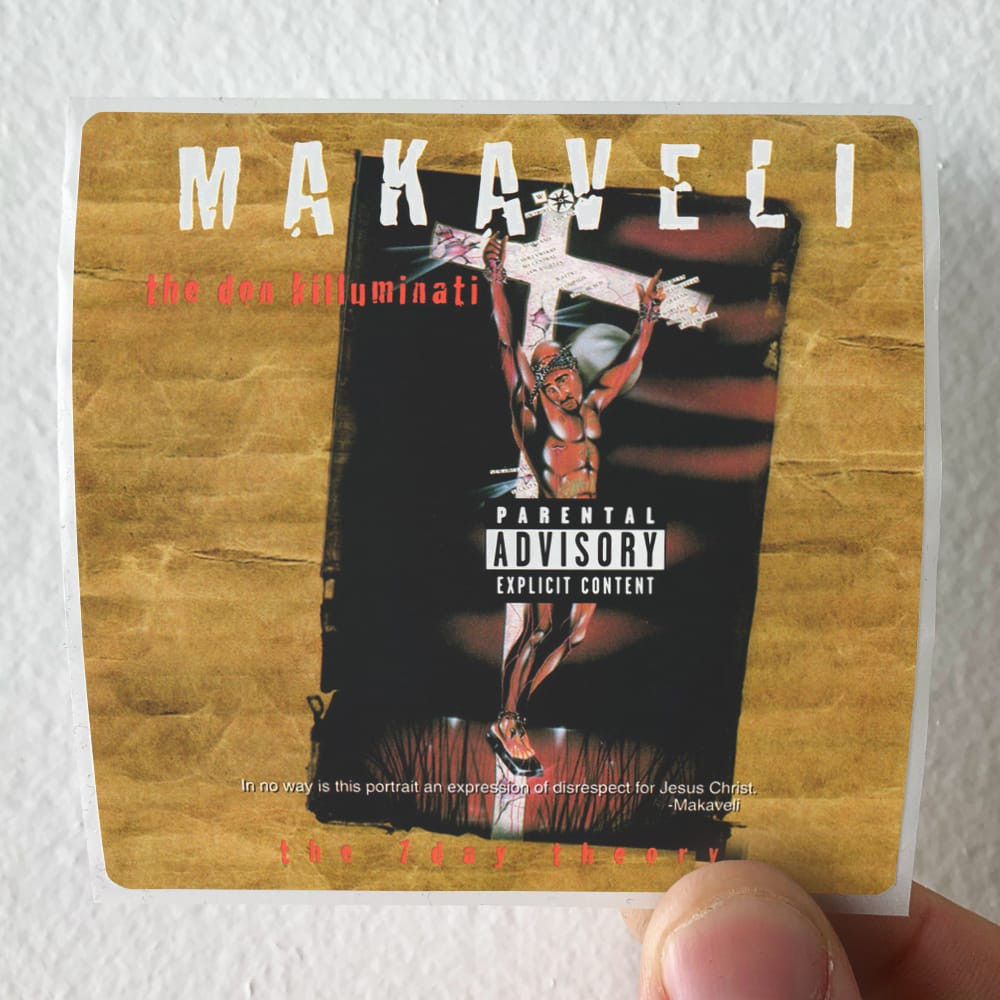
However, as investigative techniques have advanced by 2026, these myths have been debunked by logistical reality. The "shocking truth" is that Tupac’s posthumous albums—such as The Don Killuminati: The 7 Day Theory and R U Still Down?—were the result of his incredible work ethic. He reportedly recorded hundreds of songs in the year leading up to his death, providing his estate with enough material to release music for years.
Furthermore, the 2023 indictment provided a clear motive and a confession-backed timeline that leaves no room for a faked death. The individuals involved were not actors; they were members of a violent street gang engaged in a documented retaliatory strike.
The Cultural Legacy 30 Years Later
In 2026, Tupac Shakur's legacy is more than just his music; it is a subject of academic study and a symbol of the struggle for social justice. The anniversary of his death is now marked by:
- Academic Retrospectives: Universities offer courses analyzing his lyrics, which addressed systemic poverty, police brutality, and racial inequality.
- Legal Milestones: The trial and subsequent proceedings of Duane Davis have become a staple of true-crime analysis, highlighting the evolution of cold case investigations.
- The Evolution of West Coast Rap: The anniversary serves as a moment to reflect on how the genre has moved past the violent rivalries of the 1990s while still honoring the "thug life" philosophy Tupac pioneered.
His impact on fashion, film, and activism remains potent. By 2026, he has been inducted into the Rock & Roll Hall of Fame and honored with a star on the Hollywood Walk of Fame, cementing his status as a permanent fixture of American culture.
Frequently Asked Questions
Why was Tupac cremated so quickly after his death?
Tupac was cremated on September 14, 1996, just one day after he passed away. While this sparked conspiracy theories, the decision was made by his mother, Afeni Shakur, to prevent the desecration of his remains and to maintain privacy during a time of extreme public and media scrutiny.
Was Biggie Smalls involved in the shooting?
Despite the intense rivalry between Tupac and The Notorious B.I.G. (Christopher Wallace), no evidence has ever linked Wallace to the Las Vegas shooting. In fact, Wallace was deeply affected by Tupac's death and was himself murdered six months later in a similarly unsolved drive-by shooting in Los Angeles.
Who actually pulled the trigger?
According to the 2023 indictment and various investigative reports, Orlando Anderson is widely believed to have been the gunman. However, because Anderson was killed in an unrelated gang shooting in 1998, he could never be prosecuted. Duane Davis was charged under the "act in concert" principle, which holds those who assist in a crime as responsible as the person who pulls the trigger.
What is the significance of the white Cadillac?
The white 1994 Cadillac DeVille was the vehicle used by the shooters. For years, the car was a "ghost," but witnesses and later confessions confirmed it was a rental. The car became a symbol of the "unsolved" nature of the case until the 2023 investigation provided clarity on who was inside.
Is the trial of Duane "Keffe D" Davis over?
As of 2026, the legal proceedings surrounding Duane Davis have provided the most definitive account of the crime to date. The trial process has been lengthy, involving extensive motions regarding the admissibility of his past interviews, but it has succeeded in creating a public record of the events that were once shrouded in mystery.
Practical Recommendations for Following the Case
For those looking to understand the full depth of the 2026 anniversary and the truth behind Tupac’s death, the following actions are recommended:
- Review the Grand Jury Testimony: The transcripts from the 2023 Nevada Grand Jury provide the most accurate, evidence-based account of the shooting ever released.
- Consult Official Police Reports: The Las Vegas Metropolitan Police Department has periodically released updates regarding the case's status.
- Watch Documentaries Based on Investigative Reporting: Look for works that feature interviews with Greg Kading, a former LAPD detective whose book Murder Rap laid the groundwork for the 2023 arrest.
- Avoid Unverified Social Media Theories: Focus on information provided by reputable news organizations like the Associated Press or the New York Times, which have tracked the legal developments of the Duane Davis case closely.
The anniversary of Tupac’s death remains a somber day for millions, but the "shocking truth" in 2026 is that the veil of mystery has finally been lifted. The transition from a "cold case" to a "closed case" (legally speaking) allows the world to focus on Tupac's artistic contributions rather than the circumstances of his departure.