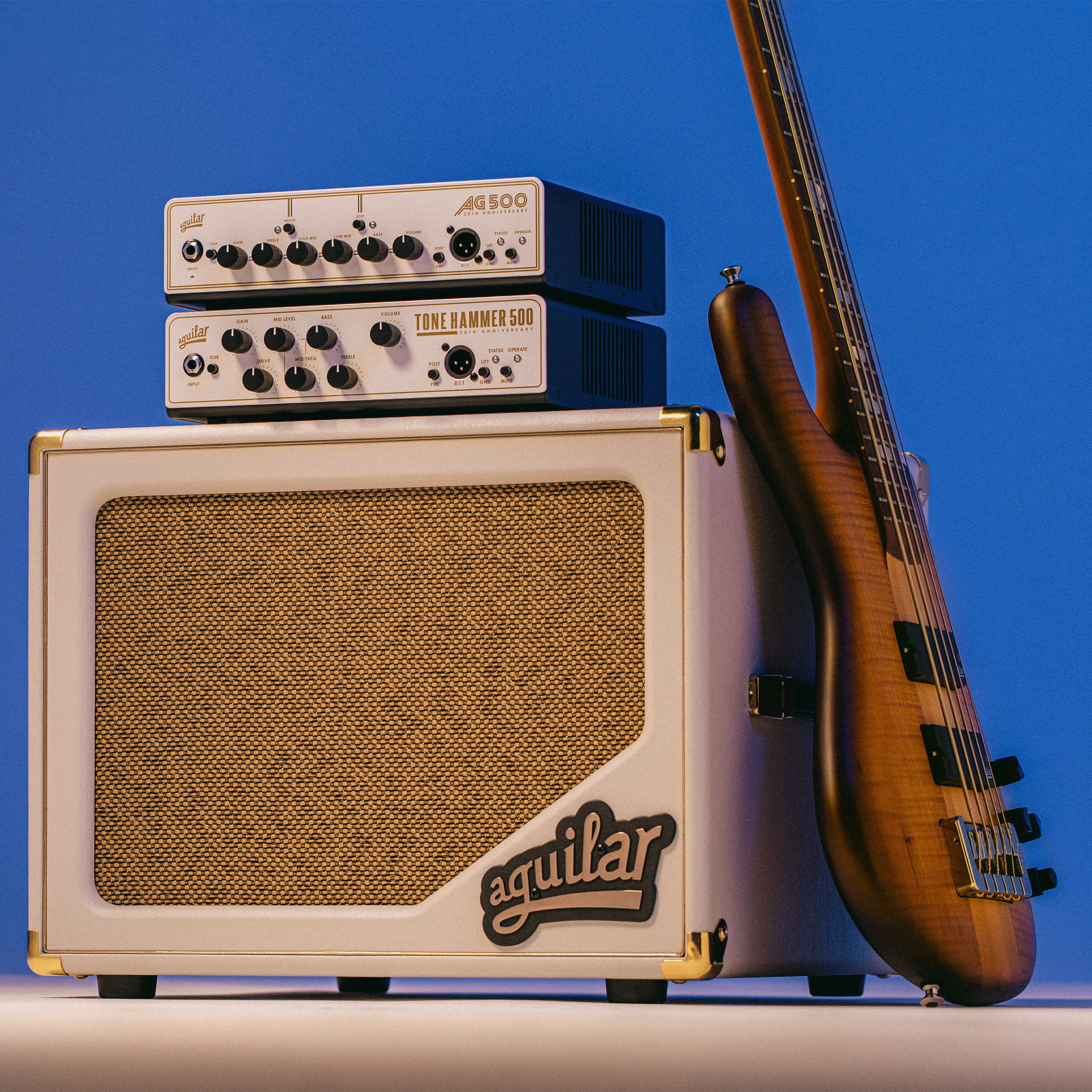
A 30th anniversary limited edition is a commemorative product released to celebrate three decades of a brand, franchise, or specific model’s existence. These editions matter because they combine artificial scarcity with deep-rooted nostalgia, often featuring exclusive aesthetics, upgraded specifications, and high resale potential. For collectors, they represent a tangible milestone that bridges the gap between historical legacy and modern performance.
Defining the 30th Anniversary Limited Edition
The term "limited edition" is often used loosely in marketing, but when applied to a 30th-anniversary milestone, it carries specific weight. Traditionally, a 30th anniversary—often referred to as the "Pearl Jubilee" in marriage but the "Legacy Milestone" in industry—signifies that a product has survived the volatile cycles of consumer interest and has entered the realm of cultural icon status.
A true 30th-anniversary limited edition is characterized by a fixed production run. This means the manufacturer announces a specific number of units (e.g., 12,300 units for the PlayStation 30th Anniversary PS5 Pro) and ceases production once that number is reached. Unlike "special editions," which might be produced for a limited time but in unlimited quantities, the "limited" nature of these anniversary releases is defined by a hard cap on supply.
In the context of 2026, we see this most prominently in the gaming and automotive sectors. Brands use these releases to reward long-term fans while simultaneously "resetting" the brand's premium status. The "meaning" behind the edition is usually twofold: it serves as a retrospective of the original 1996 (or relevant year) aesthetic while utilizing 2026 technology to ensure the product remains functional for modern standards.
Why the 30-Year Milestone is Unique
The 30-year mark is not an arbitrary number. In consumer psychology, the "30-year nostalgia cycle" is a well-documented phenomenon. It represents the approximate time it takes for the children and teenagers who experienced the original product launch to reach their peak earning years.
By 2026, individuals who were ten years old when Pokémon launched in 1996 or when the Nintendo 64 first hit shelves are now 40. This demographic typically possesses the disposable income to purchase high-end "adult" versions of the toys and electronics of their youth. This "adult money" factor drives the market for 30th-anniversary editions far more aggressively than 10th or 20th-anniversary releases.
Furthermore, 30 years is often the point at which a product transitions from "old" to "vintage." In the automotive world, many jurisdictions consider a car a "classic" once it hits 25 to 30 years of age. This transition changes the legal and social status of the item, making a 30th-anniversary edition a celebration of the product’s survival into this prestigious category.
Anatomy of a 30th Anniversary Release: What to Look For
When evaluating whether a 30th-anniversary edition is a genuine collector's item or a mere marketing gimmick, several technical markers must be examined. A high-value anniversary release generally includes:
- Bespoke Colorways and Materials: These editions should not merely be a "re-skin." They often utilize materials or colors that pay homage to the original 1996 release. For example, using the specific "Pebble Gray" of an original console or the "British Racing Green" of a specific car model.
- Serialized Identification: The most valuable limited editions have individual serial numbers (e.g., 0001/5000) etched or printed directly onto the hardware. This provides an audit trail for authenticity and increases value for lower-numbered units.
- Exclusive Functional Upgrades: While some editions are purely cosmetic, the most respected ones include performance boosts. In watches, this might be a more refined movement; in electronics, it might be increased storage or exclusive firmware themes.
- Legacy Packaging: The unboxing experience is critical. 30th-anniversary editions often replicate the original 1990s packaging style, using similar fonts, cardboard textures, and manual layouts, which appeals directly to the tactile memory of the consumer.
The Financial Landscape: Investment vs. Sentiment
The question of "why it matters" often boils down to financial appreciation. For many, these editions are treated as alternative assets. Historical data from 2024 and 2025 shows that 30th-anniversary items from "blue-chip" brands (such as Sony, Rolex, or Porsche) tend to appreciate by 20% to 50% within the first 24 months post-launch, provided they remain in "New in Box" (NIB) condition.
However, the market in 2026 is more nuanced than in previous decades. The rise of automated "scalping" bots has made acquiring these editions at Manufacturer’s Suggested Retail Price (MSRP) extremely difficult. Consequently, the "why it matters" aspect for many collectors has shifted from "owning a piece of history" to "successfully navigating a competitive market."
| Feature | Standard Edition | Special Edition | 30th Anniversary Limited Edition |
|---|---|---|---|
| Production Volume | Mass-produced | Time-limited/High volume | Fixed, numbered units |
| Aesthetics | Stock / Seasonal | Theme-based | Historical / Legacy-focused |
| Resale Potential | Depreciates initially | Moderate / Stable | High appreciation potential |
| Authentication | Standard receipt | Brand verification | Certificate of Authenticity (COA) |
| Primary Value | Utility | Novelty | Rarity & Nostalgia |
Case Studies: Major 30th Anniversary Releases (2024–2026)
To understand the practical impact, we must look at recent major releases that have defined the 30th-anniversary landscape.
The 2024 PlayStation 30th Anniversary Collection
While released in late 2024, its impact dominates the market in 2026. Sony released a limited run of PS5 Pro consoles styled after the original 1994 "Gray" PlayStation. By limiting the Pro model to exactly 12,300 units (representing the December 3rd launch date), they created an immediate supply-demand imbalance. In 2026, these units are trading on secondary markets for significantly higher than their original retail price, proving that the 30th-anniversary "hook" is a powerful driver of brand prestige.
The 2026 Pokémon 30th Anniversary
As 2026 marks 30 years since Pokémon Red and Green launched in Japan (1996), the market is currently experiencing a surge in anniversary-exclusive trading cards and hardware. This matters because Pokémon is the highest-grossing media franchise in history. The 30th-anniversary cards are not just game pieces; they are being treated as high-liquidity financial instruments, with professional grading services (like PSA or BGS) seeing record submissions for anniversary-stamped cards.
How to Verify and Protect Your 30th Anniversary Investment
Because the stakes are high, verification is essential. "Fake" limited editions are common, especially in the luxury watch and sneaker markets.
- Verify the SKU/Model Number: Manufacturers often list the specific SKU (Stock Keeping Unit) associated with a limited run on their official websites. If the SKU on the box doesn't match the official 30th-anniversary registry, the item is likely a standard version with swapped shells.
- Check for Holographic Seals: Most 2026 anniversary releases use advanced holographic stickers that are difficult to replicate. These seals often contain micro-text that is only visible under magnification.
- Preserve the "Full Set": For a 30th-anniversary edition to retain its value, it must be a "full set." This includes the outer shipping box, the retail box, all internal plastic baggies, wire ties, and the Certificate of Authenticity. In the collector market, a "mint" item without its original manual can lose up to 30% of its valuation.
- Environmental Control: For items like the 30th-anniversary Pokémon cards or luxury leather goods, humidity and UV light are the enemies. Serious collectors in 2026 use UV-resistant acrylic cases and temperature-controlled storage to prevent the "Pearl" or "Silver" anniversary finishes from oxidizing.
The Psychological Impact: More Than Just a Product
Beyond the numbers and the rarity, 30th-anniversary editions matter because they serve as a "temporal anchor." In a fast-moving digital world where software is updated weekly and hardware becomes obsolete in years, a 30th-anniversary edition is a rare acknowledgement of permanence.
It tells the consumer that their long-term loyalty was not misplaced. When a brand like Mazda or Nintendo acknowledges three decades of a product, they are validating the consumer's own timeline. For many owners, the item is a trophy representing thirty years of their own life journey—where they were when they first encountered the brand and where they are now.
Common Pitfalls and "Anniversary Washing"
Buyers should be wary of "anniversary washing." This occurs when a brand releases a product that is labeled as an "anniversary edition" but lacks the technical hallmarks of a true limited release.
Common red flags include:
- "Available While Supplies Last" (without a number): If the company doesn't state a specific production cap, they can technically keep the "limited" edition in production for years.
- Lack of Unique Tooling: If the only difference is a small sticker or a digital wallpaper, the "anniversary" tag is likely a low-effort marketing tactic rather than a value-add.
- Annual Milestones: Brands that celebrate 25th, 26th, 27th, and 30th anniversaries with "limited" editions often dilute the market, making the 30th-anniversary milestone feel less significant.
Frequently Asked Questions
What makes a 30th-anniversary edition more valuable than a 25th-anniversary edition?
The 30th anniversary often aligns with the "nostalgia peak"—the point where the original audience has reached maximum purchasing power. Additionally, 30 years is a more significant historical benchmark that suggests a product has moved from "recent memory" into "cultural legacy."
Should I open my 30th-anniversary limited edition?
From a financial investment standpoint, no. Items that are "Factory Sealed" or "Never Removed From Box" (NRFB) command the highest premiums. However, if the "why it matters" to you is personal enjoyment and celebrating the milestone, opening and using the item is the only way to experience its unique features.
How can I tell if a limited edition is truly limited?
Look for a specific production number (e.g., "1 of 1,000") and a Certificate of Authenticity. In 2026, many brands also use blockchain-based digital twins (NFTs or digital certificates) to verify the provenance and limited nature of physical goods.
Why do brands choose 30 years instead of 50?
Fifty years is a "Golden Jubilee," but in many industries—especially technology and electronics—a 50-year-old product is often too primitive to be relevant to current consumers. The 30-year mark provides the perfect balance of vintage charm and modern usability.
Are 30th-anniversary editions a good hedge against inflation?
Historically, "blue-chip" collectibles have tracked well against inflation, but they are illiquid assets. While a 30th-anniversary Porsche or Rolex might hold value better than cash, they require time and the right buyer to convert back into currency.
Practical Recommendations for Collectors in 2026
If you are considering purchasing a 30th-anniversary limited edition, prioritize provenance over hype. Focus on brands with a documented history of respecting their own milestones. In 2026, the market is saturated with "limited" releases; therefore, your focus should be on items that offer a tangible link to the original 1996 release through design, material, or philosophy.
Always purchase from authorized retailers to ensure your warranty and certificate of authenticity are valid. If buying on the secondary market, use escrow services that offer authentication guarantees. A 30th-anniversary edition is a significant investment in both capital and sentiment—treat the verification process with the same level of detail that the manufacturer put into the product itself.