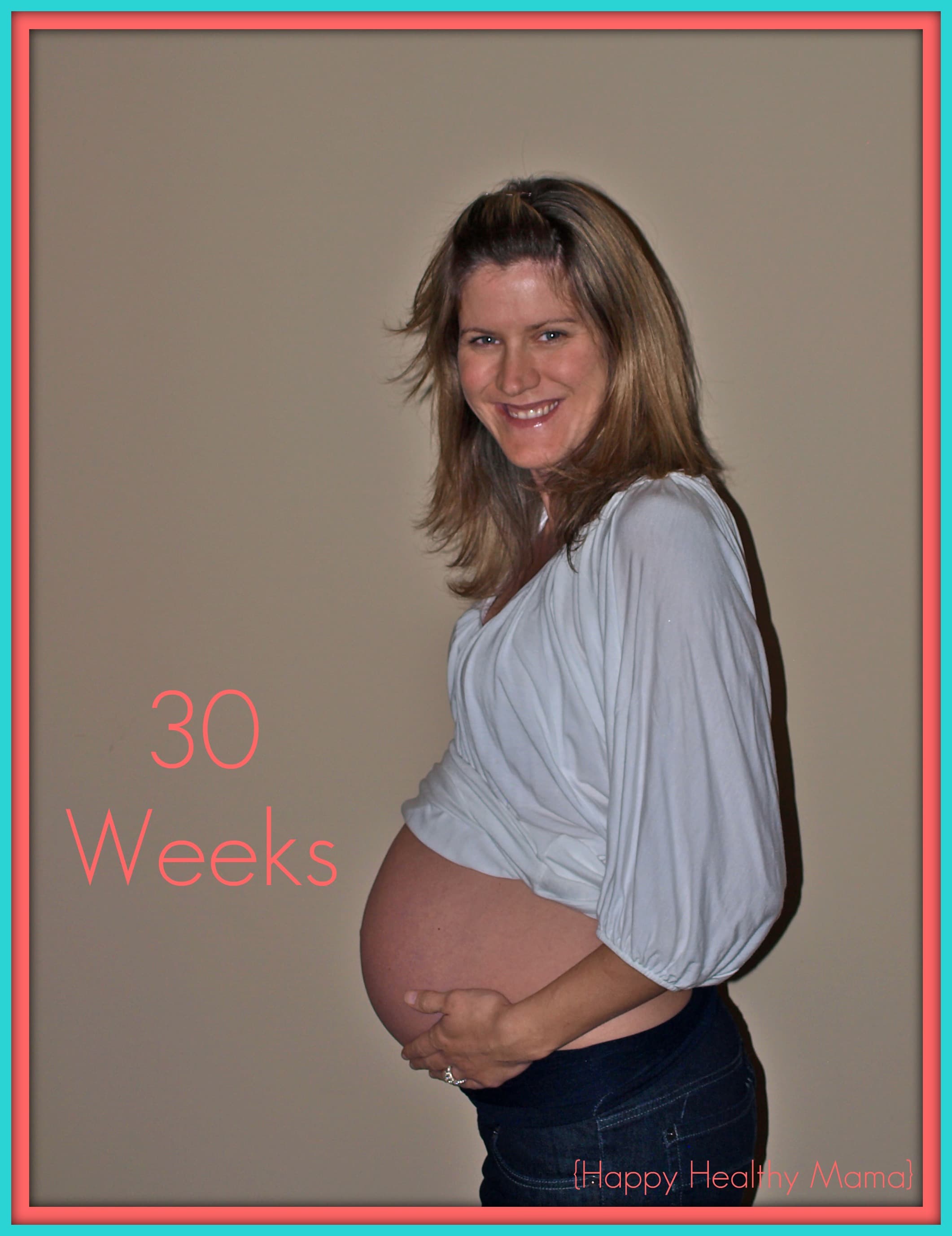
At 30 weeks pregnant, you are approximately seven and a half months along and well into the third trimester. Your baby is roughly the size of a large cabbage, measuring about 15.7 inches (40 cm) from head to heel and weighing nearly 3 pounds (1.3 kg). This stage marks a period of rapid brain maturation and significant physical preparation for birth.
Fetal Development: What is Happening at 30 Weeks?
By the time you reach 30 weeks, your baby is no longer the translucent, spindly creature of the second trimester. They are filling out, gaining fat, and developing the complex neurological systems required for life outside the womb. In 2026, prenatal imaging allows us to see these developments with remarkable clarity, confirming that this week is a pivotal moment for several physiological systems.
Brain Maturation and the Nervous System
One of the most significant developments at 30 weeks is the transformation of the fetal brain. Previously, the brain’s surface was relatively smooth. Now, it is beginning to develop the characteristic grooves and indentations (convolutions) known as gyri and sulci. This increased surface area allows for a greater number of brain cells and more complex neural connections.
This neurological growth coincides with the baby’s ability to regulate their own body temperature. While they still rely on your warmth and the amniotic fluid, the brain and the newly forming fat stores are starting to take over the thermoregulation process.
The Shift in Blood Production
Until recently, the baby’s spleen and liver were primarily responsible for producing red blood cells. At 30 weeks, the bone marrow takes over this critical role. This is a major step toward the baby being able to thrive independently after birth, as bone marrow remains the primary site of blood cell production throughout human life.
Vision and Sensory Awareness
Your baby’s eyes are now frequently open while they are awake. They can distinguish between light and dark and may even track a bright light source moved across your abdomen. Their pupils can constrict and dilate in response to light. Furthermore, their senses of taste and hearing are highly developed. They can distinguish your voice from others and may react to strong flavors in the amniotic fluid, which are influenced by the foods you consume.
Disappearance of Lanugo
The fine, downy hair known as lanugo, which has covered your baby’s body to keep them warm and protect their skin, is beginning to disappear. As the baby gains more body fat (brown fat) to provide insulation, the lanugo is no longer necessary. You may still see some remnants of it on their shoulders or back at birth, but most of it is shed into the amniotic fluid, which the baby then swallows.
Changes in Your Body: The Maternal Experience
As the baby grows, the physical space within your torso becomes increasingly limited. The top of your uterus (the fundus) is now about 4 inches above your belly button. This displacement of internal organs leads to many of the common symptoms experienced at 30 weeks.
Respiratory and Digestive Adjustments
The growing uterus pushes upward against the diaphragm, the muscle responsible for drawing air into the lungs. This often results in shortness of breath. You might find yourself winded after climbing a flight of stairs or even during a long conversation. While uncomfortable, this is generally normal unless accompanied by chest pain or blue-tinged lips.
Similarly, the stomach is being compressed, which can lead to increased heartburn and indigestion. The hormone progesterone further complicates this by relaxing the valve between the esophagus and the stomach, allowing gastric acid to escape upward.
The Impact of Relaxin on Joints and Posture
Your body is producing a hormone called relaxin, which softens the ligaments in the pelvis to prepare for delivery. However, relaxin is not site-specific; it affects joints throughout the body. This can lead to:
- Waddling Gait: As your pelvic joints loosen and your center of gravity shifts forward, your gait naturally changes.
- Backaches: The combination of a heavy uterus and loose ligaments puts significant strain on the lower back.
- Balance Issues: You may feel more clumsy or "top-heavy" than usual.
Sleep Disruptions and Vivid Dreams
Finding a comfortable sleeping position becomes a nightly challenge at 30 weeks. Most healthcare providers recommend sleeping on your side (ideally the left side) to optimize blood flow to the placenta. Many pregnant individuals also report experiencing unusually vivid or even stressful dreams. These are often a reflection of the subconscious processing the major life changes and anxieties associated with impending parenthood.
Common Symptoms and Management Strategies
Managing the discomforts of the third trimester requires a proactive approach to self-care and an understanding of what constitutes a normal symptom versus a red flag.
Braxton Hicks Contractions
You may notice your abdomen tightening sporadically. These are Braxton Hicks contractions—"practice" contractions that help tone the uterine muscle. They are typically irregular, painless, and subside when you change positions or hydrate. If contractions become regular, increase in intensity, or are accompanied by vaginal bleeding, contact your healthcare provider immediately to rule out preterm labor.
Swelling (Edema)
Mild swelling in the ankles and feet is common as your body retains more fluid and your growing uterus puts pressure on the veins returning blood from your legs. To manage this:
- Elevate your feet whenever possible.
- Avoid standing for long periods.
- Wear compression stockings if recommended by your doctor.
- Stay hydrated to help flush out excess sodium.
Note: Sudden or severe swelling in the hands, face, or around the eyes can be a sign of preeclampsia, a serious blood pressure condition. According to the Preeclampsia Foundation, monitoring for these signs is crucial during the third trimester.
Mood Swings and Mental Health
The hormonal shifts at 30 weeks, combined with physical discomfort and sleep deprivation, can lead to irritability or emotional volatility. While "mood swings" are common, persistent feelings of hopelessness or overwhelming anxiety should be discussed with a professional. Perinatal depression is a real and treatable condition.
Navigating Medical Appointments and Tests
At 30 weeks, your prenatal visits typically become more frequent—usually every two weeks. These appointments serve as a vital screening tool for both maternal and fetal health.
Routine Screenings
During these visits, your provider will perform several standard checks:
- Blood Pressure: To monitor for signs of gestational hypertension or preeclampsia.
- Urine Sample: To check for protein (a sign of preeclampsia) or glucose (a sign of gestational diabetes).
- Fundal Height: Measuring the distance from the pubic bone to the top of the uterus to ensure the baby is growing at a steady rate.
- Fetal Heart Rate: Using a Doppler to listen to the baby's heartbeat.
Rh-Negative Blood Considerations
If you have Rh-negative blood and your baby is Rh-positive (or their blood type is unknown), you likely received an Rh immunoglobulin (RhoGAM) injection around week 28. If not, your provider will discuss the timing of this during your week 30 window to prevent Rh sensitization, which can affect future pregnancies.
Comparison of Growth and Milestones
To help visualize your progress, the following table compares 30 weeks to the surrounding weeks in the third trimester.
| Feature | Week 28 | Week 30 | Week 32 |
|---|---|---|---|
| Approx. Weight | 2.2 lbs (1 kg) | 2.9 - 3 lbs (1.3 kg) | 3.7 - 4 lbs (1.7 kg) |
| Approx. Length | 14.8 inches | 15.7 inches | 16.7 inches |
| Fetal Position | Moving frequently | Often head-down (cephalic) | Settling into position |
| Key Development | Eyelids open | Bone marrow blood production | Toenails/fingernails visible |
| Maternal Focus | Glucose screening | Comfort & sleep hygiene | Birth plan finalization |
Nutrition and Lifestyle Guidelines
Maintaining a nutrient-dense diet is essential as the baby undergoes its final growth spurt.
Increasing Iron and Calcium
The baby is currently drawing heavily on your nutrient stores. Iron is necessary to support the increase in blood volume for both you and the baby. Calcium is vital as the baby’s skeleton is hardening (ossifying). Include foods like spinach, lean red meats, fortified cereals, dairy, and leafy greens in your daily meals.
Hydration and Fiber
To combat the common third-trimester issues of constipation and hemorrhoids, focus on high-fiber foods and significant water intake. The Mayo Clinic suggests that pregnant individuals need about 80 to 100 ounces of water daily to support amniotic fluid levels and metabolic processes.
Gentle Movement
Unless your doctor has advised otherwise, stay active. Walking, prenatal yoga, and swimming are excellent ways to maintain muscle tone and alleviate back pain. Pelvic floor exercises (Kegels) are particularly important now to strengthen the muscles that support your bladder, uterus, and bowels.
Third Trimester Checklist: 30 Weeks
As you approach the "finish line," there are several practical tasks to complete to reduce stress in the final weeks.
- Finalize the Pediatrician Search: Interview potential doctors for your baby. Ask about office hours, after-hours care, and their philosophy on vaccinations and breastfeeding.
- Pack Your Hospital Bag: While you have several weeks left, having a bag packed with essentials for you and the baby provides peace of mind in case of early labor.
- Plan the Nursery: Ensure the crib or bassinet meets current safety standards. Avoid placing soft bedding, pillows, or bumpers in the sleep area, as recommended by the American Academy of Pediatrics (AAP).
- Install the Car Seat: Most local fire departments or hospitals offer car seat safety checks to ensure the seat is installed correctly according to 2026 safety regulations.
- Discuss the Birth Plan: Talk with your partner and healthcare provider about your preferences for pain management, labor interventions, and immediate postpartum care.
Frequently Asked Questions (FAQ)
How much should the baby be moving at 30 weeks?
At 30 weeks, your baby still has enough room to move, but those movements may feel more like rolls, pokes, and stretches rather than full-body flips. Most doctors recommend "kick counts." You should ideally feel at least 10 movements within a two-hour period during a time of day when the baby is usually active. If you notice a significant decrease in fetal movement, contact your provider immediately.
Is it safe to travel at 30 weeks pregnant?
For most low-risk pregnancies, domestic travel is safe until 36 weeks. However, by 30 weeks, long car rides or flights can be very uncomfortable and increase the risk of blood clots (DVT). If you must travel, stay hydrated, wear compression socks, and walk around every hour. Always check with your OB-GYN or midwife before booking travel in the third trimester.
Why is my skin so itchy at 30 weeks?
As the skin on your abdomen and breasts stretches to accommodate growth, it can become dry and itchy. Regular moisturizing can help. However, severe itching, particularly on the palms of the hands and soles of the feet, can be a symptom of Cholestasis of Pregnancy, a liver condition that requires medical attention.
Can I still exercise at this stage?
Yes, exercise is generally encouraged as it can improve mood, sleep, and stamina for labor. However, you should avoid contact sports or activities with a high risk of falling. Listen to your body; if you feel pain, dizziness, or shortness of breath, stop and rest.
What does "lightening" mean, and has it happened yet?
"Lightening" refers to the baby dropping lower into the pelvis in preparation for birth. While this can happen as early as 30 weeks, it is more common in the final weeks of pregnancy, especially for first-time parents. When it happens, you may find it easier to breathe, but you will likely feel increased pressure on your bladder.
Final Recommendations for Week 30
As you navigate week 30, prioritize rest and pelvic health. Your body is performing an immense amount of work, even while you are sleeping. If you haven't already, consider seeing a pelvic floor physical therapist. They can provide specific exercises to help prepare your body for the physical demands of labor and help prevent postpartum complications.
Focus on small, frequent meals to manage heartburn, and keep a journal of any questions that arise between your bi-weekly appointments. This is a time of transition; by focusing on preparation now, you can spend the final weeks of your pregnancy focusing on the upcoming arrival of your child.