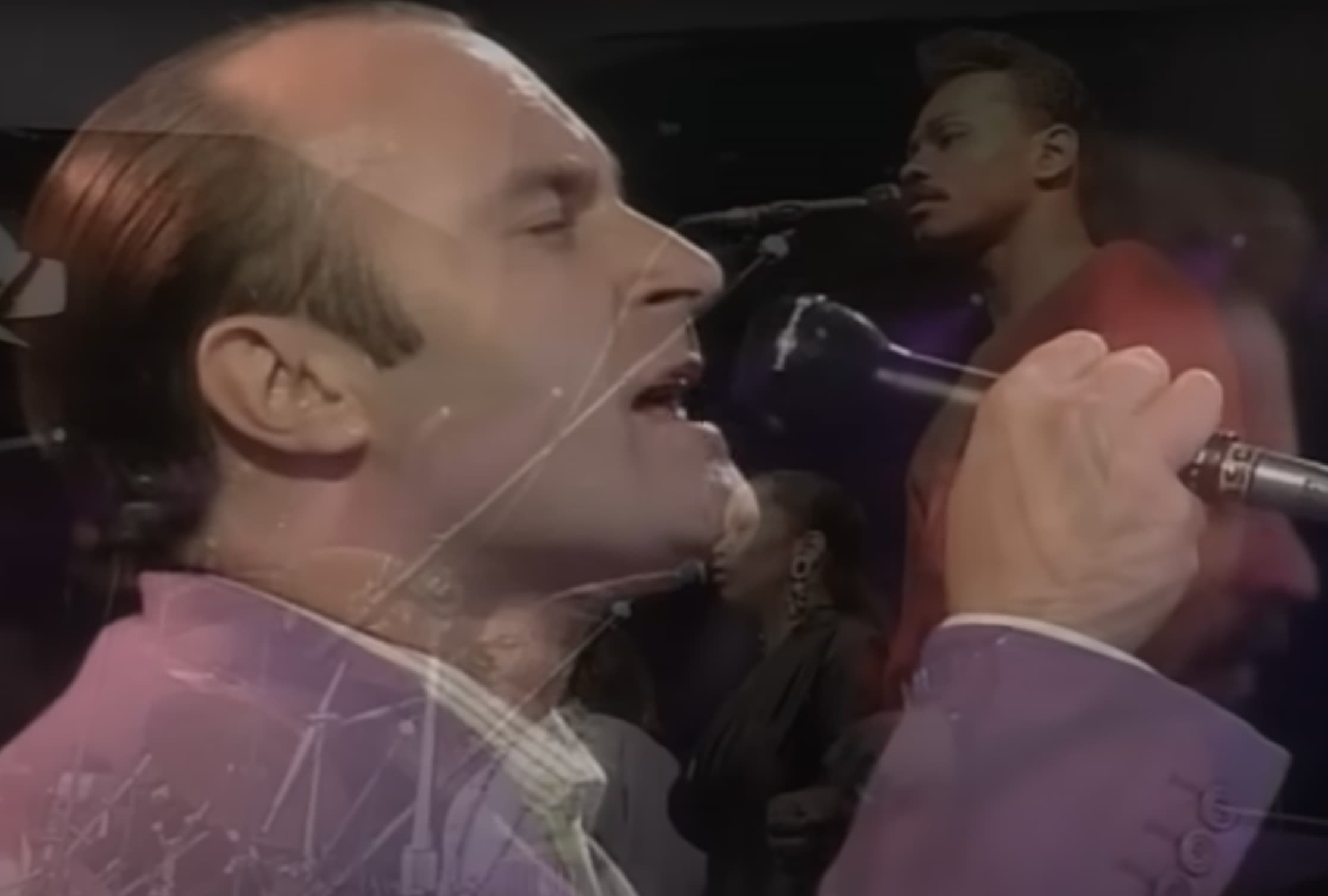
The 1984 MTV Video Music Awards marked the inaugural ceremony for the network's newly minted annual awards franchise, establishing a major platform to celebrate the burgeoning music video medium. Broadcast live from Radio City Music Hall in New York City, the event captured the commercial peak of 1980s pop culture, highlighted by Madonna's iconic performance of "Like a Virgin" and strong showings from established rock and pop acts.
Origins and Context of the First MTV Video Music Awards
Launched on September 14, 1984, the inaugural MTV Video Music Awards (VMAs) were created by MTV executives, including Bob Pittman, to validate and honor a format that was radically transforming the music industry. Founded just three years prior in 1981, MTV had rapidly evolved from a cable novelty into a powerful cultural and commercial engine that could single-handedly drive record sales. The network needed an awards show to rival established ceremonies like the Grammy Awards, but with a distinctively youthful, rebellious, and visually driven aesthetic.
Radio City Music Hall served as the venue for this first broadcast, anchoring the event in the heart of Manhattan. The aesthetic of the early 1980s music video industry was defined by high-concept storytelling, vibrant styling, and heavy rotation on cable television. The Moonman—officially titled the MTV Video Music Award, modeled after the network's original Apollo 11-inspired lunar landing astronaut bumper—was selected as the trophy. This statuette quickly became one of the most recognizable and coveted honors in popular music, cementing the cultural status of the awards show from its very first year.
Hosts and Notable Presenters
To steer the live broadcast, MTV tapped Dan Aykroyd and Bette Midler as co-hosts. Their pairing brought a blend of Hollywood glamour, sketch comedy, and sharp-witted banter that set the tone for future host dynamics across music television specials. Aykroyd and Midler utilized their comedic timing to bridge the gap between traditional show business and the emerging, youth-centric counterculture of music video directors and recording artists.
The presentation slate featured a cross-section of rock royalty, actors, and pop icons of the era. Presenters included David Bowie, Ronnie Wood, Rod Stewart, Cyndi Lauper, and Peter Gabriel, reflecting the broad spectrum of artists who embraced the video format. These presenters were not merely handing out trophies; they were active participants in a cultural shift that prioritized visual identity alongside sonic performance. Their presence helped legitimize the VMAs in the eyes of older music industry executives who initially viewed music videos as fleeting promotional gimmicks rather than legitimate art forms.
Breakthrough Performances and Memorable Moments
While several artists performed during the 1984 broadcast, certain moments transcended the telecast to become defining milestones in pop history. The most famous and enduring moment of the night belonged to Madonna. Emerging from the top of a giant multi-tiered wedding cake wearing a tattered wedding dress, a veil, and a belt emblazoned with the words "Boy Toy," she performed "Like a Virgin." Rolling around on the stage in a provocative display, Madonna pushed the boundaries of live television and instantly elevated her status from a rising pop act to a global superstar.
Other notable performances included Herbie Hancock, who delivered a mesmerizing rendition of his groundbreaking track "Rockit," showcasing the intersection of electronic music, breakdancing, and scratch DJing on live television. Cyndi Lauper, who led the night with a massive nine nominations, performed "Girls Just Want to Have Fun" and used her acceptance speeches to champion individuality and women's empowerment. These performances demonstrated to the industry that visual presentation was just as vital as vocal delivery in the modern music landscape.
Major Winners and Nominees of 1984
The competitive categories at the 1984 VMAs reflected the eclectic mix of rock, pop, synth-pop, and dance music dominating the Billboard charts. The night's biggest winner in terms of total trophies was Herbie Hancock, whose video for "Rockit" swept multiple technical and artistic categories, taking home five awards, including Best Concept Video and Best Special Effects.
The most prestigious category of the evening, Video of the Year, pitted several culture-defining videos against one another. The Cars ultimately took home the inaugural Video of the Year trophy for "You Might Think," directed by Marcelo Anciano and Jeff Stein, beating out heavy favorites like Michael Jackson's "Thriller," The Police's "Every Breath You Take," and Herbie Hancock's "Rockit."
| Category | Winner | Nominees |
|---|---|---|
| Video of the Year | The Cars – "You Might Think" | Herbie Hancock – "Rockit"Michael Jackson – "Thriller"The Police – "Every Breath You Take"Cyndi Lauper – "Girls Just Want to Have Fun" |
| Best Male Video | David Bowie – "China Girl" | Herbie Hancock – "Rockit"Michael Jackson – "Billie Jean"Lionel Richie – "All Night Long (All Night)"Billy Idol – "Eyes Without a Face" |
| Best Female Video | Cyndi Lauper – "Girls Just Want to Have Fun" | Pat Benatar – "Love Is a Battlefield"Madonna – "Borderline"Donna Summer – "She Works Hard for the Money"Tracey Ullman – "They Don't Know" |
| Best Group Video | The Police – "Every Breath You Take" | Culture Club – "Karma Chameleon"Duran Duran – "The Reflex"Huey Lewis and the News – "I Want a New Drug"Van Halen – "Jump" |
| Best New Artist in a Video | Eurythmics – "Sweet Dreams (Are Made of This)" | Cyndi Lauper – "Girls Just Want to Have Fun"Madonna – "Borderline"Nik Kershaw – "Wouldn't It Be Good"Paul Young – "Come Back and Stay" |
The Impact on the Music Video Industry
The establishment of the MTV Video Music Awards fundamentally altered the economics and creative direction of the music industry. Before 1984, record labels often viewed music videos as low-budget promotional tools to be serviced to television networks. The success and high-profile nature of the VMA ceremony signaled that music videos were standalone creative works capable of generating significant revenue and cultural capital.
Directors and producers suddenly found themselves treated as auteurs, with names like Godley & Creme, Steve Barron, and John Landis gaining widespread recognition. Budgets for music videos swelled as labels realized that an inventive, high-production-value video could propel a track to the top of the charts. Furthermore, the VMAs created a new paradigm for artist promotion, proving that a single live television performance or award-winning visual could define an artist's career trajectory overnight.
Frequently Asked Questions
Who hosted the first MTV Video Music Awards in 1984?
The inaugural 1984 MTV Video Music Awards were co-hosted by comedian and actor Dan Aykroyd and actress and singer Bette Midler. Their partnership combined classic Hollywood show business with contemporary pop culture commentary, establishing a comedic template for subsequent hosts of the annual ceremony.
Which music video won Video of the Year at the 1984 VMAs?
The Cars won the very first Video of the Year award for "You Might Think." They triumphed over a competitive field that included Michael Jackson’s "Thriller," The Police’s "Every Breath You Take," and Herbie Hancock’s "Rockit."
What was the most controversial or memorable moment of the 1984 ceremony?
Madonna’s live performance of "Like a Virgin" is universally recognized as the defining moment of the 1984 VMAs. Emerging from a wedding cake in a bridal outfit and rolling dramatically across the Radio City Music Hall stage, she delivered a breakout performance that launched her into global superstardom.
How many awards did Herbie Hancock win at the 1984 VMAs?
Herbie Hancock won five awards at the 1984 ceremony, primarily for his innovative music video "Rockit." The wins included Best Concept Video, Best Special Effects, Best Art Direction, Best Editing, and Most Experimental Video, making him the most-awarded artist of the night.
Where was the 1984 MTV Video Music Awards broadcasted from?
The 1984 VMAs were broadcast live from Radio City Music Hall in New York City. The iconic venue lent an air of theatrical grandeur and historic importance to the network's first major awards presentation.
Conclusion and Legacy
The 1984 MTV Video Music Awards succeeded in transforming an experimental cable network's promotional broadcast into an essential cultural institution. By honoring artistic achievement in the music video medium, the ceremony validated a new generation of filmmakers, musicians, and choreographers. The events of that night in Radio City Music Hall—from Madonna's star-making turn to The Cars' surprise top victory—demonstrated the unmatched power of visual music programming, setting a standard for entertainment award shows that persists into the modern era.