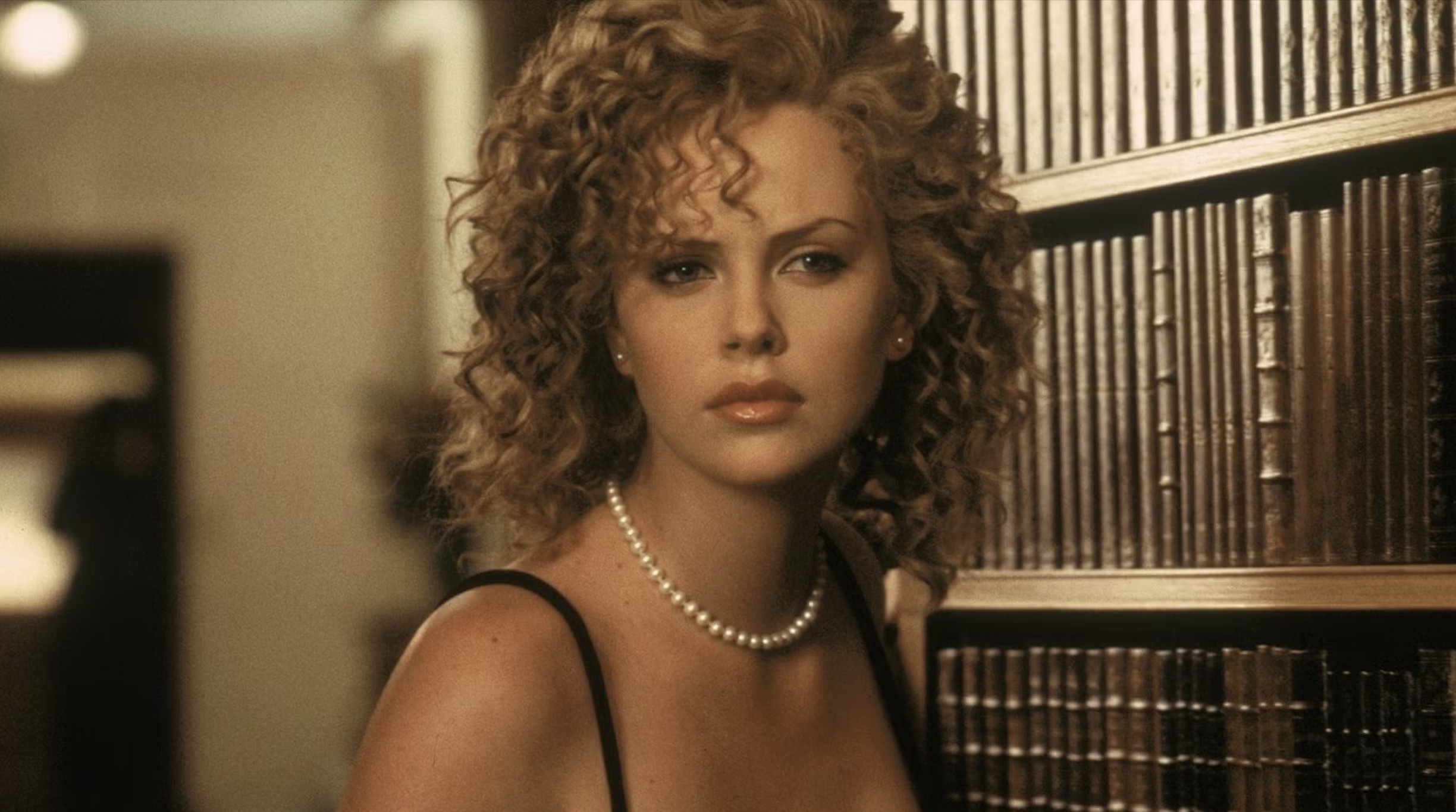
The 1990s horror actresses who defined the decade transformed the genre by blending traditional survival horror archetypes with post-modern irony, psychological depth, and physical resilience. From slasher revivals and psychological thrillers to indie masterworks, these performers shaped how fear was portrayed on screen during a transitional era for cinema.
The 1990s occupies a fascinating, transitional space in the history of horror cinema. Coming off the heels of the practical-effects-heavy, slasher-saturated 1980s, the decade began in a state of creative exhaustion before being completely revitalized in 1996 by Wes Craven’s Scream. This shift changed not only the narrative structures of scary movies but also redefined the roles of the women inhabiting them. Gone were the days when female characters existed solely as passive victims waiting to be rescued. Instead, 1990s horror actresses portrayed hyper-aware, media-savvy, athletic, and psychologically complex protagonists and villains who subverted expectations. Examining this era reveals how specific talents navigated franchise revivals, psychological thrillers, and indie horror, permanently altering the cinematic landscape.
The Post-Slasher Landscape and the Evolution of the Scream Queen
Before the mid-1990s, the horror genre was largely perceived as a cinematic dead end, populated by straight-to-video sequels and exhausted franchises. However, the genre underwent a massive commercial and cultural rebirth, and at the center of this renaissance were actresses who understood how to balance genuine terror with self-aware humor.
The archetype of the Scream Queen evolved drastically during this period. Actresses were no longer merely required to run down hallways and scream into the camera. They had to outsmart killers who possessed detailed knowledge of horror movie tropes. This meta-textual awareness demanded a higher level of comedic timing and dramatic grounding. Performers had to make audiences believe in the genuine stakes of life-and-death situations while acknowledging the absurdity of the cinematic universe they inhabited.
Furthermore, the economic shift in Hollywood during the 1990s meant that horror films were increasingly viewed as reliable box-office hits, elevating the profiles of their leading women. These actresses transitioned from genre staples to mainstream movie stars, proving that horror could launch major Hollywood careers.
Defining Figures of the 1990s Horror Renaissance
A select group of performers defined the decade through iconic performances in foundational horror releases. Their work established the standard for the era's suspense, satire, and psychological terror.
Neve Campbell and the Meta-Slasher Era
As Sidney Prescott in the Scream tetralogy (starting in 1996), Neve Campbell became the definitive horror icon of the decade. Campbell brought a grounded, melancholic gravity to a franchise that otherwise reveled in postmodern irony. Her performance avoided the campiness that often plagued horror leads, grounding the frantic set-pieces in genuine trauma and resilience. Sidney Prescott was resilient, analytical, and refused to play the victim, setting a new benchmark for final girls.
Jennifer Love Hewitt and the Teen Horror Boom
Following the massive success of Scream, Hollywood scrambled to adapt young adult suspense novels and urban legends, leading to I Know What You Did Last Summer (1997). Jennifer Love Hewitt anchored this cultural wave as Julie James. Hewitt captured the frantic vulnerability and lingering guilt of a generation of cinematic teenagers caught in inescapable circumstances. Her frantic, tear-stained chases defined the aesthetic of late-90s teen horror television and film.
Fairuza Balk and Darker Psychological Turns
While mainstream teen horror embraced glossy casts, alternative and psychological horror found its footing with performers like Fairuza Balk. In films like The Craft (1996) and The Island of Dr. Moreau (1996), Balk specialized in unhinged intensity and gothic menace. Her portrayal of Nancy Downs in The Craft remains a masterclass in villainous magnetism, blending teenage angst with genuine occult terror. Balk proved that 1990s horror actresses could excel just as easily in dark, morally complex antagonist roles as they could as heroic survivors.
Toni Collette and the Psychological Dread
Though her breakout horror masterpiece Hereditary arrived decades later, Toni Collette’s haunting work in M. Night Shyamalan’s The Sixth Sense (1999) cemented her status as a premier dramatic actress capable of anchoring supernatural terror. As Lynn Sear, Collette portrayed maternal anguish and cognitive dissonance with an emotional rawness that elevated supernatural fiction into high-art drama.
Comparative Overview of 1990s Horror Archetypes
| Actresses | Primary Era Defining Films | Key Archetype / Role | Cultural & Cinematic Impact |
|---|---|---|---|
| Neve Campbell | Scream (1996), Scream 2 (1997) | The Resilient Final Girl / Survivor | Redefined the final girl by blending trauma with meta-awareness and tactical survival skills. |
| Jennifer Love Hewitt | I Know What You Did Last Summer (1997) | The Terrorized Teenager | Spearheaded the late-90s boom of glossy, youth-oriented psychological thrillers. |
| Fairuza Balk | The Craft (1996) | The Occult Antagonist / Rebel | Brought psychological complexity and dark charisma to teenage witch narratives. |
| Parker Posey | Scream 3 (2000), The House of Yes (1997) | The Satirical / Eccentric Outsider | Bridged indie-film sensibilities with mainstream horror-comedy tropes. |
The Indie and Art-House Horror Contributions
While franchise filmmaking dominated box offices, the 1990s also birthed an independent film movement that valued atmospheric dread over jump scares. Actresses in these projects often worked with minimal budgets, relying on intense emotional performances to carry the narrative.
In independent and psychological horror, performers had to navigate slow-burn narratives. This required a deep understanding of pacing, silence, and subtle physical acting. These actresses often portrayed women on the brink of psychological collapse, exploring themes of domestic entrapment, repressed memory, and societal alienation. Their work paved the way for the elevated horror movement of the twenty-first century, proving that scary movies could serve as vehicles for profound explorations of human trauma.
Behind-the-Scenes Realities and Physical Demands
Portraying a horror icon in the 1990s was physically grueling. Before the widespread implementation of digital computer-generated imagery (CGI), special effects were largely practical. Actresses frequently spent grueling night shoots running through cold forests, covered in corn-syrup-based fake blood, navigating intricate stunt choreography, and working alongside physical creature effects.
- Stunt Work: Many performers performed significant portions of their own chase scenes and physical confrontations to maintain authentic camera angles and tension.
- Emotional Stamina: Maintaining a state of high-octane panic and terror for 12-hour shooting days required intense mental discipline.
- Practical Effects Limitations: Because retakes meant resetting elaborate, messy practical blood rigs and wardrobe changes, precision was paramount.
Frequently Asked Questions About 1990s Horror Actresses
Who is considered the ultimate Scream Queen of the 1990s?
Neve Campbell is widely considered the ultimate Scream Queen of the 1990s due to her starring role as Sidney Prescott in the immensely successful Scream franchise, which revitalized the slasher subgenre.
How did 1990s horror actresses differ from those in the 1980s?
Unlike the passive victims often found in 1980s slashers, 1990s horror actresses typically portrayed media-savvy, proactive characters who understood horror tropes, fought back physically, and possessed complex psychological backgrounds.
What role did teen idols play in 1990s horror?
Following the box-office success of Scream, studios cast popular television and teen magazine stars—such as Jennifer Love Hewitt, Sarah Michelle Gellar, and Brandy Norwood—in horror films to appeal directly to younger demographic audiences.
Were there notable indie horror performances during this decade?
Yes, actresses like Fairuza Balk and Lili Taylor delivered critically acclaimed performances in indie and mid-budget psychological thrillers and supernatural dramas that leaned away from traditional slasher formulas.
Next Actions and Further Exploration
For film historians, enthusiasts, and aspiring screenwriters studying this era, the best approach is to revisit the foundational texts of the decade. Watch Scream and The Craft back-to-back to observe the contrasting ways trauma and empowerment were written for women in mainstream versus alternative horror spaces. Pay close attention to how physical blocking, lighting, and dialogue delivery worked in tandem to establish suspense before the era of digital enhancements.