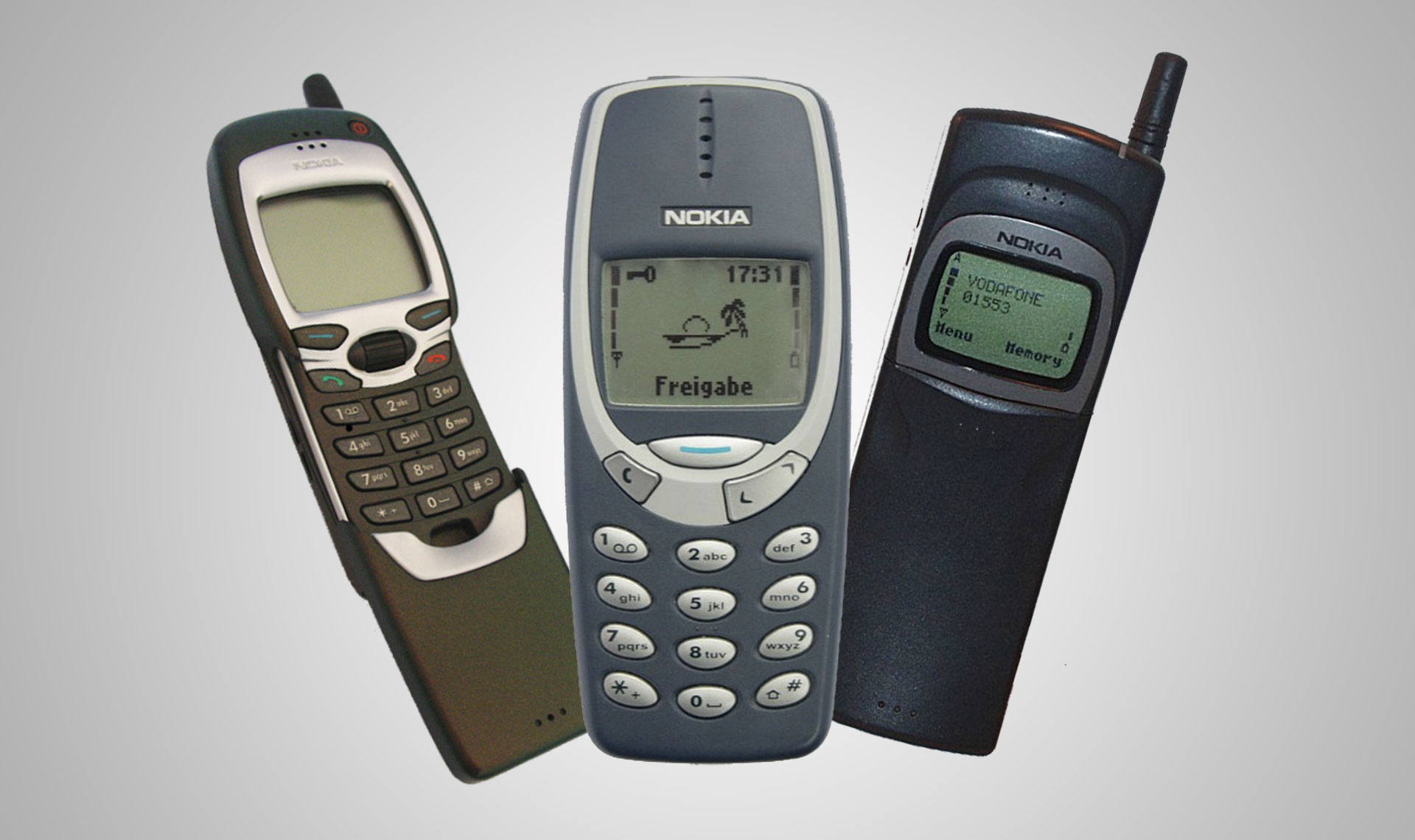
The decade spanning from 2000 to 2009 was a transformative era of rapid technological advancement, shifting how humanity communicated, entertained itself, navigated the physical world, and accessed information. Defined by the transition from analog mechanics to digital ubiquity, the 2000s introduced groundbreaking products that quickly became indispensable to daily life, fundamentally altering modern culture and establishing the technological baseline of the twenty-first century.
1. Apple iPod (2001)
When Apple introduced the iPod in October 2001, portable music consumption changed forever. Competing against bulky portable CD players and early, low-capacity flash-based MP3 players, the iPod revolutionized the industry with its iconic mechanical scroll wheel and the promise of holding "1,000 songs in your pocket."
Technical Specifications and Ecosystem Impact
Powered initially by a 5GB hard drive and later expanding significantly in capacity, the iPod relied on a custom Toshiba 1.8-inch hard drive architecture. Its true brilliance, however, lay in its integration with iTunes, launched in 2001, and the subsequent opening of the iTunes Music Store in 2003. This ecosystem solved the piracy and friction-ridden landscape of peer-to-peer file sharing by offering legal, single-track music purchases for 99 cents.
Pros, Cons, and Legacy
- Pros: Massive storage capacity for its era, highly intuitive user interface, seamless synchronization with personal computers, and premium industrial design.
- Cons: Fragile mechanical hard drives in early models that were susceptible to shock damage, proprietary 30-pin connector cables, and closed software architecture.
- Legacy: The iPod served as the literal and structural stepping stone for the iPhone, proving that consumers would embrace high-end, beautifully designed pocket computers for media consumption.
2. Apple iPhone (2007)
Unveiled by Steve Jobs in January 2007, the original iPhone combined three products into one: a revolutionary widescreen iPod with touch controls, a revolutionary mobile phone, and a breakthrough internet communicator. It effectively killed the era of physical QWERTY keyboards and resistive touchscreens.
Redefining Mobile Computing
The device introduced multi-touch gestures to the mass market, allowing users to pinch, swipe, and scroll fluidly across a capacitive glass screen. Running a scaled-down version of OS X (later named iOS), the iPhone shifted mobile devices from simple voice-and-text tools into pocket-sized personal computers. The launch of the App Store in 2008 further expanded its capabilities, creating an entirely new software economy.
3. Nintendo Wii (2006)
In a market dominated by raw processing power and high-definition graphics pursued by Sony’s PlayStation 3 and Microsoft’s Xbox 360, Nintendo took a radical gamble with the Wii. Released in November 2006, the console prioritized motion-based gameplay over graphical fidelity.
Expanding the Gaming Demographic
The Wii Remote (Wiimote) utilized internal accelerometers and an infrared sensor bar to translate physical gestures into on-screen actions. This lowered the barrier to entry for video games, successfully engaging demographics that had previously ignored gaming, including young children, parents, and elderly residents in care facilities. Games like Wii Sports became global cultural phenomena, proving that intuitive, physical interaction could trump photorealism.
4. Netflix Streaming Service (2007)
Founded originally as a DVD-by-mail rental service in 1997, Netflix fundamentally altered human media consumption in 2007 by launching its subscription-based video-on-demand streaming service.
The Shift from Physical to Digital Media
Initially offering a modest catalog of digital content, streaming liberated viewers from the tyranny of television broadcast schedules and late fees associated with physical video rental stores like Blockbuster. By pioneering algorithmic recommendation engines and eventually moving into original programming, Netflix established the infrastructure for the modern streaming era, directly causing the decline of linear cable television packages.
5. Amazon Kindle (2007)
Released in November 2007, the first-generation Amazon Kindle revolutionized reading by introducing electronic paper (E Ink) technology to a mass consumer audience. The device allowed users to download books wirelessly via the proprietary Whispernet network without needing a computer connection.
Digital Reading and Portability
The E Ink display mimicked physical paper, eliminating the eye strain associated with backlit LCD screens while offering adjustable font sizes and instantaneous dictionary lookups. By enabling users to carry thousands of books in a lightweight device that offered weeks of battery life, the Kindle revitalized the digital publishing industry and democratized self-publishing.
6. Social Media Platforms: Facebook (2004) and Twitter (2006)
The mid-2000s redefined human connectivity through the rapid rise of social networking websites. Facebook, launched from a Harvard dorm room in 2004, and Twitter (now X), launched in 2006, transformed the internet from a static information repository into an interactive, user-generated social grid.
Restructuring Global Communication
These platforms introduced persistent digital identities, real-time status updates, and algorithmic news feeds. They collapsed geographical distances, revolutionized marketing and political campaigning, and fundamentally altered how humans share information, maintain relationships, and consume news.
7. YouTube (2005)
Founded by former PayPal employees in February 2005, YouTube democratized video broadcasting. Before YouTube, publishing video content to a global audience required expensive hosting infrastructure, specialized file formats, and technical expertise.
Democratizing Video Content
YouTube simplified the process by allowing anyone with an internet connection and a basic digital camera to upload, share, and embed video content. Operating on Adobe Flash Player initially, the platform birthed the creator economy, transformed amateur videography into a global profession, and established video as the primary medium of internet communication.
8. Tesla Roadster (2008)
While electric vehicles (EVs) had long been dismissed as slow, impractical golf carts with extremely limited ranges, the Tesla Roadster, released in 2008, shattered those misconceptions. Built on a modified Lotus Elise chassis, the Roadster was a high-performance sports car powered entirely by lithium-ion battery cells.
Catalyzing the Electric Vehicle Revolution
The Roadster proved that electric vehicles could be fast, desirable, and fun to drive. It provided the critical R&D capital and brand prestige necessary for Tesla to fund subsequent mass-market vehicles like the Model S, permanently shifting the global automotive industry toward electric propulsion.
9. GPS Navigation Systems in Smartphones and Dedicated Units
While Global Positioning System (GPS) technology originated decades earlier for military applications, the 2000s marked its transition into an everyday consumer utility. Driven by companies like TomTom, Garmin, and eventually smartphone integration, portable GPS devices eliminated the need for bulky, folded paper road maps.
Eliminating Spatial Anxiety
Real-time turn-by-turn navigation transformed travel, reducing transit times, preventing navigational errors, and empowering drivers to explore unfamiliar cities with confidence. This technology laid the groundwork for modern ride-sharing apps, food delivery services, and location-based mobile applications.
10. Blu-ray Disc (2006)
As high-definition flat-screen televisions rapidly replaced CRT displays in the mid-2000s, standard DVDs could no longer provide adequate resolution. The Blu-ray Disc format, launched in 2006 after a bitter format war with Toshiba’s HD DVD, provided the massive storage capacity required for 1080p high-definition video and lossless multichannel audio.
The Pinnacle of Physical Home Media
Utilizing a blue-violet laser instead of the red laser used in DVDs, Blu-ray discs stored up to 25GB on a single layer (and 50GB on dual layers). Although eventually supplanted by streaming services, Blu-ray remains the gold standard for physical media enthusiasts seeking uncompressed audio and visual fidelity.
Comparative Overview of 2000s Innovations
| Invention | Release Year | Primary Industry | Main Consumer Benefit | Lasting Impact |
|---|---|---|---|---|
| Apple iPod | 2001 | Consumer Electronics | Portable music storage | Preceded the smartphone revolution |
| Apple iPhone | 2007 | Telecommunications | Mobile computing and touch UI | Established the modern app economy |
| Nintendo Wii | 2006 | Video Gaming | Motion-controlled gaming | Expanded gaming to new demographics |
| Netflix Streaming | 2007 | Entertainment | On-demand digital video | Upended traditional television and rental stores |
| Amazon Kindle | 2007 | Publishing | Portable electronic reading | Modernized e-books and reading habits |
| Social Media | 2004–2006 | Communications | Global social networking | Altered human interaction and news dissemination |
| YouTube | 2005 | Digital Media | User-generated video sharing | Created the digital creator economy |
| Tesla Roadster | 2008 | Automotive | High-performance electric driving | Catalyzed the global EV transition |
| Consumer GPS | Mid-2000s | Navigation | Turn-by-turn routing | Eliminated paper maps and enabled gig economies |
| Blu-ray Disc | 2006 | Home Video | High-definition physical media | Set the benchmark for home theater fidelity |
Frequently Asked Questions
Why are 2000s inventions considered so transformative?
The 2000s bridged the gap between analog infrastructure and digital ubiquity. During this decade, hardware miniaturization, falling memory costs, and the expansion of high-speed broadband internet converged to turn complex technologies into intuitive consumer products.
How did the iPod change the music industry?
The iPod, paired with the iTunes Music Store, offered a legal, frictionless alternative to illegal downloading networks like Napster and LimeWire. It proved consumers were willing to pay for single digital tracks rather than entire physical albums.
Did the iPhone invent the smartphone?
No. Companies like BlackBerry, Palm, and Nokia manufactured smartphones prior to 2007. However, the iPhone revolutionized the category by introducing a capacitive multi-touch screen, eliminating physical keyboards, and establishing the modern app store ecosystem.
What caused the format war between Blu-ray and HD DVD?
The conflict centered on storage capacity and industry backing. Blu-ray offered greater storage (25GB vs. 15GB per single layer) and secured crucial Hollywood studio partnerships, ultimately winning consumer adoption and rendering HD DVD obsolete by 2008.
How did the Nintendo Wii achieve mainstream success against rivals?
Rather than competing on processing power, the Wii focused on accessibility and motion controls. By making video games physically intuitive, it attracted families, older adults, and casual players who felt alienated by complex traditional controllers.
Practical Next Steps for Tech Enthusiasts
To explore or preserve the technology of this era, consider visiting online tech preservation archives, exploring retro gaming communities, or digitizing legacy physical media formats (such as standard definition home videos and physical CDs) using modern lossless compression tools. Understanding these foundational 2000s inventions provides vital context for evaluating contemporary advancements in artificial intelligence, spatial computing, and mobile hardware.