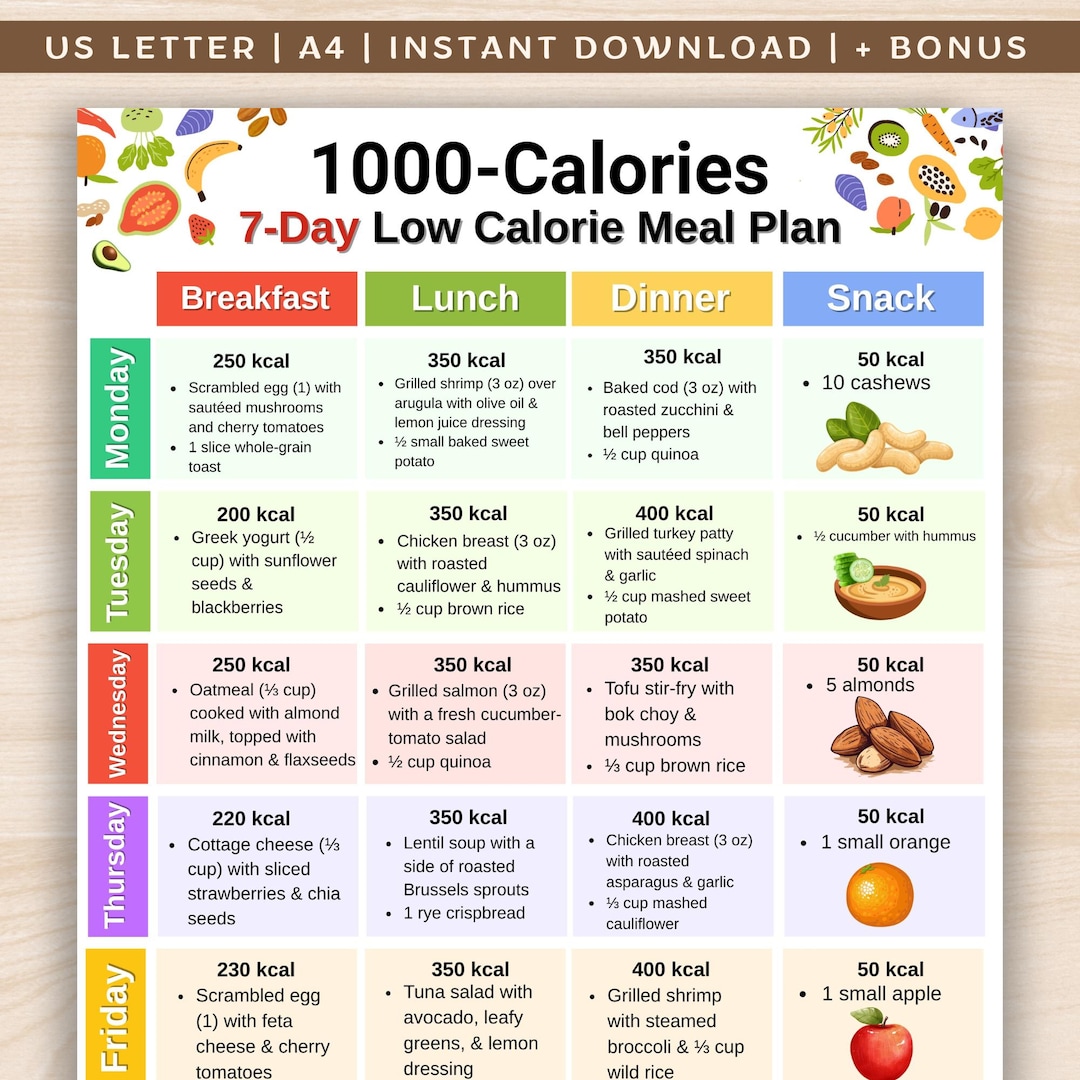
Maintaining dietary awareness while dining at quick-service restaurants is a common challenge for busy individuals. While fast food is often associated with high caloric density, many major chains provide nutritional transparency that allows diners to select complete, satisfying meals that fall under the 1000-calorie threshold. By utilizing official nutritional calculators and understanding how portion sizes and ingredient modifications impact total energy intake, it is possible to make informed choices that fit into a standard daily caloric budget.
Understanding Caloric Density in Quick-Service Dining
Fast food is engineered for convenience, but this convenience often comes in the form of calorie-dense ingredients such as heavy sauces, breaded proteins, and large portions of refined carbohydrates. A "meal" in this context typically includes an entrée, a side, and a beverage. When aiming to stay under 1000 calories, the strategy focuses on the cumulative total rather than the individual items.
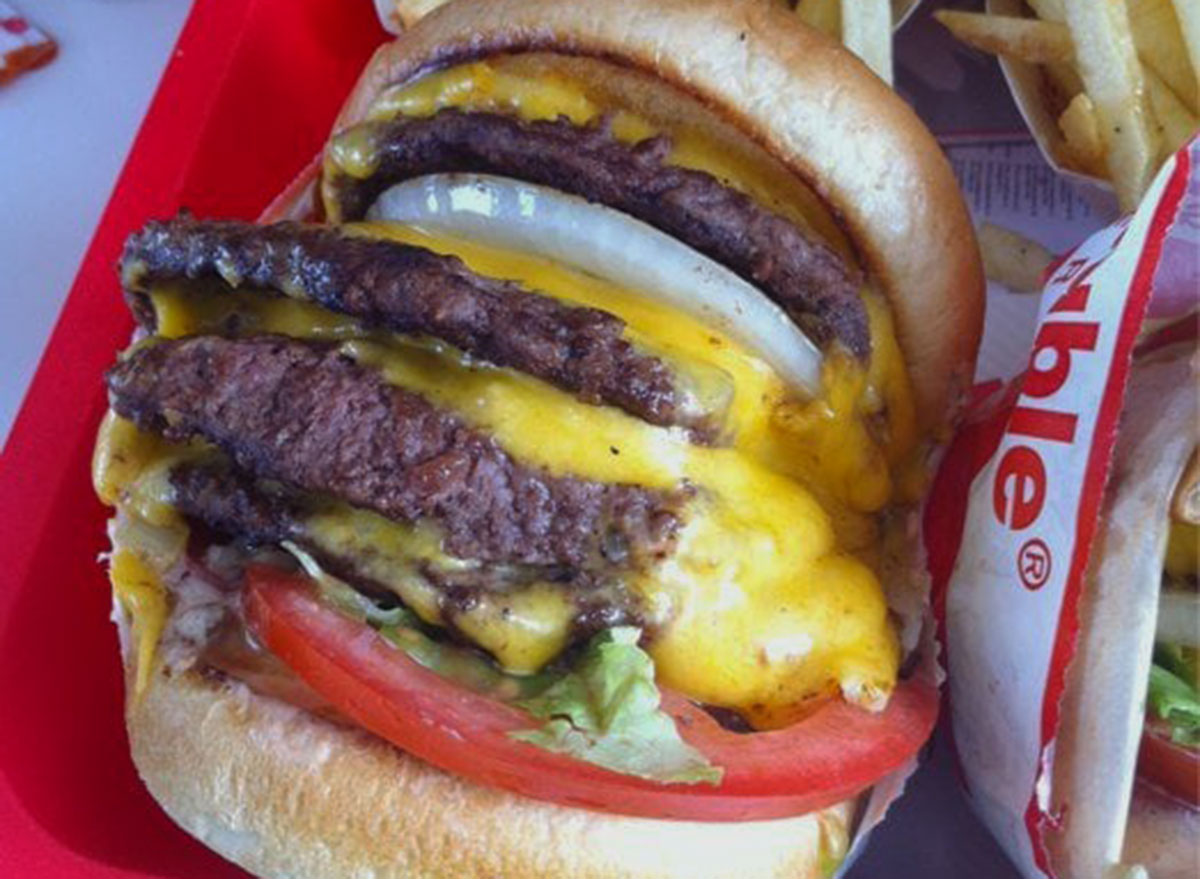
The caloric load of a meal is rarely defined by the main protein alone. Instead, it is frequently driven by "add-ons"—the hidden calories found in mayonnaise, creamy dressings, cheese slices, and sugary sodas. For instance, a standard cheeseburger might contain 300–400 calories, but upgrading to a "large" combo with fries and a milkshake can easily push that same meal over 1500 calories. Understanding this distinction is the first step toward effective caloric management.
Strategic Selection: How to Build a Balanced Meal
To keep a fast-food order under the 1000-calorie mark, you must be prepared to customize your order. Most major franchises offer mobile applications or online nutrition portals that allow you to toggle ingredients off and on.
- Prioritize Protein: Choose grilled chicken or lean beef patties over fried or breaded alternatives. Breaded items are often deep-fried, which adds significant caloric density through saturated fats.
- Monitor Condiments: Ask for sauces on the side or request mustard or hot sauce instead of mayonnaise-based "special sauces." This simple change can save 100–200 calories per serving.
- Beverage Choices: Calories in liquids are often overlooked. Substituting a 32-ounce soda (approximately 300–400 calories) for unsweetened iced tea or water is the most efficient way to lower your meal's total caloric footprint.
- Side Substitutions: Replace deep-fried French fries with side salads, fruit cups, or vegetable sides when available. If fries are desired, opt for the smallest available portion size.
Nutritional Comparison Table: Representative Menu Items
The following table provides examples of how different menu combinations impact total caloric intake. These values are estimates based on standard 2026 nutritional documentation provided by national chains.
| Meal Component | Standard Option (Calories) | Modified Option (Calories) | Savings |
|---|---|---|---|
| Main Entrée | Breaded Chicken Sandwich (650) | Grilled Chicken Sandwich (420) | 230 |
| Side Dish | Large French Fries (480) | Small Side Salad w/ Dressing (150) | 330 |
| Beverage | Large Fountain Soda (350) | Diet Soda or Water (0) | 350 |
| Total Meal | 1480 Calories | 570 Calories | 910 |
Note: Caloric values are approximations based on average industry data. Always consult the specific chain’s official website or in-store nutritional guide for the most accurate information regarding local preparations.
Prerequisites and Limitations
Before relying on fast-food nutrition guides, it is important to understand their limitations. Nutritional data provided by corporations represents a "standard" build. If a staff member uses an extra pump of sauce, a larger scoop of dressing, or a slightly different slice of cheese, the actual caloric content will fluctuate.
Furthermore, nutritional needs are highly individualized. A "1000-calorie meal" may be appropriate for one person's daily requirements but significantly out of balance for another. If you have specific medical conditions, such as diabetes or heart disease, you should consult with a healthcare professional or a registered dietitian before making fast food a recurring part of your diet. Relying on processed foods can result in high sodium intake, even when the total caloric count is controlled.
Practical Steps for Ordering
To ensure your order remains under your target limit, follow these operational steps:
- Pre-Check the App: Review the menu in the restaurant's mobile app before arriving. Use the "nutrition" or "customize" feature to see how removing an ingredient changes the caloric total.
- Verify the Build: When ordering, confirm with the staff if sauces are applied by default. Ordering "sauce on the side" gives you control over the amount consumed.
- Check Portion Sizes: Larger chains often have multiple sizes for burgers and sides. If you are hungry, consider ordering a single standard entrée rather than two smaller items, as the latter often includes extra buns and sauces that contribute to unnecessary calories.
- Check for Seasonal Variations: Limited-time offers (LTOs) often feature ingredients that are not standard across the core menu. These items are frequently higher in calories due to experimental toppings or larger sizes. Always check the nutrition facts for these specific items before ordering.
Troubleshooting Common Challenges
What if the menu does not clearly list calories? By 2026, many regional jurisdictions mandate that chain restaurants with more than a specific number of locations display calorie counts on the menu board. If you are in a location where this is not displayed, ask for a printed nutritional brochure or check the brand's website.
What if you are still hungry? If you find that a sub-1000 calorie meal leaves you dissatisfied, focus on higher-volume, lower-calorie sides. Side salads, apple slices, or extra water can help increase satiety without significantly adding to your energy total. Avoid "value menu" additions, which are typically processed, high-calorie items designed to increase the price—and the caloric total—of the order.
Frequently Asked Questions
Are "under 1000 calorie" meals necessarily healthy? Not necessarily. While controlling calories is a primary component of weight management, "healthy" also includes macronutrient balance and micronutrient density. Fast food is often high in sodium and low in fiber. Aim to balance these meals with whole foods during other times of the day.
Does the order method (in-person vs. kiosk vs. app) change the nutrition? The nutrition of the food itself does not change, but using a digital interface (kiosk or app) allows you to see the exact caloric impact of modifications in real-time, which is often easier than requesting changes verbally at a counter.
Are there hidden calories in "healthy-sounding" items? Yes. Salads can sometimes exceed 1000 calories if they are served with heavy, oil-based dressings, candied nuts, bacon bits, or fried chicken strips. Always check the salad dressing calories, as a single packet can add 200–300 calories.
Can I trust the nutrition labels at all fast-food restaurants? Legitimate franchises invest in precise ingredient measurement to ensure consistency across locations. However, human error in assembly is always a variable. If you are strictly tracking calories for medical reasons, treat published values as accurate estimates rather than absolute certainties.
What is the best way to handle "combo" deals? Combo deals are designed for value, not health. The best strategy is to order the entrée separately and skip the combo side or drink if they exceed your caloric budget, even if it seems less "economical" in terms of price.
Next Steps for Mindful Dining
To master your caloric intake while eating out, start by tracking your meals for one week using a reliable food-logging application. This provides a baseline understanding of how your preferred items fit into your goals. Moving forward, use the mobile apps for your three most frequented restaurants to pre-calculate your "go-to" orders. By removing the guesswork and having a standard, pre-vetted order ready, you can enjoy the convenience of fast food while adhering to your personal health objectives.