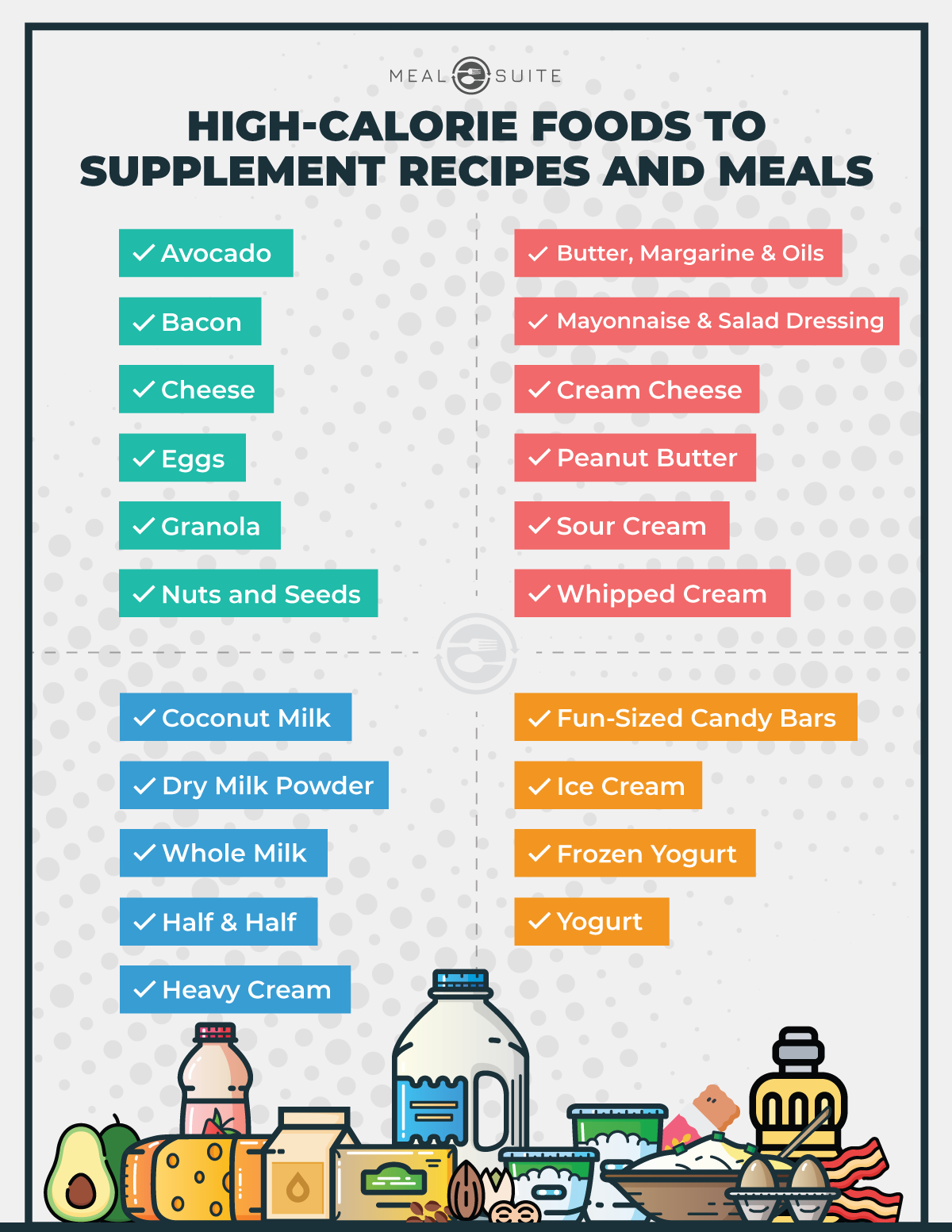
Consuming 1,000-calorie meals is a strategic approach for individuals aiming for significant weight gain, athletic performance enhancement, or recovery from medical conditions characterized by cachexia. Achieving this caloric density requires a balance of nutrient-dense whole foods, healthy fats, and complex carbohydrates to ensure that weight gain is physiologically sustainable and supports metabolic health.
Understanding High-Caloric Density
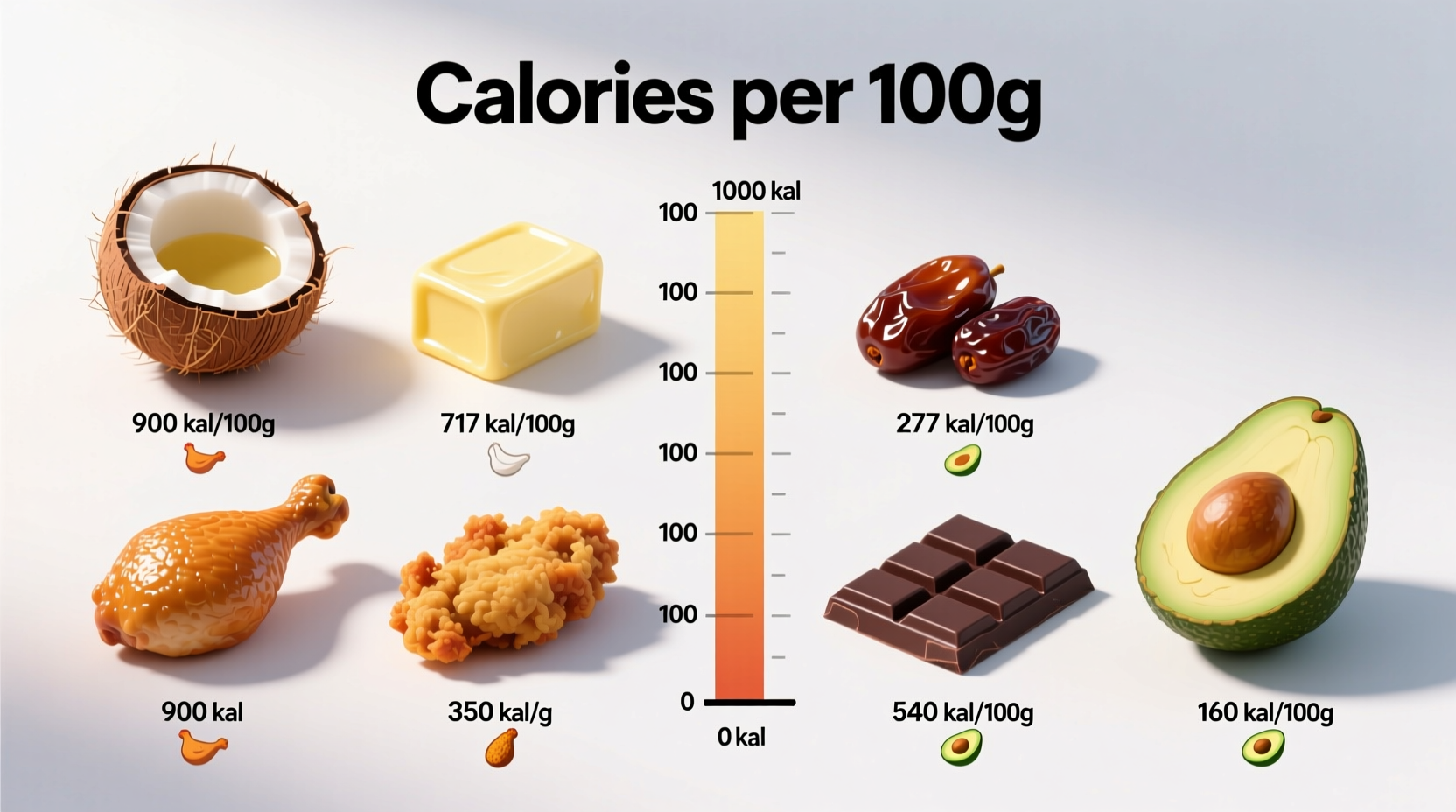
When navigating a high-calorie diet, the objective is to maximize energy intake without inducing gastrointestinal distress. A meal reaching the 1,000-calorie threshold must go beyond merely "eating more"; it requires an understanding of caloric density. Caloric density refers to the amount of energy provided by a specific weight or volume of food. Foods high in fat, such as nuts, seeds, oils, and fatty cuts of protein, offer the highest caloric density, providing nine calories per gram compared to the four calories per gram found in carbohydrates and proteins.
For individuals struggling with a low appetite or those with high metabolic demands, the challenge is often the physical volume of food required to meet these targets. Relying solely on low-density foods like leafy greens or high-fiber vegetables can cause early satiety, making it difficult to hit the 1,000-calorie mark. Therefore, the architectural strategy for these meals involves "caloric layering"—incorporating calorie-dense boosters into nutrient-dense foundations.
Foundations of 1,000-Calorie Meal Planning
To build a 1,000-calorie meal that provides balanced nutrition, you should follow a structure that combines a primary protein source, a complex carbohydrate, and healthy fat additions.
1. The Protein Anchor: Start with 6–8 ounces of a protein source. Options such as salmon, ground beef (80/20 lean-to-fat ratio), or skin-on chicken thighs are inherently more caloric than white fish or chicken breast. 2. The Carbohydrate Base: Utilize dense sources like pasta, brown rice, oats, or quinoa. These provide the necessary glycogen to fuel training sessions or prevent muscle breakdown. 3. The Fat Booster: This is the most efficient way to scale calories. A tablespoon of olive oil, avocado oil, or butter adds approximately 100–120 calories. Nuts, seeds, and avocado provide healthy fats that increase the meal's caloric floor without significantly increasing its bulk.
Macronutrient Distribution and Health
While the primary goal is reaching 1,000 calories, the composition of those calories determines how the body utilizes them. A diet consisting of ultra-processed, high-sugar foods may reach the calorie goal quickly but fails to provide the micronutrients, fiber, and steady energy required for sustained vitality.
- Proteins: Essential for muscle protein synthesis, especially for those in a weight-gain phase. Aim for 25–35 grams per meal.
- Fats: These are your primary tool for increasing caloric density. They are essential for hormone production and nutrient absorption.
- Carbohydrates: These fuel physical activity and prevent the body from catabolizing muscle tissue for energy.
The table below outlines common high-calorie ingredients and their approximate caloric impact per serving, which can be mixed and matched to construct a 1,000-calorie meal.
| Food Item | Typical Serving | Approx. Calories |
|---|---|---|
| Extra Virgin Olive Oil | 2 Tablespoons | 240 |
| Avocado | 1 Whole | 250–300 |
| Peanut Butter | 2 Tablespoons | 190 |
| Whole Milk Greek Yogurt | 1 Cup | 200 |
| Quinoa (Cooked) | 1 Cup | 220 |
| Salmon (Atlantic, Raw) | 6 Ounces | 350 |
| Walnuts | 1/2 Cup | 390 |
| Brown Rice (Cooked) | 1 Cup | 215 |
Practical Meal Construction: A Case Study
To visualize a 1,000-calorie meal, consider a bowl consisting of 6 ounces of seared salmon (350 kcal), served over 1.5 cups of cooked brown rice (320 kcal). By adding half a sliced avocado (150 kcal) and drizzling the entire dish with 1.5 tablespoons of olive oil (180 kcal), you arrive at a total of 1,000 calories. This meal is nutritionally complete, offering heart-healthy fats, complex carbohydrates, and high-quality protein.
Troubleshooting Common Challenges
One of the most frequent hurdles when attempting to consume 1,000-calorie meals is digestive discomfort. Increasing caloric intake rapidly can lead to bloating or indigestion. If you are struggling, consider the following strategies:
- Liquid Calories: If chewing large volumes of food is difficult, incorporate smoothies. Blending oats, nut butter, protein powder, whole milk, and frozen fruit into a drinkable format allows for higher caloric intake with less stomach distention.
- Meal Frequency: Rather than attempting to force 1,000 calories in one sitting, distribute them across larger windows. If your digestion is slow, prioritize liquid or soft-textured foods in the morning.
- Fiber Management: While fiber is important for health, excessive fiber during a high-calorie phase can delay gastric emptying, making it harder to fit in subsequent meals. Balance high-fiber foods with easier-to-digest sources like white rice or cooked vegetables if bloating occurs.
Medical and Professional Context
It is important to note that for most individuals, sustained caloric surpluses should be monitored. If you are pursuing a 1,000-calorie meal plan for weight gain due to a health condition, consultation with a registered dietitian or physician is essential. They can ensure your specific metabolic needs are met while monitoring markers such as blood lipid profiles, blood sugar, and overall cardiovascular health. This guide is for educational purposes and does not constitute medical advice or a prescription for specialized diets.
Frequently Asked Questions
1. Is it healthy to eat 1,000 calories in a single meal? Yes, provided the meal is composed of nutrient-dense whole foods. If the calories come from high-quality sources like lean proteins, healthy fats, and complex carbohydrates, the body can process the energy effectively. It is only problematic if the meal relies on high-glycemic sugars and trans fats that trigger excessive inflammation or insulin spikes.
2. What is the fastest way to add calories without feeling overly full? The fastest way is through healthy fats, which are the most calorie-dense macronutrient. Adding a tablespoon of olive oil to a meal or incorporating nuts and seeds into your dishes adds significant calories without adding significant volume or weight to the stomach.
3. Do I need supplements to hit 1,000 calories? You do not strictly need supplements, as whole foods are always the preferred source of nutrition. However, if you are an athlete with a very high metabolic rate or an individual with a small appetite, high-quality protein powders or mass-gainer supplements can be convenient tools to reach your goals when you cannot consume enough solid food.
4. How do I track these calories accurately? Utilize a food scale to weigh your ingredients in grams. Relying on "eyeballing" measurements often leads to significant errors in caloric estimation. Apps that provide a database of nutrient profiles for specific food brands or raw ingredients are helpful for maintaining consistent intake over time.
Next Steps for Implementation
Begin by auditing your current daily intake to identify your baseline. If you need to increase your calories to reach a 1,000-calorie meal target, do so incrementally. Start by adding one high-calorie booster—such as a half-avocado or a tablespoon of nut butter—to your existing meals. Once your digestive system adapts, continue to increase the portion sizes of your primary protein and carbohydrate sources until you hit your target. Consistency is more important than achieving the target in a single day; monitor your progress through consistent weigh-ins and how you feel during daily activity.