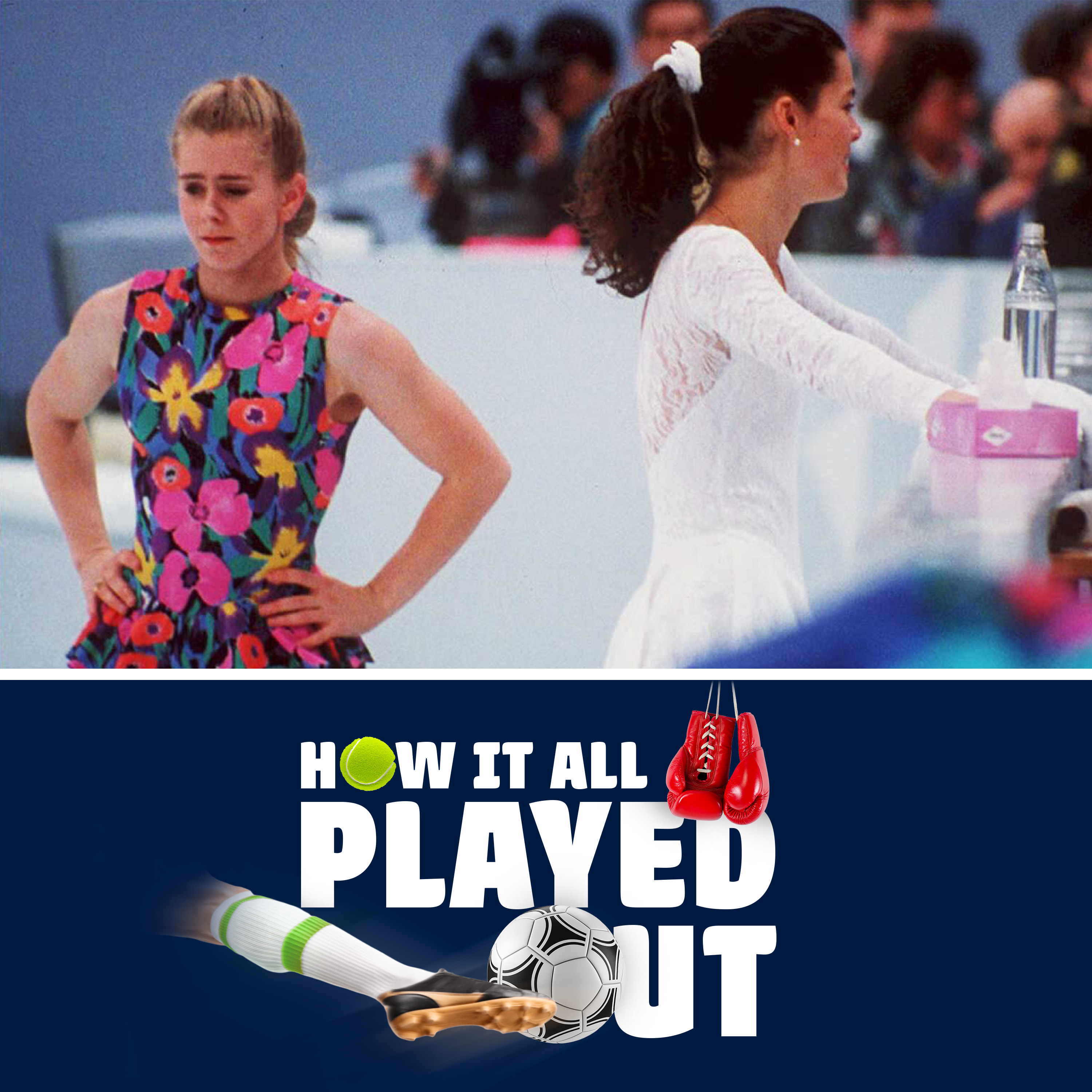
The 1994 figure skating scandal is one of the most notorious incidents in sports history, centered on an attack against American figure skater Nancy Kerrigan orchestrated by associates of her rival, Tonya Harding, ahead of the Winter Olympics in Lillehammer.
Introduction and Historical Context
The winter of 1994 brought the sport of figure skating into an unprecedented global spotlight, largely due to a bizarre criminal conspiracy that overshadowed athletic competition. At the heart of the event were two prominent American figure skaters: Nancy Kerrigan and Tonya Harding. Both athletes were fierce competitors vying for the coveted spots on the United States Olympic team heading to the 1994 Winter Olympics in Lillehammer, Norway. The rivalry between Kerrigan, known for her classic elegance and strong technical execution, and Harding, celebrated for her athletic prowess and being the first American woman to land a triple axel in international competition, was a staple of sports media. However, this competitive tension transformed into a criminal conspiracy in January 1994 during the U.S. Figure Skating Championships in Detroit, Michigan. The resulting investigation gripped international news networks, forever changing how media covered amateur sports and introducing intense scrutiny to the governance of figure skating.
The Incident: The Attack on Nancy Kerrigan
On January 6, 1994, following a practice session at Cobo Arena in Detroit, Nancy Kerrigan was walking through a corridor toward the locker rooms when she was struck on the right lower thigh with an ASP collapsible baton. The assailant fled the scene, leaving Kerrigan on the floor screaming in pain. The immediate aftermath was captured by television news crews and photographers who had been covering the practice sessions, broadcasting footage of a weeping Kerrigan crying out, "Why? Why? Why?" across national television networks.
The injury forced Kerrigan to withdraw from the U.S. Championships, which Tonya Harding ultimately won. However, because the selection committee still considered Kerrigan the top-ranked American skater based on her previous international body of work, she was granted a petitioned spot on the Olympic team alongside Harding. The physical trauma to Kerrigan's knee and leg threatened not only her Olympic aspirations but also her career. Quick medical attention and intensive rehabilitation, however, allowed her to recover enough physical strength to resume training within weeks, setting the stage for a dramatic confrontation on the Olympic ice in Norway just a few weeks later.
The Investigation and Conspirators
Law enforcement agencies in Detroit moved quickly, and within days, federal and local investigators uncovered a clumsy conspiracy that traced directly back to Tonya Harding’s inner circle. The plot had been hatched by Harding’s ex-husband, Jeff Gillooly, and her bodyguard, Shawn Eckardt. Gillooly and Eckardt hired two men from Phoenix, Arizona—Shane Stant and Derrick Smith—to carry out the assault with the explicit intent of incapacitating Kerrigan so she could not compete in the Olympic trials or the upcoming Winter Games.
| Conspirator | Role in the 1994 Conspiracy | Legal Consequences |
|---|---|---|
| Jeff Gillooly | Co-conspirator and ex-husband of Tonya Harding; helped plan and finance the attack. | Pleaded guilty to racketeering; sentenced to 2 years in prison. |
| Shawn Eckardt | Bodyguard and mastermind; hired the hitmen and coordinated logistics. | Pleaded guilty to racketeering; sentenced to 18 months in prison. |
| Shane Stant | The assailant who struck Nancy Kerrigan with a baton. | Pleaded guilty to conspiracy to commit second-degree assault; sentenced to 18 months in prison. |
| Derrick Smith | Driver for the assailant, Shane Stant. | Pleaded guilty to conspiracy to commit second-degree assault; sentenced to 18 months in prison. |
| Tonya Harding | Informed authorities late; knowledge of the cover-up and conspiracy. | Pleaded guilty to conspiracy to hinder prosecution; avoided prison with probation, community service, and a lifetime ban. |
As investigators interrogated Eckardt and Gillooly, details emerged regarding the amateurish nature of the plot, including phone records and paper trails linking the conspirators directly to Harding. The pressure mounted on Harding as federal prosecutors and the United States Olympic Committee (USOC) weighed whether she should be allowed to travel to Lillehammer.
Legal Fallout and Disciplinary Actions
The legal repercussions for those involved were swift and severe. Jeff Gillooly, Shawn Eckardt, Shane Stant, and Derrick Smith all served prison or jail time following guilty pleas or convictions for their roles in the conspiracy to commit assault and racketeering.
Tonya Harding maintained initially that she had no prior knowledge of the attack. However, as the investigation progressed, evidence suggested she had knowledge of the plot beforehand or, at minimum, participated in covering it up afterward. Facing mounting legal pressure and the threat of being barred entirely from the Olympic delegation by the USOC, Harding entered a plea agreement in March 1994. She pleaded guilty to conspiracy to hinder the prosecution. Her sentence included three years of probation, 500 hours of community service, a $160,000 fine, and reimbursement of legal and investigative costs.
Simultaneously, the United States Figure Skating Association (USFSA) initiated disciplinary proceedings. In June 1994, a USFSA hearing panel concluded that Harding had violated the association's code of ethics regarding fair play and sportsmanship. As a result, the USFSA stripped Harding of her 1994 U.S. Championship title and handed down a lifetime ban from participating in USFSA-sanctioned events, effectively ending her competitive amateur career in the United States.
The 1994 Winter Olympics in Lillehammer
Despite the media circus and intense global scrutiny, the women's figure skating event at the 1994 Winter Olympics in Lillehammer proceeded as scheduled in February 1994. The event became one of the most-watched television broadcasts in American history.
Nancy Kerrigan, having fully rehabilitated her leg, skated brilliantly during the technical and free programs. Her performance earned her the silver medal, narrowly finishing behind Ukraine's Oksana Baiul, who won the gold. Tonya Harding also competed, struggling with skate equipment issues during her long program and finishing in eighth place. The juxtaposition of Kerrigan's silver medal triumph and Harding's troubled Olympic exit cemented the Games in television history. Following the Olympics, Kerrigan retired from competitive amateur skating to pursue professional ice shows, while Harding pursued a brief, unsuccessful career in professional boxing and media appearances.
Cultural Legacy and Long-Term Impact
The 1994 figure skating scandal permanently altered the landscape of sports journalism, celebrity culture, and athletic governance.
- Media Transformation: The event predated the modern 24-hour cable news cycle and internet era, yet it set the blueprint for how sensational news stories are covered, transforming sports reporters into investigative crime journalists overnight.
- Security and Governance: Governing bodies across Olympic sports reevaluated athlete safety, implementing stricter security protocols at training venues and national championships.
- Pop Culture Permanence: The scandal became a permanent fixture of popular culture, inspiring documentaries, books, and the 2017 biographical dark comedy film I, Tonya, which re-examined the lives and perspectives of those involved.
Frequently Asked Questions
What exactly happened in the 1994 figure skating scandal?
Associates of U.S. figure skater Tonya Harding, including her ex-husband Jeff Gillooly, hired an assailant to strike her rival, Nancy Kerrigan, on the knee with a baton during the U.S. Figure Skating Championships in January 1994 to prevent Kerrigan from competing in the Winter Olympics.
Did Tonya Harding go to prison?
Tonya Harding did not serve prison time. In March 1994, she pleaded guilty to conspiracy to hinder prosecution. Her sentence involved three years of probation, community service, fines, and a lifetime ban from the U.S. Figure Skating Association.
Did Nancy Kerrigan win an Olympic medal after the attack?
Yes. Despite suffering a bruised knee that forced her to withdraw from the national championships, Nancy Kerrigan recovered in time for the 1994 Winter Olympics in Lillehammer, where she won the silver medal in women's singles figure skating.
What happened to the men who carried out the attack?
Jeff Gillooly, Shawn Eckardt, Shane Stant, and Derrick Smith were all prosecuted. They pleaded guilty to various charges related to racketeering and conspiracy to commit assault and served varying sentences ranging from 18 months to two years in prison.
Why was Tonya Harding banned from figure skating?
The United States Figure Skating Association banned Harding for life in June 1994 after a disciplinary panel determined she had prior knowledge of the assault plot or participated in covering it up, violating the organization's standards of sportsmanship and ethical conduct.
Next Actions
For researchers, sports historians, and enthusiasts looking to explore the subject further, primary documentation can be found through archived court records from Multnomah County, Oregon, and the United States District Court for the Eastern District of Michigan. Additionally, contemporary reporting from major news archives provides granular detail regarding the timeline of the investigation and the institutional responses of the USOC and USFSA.