The year 1998 was a watershed moment in cinema, characterized by a rare convergence of bold original screenplays, groundbreaking digital effects, paradigm-shifting indie hits, and a generational transition from analog filmmaking to the dawn of the digital age. Far from being a quiet transitional year, 1998 delivered iconic blockbusters, high-concept speculative fiction, and enduring cultural touchstones that continue to influence contemporary storytelling and visual effects.
The Paradigm Shift: Visual Effects and the Millennial Anxiety
As the 20th century drew to a close, a palpable cultural anxiety regarding technology, identity, and the future permeated popular media. This anxiety found a natural outlet in the cinema of 1998. Filmmakers increasingly turned to digital effects not merely as novelty attractions, but as essential narrative tools to question the nature of reality itself.
The late 1990s marked the maturation of computer-generated imagery (CGI). While 1993's Jurassic Park proved that digital creatures could look alive, and 1997's Titanic demonstrated digital scale, 1998 was the year filmmakers began seamlessly blending digital environments with philosophical subtext. High-concept science fiction and speculative thrillers captured the public imagination, reflecting a society standing on the precipice of the Y2K bug and the digital revolution.
The Rise of Speculative Sci-Fi and Psychological Thrillers
Several key releases from 1998 explored themes of surveillance, artificial realities, and memory manipulation:
- The Truman Show: Directed by Peter Weir and starring Jim Carrey, this satirical comedy-drama anticipated the explosion of reality television and constant digital surveillance, examining a man whose entire life is a 24-hour broadcast.
- Dark City: Directed by Alex Proyas, this neo-noir science fiction film utilized expressionistic design and practical-digital hybrid effects to explore memory, human identity, and external manipulation, heavily paving the way aesthetically and philosophically for the following year's The Matrix.
- Pi: Darren Aronofsky’s micro-budget psychological thriller demonstrated that low-budget filmmaking could tackle complex mathematical obsession and paranoia with intense stylistic rigor.
Blockbusters and Epic Scale: Redefining Action and War
Beyond philosophical sci-fi, 1998 was a powerhouse year for large-scale studio filmmaking. Studios invested heavily in high-stakes action, historical epics, and creature features that dominated the global box office.
The Ultimate World War II Realism
No discussion of 1998 cinema is complete without examining Steven Spielberg’s Saving Private Ryan. The film fundamentally altered how modern war movies were shot, edited, and sound-designed. Its legendary 27-minute opening sequence depicting the Omaha Beach landing utilized frantic hand-held camerawork, desaturated color grading, and visceral sound design to place the audience directly into the chaos of combat.
Saving Private Ryan grossed over $481 million worldwide and won five Academy Awards, including Best Director for Spielberg. Its influence on subsequent war dramas—and action filmmaking in general—remains visible in the proliferation of shaky-cam aesthetics and immersive soundscapes.
Creature Features and Monster Scale
The summer of 1998 saw Roland Emmerich’s big-budget monster movie Godzilla attempt to revolutionize a classic franchise using state-of-the-art digital animation. Although met with mixed critical reviews and polarizing fan reactions, the film was a massive financial success, grossing over $379 million globally and serving as a key milestone in the commercial viability of all-digital title monsters.
The Independent Boom and Miramax’s Oscar Hegemony
While Hollywood blockbusters filled multiplexes, independent cinema experienced a massive creative and commercial surge. The late 1990s represented the peak of the independent film boom, heavily fueled by specialty divisions and aggressive awards campaigning.
The Triumph of Shakespeare in Love
The 71st Academy Awards, recognizing films released in 1998, became famous for one of the most contentious Best Picture races in Oscar history. Miramax’s Shakespeare in Love, directed by John Madden and co-written by Marc Norman and Tom Stoppard, secured the Academy Award for Best Picture over Steven Spielberg's Saving Private Ryan.
This victory cemented the aggressive distribution and marketing strategies of independent-minded studios like Miramax, proving that witty period romantic comedies could triumph over gritty historical epics through sheer lobbying power and critical acclaim.
Notable Indie and Cult Classics of 1998
The independent and art-house circuits flourished with distinctive directorial voices:
- The Big Lebowski: Joel and Ethan Coen’s idiosyncratic comedy initially underperformed at the box office but slowly evolved into one of the most enduring cult phenomena in cinematic history, giving rise to "Dudeism" and annual festivals.
- Fear and Loathing in Las Vegas: Terry Gilliam’s chaotic adaptation of Hunter S. Thompson's gonzo journalism classic pushed visual surrealism to its absolute limits.
- Rushmore: Wes Anderson’s sophomore feature established his signature deadpan tone, meticulous symmetrical framing, and idiosyncratic character development, launching Jason Schwartzman and revitalizing Bill Murray’s career.
Landmark 1998 Film Releases At a Glance
The following table highlights some of the most influential, commercially successful, and critically acclaimed films released during the calendar year 1998, categorizing them by genre and legacy impact.
| Film Title | Director | Genre | Primary Legacy & Impact |
|---|---|---|---|
| Saving Private Ryan | Steven Spielberg | War / Drama | Redefined modern combat cinematography and sound design; major box office and Oscar success. |
| The Truman Show | Peter Weir | Sci-Fi / Comedy-Drama | Prescient cultural critique anticipating the rise of reality television and digital surveillance. |
| The Big Lebowski | Joel & Ethan Coen | Comedy / Crime | Gained immense cult status, spawning a global subculture and endless quotable dialogue. |
| Shakespeare in Love | John Madden | Romantic Comedy / Period | Controversial Best Picture Oscar winner that defined late-90s indie studio dominance. |
| Dark City | Alex Proyas | Sci-Fi / Noir | Influential visual blueprint for late-90s cyberpunk and existential thrillers. |
| Rushmore | Wes Anderson | Comedy / Drama | Established Anderson's distinct aesthetic and launched a new wave of quirky indie cinema. |
Animation Milestones: CGI vs. Traditional Hand-Drawn
The year 1998 was also a fierce battleground for the future of feature animation. For decades, traditional hand-drawn animation dominated the medium, but 1998 marked the exact moment computer animation proved it could stand toe-to-toe with traditional studios in both storytelling depth and box office revenue.
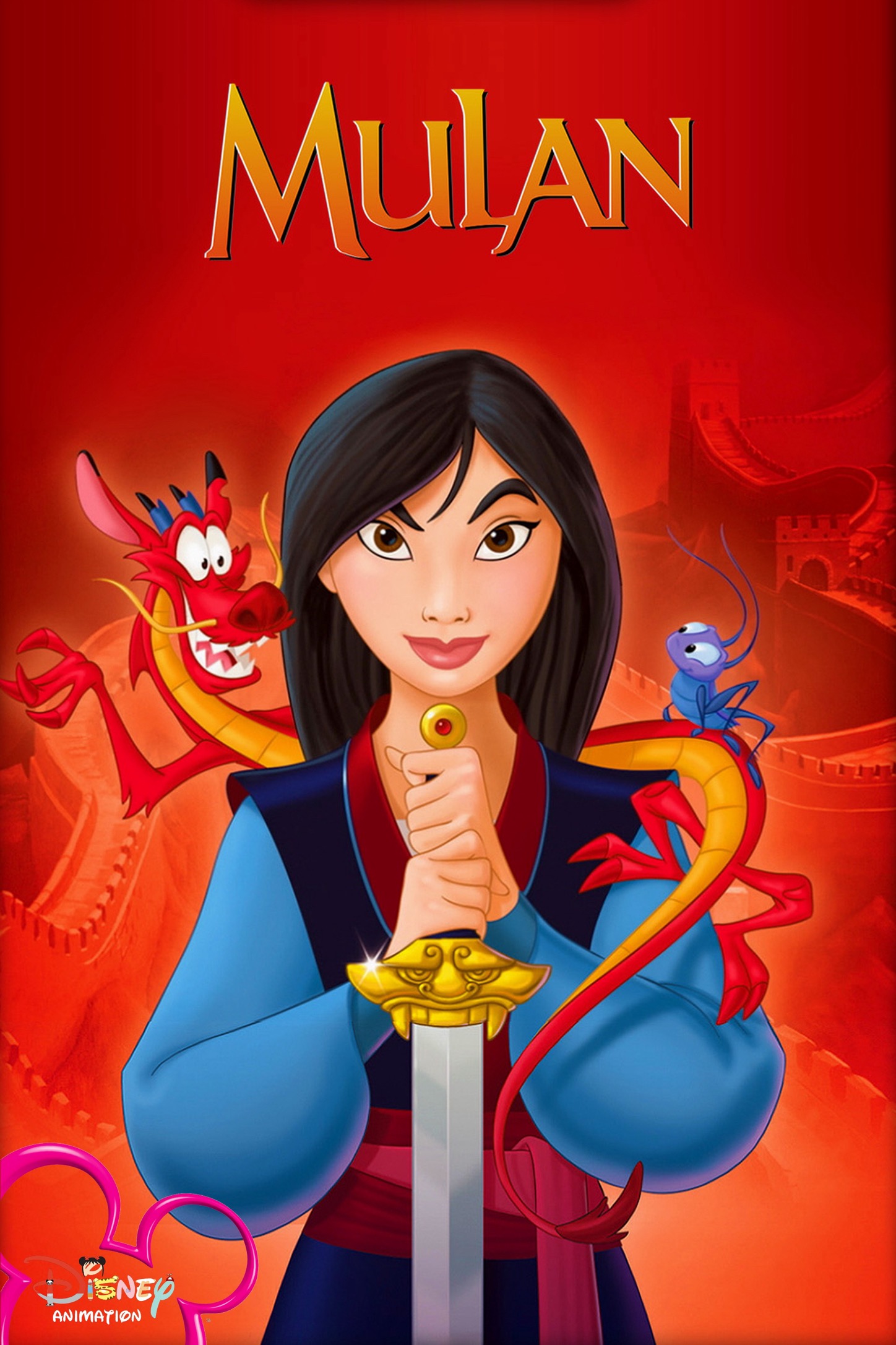
Pixar Animation Studios released A Bug's Life in November 1998, closely competing with DreamWorks Animation’s computer-animated feature Antz, which premiered just weeks earlier. This "bug movie" rivalry highlighted the rapid technological advancements in digital rendering and character rigging. At the same time, Walt Disney Feature Animation released Mulan, a high-water mark for traditional animation that blended ancient folklore with modern pacing and grand musical numbers.
Frequently Asked Questions About 1998 Films
What was the highest-grossing film of 1998?
Globally, Armageddon, directed by Michael Bay and starring Bruce Willis, was the highest-grossing film of 1998, earning approximately $553 million worldwide. Saving Private Ryan followed closely behind as the second highest-grossing film globally and the highest-grossing domestic release of that year.
Which film won the Academy Award for Best Picture for 1998 releases?
Shakespeare in Love won the Academy Award for Best Picture at the 71st Academy Awards ceremony held in March 1999, beating out formidable contenders including Saving Private Ryan, The Thin Red Line, Life Is Beautiful, and Elizabeth.
Why is 1998 considered an important year in film history?
1998 is viewed as a transitional year that bridged classic 20th-century filmmaking with the digital era. It featured the peak of the 1990s indie film boom, major advancements in CGI integration, and the release of several films that fundamentally altered action cinematography, comedy, and speculative science fiction.
Were there any major breakout directors in 1998?
Yes, 1998 saw the arrival or major critical consolidation of several distinct auteurs. Wes Anderson released his breakout sophomore film Rushmore, Darren Aronofsky debuted with the indie thriller Pi, and Guy Ritchie made his feature-length directorial debut with the British crime comedy Lock, Stock and Two Smoking Barrels.
Next Actions and Further Exploration
To truly appreciate the scope of 1998 cinema, enthusiasts should look beyond the major box office charts and explore contemporary independent releases, retrospective film festival screenings, and special-edition home media commentaries. Examining original theatrical trailers and production featurettes from that era provides valuable context regarding how studios marketed these films before the widespread adoption of social media and modern digital distribution.