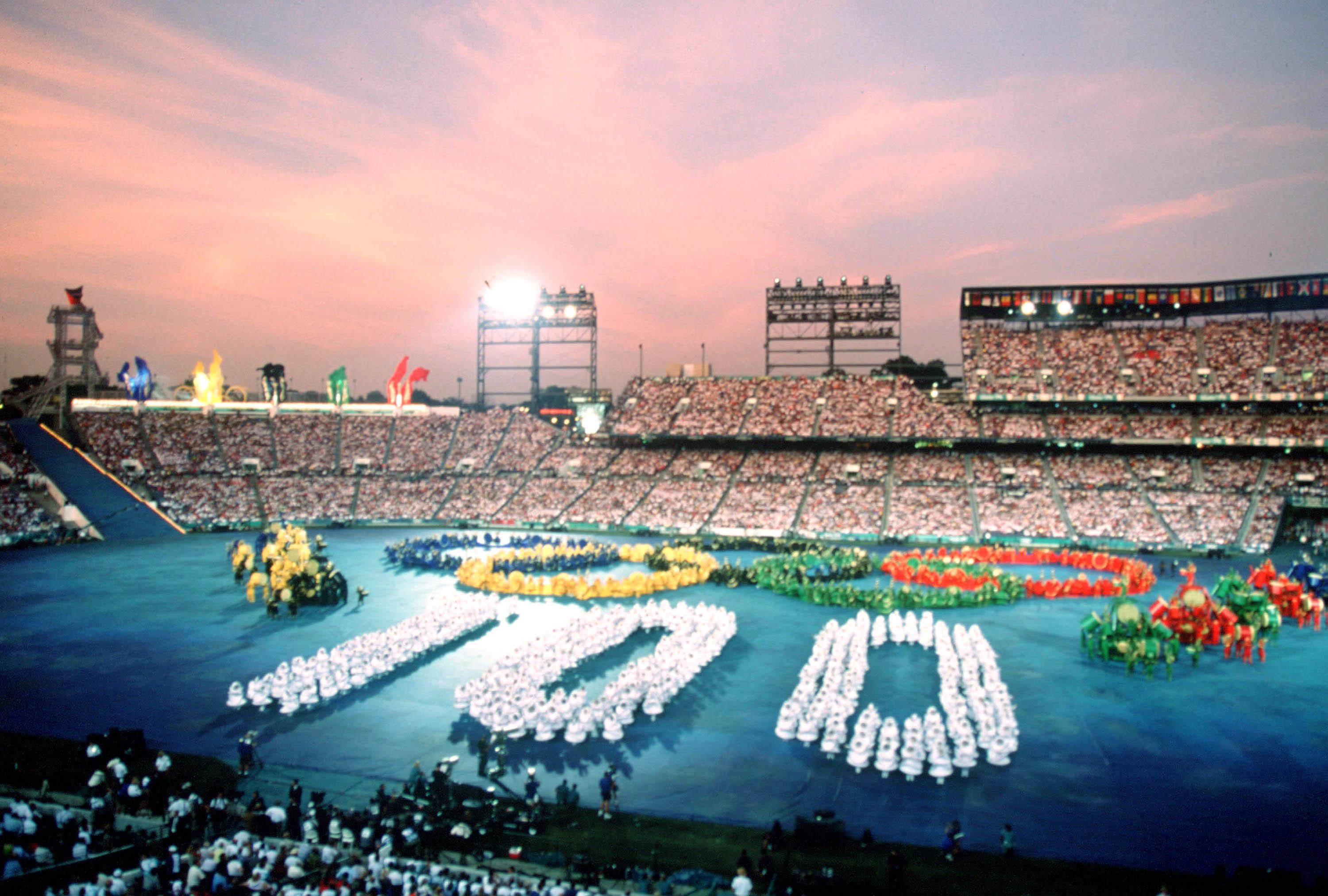
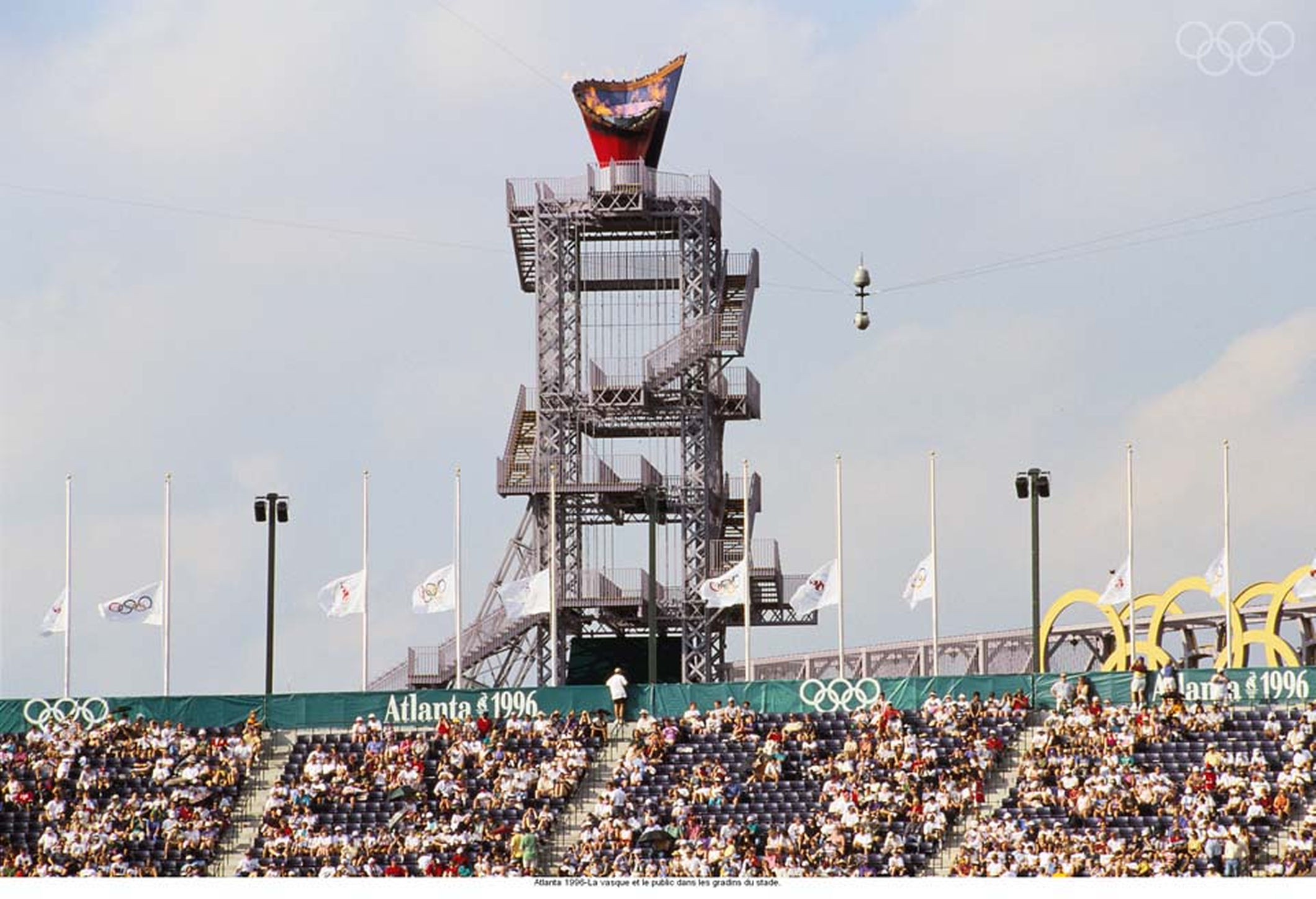
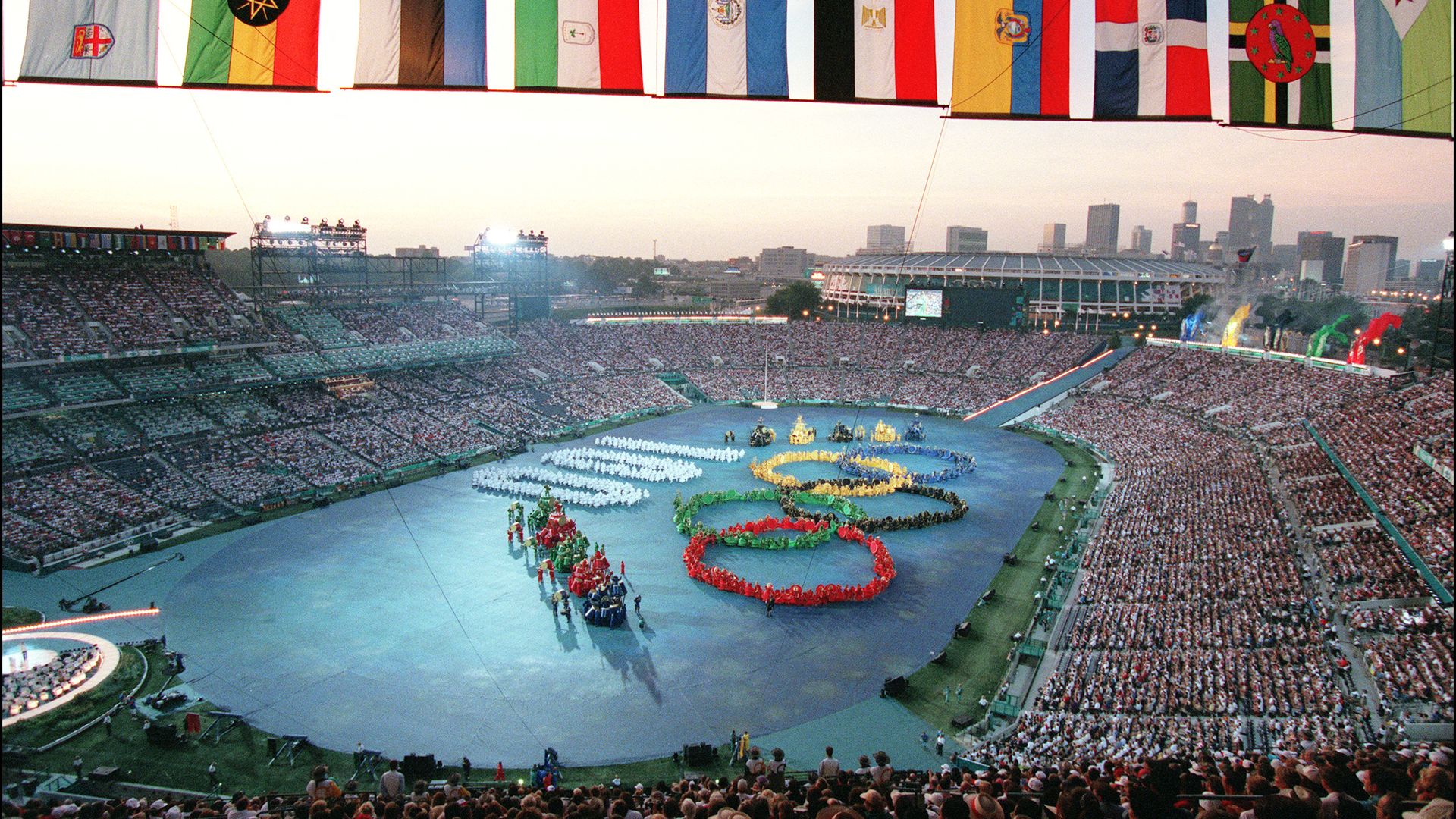
The 1996 Summer Olympic Games, officially known as the Games of the XXVI Olympiad, marked the centennial of the modern Olympic movement initiated by Pierre de Coubertin in 1896. Hosted in Atlanta, Georgia, United States, from July 19 to August 4, 1996, the event brought together athletes from 197 nations to compete across 271 events, leaving a complex economic, urban, and cultural legacy that continues to influence modern mega-sporting events.
Historical Context and the Bid for the Centennial
The journey to the 1996 Summer Olympics began years before the opening ceremony, rooted in a competitive international bidding process and a civic desire to showcase the American South on a global stage. The decision by the International Olympic Committee (IOC) to award the Games to Atlanta over traditional favorites like Athens, Greece—which had heavily campaigned to host the centennial games—surprised many sports historians and international observers.
The Bidding Process and Selection
In September 1990, during the 96th IOC Session in Tokyo, Atlanta competed against Athens, Toronto, Melbourne, Manchester, and Belgrade. Led by businessman and civic leader Billy Payne, the Atlanta organizing committee (later structured as the Atlanta Committee for the Olympic Games, or ACOG) pitched a technically sound, private-enterprise-funded model.
While Athens presented a compelling historical argument for the 100th anniversary of the modern Olympics, Atlanta's bid emphasized state-of-the-art corporate sponsorship, existing infrastructure, and the financial backing of powerful multinational corporations headquartered in the city, such as The Coca-Cola Company. On September 18, 1990, IOC President Juan Antonio Samaranch announced Atlanta as the winning host city, setting off a six-year race against time to prepare the metropolitan area for millions of visitors.
Preparations and Private Funding Model
Unlike many preceding and succeeding Olympic Games funded largely by public debt or federal treasuries, the 1996 Atlanta Olympics operated primarily on a private-enterprise model. ACOG sought to minimize taxpayer burden by relying on corporate sponsorships, ticket sales, television broadcast rights (negotiated heavily through NBC), and merchandise licensing.
This financial strategy allowed Atlanta to construct world-class facilities—such as the Centennial Olympic Stadium and the Georgia Dome—while leveraging local universities for athlete housing. However, the reliance on private funding and corporate partnerships also heavily commercialized the event, earning Atlanta the moniker of the "Centennial Coca-Cola Games" from critics who pointed to the omnipresent corporate branding across the city.
Athletic Highlights and Memorable Moments
The athletic competition in Atlanta delivered historic milestones, record-breaking performances, and unforgettable human interest stories that cemented the legacy of the 1996 Games in sports history.
Track and Field Legends
The Centennial Olympic Games served as a stage for legendary track and field performances. American sprinter Michael Johnson electrified the home crowd by achieving an unprecedented double gold medal victory in the 200 meters and 400 meters. Running in custom gold-colored spikes, Johnson broke his own world record in the 200-meter final with a blistering time of 19.32 seconds, a mark that stood for over a decade.
In the middle-distance events, Algeria's Hassiba Boulmerka and Morocco's Hicham El Guerrouj captivated global audiences, while Canada's Donovan Bailey shattered the 100-meter world record, clocking 9.84 seconds to claim the title of the world's fastest human.
The Magnificent Seven and Gymnastic Glory
Perhaps no team captured the imagination of the American public quite the U.S. women's gymnastics team, nicknamed the "Magnificent Seven." Comprising Shannon Miller, Dominique Dawes, Jaycie Phelps, Amy Chow, Amanda Borden, Dominique Moceanu, and an injured Kerri Strug, the squad faced fierce competition from the traditional powerhouse Russian team.
In the team final, the competition came down to the final rotation on the vault. Kerri Strug, despite severely injuring her ankle on her first attempt, bravely performed her second vault, landing cleanly on one foot before collapsing in pain. Her courageous effort secured the first-ever team gold medal for the United States in women's gymnastics, creating one of the most enduring images in Olympic history.
Swimming Dominance and Other Notable Feats
In the aquatics center, Ireland's Michelle Smith became a breakout star by winning three gold medals and a bronze in swimming, though her performances later faced intense scrutiny and skepticism regarding doping allegations. Meanwhile, the United States men's and women's basketball teams—both featuring star-studded rosters, with the women's team launching a dominant international era and the NBA-infused "Dream Team II" dominating the men's bracket—captured gold with relative ease.
Operational Challenges and the Centennial Olympic Park Bombing
Despite the athletic triumphs, the 1996 Atlanta Olympics faced significant operational difficulties, transportation failures, and a tragic security crisis that shocked the world.
Logistics, Technology, and Transportation Failures
During the first week of the Games, ACOG struggled with critical logistical systems. The primary transportation network, designed to move athletes, officials, and media across a sprawling metropolitan area, suffered from severe bus driver shortages, inaccurate route mapping, and chronic delays.
Furthermore, the computer system intended to provide real-time results to journalists and broadcasters—known as Info '96—experienced software glitches and outages. These missteps drew sharp criticism from international media outlets, prompting emergency reorganizations by city and organizing officials to stabilize operations before the second week of competition.
The Centennial Olympic Park Bombing
The most somber moment of the 1996 Games occurred in the early morning hours of July 27, 1996. A pipe bomb packed with shrapnel, detonated by domestic terrorist Eric Rudolph, exploded in Centennial Olympic Park—the bustling downtown gathering hub created for visitors and locals.
The blast killed spectator Alice Hawthorne and injured 111 others. A cameraman, Mel Maher, also suffered a fatal heart attack while running to cover the explosion. Swift action by security guard Richard Jewell, who discovered the suspicious backpack and helped clear the area before the detonation, likely saved dozens of lives.
Following the bombing, the park was temporarily closed for forensic investigation, but the Games resumed within 36 hours in a show of resilience. IOC President Juan Antonio Samaranch declared at the closing ceremony that the Games had been "most exceptional," dedicating a moment of silence to the victims. Richard Jewell was initially wrongfully targeted by federal investigators before being fully exonerated, and Rudolph was captured years later in 2003, receiving multiple life sentences.
Financial and Urban Legacy
The long-term impact of the 1996 Atlanta Olympics transformed the physical landscape of the city and established new precedents for how host cities manage urban renewal and post-event infrastructure.
Urban Redevelopment and Housing
Atlanta utilized the Olympics as a catalyst for sweeping urban revitalization. The city demolished several aging public housing complexes, such as Techwood Homes—the nation's oldest federal public housing project—to make way for Olympic residential villages that were later converted into student housing for the Georgia Institute of Technology.
While proponents argued that these projects eliminated blighted areas and reduced crime, critics contended that the redevelopment displaced thousands of low-income, predominantly Black residents, contributing to gentrification and affordable housing shortages in the urban core.
Infrastructure and Economic Impact
The transportation and park infrastructure developed for the 1996 Games left permanent assets for Atlanta residents. Centennial Olympic Park remained a vibrant downtown anchor, spurring billions of dollars in subsequent private investment, commercial development, and tourism in downtown Atlanta.
Venues such as the Georgia Dome served as major sports and entertainment hubs for decades before being demolished to make way for Mercedes-Benz Stadium. The private funding model, while criticized for its heavy corporate sponsorship footprint, successfully prevented the city from facing long-term municipal debt, setting a contrasting financial precedent to subsequent Olympic cycles in cities like Athens (2004) and Rio de Janeiro (2016).
Summary Comparison of Olympic Hosting Models
| Hosting Element | 1996 Atlanta Olympics | Traditional Public Model (General Benchmark) |
|---|---|---|
| Primary Funding Source | Private-enterprise, corporate sponsorships, ticket sales, and broadcast rights | Public tax revenue, municipal bonds, and governmental appropriations |
| Financial Risk Burden | Primarily borne by private organizing committee (ACOG) and corporate partners | Borne by local taxpayers, often resulting in long-term public debt |
| Primary Urban Legacy | Centennial Olympic Park, Georgia Tech student housing, downtown revitalization | Mixed; often includes underutilized venues ("white elephants") |
| Commercial Presence | Heavy corporate branding and commercial partnerships ("The Coca-Cola Games") | Varies, regulated strictly under IOC Rule 40 guidelines |
Frequently Asked Questions
Why did the IOC choose Atlanta over Athens for the 1996 Summer Olympics?
The IOC selected Atlanta primarily due to its advanced corporate financial backing, existing robust infrastructure (such as hotels and transportation networks), and the comprehensive private-enterprise proposal presented by Billy Payne. Although Athens argued strongly for the centennial commemoration in the birthplace of the modern games, concerns regarding Athens' infrastructure readiness at the time influenced the IOC's voting delegates.
How was the 1996 Atlanta Olympics funded?
The Games were funded almost entirely through private sources rather than public taxpayer funds. Revenue streams included lucrative global television broadcast agreements (predominantly with NBC), massive corporate sponsorships from companies like Coca-Cola, IBM, and Visa, domestic ticket sales, and official merchandise licensing.
What security changes occurred after the Centennial Olympic Park bombing?
In the wake of the July 27 bombing, security protocols across all Olympic venues were drastically tightened. Enhanced bag checks, magnetometer checkpoints at all public gathering zones, and increased deployment of law enforcement and federal security personnel became standard operating procedure for the remainder of the Games and set a higher baseline for security at subsequent global sporting events.
What happened to the main Olympic stadium after the 1996 Games?
Centennial Olympic Stadium was designed from its inception to be convertible. Following the Paralympics, the northern portion of the stadium was removed, and the facility was reconfigured into Turner Field, a baseball-specific stadium that served as the home of the Atlanta Braves Major League Baseball team from 1997 until 2016. It was later acquired by Georgia State University and transformed into Center Parc Stadium.
What were the major criticisms of the 1996 Atlanta Olympics?
Critics frequently pointed to excessive commercialization and corporate branding throughout the city, early logistical and transportation failures during the first week of competition, software crashes in the results reporting system, and the displacement of low-income residents resulting from urban renewal and public housing demolitions.
Next Actions and Further Exploration
For those seeking to explore the history of the 1996 Atlanta Olympics in greater depth, archival resources are available through the Atlanta History Center, which houses extensive permanent collections regarding ACOG preparations, public reactions, and civic transformations. Researchers can also consult official IOC historical reports and academic analyses examining the socio-economic impacts of mega-events on southern American urban centers.