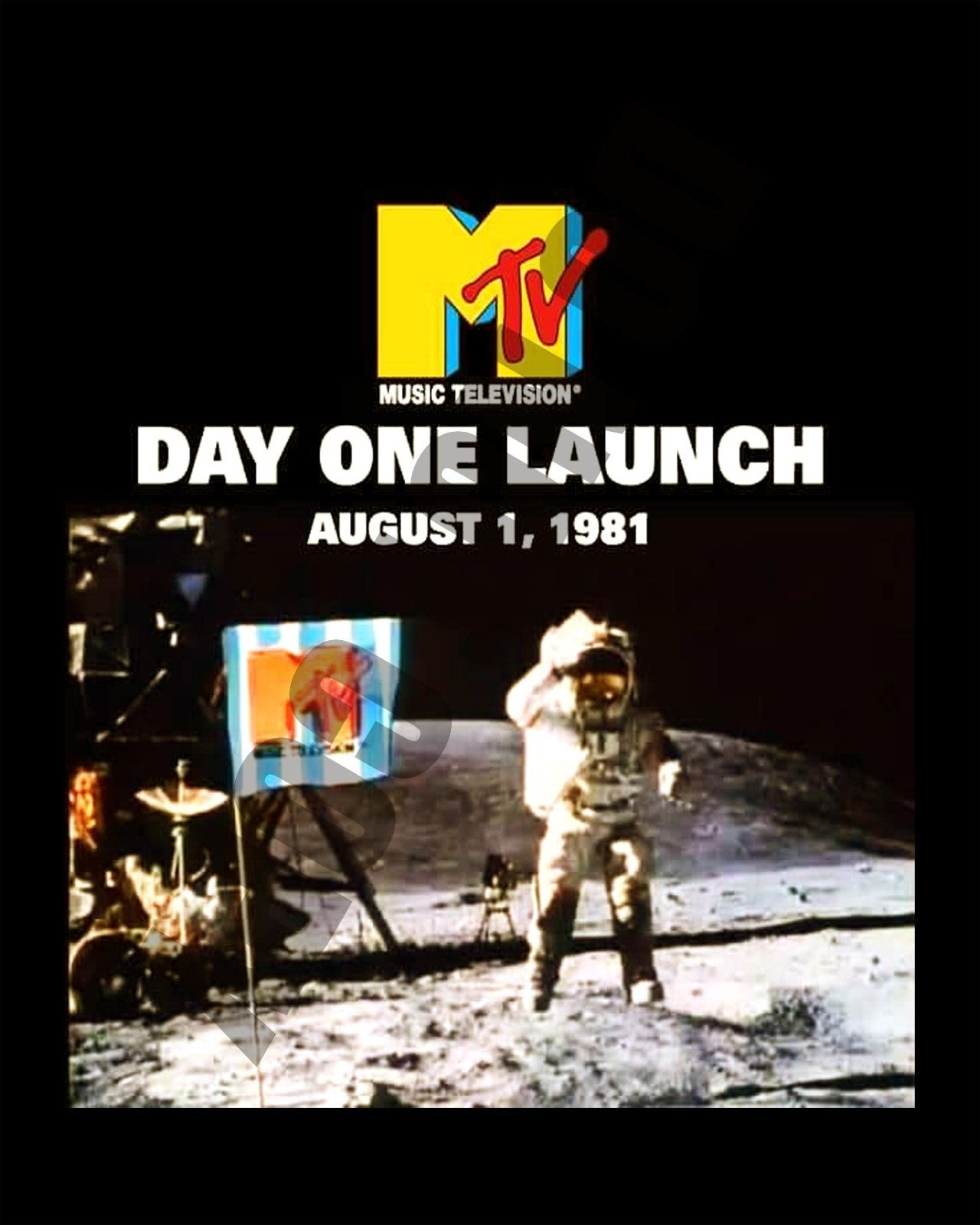
The 1980s music television phenomenon transformed the global entertainment landscape by merging visual arts with popular music, most notably through the August 1, 1981, launch of MTV (Music Television). This cultural shift changed how songs were marketed, elevated artists into global fashion icons, and created an entirely new industry centered around the music video.
The Genesis of 1980s Music Television
Before the 1980s, visual representations of popular songs were limited to sporadic television appearances on variety shows like The Ed Sullivan Show, American Bandstand, or specialized European programs such as West Germany's Musikladen and the UK's Top of the Pops. Artists occasionally produced promotional clips—often referred to as "promos"—to air on these broadcasts when they were touring or unable to appear live, but these clips lacked a unified distribution network.
The launch of MTV: Music Television on August 1, 1981, changed this dynamic permanently. Owned originally by Warner-Amex Satellite Entertainment, MTV established a 24-hour cable television format dedicated entirely to music programming. The channel's inaugural broadcast famously opened with the words "Ladies and gentlemen, rock and roll," spoken by John Lack, followed by the launch video, "Video Killed the Radio Star" by The Buggles. This choice was both prophetic and literal; visual media was rapidly ascending to dominate the commercial music industry.
The technical infrastructure of the era heavily dictated the medium's reach. Cable television penetration expanded rapidly across suburban and urban United States throughout the decade, though availability varied significantly by region. Early viewers required specialized cable packages, and many major metropolitan areas, including parts of New York City and Los Angeles, did not receive MTV on their local cable grids until years after its initial debut. Despite these initial distribution hurdles, the network cultivated a fiercely loyal youth audience that consumed popular music through a visual lens.
Key Networks and Programming Formats
While MTV remained the undisputed flagship of 1980s music television, the format quickly expanded as competitors recognized the immense advertising potential and cultural influence of the medium. The landscape soon encompassed a diverse array of specialized networks and syndicated programs designed to capture different demographic segments and musical genres.
MTV's Core Programming Blocks
MTV established distinct programming blocks that trained audiences to tune in at specific times for curated content.
- Total Request Live Precursors: Early countdown shows, such as the Weekly Top 20 and various weekend countdowns, established the framework for viewer-voted music charts.
- Headbangers Ball: Introduced in 1987, this weekly two-hour block brought heavy metal and hard rock acts like Metallica, Megadeth, and Iron Maiden into mainstream living rooms, significantly boosting record sales for subgenres that traditional radio often marginalized.
- 120 Minutes: Launched in 1986, this late-night program focused on alternative rock, college radio staples, and indie acts such as R.E.M., The Smiths, and New Order, serving as a vital incubator for the alternative music boom of the following decade.
Competitors and International Expansion
As the American market proved lucrative, other entities launched rival networks or adapted the format for international audiences:
- Video Hits One (VH1): Launched in January 1985 by MTV Networks, VH1 targeted an older demographic—specifically adults aged 18 to 34—with a softer musical palette that included adult contemporary, pop, and lighter rock artists like Whitney Houston, Elton John, and soft rock staples.
- The Nashville Network (TNN) and Country Music Television (CMT): CMT launched in March 1983 as the first 24-hour country music video channel, providing a dedicated outlet for Nashville-based artists who lacked representation on pop-centric MTV.
- International Adaptations: Sky Channel and Super Channel brought music video programming to Europe, while regional shows like Rage in Australia and local iterations across Latin America ensured the format became a truly global phenomenon.
The Evolution of the Music Video Production Industry
The explosion of 1980s music television converted the modest promotional clip into a high-budget, cinematic art form. Record labels quickly realized that a compelling video was no longer merely a marketing accessory; it was an essential prerequisite for commercial success on the singles charts. This realization injected substantial capital into video production, creating an entirely new ecosystem for directors, cinematographers, and conceptual artists.
Early in the decade, videos relied heavily on straightforward performance footage mixed with rudimentary special effects. However, directors like Russell Mulcahy, Steve Barron, and David Fincher pushed creative boundaries by introducing complex narratives, surrealist imagery, and advanced post-production techniques. Mulcahy’s work on Duran Duran's "Hungry Like the Wolf" (1982) and "Rio" (1982) established a glossy, cinematic aesthetic characterized by exotic locations, rapid editing, and high-fashion styling that came to define the decade's visual culture.
| Director / Artist | Notable 1980s Video | Distinctive Visual Style |
|---|---|---|
| Russell Mulcahy (Duran Duran) | "Hungry Like the Wolf" (1982) | Cinematic narratives, exotic location shoots, glossy lighting, and fast-paced editing. |
| Steve Barron (A-ha) | "Take On Me" (1985) | Innovative pencil-sketch animation combined with live-action rotoscoping. |
| Michael Jackson / John Landis | "Thriller" (1983) | Long-form narrative filmmaking, movie-quality makeup effects, and choreographed ensemble dance. |
| Mary Lambert (Madonna) | "Like a Prayer" (1989) | Thematic symbolism, social commentary, narrative depth, and high-contrast religious iconography. |
The budget for music videos escalated dramatically as the decade progressed. While early clips could be produced for a few thousand dollars, landmark productions like Michael Jackson's "Thriller" (directed by John Landis in 1983) cost upwards of $500,000—an unprecedented sum at the time—and set a new standard for event television. "Thriller" functioned as a short film rather than a traditional promotional clip, premiering in dedicated television slots and cementing the music video as a premier cultural artifact.
Cultural Impact, Representation, and the Second British Invasion
The cultural footprint of 1980s music television extended far beyond the recording industry, shaping fashion, social attitudes, and international trade within the entertainment sector.
One of the most notable commercial phenomena facilitated by MTV was the "Second British Invasion" of the early-to-mid 1980s. British synth-pop and new wave acts, who had already gained experience producing visually driven promotional clips for European television, found a readymade platform in the United States. Bands like Culture Club, Eurythmics, and Wham! achieved massive American chart success largely because their striking visual identities and stylish videos saturated the network's heavy rotation playlists.
However, the network also faced severe criticism during its early years regarding racial representation. Upon its 1981 launch, MTV's playlist was heavily skewed toward rock music performed by white artists, leading to accusations of systemic racial exclusion from major record labels and industry observers. Rick James famously criticized the network on television for refusing to play Black artists. The barrier began to fracture significantly with the release of Michael Jackson's "Billie Jean" in 1983, which broke rotation barriers and paved the way for other African American artists, including Prince, Whitney Houston, and Lionel Richie, to achieve prominent placement on the channel.
Common Criticisms, Industry Pressures, and Artistic Tensions
While 1980s music television democratized access to visual media for many artists, it introduced intense commercial pressures that transformed the music industry from an artist-driven craft into a heavily image-conscious enterprise.
- Style Over Substance: Critics frequently argued that the 24-hour video format prioritized physical attractiveness, elaborate wardrobe choices, and high-concept direction over actual musical composition and vocal ability.
- Homogenization of Sound: Record labels began demanding that songwriters compose tracks tailored specifically to visual narrative concepts and fast-paced editing rhythms, occasionally sacrificing lyrical depth for striking imagery.
- Financial Strain on Developing Artists: The soaring cost of professional video production placed independent and developing acts at a severe disadvantage, as smaller labels could not afford the cinematic production values required to secure heavy rotation.
Frequently Asked Questions
What was the first music video ever played on MTV?
The first music video broadcast on MTV on August 1, 1981, was "Video Killed the Radio Star" by the British synth-pop group The Buggles. The video was chosen deliberately by network executives to symbolize the transition from traditional radio broadcasting to a new era of visual music television.
How did 1980s music television impact fashion trends?
Music videos served as real-time runways for global fashion. Viewers immediately sought out the clothing, hairstyles, and makeup worn by artists like Madonna, Cyndi Lauper, and members of Duran Duran. This direct visual exposure accelerated trend cycles, turning underground subculture styles—such as new wave, punk, and glam rock elements—into mainstream commercial apparel.
Did MTV play music videos 24 hours a day during the 1980s?
Yes, throughout most of the 1980s, MTV operated on a continuous 24-hour music video schedule, interspersed with station IDs, artist interviews, and commercial advertisements. Specialized programming blocks and countdown shows were introduced as the decade progressed to organize the expanding library of clips.
Why were some music videos banned or heavily censored in the 1980s?
Network standards and practices departments reviewed all submitted videos before broadcast to ensure compliance with cable television regulations. Videos featuring explicit sexual content, graphic violence, or controversial religious imagery—such as Madonna's "Like a Prayer"—frequently faced bans, delayed rotation times, or required mandatory edits before they were cleared for broadcast.
How did the Second British Invasion relate to music television?
The Second British Invasion refers to the period in the early 1980s when a large wave of UK-based pop, rock, and new wave acts dominated the United States Billboard charts. This phenomenon was heavily driven by MTV, which actively sought visually distinctive content and found that many British artists had already embraced sophisticated video production techniques.
Practical Next Steps for Enthusiasts and Researchers
For those looking to explore or study 1980s music television further, several avenues provide verified historical insight:
- Archival Collections: Consult the Paley Center for Media in New York and Los Angeles, which houses extensive archives of early MTV broadcasts, unedited satellite feeds, and promotional interviews.
- Documentary Resources: Examine historical retrospective documentaries, such as I Want My MTV and various artist-specific retrospectives, which feature firsthand accounts from early network executives, directors, and musicians.
- Academic Literature: Read media studies texts focusing on late-20th-century broadcasting history to understand the socioeconomic factors that enabled the global cable television expansion of the 1980s.