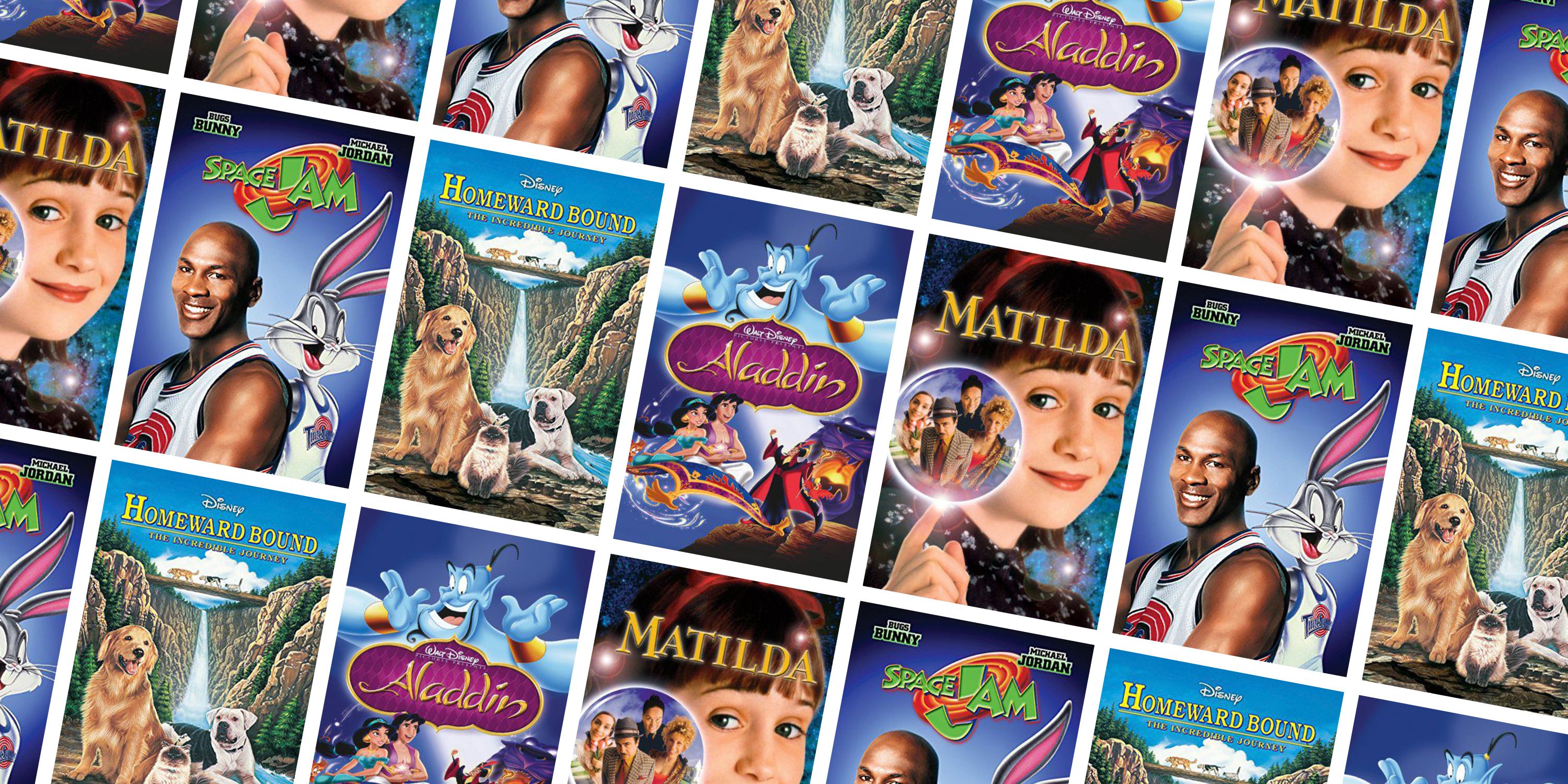
The 1990s film landscape was defined by a seismic shift between traditional Hollywood studio blockbusters, the explosive rise of independent cinema, and the dawning age of computer-generated visual effects. This decade served as a bridge between the analog craftsmanship of practical filmmaking and the digital revolution that would permanently alter production, distribution, and consumption.
The Industrial Context: Blockbusters, Studios, and the Rise of the Megabudget
The economic model of Hollywood changed drastically during the 1990s. Studios increasingly relied on high-concept blockbusters backed by extensive merchandising campaigns, global distribution, and cutting-edge special effects. At the same time, conglomerate ownership restructured traditional studios into divisions of massive media multinationals.
The Special Effects Revolution and CGI
The early 1990s marked the watershed moment when computer-generated imagery transitioned from novelty to narrative necessity. James Cameron’s Terminator 2: Judgment Day (1991) and Steven Spielberg’s Jurassic Park (1993) demonstrated that digital creations could achieve photorealism and emotional resonance on screen.
- Jurassic Park established a new benchmark for animatronics combined with CGI, proving that digital creatures could interact seamlessly with live-action actors.
- Toy Story (1995), released by Pixar and Walt Disney Pictures, completely revolutionized animation as the first feature-length film rendered entirely using 3D computer graphics.
- Subsequent films like Independence Day (1996) and Titanic (1997) pushed technical boundaries further, leading to escalating production budgets and a heavy reliance on global box office returns to achieve profitability.
The Blockbuster Economy and Global Marketing
During this era, the summer release window became sacred territory for studios launching high-stakes ventures. Marketing budgets frequently rivaled production costs, creating a phenomenon where opening-weekend box office grosses dictated a film's cultural footprint.
The global market expanded exponentially, particularly in international territories where Western action and sci-fi spectacles enjoyed immense cross-cultural appeal. This commercial imperative occasionally sidelined mid-budget dramas, pushing studios to either finance micro-budget independent projects or multi-hundred-million-dollar tentpoles.
The Independent Cinema Explosion
While major studios chased global box office records, a parallel revolution was taking place in the independent film sector. Fueled by the democratization of film festivals, shifting distribution models, and dedicated specialty divisions within major studios, the 1990s became the golden age of American independent cinema.
| Film Title | Release Year | Director | Key Studio/Distributor | Defining Impact |
|---|---|---|---|---|
| sex, lies, and videotape | 1989/1990 | Steven Soderbergh | Miramax | Proved the commercial viability of low-budget, dialogue-driven indie films and put Miramax on the map. |
| Pulp Fiction | 1994 | Quentin Tarantino | Miramax | Redefined postmodern storytelling, non-linear narratives, and indie profitability through mainstream crossover appeal. |
| Fargo | 1996 | Joel and Ethan Coen | Gramercy Pictures | Blended regional character studies with dark comedic crime, securing critical and commercial success. |
| The Blair Witch Project | 1999 | Daniel Myrick, Eduardo Sánchez | Haxan Films / Artisan | Pioneered viral marketing and popularized the found-footage horror subgenre on a micro-budget. |
The Sundance Festival and Miramax Phenomenon
The Sundance Film Festival transformed from a regional showcase into the premier launching pad for breakthrough directorial talent. Studios realized that indie films could achieve crossover mainstream success while operating at a fraction of a studio blockbuster's cost.
Companies like Miramax, founded by Harvey and Bob Weinstein, capitalized on this trend. By treating independent films with aggressive marketing campaigns traditionally reserved for studio tentpoles, Miramax turned art-house fare into cultural phenomena.
Tarantino and Postmodern Pastiche
Quentin Tarantino’s emergence with Reservoir Dogs (1992) and Pulp Fiction (1994) introduced a distinct cinematic voice defined by pop-culture-heavy dialogue, non-linear storytelling, graphic violence, and eclectic soundtracks. This style influenced an entire generation of filmmakers who sought to subvert traditional narrative conventions and celebrate cinematic pastiche.
International Cinema and Global Movements
Outside of Hollywood, international film industries experienced distinct renaissances, often driven by new national funding models, festival success, and technological accessibility.
East Asian Cinema and the Hong Kong Action Wave
Hong Kong cinema exerted massive influence on global filmmaking during the 1990s. Directors like John Woo (Hard Boiled, 1992) and action stars like Jackie Chan brought a kinetic, balletic style of choreography that fundamentally altered Hollywood action choreography.
Concurrently, the "Hong Kong Second Wave" and emerging movements in mainland China, Taiwan, and South Korea—such as the early works of Wong Kar-wai (Chungking Express, 1994)—captivated international critics with their moody, neon-soaked aesthetics and explorations of urban alienation.
European Art House and Dogme 95
In Europe, filmmakers grappled with changing economic realities and the dominance of American imports. In 1995, Danish directors Lars von Trier and Thomas Vinterberg launched Dogme 95, a purist filmmaking movement intended to reclaim cinema from Hollywood artifice by adhering to strict technical rules, such as shooting entirely on location without artificial lighting or props.
Technological and Cultural Shifts in Distribution
The way audiences accessed and discussed films underwent a massive transformation throughout the decade, driven by home video and the early internet.
The VHS Boom and Laserdisc Culture
The home video market, anchored by VHS tapes, became a primary revenue stream for Hollywood studios, often eclipsing theatrical box office returns. Video rental stores like Blockbuster Video became cultural hubs where suburban consumers browsed aisles of diverse cinematic offerings.
Concurrently, collectors and cinephiles embraced LaserDisc and the nascent DVD format, introduced in 1996, which offered superior picture quality, widescreen aspect ratios, and the revolutionary addition of director commentaries and behind-the-scenes documentaries.
Film Criticism and Early Internet Communities
The 1990s also witnessed the birth of online film culture. Platforms like IMDb (founded in 1990 as a Usenet database) and early film discussion boards allowed fans worldwide to catalog films, debate ratings, and build cinephile communities outside traditional print journalism outlets like Sight & Sound or Roger Ebert’s reviews.
Frequently Asked Questions
What made 1990s cinema distinct from other decades?
The decade represented a unique tension between analog filmmaking traditions and the advent of digital effects. It was defined by the dual rise of mega-budget studio tentpoles and a vibrant independent film movement that achieved unprecedented mainstream commercial success.
How did CGI change 1990s movies?
Computer-generated imagery shifted from experimental optical effects to central narrative tools. Films like Jurassic Park and Toy Story proved that digital characters and worlds could look convincing and emotionally engaging, permanently changing production pipelines.
Which independent film companies defined the 1990s?
Miramax was the most prominent independent distributor of the era, turning low-budget art-house films into major cultural events. Other notable players included New Line Cinema, Fine Line Features, and October Films, which championed edgy, auteur-driven projects.
How did home video impact the film industry in the 1990s?
The explosive growth of VHS rentals and purchases provided studios with a reliable secondary revenue stream. This financial cushion allowed studios to take creative risks on mid-budget projects and expanded the lifespan of theatrical releases.
What was the significance of the Sundance Film Festival in the 1990s?
Sundance transitioned from an obscure regional gathering into Hollywood’s primary scouting ground for fresh talent. Breakthrough hits discovered at the festival launched the careers of major directors like Steven Soderbergh, Quentin Tarantino, and Kevin Smith.
Conclusion and Legacy
The 1990s film era established the modern cinematic landscape. By merging advanced digital technology with aggressive global marketing and an unprecedented boom in independent storytelling, the decade created a diverse cinematic ecosystem whose stylistic and economic ripples continue to influence contemporary filmmaking.