The music of 1980s cinema defined an era through a revolutionary fusion of avant-garde electronic synthesis and traditional orchestral grandeur, creating iconic auditory landscapes for sci-fi, action, and coming-of-age films that continue to influence modern scoring techniques.
The 1980s represented a pivotal tectonic shift in the history of film scoring. As cinema transitioned from the gritty, counter-cultural realism of the 1970s into a high-concept, blockbuster-driven commercial landscape, film music underwent a parallel evolution. The decade was characterized by an unprecedented technological revolution: the mass commercialization of polyphonic synthesizers, drum machines, and MIDI (Musical Instrument Digital Interface) protocols. At the same time, traditional Hollywood orchestration experienced a triumphant resurgence, spearheaded by composers who refused to abandon the emotional depth of the symphonic tradition.
Understanding 1980s film music requires examining how technological constraints birthed artistic innovation, how legendary composers bridged the gap between electronic noise and acoustic beauty, and how these scores established structural blueprints that filmmakers and sound designers rely on to this day. This deep dive explores the primary aesthetic movements, technical milestones, and influential artists that shaped the definitive sound of the decade.
The Technological Catalyst: Synthesizers and the MIDI Revolution
At the heart of 1980s film music is a technological upheaval. Prior to this decade, synthesizers—such as the massive modular systems built by Robert Moog or Wendy Carlos's customized gear—were often treated as novelties, used primarily for avant-garde horror scores or experimental science fiction textures. By the turn of the 1980s, the introduction of affordable, portable, and polyphonic instruments changed everything.
Instruments like the Sequential Circuits Prophet-5, the Oberheim OB-Xa, and the revolutionary Yamaha DX7 (released in 1983) democratized electronic sound production. The Yamaha DX7, utilizing Frequency Modulation (FM) synthesis, introduced glassy, metallic electric piano tones and biting brass patches that became ubiquitous. For independent filmmakers and mid-budget studio projects, synthesizers offered a distinct economic advantage: a single composer equipped with a keyboard rig could simulate an entire rhythm section, string ensemble, or horn section without the prohibitive cost of booking a 60-piece orchestra and hiring union musicians.
However, the true game-changer arrived in 1983 with the global adoption of the MIDI standard. MIDI allowed synthesizers, drum machines, and studio computers to communicate with one another seamlessly. Composers could now sequence complex polyphonic arrangements, loop ostinatos (repeating musical phrases) with clockwork precision, and layer electronic pads with acoustic instruments. This technological leap gave rise to a distinctively rhythmic, pulsing cinematic texture that mirrored the breathless pacing of 1980s action and thriller films.
The Electronic Vanguard: Vangelis, Tangerine Dream, and Giorgio Moroder
Before MIDI fully automated the studio, European electronic artists and producers had already laid the groundwork for synthesizer-driven cinema.
- Vangelis (Evangelos Odyssey Papathanassiou): Following his groundbreaking work on Chariots of Fire (1981), which won the Academy Award for Best Original Score, Vangelis redefined science fiction with Ridley Scott’s Blade Runner (1982). Using the Yamaha CS-80 synthesizer as his primary instrument, he combined lush, melancholic pads with bluesy saxophone solos and neo-classical melodies, creating a rainy, dystopian Los Angeles that felt simultaneously futuristic and archaic.
- Tangerine Dream: The German electronic music group brought their ambient, sequencer-heavy soundscapes to American cinema, notably in William Friedkin’s Sorcerer (1977) and later in Tom Cruise’s breakout vehicle Risky Business (1983). Their hypnotic, rhythmic pulses established tension without relying on traditional orchestral leitmotifs.
- Giorgio Moroder: A pioneer of electronic disco, Moroder applied his rhythmic sensibilities to feature films like Midnight Express (1978) and Scarface (1983). His work on Paul Schrader’s American Gigolo (1980)—collaborating with the band Blondie on the track "Call Me"—proved that synthesizer pop could serve as a viable, chart-topping cinematic theme.
The Symphonic Counter-Revolutions: John Williams and Alan Silvestri
While synthesizers captured the futuristic and counter-cultural zeitgeist, traditional orchestral scoring did not fade into obscurity. Instead, it experienced a renaissance, largely galvanized by the ongoing success of space opera and fantasy franchises that demanded grand, sweeping emotional palettes.
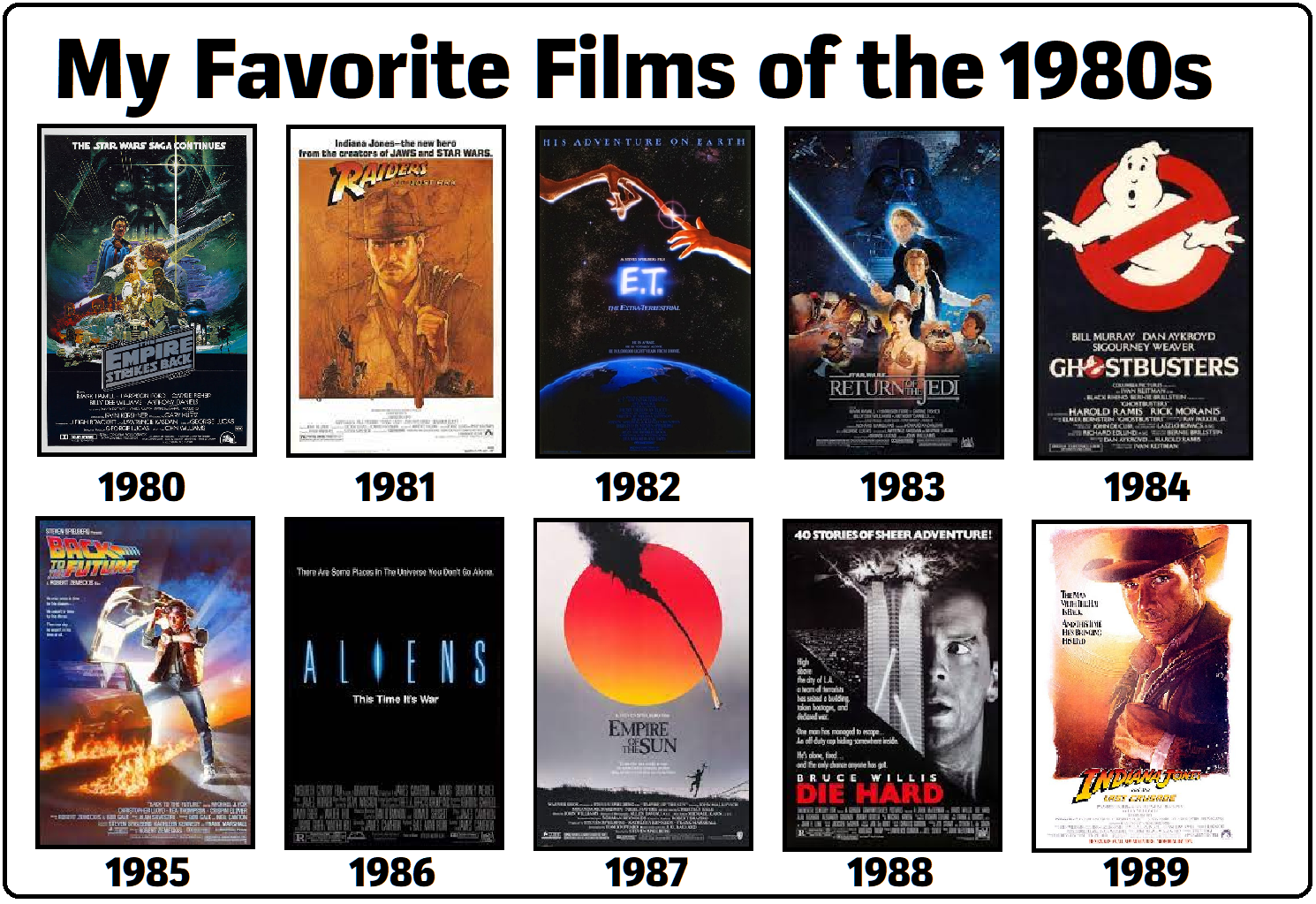
John Williams, having already revolutionized cinema in the late 1970s with Star Wars and Close Encounters of the Third Kind, cemented the late-19th-century romantic orchestral style as the gold standard for blockbuster adventure throughout the 1980s. His work on The Empire Strikes Back (1980), Raiders of the Lost Ark (1981), and E.T. the Extra-Terrestrial (1982) demonstrated the enduring power of leitmotifs—recurring musical themes associated with specific characters, objects, or ideas. Williams proved that a massive symphony orchestra could convey complex narrative arcs, heroic triumphs, and intimate childhood wonder with unmatched clarity.
Following in this symphonic lineage, composers like Alan Silvestri brought a muscular, propulsive energy to action and adventure cinema. Silvestri’s score for Robert Zemeckis’s Back to the Future (1985) is a masterclass in cinematic momentum. Combining traditional brass and percussion fanfare with driving rhythmic ostinatos, Silvestri created a sonic identity that instantly communicates time-traveling urgency and small-town Americana.
Comparison of Primary 1980s Film Scoring Approaches
| Scoring Approach | Primary Instruments | Key Pioneers | Representative Films | Aesthetic Goal |
|---|---|---|---|---|
| Symphonic Orchestral | Brass, strings, woodwinds, percussion | John Williams, Alan Silvestri, James Horner | Raiders of the Lost Ark, Back to the Future | Heroism, narrative clarity, emotional sweep |
| Synthesizer / Ambient | Analog/digital synths, sequencers, drum machines | Vangelis, Tangerine Dream, Harold Faltermeyer | Blade Runner, Beverly Hills Cop | Isolation, futuristic tension, driving kinetic energy |
| Hybrid Orchestral-Pop | Electric guitars, synthesizers, orchestral brass | Danny Elfman, Brad Fiedel, Harold Faltermeyer | The Terminator, Batman, Top Gun | Edgy urban grit, dark fantasy, modern cool |
The Rise of the Hybrid Score and Director-Composer Partnerships
As the decade progressed, rigid boundaries between electronic and acoustic scoring began to dissolve. Composers realized that the cold precision of synthesizers could be effectively warmed up by layering them with live instruments, or conversely, that traditional orchestras could be given a modern edge by running them through digital processors and effects units.
A prime example of this hybrid methodology is Brad Fiedel’s score for James Cameron’s The Terminator (1984). Fiedel created an iconic, industrial metallic percussion loop entirely on synthesizers, representing the relentless, unfeeling mechanical nature of the killer cyborg. Yet, the main theme retains a melancholic, wandering melody that hints at the tragic human struggle at the core of the narrative. Similarly, Harold Faltermeyer’s groundbreaking work on Beverly Hills Cop (1984) and Top Gun (1986) utilized the Yamaha DX7 and Sequential Circuits Prophet synthesizers to craft infectious, hook-heavy pop-instrumental tracks that functioned simultaneously as action cues and chart-ready pop singles.
This era also solidified legendary director-composer partnerships that shaped modern cinematic history:
- Steven Spielberg and John Williams: A collaboration that defined family adventure, historical drama, and science fiction for generations.
- Tim Burton and Danny Elfman: Beginning with Pee-wee's Big Adventure (1985) and culminating in Batman (1989), this partnership introduced a quirky, gothic, circus-inflected symphonic style that broke away from traditional Hollywood heroics.
- James Cameron and Brad Fiedel / James Horner: Crafting immersive, high-stakes auditory environments for technological thrillers and action epics.
Common Tropes, Production Techniques, and Structural Elements
The unique sound of 1980s film music is underpinned by specific compositional techniques and production choices that distinguish it from both the classic Hollywood era of the 1950s and the modern Hans Zimmer-inspired wall-of-sound era of the 2000s.
Gated Reverb and Production Aesthetics
From a production standpoint, 1980s film music—particularly action and pop-infused scores—relied heavily on digital reverb units, most notably the Lexicon 224 and AMS RMX16. The invention of "gated reverb" on drums (famously popularized by Phil Collins in pop music and quickly adopted by film composers) gave orchestral percussion and drum machines an enormous, explosive room sound that was abruptly cut off by a noise gate. This created a sense of massive physical space while keeping the mix clean and punchy beneath spoken dialogue.
The Ostinato-Driven Action Cue
Unlike earlier action cues that relied on chaotic, dissonant orchestral stabs (in the style of mid-century modernism), 1980s action scoring favored relentless, driving ostinatos played by synthesizers or plucked strings. This minimalist-inspired repetition built hypnotic tension, allowing audiences to process complex visual editing and high-speed stunt choreography without the music becoming sonically opaque.
Integration of Pop Songs and Score
The 1980s commercialized the soundtrack album as a major revenue stream for studios. Consequently, films frequently integrated licensed pop and rock tracks alongside original instrumental scores. Master producers like Jerry Bruckheimer and Don Simpson mastered the art of the "needle-drop" music video sequence within feature films, where characters engaged in high-octane action or romantic training montages set to soaring rock anthems by artists like Kenny Loggins, Survivor, or Heart.
Frequently Asked Questions About 1980s Film Music
What caused the major shift in 1980s film scores compared to previous decades?
The shift was primarily driven by rapid advancements in music technology, specifically the mass production of affordable polyphonic synthesizers and the introduction of the MIDI protocol in 1983. Additionally, a cultural pivot toward high-concept blockbusters required music that was commercially viable as standalone radio singles and capable of driving fast-paced cinematic action.
Did traditional orchestras disappear from movies during the 1980s?
No. While electronic music gained immense popularity, traditional symphonic scoring experienced a massive revival led by composers like John Williams. Films such as Star Wars, Indiana Jones, and Back to the Future proved that large-scale orchestral scores remained vital for epic fantasy and adventure storytelling.
What was the Yamaha DX7, and why was it important to film music?
Released in 1983, the Yamaha DX7 was one of the first commercially successful digital synthesizers to utilize Frequency Modulation (FM) synthesis. It replaced bulky analog gear with lightweight, portable presets that delivered distinctively bright, glassy electric piano, bell, and brass tones, becoming a staple of 1980s film and television scoring.
How did the concept of the hybrid film score emerge in the 1980s?
Hybrid scores emerged as composers began combining electronic synthesizers, sequencers, and drum machines with live acoustic instruments like brass sections and orchestral strings. This allowed creators to achieve both the cold, mechanical precision required for sci-fi/thriller settings and the organic emotional warmth of traditional symphonic writing.
Which 1980s film scores are considered the most influential?
Key influential scores include Vangelis’s Blade Runner for its atmospheric electronic world-building, John Williams’s The Empire Strikes Back for symphonic leitmotif mastery, Harold Faltermeyer’s Beverly Hills Cop for synthesizer pop-action integration, and Brad Fiedel’s The Terminator for industrial hybrid sound design.
Conclusion and Legacy
The music of 1980s cinema remains a towering achievement in artistic and technological synthesis. By embracing the bleeding-edge electronic tools of the era while honoring the timeless power of the symphony orchestra, composers created a sonic vocabulary that continues to resonate deeply in contemporary culture. Whether through the nostalgic warm glow of an analog synthesizer pad or the thrilling roar of a brass fanfare, 1980s film music transformed the silver screen into an unforgettable auditory experience that shaped generations of listeners and creators alike.