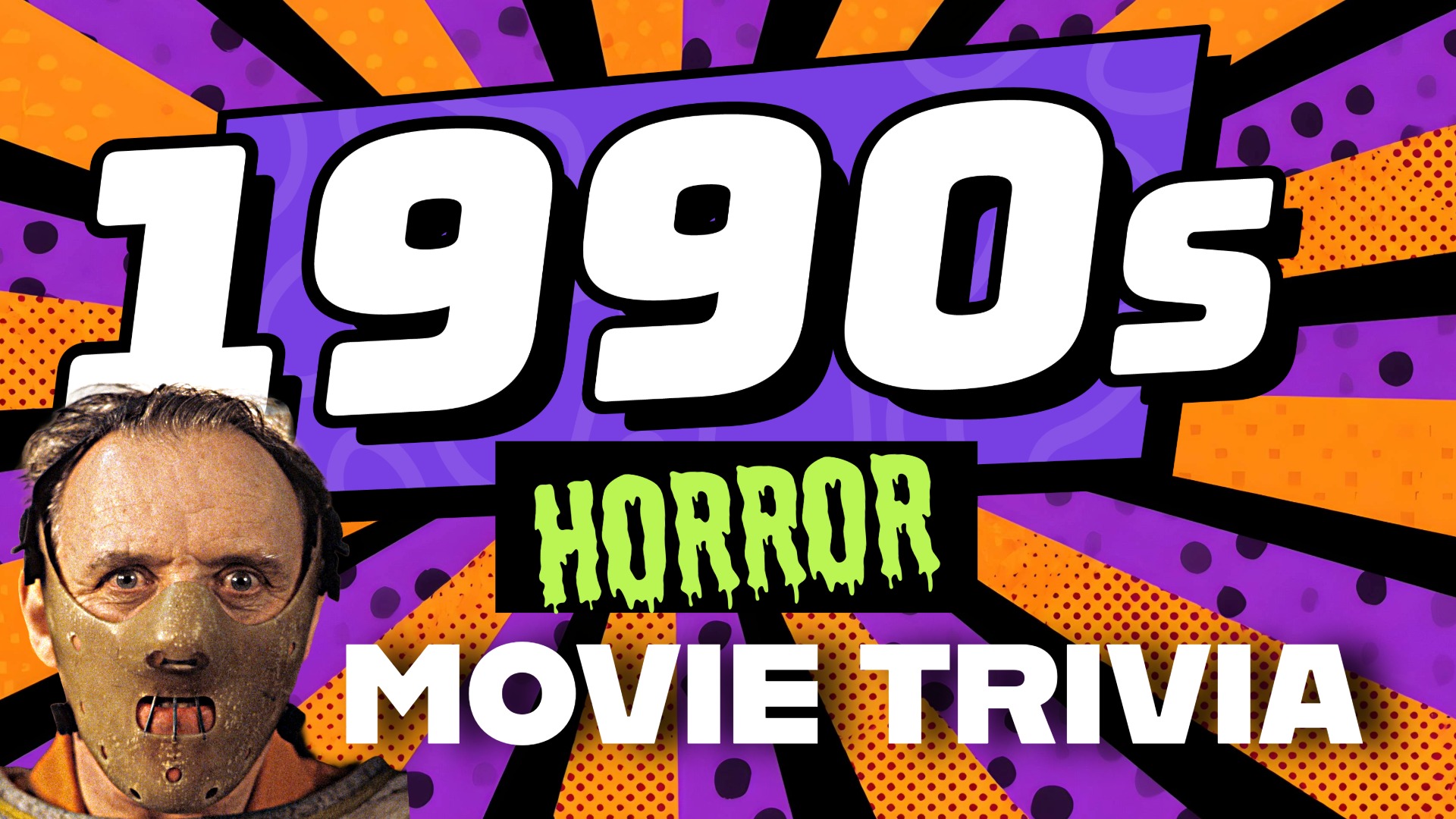
The 1990s horror genre represents a vital, transitional bridge between the practical-effect excesses of the 1980s and the glossy, high-concept meta-commentary of the 2000s. Caught between the decline of traditional slasher franchises and the rise of digital filmmaking, this decade redefined cinematic terror by shifting from supernatural monsters to psychological dread, corporate satire, and self-aware irony.
To fully understand 1990s horror, one must examine how the genre adapted to changing cultural anxieties, technological shifts, and shifting box-office realities. Far from being a "lost decade" between major horror booms, the 1990s gave birth to some of the most influential subgenres, cinematic tropes, and enduring masterpieces in film history.
The State of Horror at the Dawn of the Decade
As the calendar turned to 1990, the horror landscape was exhausted. The 1980s had been dominated by long-running slasher franchises—Friday the 13th, A Nightmare on Elm Street, Halloween, and Child's Play—whose formulas had grown increasingly tired and self-parodic. Sequels had pushed creative boundaries into camp and comedy, diminishing the genuine dread that made the original films successful.
Furthermore, audiences were changing. The blockbuster era of Jurassic Park and the emergence of independent cinema championed by Miramax meant studios were shifting investments away from low-budget splatter films. Practical monster effects, while still revered, were increasingly expensive compared to emerging digital tools. Horror directors had to find new ways to scare audiences without relying solely on a masked killer stalking teenagers in the woods.
Instead of dying out, horror fragmented into distinct streams:
- Direct-to-Video and Independent Splatter: Continuing the grindhouse tradition with lower budgets and higher gore counts.
- Literary Adaptations and Prestige Horror: High-profile studio films dealing with serial killers, psychological trauma, and institutional corruption.
- Global Cinema: International filmmakers, particularly in East Asia, began developing the atmospheric ghost stories that would explode globally at the turn of the millennium.
The Meta-Revolution: Self-Awareness and Scream (1996)
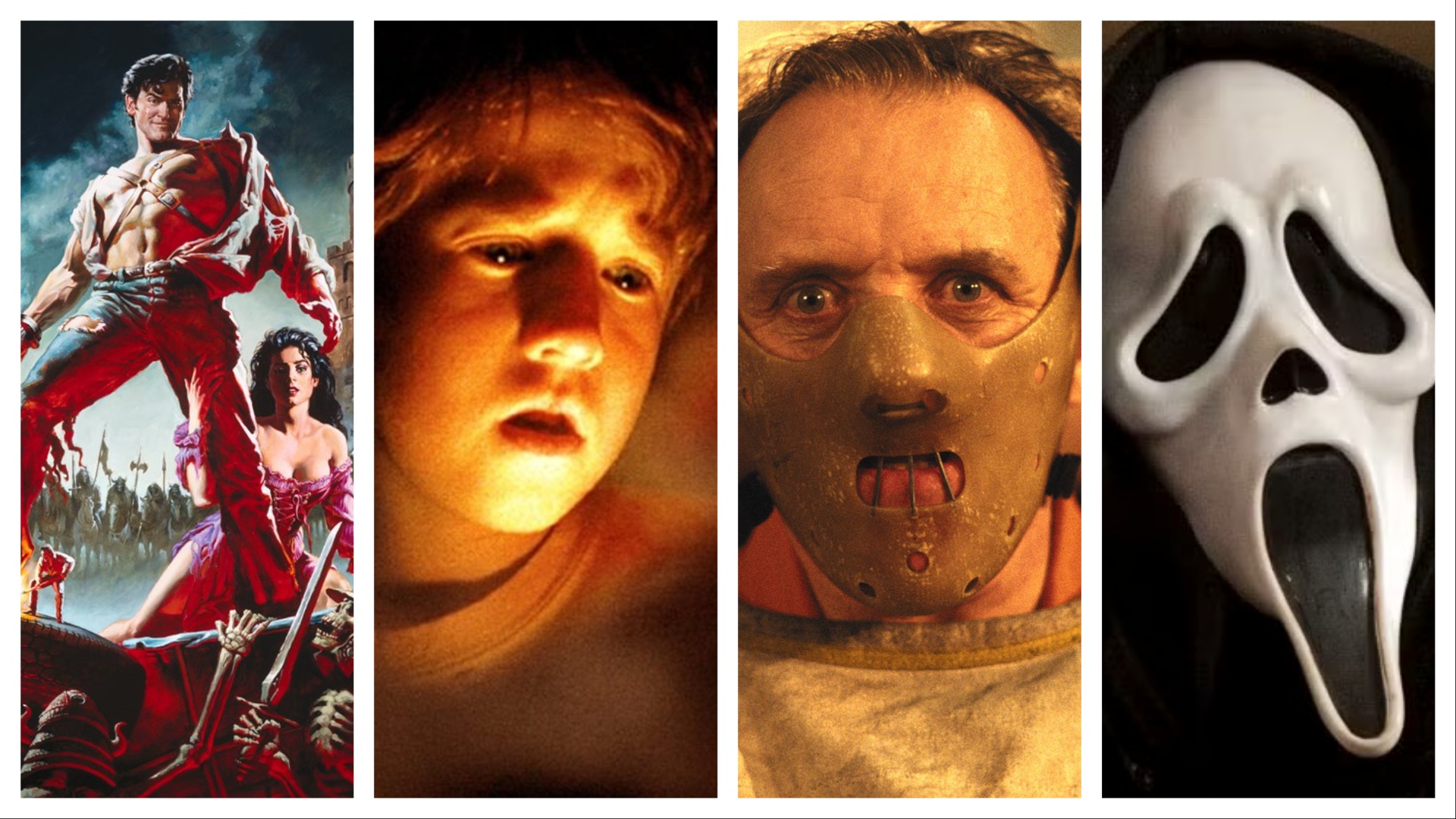
No discussion of 1990s horror is complete without addressing the seismic impact of Wes Craven’s Scream (1996), written by Kevin Williamson. By the mid-1990s, the slasher genre was functionally dead, ridiculed for its predictable plotting and wooden character archetypes. Scream revitalized the entire industry by acknowledging that its characters had seen horror movies and knew the rules.
The film introduced a meta-textual framework where teenagers debated horror tropes on screen while actively trying to survive them. This self-awareness did not alienate audiences; rather, it created an inclusive game of guessing the killer and spotting cinematic references.
| Feature / Element | Traditional 1980s Slasher | 1990s Meta-Slasher (e.g., Scream) |
|---|---|---|
| Character Awareness | Oblivious to tropes; walk into danger blindly | Informed by horror history; discuss "the rules" |
| Narrative Tone | Earnest, atmospheric, moralistic | Ironic, fast-paced, satirical |
| Antagonist Motivation | Supernatural force or masked vengeance | Psychological obsession, peer pressure, media |
| Final Girl Archetype | Stoic, virginal survivor | Resourceful, media-literate, complex trauma |
Following Scream, Hollywood rushed to capitalize on the teen horror boom. Films like I Know What You Did Last Summer (1997), Urban Legend (1998), and The Faculty (1998) adopted the formula of attractive young casts, contemporary pop soundtracks, and sharp whodunit mysteries. While many of these imitations lacked the razor-sharp wit of Scream, they kept the horror genre commercially viable through the end of the decade.
Prestige Psychological Thrillers and Serial Killers
While teenagers were getting sliced up by witty mystery killers, adult horror migrated toward procedural thrillers and psychological darkness. This shift was heavily influenced by Jonathan Demme’s The Silence of the Lambs (1991), which swept the major Academy Awards and legitimized the thriller-horror hybrid as high art.
The early-to-mid 1990s saw an obsession with serial killers, forensic science, and the dark recesses of the human mind. Films like David Fincher’s Seven (1995) established a grim, rain-slicked visual aesthetic defined by decaying urban landscapes, religious allegory, and unrelenting nihilism. These films treated evil not as a supernatural anomaly, but as a systemic, human failure that institutions were powerless to stop.
Key characteristics of 1990s psychological and serial killer horror include:
- Gritty Realism: Utilizing muted color palettes, hand-held camera work, and industrial soundscapes to evoke claustrophobia.
- Procedural Depth: Incorporating actual forensic science, criminal profiling, and investigative methodology borrowed from true crime.
- Moral Ambiguity: Blurring the line between the hunter and the hunted, where protagonists often lost a piece of their humanity to catch the monster.
The Low-Budget Indie and Found-Footage Breakthrough
The most significant tectonic shift in horror distribution and marketing occurred at the very tail end of the decade with the release of The Blair Witch Project (1999). Shot on a shoestring budget of roughly $60,000, Daniel Myrick and Eduardo Sánchez’s film utilized the emerging internet to market itself as a genuine, recovered documentary about missing student filmmakers in the Maryland woods.
The Blair Witch Project proved that atmosphere, suggestion, and dread could outweigh multimillion-dollar special effects. It created a massive cultural phenomenon, grossing nearly $250 million worldwide and proving the viability of viral marketing campaigns years before social media platforms existed.
Concurrently, independent horror found other outlets. Japanese cinema was quietly laying the groundwork for the J-horror boom of the 2000s with Hideo Nakata’s Ringu (1998), which traded Western jump scares for a creeping, technological dread centered around cursed videotapes.
Practical Effects Versus Early CGI
The 1990s occupy a unique technological purgatory regarding special effects. The revolutionary practical creature work perfected by masters like Rob Bottin, Stan Winston, and Rick Baker in the 1980s was giving way to computer-generated imagery (CGI).
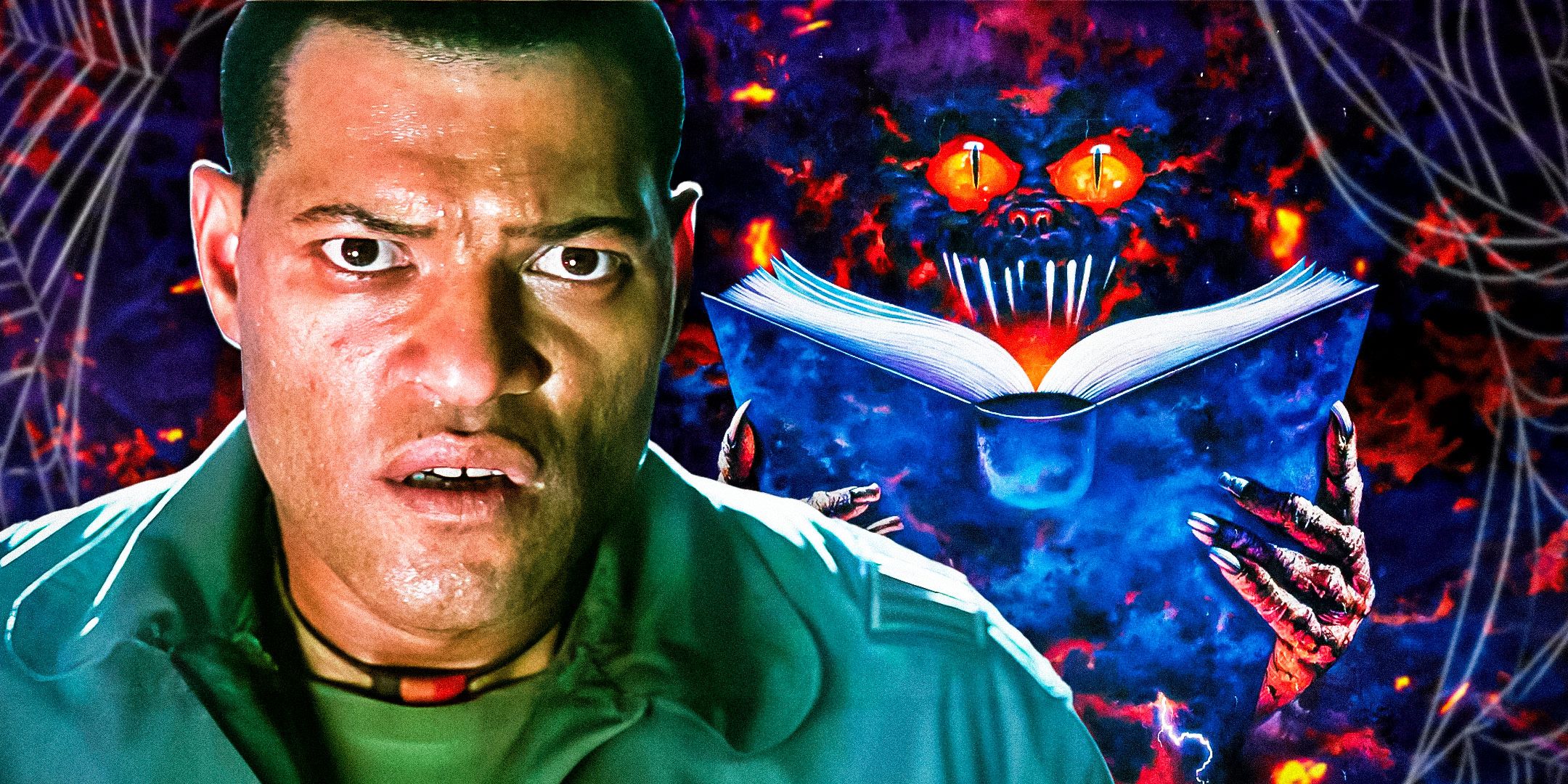
However, because early digital effects were expensive and primitive, filmmakers were forced to use restraint. This limitation often worked in the genre's favor. Movies like John Carpenter’s In the Mouth of Madness (1994) and Clive Barker’s Lord of Illusions (1995) blended tactile, slimy practical effects with surreal conceptual design. When CGI was used—such as in Jurassic Park (science-fiction/horror hybrid) or Deep Rising (1998)—it was deployed sparingly, allowing practical animatronics and prosthetics to carry the emotional weight of physical violence and decay.
Frequently Asked Questions
What defined 1990s horror compared to the 1980s?
The 1980s were defined by supernatural slashers, iconic monsters, and elaborate practical gore effects. The 1990s shifted toward self-aware satire, slick psychological thrillers, corporate cynicism, and realistic serial killer investigations, heavily influenced by the rise of media literacy among audiences.
Why is Scream considered so important to 1990s horror?
Scream (1996) successfully resurrected the moribund slasher subgenre by breaking the fourth wall. It injected post-modern humor, pop-culture trivia, and genuine whodunit mystery into a formula that had become predictable and stale.
Did 1990s horror rely on practical effects or CGI?
The decade was a transition period. While early CGI began making appearances, most 1990s horror films relied heavily on traditional practical effects, makeup prosthetics, and animatronics, supplemented by digital touch-ups only when necessary.
What was the impact of The Blair Witch Project?
Released in 1999, The Blair Witch Project popularized the found-footage subgenre and demonstrated the immense power of independent filmmaking and early internet viral marketing. It shifted audience tastes away from high-budget studio monsters back toward raw, psychological realism.
Conclusion and Legacy
The horror cinema of the 1990s is a testament to the genre's adaptability. Faced with audience fatigue and technological upheaval, filmmakers stripped away the rotting formulas of the past and built something smarter, slicker, and infinitely more self-aware. Whether revisiting the rainy streets of Seven, decoding the meta-rules of Scream, or peering into the shaky-cam forest of The Blair Witch Project, the legacy of 1990s horror remains a cornerstone of modern cinematic dread. For contemporary creators and fans alike, studying this decade reveals how horror survives by turning its own history inside out.