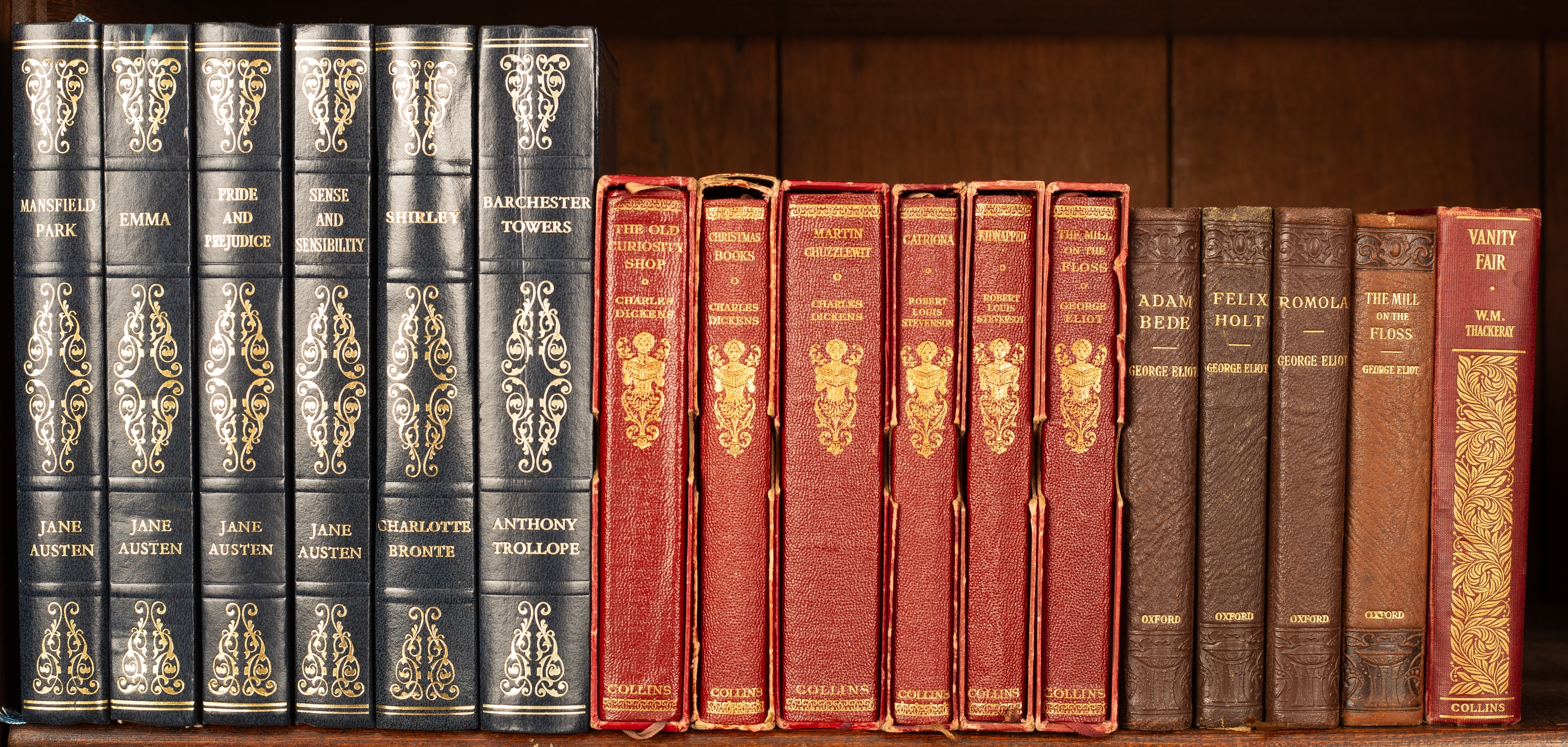
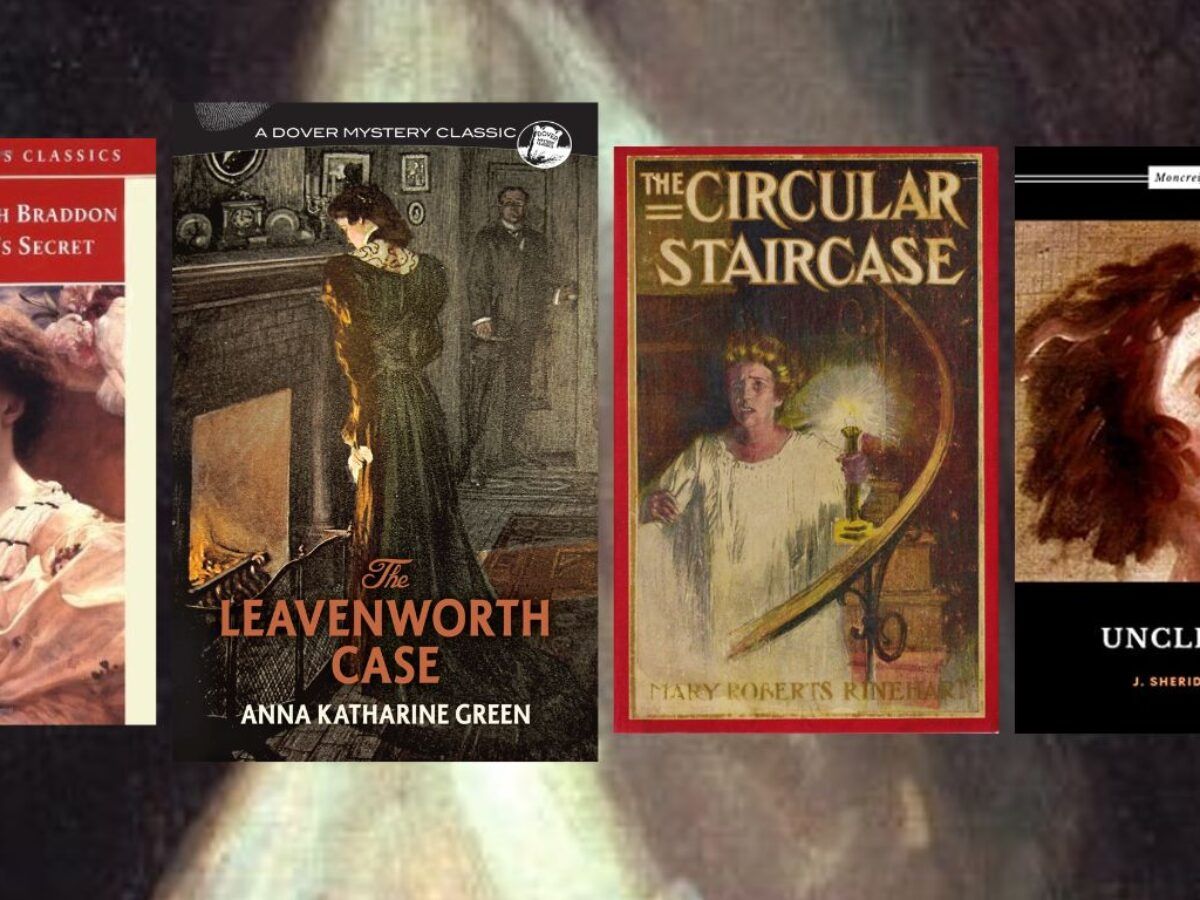
Nineteenth-century literature encompasses the vast body of written works produced between 1800 and 1899, an era defined by the Industrial Revolution, rapid urbanization, shifting class structures, and profound philosophical changes. Spanning movements such as Romanticism, Realism, and Naturalism, this literary period established many of the narrative structures, thematic concerns, and genres that continue to shape modern reading and academic study.
The Historical and Cultural Landscape of the 19th Century
To fully understand nineteenth-century literature, readers must examine the dramatic socioeconomic and political transformations that occurred across Europe, the Americas, and the broader colonial world during this timeframe. The century opened in the shadow of the French Revolution and the early stages of the Industrial Revolution, shifts that dismantled traditional agrarian lifestyles and concentrated populations in rapidly expanding industrial cities like London, Paris, and New York.
Writers responded directly to these dislocations. The mechanization of labor, the emergence of a distinct middle class (the bourgeoisie), and the exploitation of the industrial working class (the proletariat) provided rich narrative material. Furthermore, the expansion of the British Empire and other European colonial powers brought global trade networks, cross-cultural encounters, and imperial anxieties to the forefront of public consciousness. Literature became a primary vehicle for debating morality, scientific advancement—such as Charles Darwin’s theory of evolution introduced in On the Origin of Species (1859)—and the changing role of women in society.
Major Literary Movements of the 1800s
The nineteenth century is rarely viewed as a monolith; instead, it is best understood through a succession of overlapping and reacting literary movements. Each movement brought distinct stylistic conventions, philosophical commitments, and aesthetic goals.
Romanticism (Roughly 1780s–1830s)
Rising as a counter-enlightenment movement against the scientific rationality of the eighteenth century, Romanticism prioritized intense emotion, individualism, and the sublime beauty of the natural world. Romantic writers turned away from urban corruption toward rural landscapes, folklore, and the inner psychological depths of the human soul.
- Key Themes: The sublime in nature, the celebration of the outcast or rebel, the supernatural, and intense emotional states.
- Notable Figures: William Wordsworth, Samuel Taylor Coleridge, Mary Shelley, John Keats, and Lord Byron.
Realism (Roughly 1850s–1890s)
As societies industrialized and the limitations of idealized Romantic perspectives became apparent, Realism emerged to depict everyday life, ordinary people, and contemporary social conditions with objective fidelity. Realist writers rejected melodramatic plots and supernatural elements in favor of plausible character development, complex moral dilemmas, and accurate regional dialects.
- Key Themes: Social class friction, marital discord, economic pressures, hypocrisy, and the constraints of domesticity.
- Notable Figures: George Eliot, Leo Tolstoy, Fyodor Dostoevsky, Mark Twain, and Henry James.
Naturalism (Roughly 1870s–1900)
An offshoot and radicalization of Realism, Naturalism was heavily influenced by Darwinian evolution and Marxist economic theory. Naturalist writers treated their characters as specimens shaped and largely controlled by their environment, heredity, and socioeconomic conditions. Plots frequently centered on deterministic forces that individuals could neither escape nor overcome.
- Key Themes: Heredity versus environment, poverty, addiction, survival, and the indifference of the natural universe.
- Notable Figures: Émile Zola, Thomas Hardy, Stephen Crane, and Frank Norris.
Key Genres and Publication Formats
The nineteenth century witnessed a revolution in print culture. The expansion of literacy rates, improvements in papermaking, and the invention of the steam-powered printing press transformed literature from an elite luxury into a mass-market commodity.
The Serialization Phenomenon
Many of the most celebrated novels of the era—including works by Charles Dickens, Charles Dickens' contemporary William Makepeace Thackeray, and Russian Realist authors—were not initially published as complete bound books. Instead, they appeared as serial installments in monthly or weekly periodicals.
- Reader Engagement: Serialization created a dynamic, interactive relationship between authors and audiences. Writers frequently altered plotlines, developed specific characters, or accelerated pacing based on contemporary public feedback and sales figures.
- Cliffhangers: To ensure readers purchased the next installment, authors mastered the art of the narrative cliffhanger, a structural convention that directly influenced modern television and streaming formats.
The Rise of Gothic and Genre Fiction
The nineteenth century also gave birth to or codified several enduring popular genres. Gothic literature, pioneered in the late eighteenth century, evolved through works like Bram Stoker's Dracula (1897) and Robert Louis Stevenson’s Strange Case of Dr Jekyll and Mr Hyde (1886) to explore repressed Victorian anxieties, psychological duality, and the monstrous. Concurrently, Edgar Allan Poe laid the groundwork for modern detective fiction and psychological horror, while Jules Verne and H.G. Wells established the foundations of modern science fiction.
Comparative Overview of Major 19th-Century Movements
| Literary Movement | Primary Timeframe | Core Philosophical Influence | Typical Protagonists | Stylistic Approach |
|---|---|---|---|---|
| Romanticism | Late 18th to 1830s | Counter-Enlightenment, Rousseau, idealism | Poets, wanderers, rebels, outcasts | Elevated, lyrical, focus on nature and intense emotion |
| Realism | Mid to Late 19th Century | Positivism, sociology, rising middle class | Merchants, professionals, everyday citizens | Objective, detailed, psychologically plausible dialogue |
| Naturalism | Late 19th Century | Darwinism, determinism, scientific materialism | Slum dwellers, laborers, individuals trapped by fate | Clinical, deterministic, stark examination of squalor and biology |
Accessing and Studying 19th-Century Literature Today
For modern readers, students, and researchers, engaging with nineteenth-century texts requires navigating a mix of physical libraries, digital archives, and specialized critical apparatuses. Because the vast majority of texts published in the 1800s are now in the public domain, readers have unprecedented access to historical literature.
1. Digital Archives and Open Access Libraries
Platforms such as Project Gutenberg, Internet Archive, and Google Books provide free digital scans and plain-text versions of thousands of nineteenth-century novels, poetry collections, and essays. Academic researchers frequently rely on specialized databases like Nineteenth Century Collections Online (NCCO) for access to periodicals, manuscripts, and ephemera.
2. Choosing the Right Critical Editions
When purchasing or studying physical books, selecting a scholarly critical edition (such as Oxford World's Classics, Penguin Classics, or Norton Critical Editions) offers significant advantages over unannotated reprints. Critical editions typically include:
- Explanatory Footnotes: Clarifying historical allusions, obsolete vocabulary, and cultural references that may confuse modern readers.
- Contextual Essays: Providing historical background, contemporary reviews, and modern critical essays.
- Authorial Materials: Including prefaces, journals, and alternative endings written by the author.
Frequently Asked Questions
What is the difference between Romanticism and Realism in 19th-century literature?
Romanticism focuses on emotion, individualism, and the sublime power of nature, often utilizing idealized or dramatic plots. Realism reacts against this idealism by striving for an accurate, objective depiction of everyday life, social class structures, and ordinary human psychology without melodramatic embellishments.
Why were so many 19th-century novels published in serial format?
Publishing novels in monthly or weekly magazine installments made long-form fiction more affordable for a growing middle-class readership. It also provided publishers with steady cash flow and allowed authors to gauge audience reaction in real time as their stories unfolded.
How did the Industrial Revolution influence 19th-century writing?
Industrialization sparked profound anxieties regarding urbanization, poverty, mechanization, and the widening gap between social classes. Writers used these themes to critique capitalist exploitation, examine the alienation of city life, and explore the moral dilemmas of technological progress.
Are 19th-century texts difficult for modern readers to understand?
While some texts feature longer, more complex sentence structures and obsolete vocabulary, they are generally accessible with the help of annotated critical editions. Modern readers benefit from reading texts with active curiosity regarding historical context and social norms of the era.
Where can I find reliable, free copies of 19th-century books?
Established digital repositories like Project Gutenberg and the Internet Archive offer thousands of verified public domain editions of nineteenth-century novels, poetry, and non-fiction works for free digital reading or download.
Practical Next Steps for Readers
To dive effectively into nineteenth-century literature, avoid starting with dense multi-volume epics if you are new to the period. Begin with accessible, highly influential shorter works or novellas, such as Mary Shelley's Frankenstein or Robert Louis Stevenson's Strange Case of Dr Jekyll and Mr Hyde. Pair your reading with an introductory literary history text or critical edition notes to bridge the gap between historical context and contemporary interpretation. As you build familiarity with the stylistic conventions of the era, expand your reading into longer realist novels and transnational literatures to appreciate the full breadth of the nineteenth-century imagination.