The year 2013 stands as a pivotal transitional period characterized by monumental shifts in global geopolitics, unprecedented advancements in consumer technology, defining moments in popular culture, and crucial economic recoveries following the post-2008 financial landscape.
Introduction to the 2013 Historical Context
When evaluating the 2013 year review, observers examine a twelve-month window that bridged the analog-leaning early internet era with the hyper-connected, mobile-first society recognized today. Politically, the year witnessed intense diplomatic standoffs, civil conflicts, and leadership transitions across major global superpowers. Technologically, mobile devices achieved critical mass, cloud storage shifted from enterprise novelty to consumer standard, and digital privacy emerged as a dominant international concern following unprecedented intelligence leaks.
Cultural touchstones from this year continue to influence media production, linguistic evolution, and institutional policies. By dissecting the political milestones, economic climates, technological breakthroughs, and cultural phenomena of 2013, researchers and historians gain a comprehensive understanding of how these developments laid the groundwork for contemporary global systems.
Global Geopolitics and Major Political Events
The geopolitical landscape of 2013 was defined by ongoing turbulence in the Middle East, shifting diplomatic relations between Western nations and emerging economies, and monumental domestic policy struggles.
The Escalation of the Syrian Civil War and International Diplomacy
By 2013, the Syrian Civil War had evolved from domestic protests into a devastating multi-factional conflict. The conflict drew intense international scrutiny in August 2013 following a chemical weapons attack in the Ghouta region of Damascus. This event crossed what Western leaders had termed a "red line," triggering intense international debate regarding military intervention. Ultimately, a diplomatic agreement brokered by the United States and Russia averted direct Western military strikes by compelling the Syrian government to surrender its chemical weapons stockpile for international destruction.
The Snowden Disclosures and Global Surveillance Debates
In June 2013, former National Security Agency (NSA) contractor Edward Snowden leaked thousands of classified documents to journalists. These revelations exposed vast, systematic global surveillance programs conducted by intelligence agencies in the United States, the United Kingdom, and their allies. The disclosures sparked fierce global debates concerning national security versus digital privacy, forcing telecommunications corporations, technology giants, and governments to overhaul their encryption standards, data storage protocols, and transparency reporting practices.
Leadership Transitions and Domestic Policy Struggles
Globally, 2013 marked significant political transitions:
- The Papal Transition: In February 2013, Pope Benedict XVI became the first pontiff to resign since 1415, leading to the historic election of Pope Francis by the papal conclave in March.
- Xi Jinping’s Presidency: Xi Jinping formally assumed the presidency of the People's Republic of China during the National People's Congress in March, signaling the beginning of a more assertive foreign policy and sweeping domestic anti-corruption campaigns.
- The United States Budget Crisis: The U.S. federal government experienced a 16-day shutdown in October 2013 due to a legislative impasse over federal spending and the implementation of the Affordable Care Act.
Technological Milestones and Digital Evolution
The technology sector in 2013 experienced rapid maturation, particularly in mobile hardware, cloud computing, and digital media consumption.
The Mobile Supremacy and Hardware Evolution
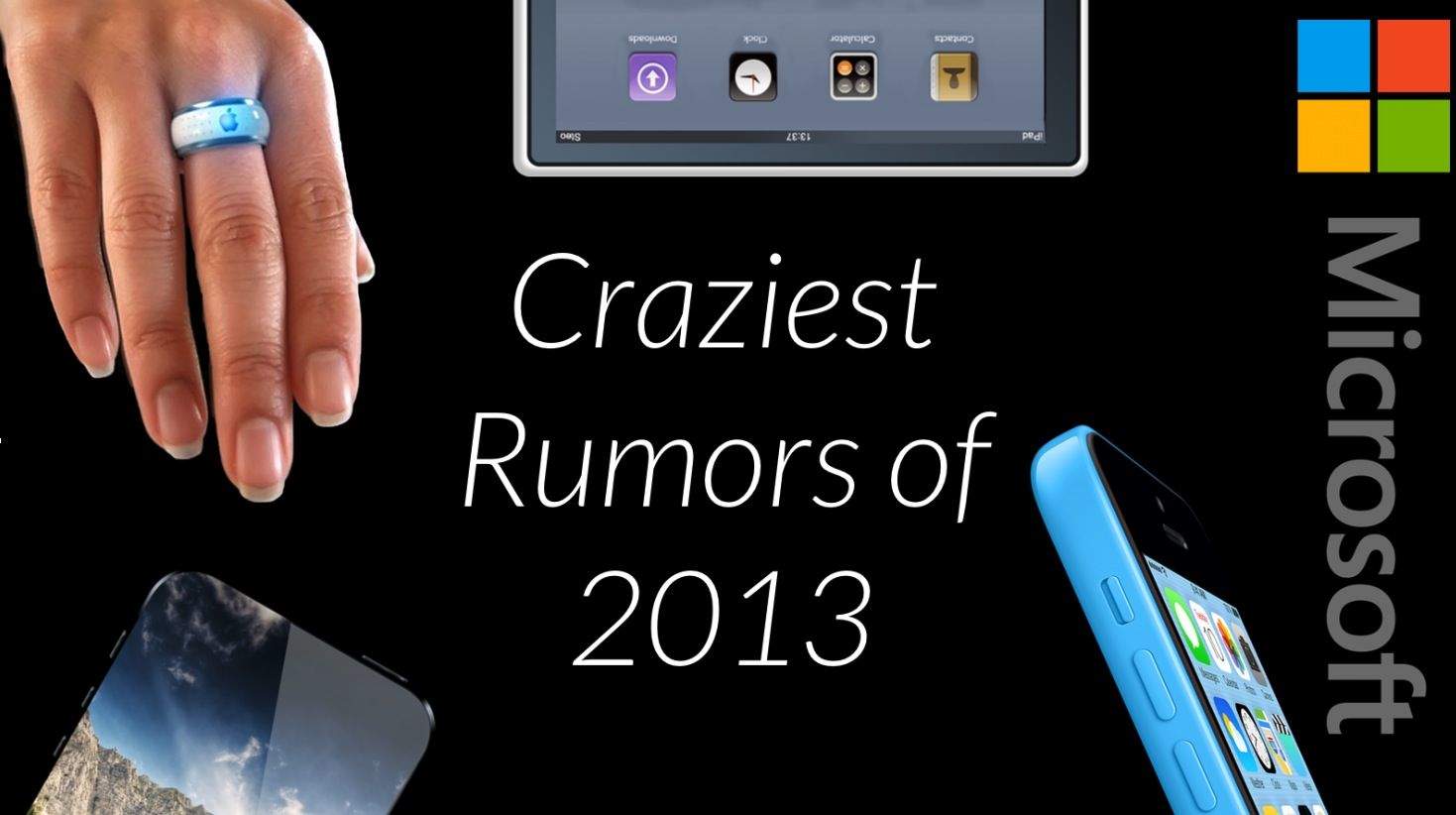
Smartphones solidified their dominance over feature phones in 2013. Apple introduced the iPhone 5s, featuring Touch ID fingerprint recognition, alongside the plastic-backed iPhone 5c. Meanwhile, Android manufacturers—led by Samsung with the Galaxy S4—captured significant global market share through expansive high-definition displays and multi-window processing capabilities. Tablets also achieved peak household penetration, becoming essential tools for media consumption and education.
The Rise of Streaming and the Shift in Digital Media
The media consumption habits of global audiences underwent a structural transformation in 2013:
- Netflix Original Content: In February 2013, Netflix released House of Cards, its first major original scripted series. This release revolutionized television distribution, popularizing the "binge-watching" model and signaling the decline of traditional cable network scheduling dominance.
- Music Streaming Growth: Platforms like Spotify, Pandora, and Apple's impending streaming initiatives began challenging traditional digital music sales (such as iTunes downloads), setting the stage for subscription-based audio streaming as the industry's primary revenue driver.
Economic Indicators and Market Trends
The global economy in 2013 was characterized by a cautious, uneven recovery from the Great Recession, marked by aggressive central bank interventions and shifting commodity prices.
Monetary Policy and Quantitative Easing
Central banks maintained ultra-loose monetary policies throughout 2013 to stimulate growth. The U.S. Federal Reserve, led by Chairman Ben Bernanke, spent much of the year debating the eventual tapering of its quantitative easing program—a discussion that triggered market volatility known as the "taper tantrum" in emerging market economies. Meanwhile, the European Central Bank (ECB) lowered interest rates to historic lows to combat persistent eurozone deflationary pressures following the sovereign debt crisis.
Cryptocurrency Emergence
While Bitcoin had existed since 2009, 2013 marked its breakout year in mainstream financial consciousness. The cryptocurrency experienced its first major speculative bubble, surging from under $20 per coin at the beginning of the year to cross the $1,000 threshold by November. This meteoric rise captured the attention of institutional investors, regulators, and cybersecurity experts alike, establishing digital assets as a speculative asset class.
Cultural Phenomena and Entertainment Milestones
Popular culture in 2013 produced enduring memes, chart-topping musical phenomena, and critically acclaimed cinematic releases that defined the decade's aesthetic.
Viral Internet Culture: The "Harlem Shake"
One of the most defining viral internet phenomena of 2013 was the "Harlem Shake" meme. Originating from a YouTube video created by internet personality Filthy Frank, the meme involved a short video clip featuring an individual dancing alone to Baauer's electronic track Harlem Shake before cutting to a chaotic, costumed group dance party once the beat dropped. Millions of users, corporations, sports teams, and military units produced their own versions, demonstrating the immense viral power of decentralized user-generated content.
Defining Music and Cinema of 2013
- Musical Landmarks: Music charts were dominated by genre-bending hits such as Robin Thicke’s "Blurred Lines," Daft Punk’s disco-revival anthem "Get Lucky," and Lorde’s breakout minimalist pop track "Royals."
- Cinematic Masterpieces: The cinematic landscape featured critically acclaimed films including Alfonso Cuarón’s sci-fi thriller Gravity, Steve McQueen’s historical drama 12 Years a Slave (which won the Academy Award for Best Picture), and Martin Scorsese’s The Wolf of Wall Street.
Key Developments and Metrics of 2013
| Sector | Major Event / Innovation | Global Impact / Significance |
|---|---|---|
| Geopolitics | Edward Snowden NSA Leaks | Sparked worldwide debates regarding digital privacy, encryption, and state surveillance. |
| Technology | Netflix Releases House of Cards | Pioneered the streaming-first original series model, altering global television consumption. |
| Finance | Bitcoin's First Major Price Surge | Brought cryptocurrencies into mainstream financial discourse, crossing $1,000 per coin. |
| Science | Voyager 1 Interstellar Entry | NASA confirmed Voyager 1 became the first human-made object to enter interstellar space. |
| Culture | "Harlem Shake" Viral Trend | Established new benchmarks for participatory user-generated video memes on social media. |
Frequently Asked Questions
What were the most significant global events of 2013?
The most significant global events included the escalation of the Syrian Civil War (including the Ghouta chemical weapons attack), the Edward Snowden intelligence leaks regarding global mass surveillance, the resignation of Pope Benedict XVI and election of Pope Francis, and the historic surge of Bitcoin past $1,000.
How did technology change in 2013?
Technology shifted heavily toward mobile dominance, with smartphones like the iPhone 5s and Samsung Galaxy S4 capturing massive market share. Additionally, 2013 marked the mainstreaming of video streaming through original content like House of Cards and the widespread adoption of cloud-based consumer services.
Why is 2013 considered an important year for digital privacy?
The year 2013 is a watershed moment for digital privacy because whistleblower Edward Snowden released classified documents exposing extensive, covert data collection programs operated by intelligence agencies such as the NSA and GCHQ, permanently altering public awareness and corporate security standards.
What economic trends defined 2013?
The global economy was defined by post-recession recovery, central bank stimulus debates (such as the U.S. Federal Reserve's "taper tantrum"), and the initial speculative boom in cryptocurrencies, which introduced digital assets to mainstream institutional investors.
Which cultural trends emerged in 2013?
Cultural trends were heavily shaped by viral internet videos, most notably the "Harlem Shake" meme, alongside groundbreaking musical releases from artists like Daft Punk and Lorde, and the ascent of binge-watching culture via subscription video streaming platforms.
Conclusion and Historical Legacy
Reviewing the events of 2013 reveals a foundation upon which much of the modern digital, political, and cultural ecosystem was built. The tensions surrounding digital surveillance, the transition from linear broadcast television to on-demand streaming, the mainstreaming of decentralized financial assets, and the geopolitical realignments in the Middle East and Asia all established trajectories that continue to unfold. Understanding this transformative year provides vital context for navigating the complexities of the contemporary world.