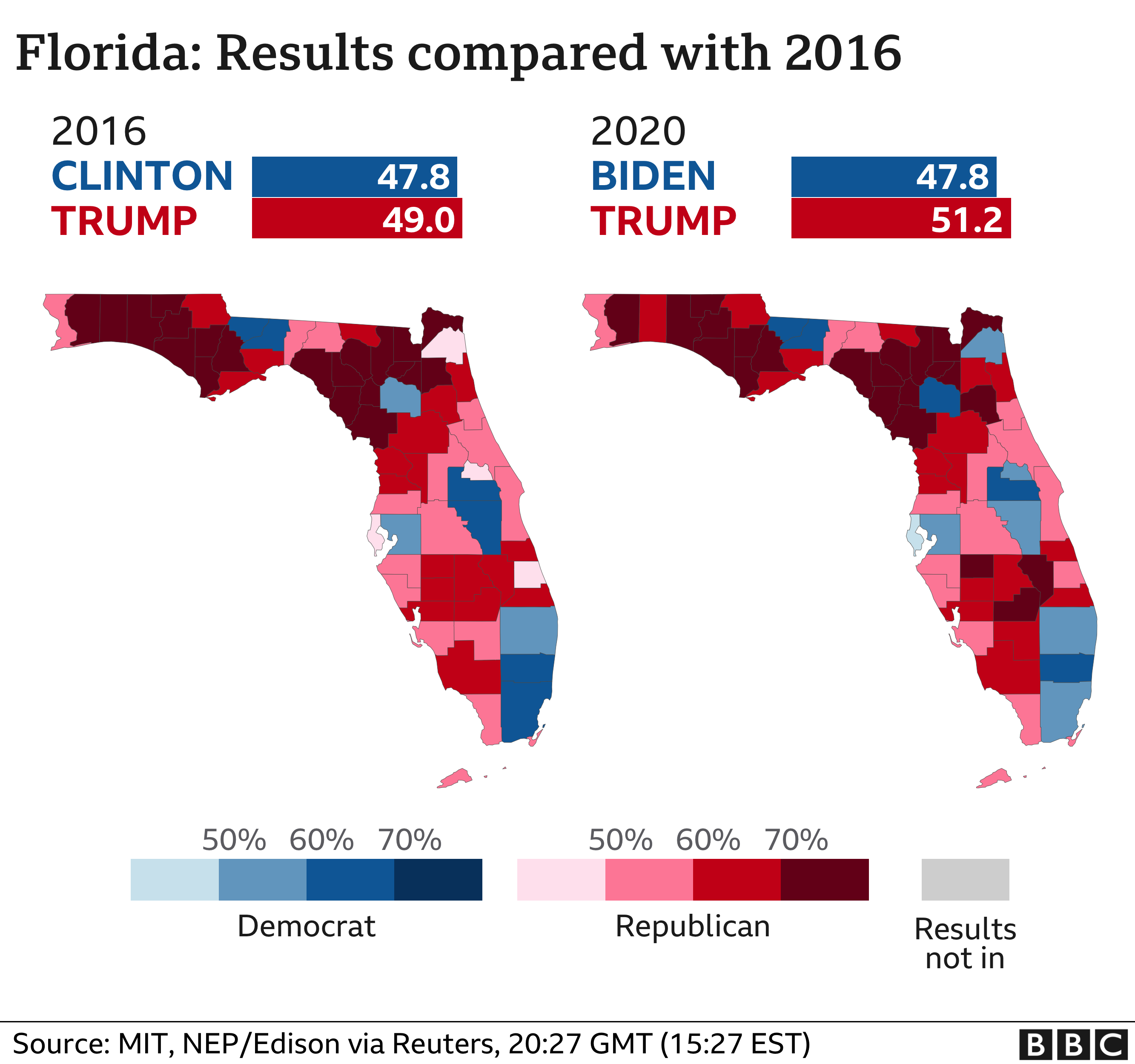
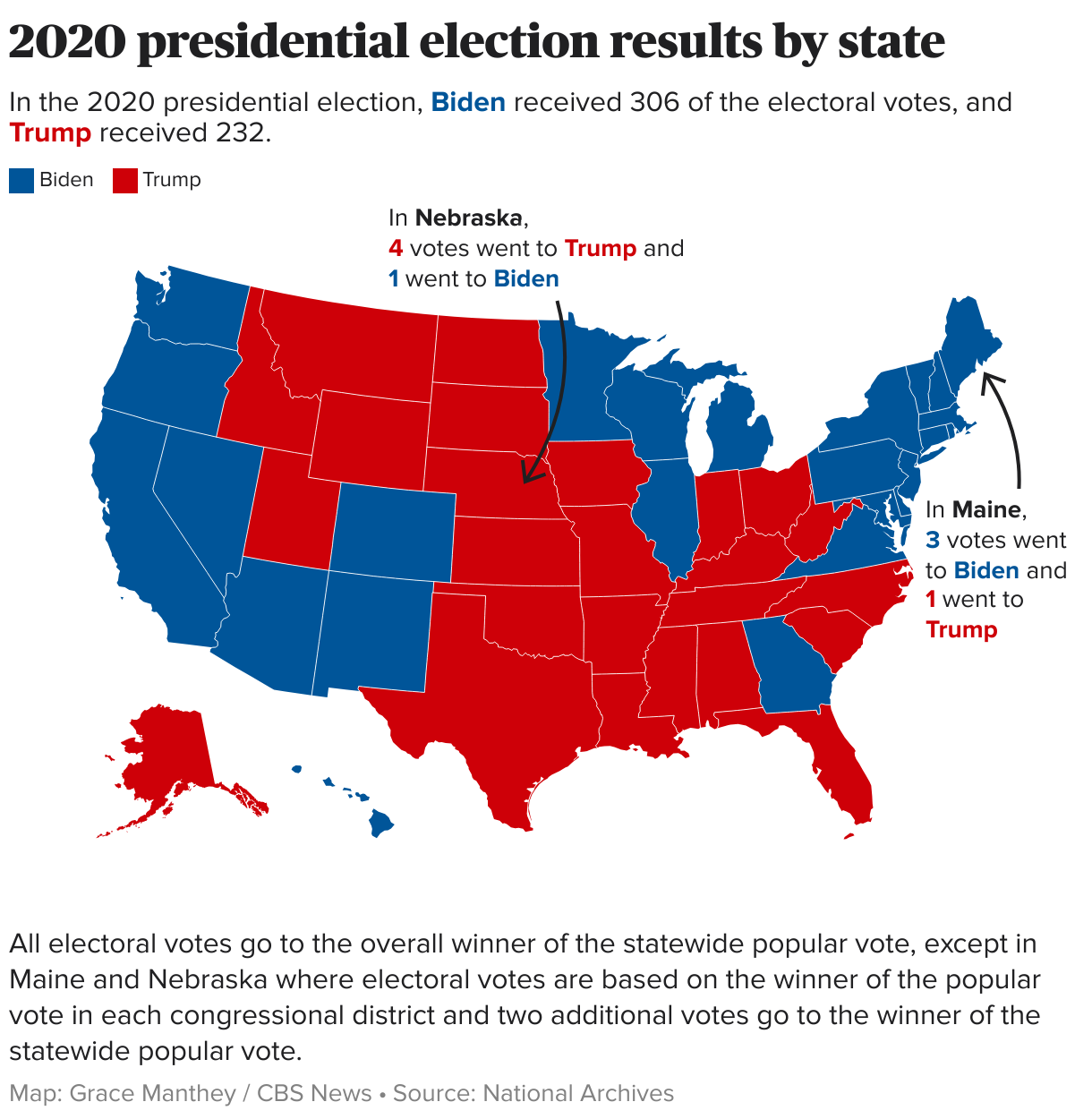
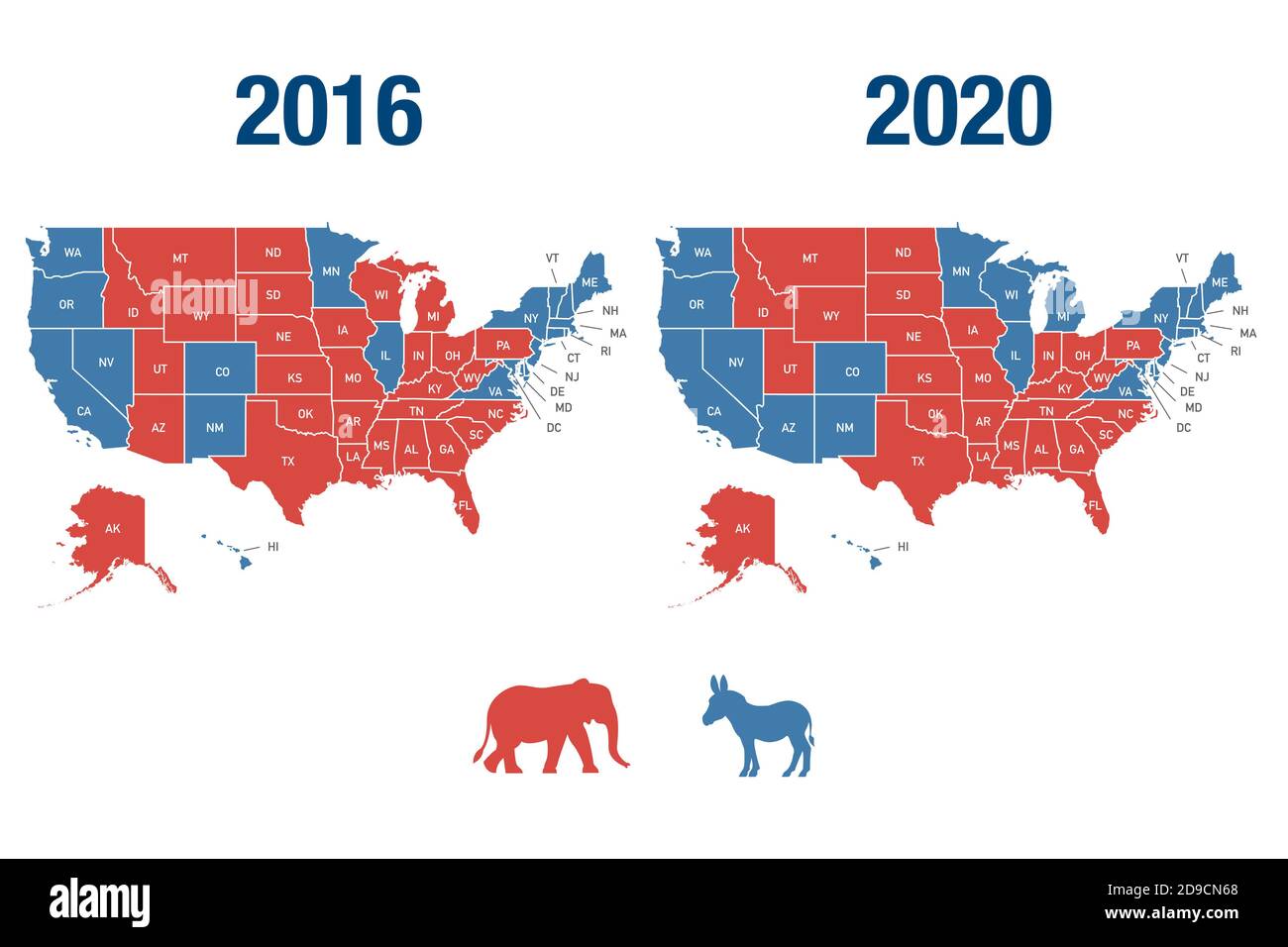
The 2016 United States presidential election, held on November 8, 2016, concluded with the Republican nominee, businessman Donald Trump, defeating the Democratic nominee, former Secretary of State Hillary Clinton. Despite trailing in the national popular vote by approximately 2.87 million votes, Trump secured a decisive majority in the Electoral College by winning key rust belt and swing states, thereby becoming the 45th President of the United States.
The Landscape of the 2016 Presidential Primaries
The path to the general election began with a sprawling, highly competitive primary season for both major political parties. These primary contests laid bare deep ideological divides within the American electorate that would ultimately define the national campaign.
The Republican Nomination Contest
The Republican Party primary field featured seventeen prominent candidates, including sitting United States senators, governors, and business executives. Early conventional wisdom suggested establishment favorites like Florida Senator Marco Rubio or former Florida Governor Jeb Bush would secure the nomination. However, Donald Trump leveraged a populist platform emphasizing protectionist trade policies, stricter immigration enforcement, and a challenge to political orthodoxy.
Trump’s communication style, utilizing direct-to-voter social media messaging and large-scale rallies, resonated powerfully with primary voters disaffected by party leadership. Despite numerous controversies, Trump consolidated support among working-class conservatives and won crucial early-state contests, eventually forcing his remaining opponents to suspend their campaigns by May 2016.
The Democratic Nomination Contest
On the Democratic side, former First Lady, Senator, and Secretary of State Hillary Clinton entered the race as the heavy favorite to secure the nomination. Her campaign focused on continuing the policies of the Obama administration while expanding social security, investing in clean energy, and protecting civil rights.
However, Clinton faced a formidable and unexpected challenge from Senator Bernie Sanders of Vermont. Running on a democratic socialist platform, Sanders galvanized a passionate coalition of young voters and progressive activists by calling for universal healthcare, tuition-free public college, and systemic campaign finance reform. Although Clinton ultimately secured the necessary delegates through strong performances among older and diverse primary voters, the contentious primary exposed significant ideological fractures between the party's moderate and progressive wings.
Major Campaign Themes and Strategic Dynamics
The general election campaign between Donald Trump and Hillary Clinton focused heavily on contrasting visions for the nation’s economic future, geopolitical standing, and judicial appointments.
Economic Nationalism Versus Globalism
Economic policy formed the core of both candidates' appeals to the electorate. Hillary Clinton advocated for targeted investments in infrastructure, renewable energy, and education, financed by raising taxes on corporations and high-earning individuals. She supported multilateral trade agreements with regulatory safeguards for labor and the environment.
Conversely, Donald Trump campaigned on an explicitly protectionist platform of economic nationalism. He pledged to renegotiate or withdraw from trade pacts such as the North American Free Trade Agreement (NAFTA) and the Trans-Pacific Partnership (TPP), implement steep tariffs on foreign manufacturing, and introduce sweeping tax cuts and deregulation to stimulate domestic investment. This message found fertile ground in traditional industrial centers suffering from decades of manufacturing decline.
Voter Demographics and Electoral Strategy
The geographic strategy of both campaigns hinged on the "Blue Wall"—a group of eighteen states, including industrial stalwarts like Pennsylvania, Michigan, and Wisconsin, that had consistently voted for Democratic presidential candidates since the 1990s.
- The Clinton Campaign Strategy: Aimed to preserve the Blue Wall while expanding the Democratic coalition into growing Sun Belt states like Florida, North Carolina, and Arizona by mobilizing minority voters and suburban moderates.
- The Trump Campaign Strategy: Targeted working-class voters without college degrees residing in rural and rust belt counties. Trump sought to maximize turnout among non-traditional Republican voters while exploiting doubts about Clinton's trustworthiness.
The Role of Controversies and External Interference
The 2016 election cycle was heavily influenced by unprecedented investigative disclosures, cyber activities, and controversies that dominated news cycles.
Email Controversies and Investigations
Throughout the campaign, Hillary Clinton faced sustained scrutiny regarding her use of a private email server during her tenure as Secretary of State. The Federal Bureau of Investigation (FBI) conducted a year-long investigation into whether classified information was mishandled.
While FBI Director James Comey announced in July 2016 that the agency would not recommend criminal charges against Clinton, he characterized her handling of classified material as "extremely careless." The issue resurfaced publicly just eleven days before the election when Director Comey notified Congress that the FBI was reviewing newly discovered emails, a development that multiple campaign analysts and pollsters cited as damaging to Clinton's momentum in the final stretch.
Foreign Interference and Cyber Operations
U.S. intelligence agencies subsequently concluded that the Russian government interfered in the 2016 presidential election with the dual aim of undermining public faith in the democratic process, disparaging Hillary Clinton, and helping Donald Trump.
This interference involved coordinated cyberattacks and the exfiltration of data from the Democratic National Committee (DNC) and the personal email accounts of campaign officials, which were subsequently published by platforms such as WikiLeaks. Additionally, Russian entities deployed social media disinformation campaigns designed to exacerbate social and political divisions among the American electorate.
Electoral Map and Results
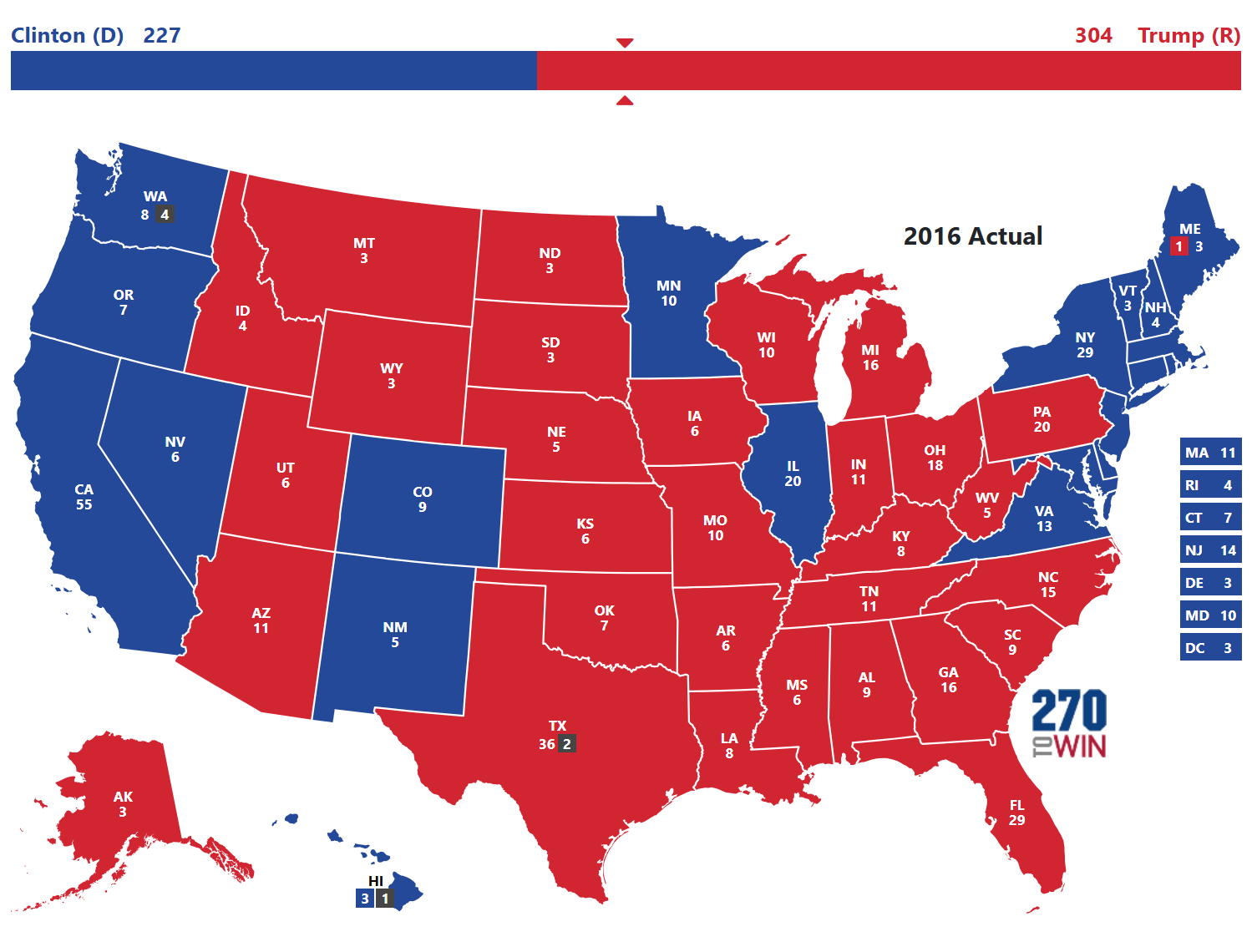
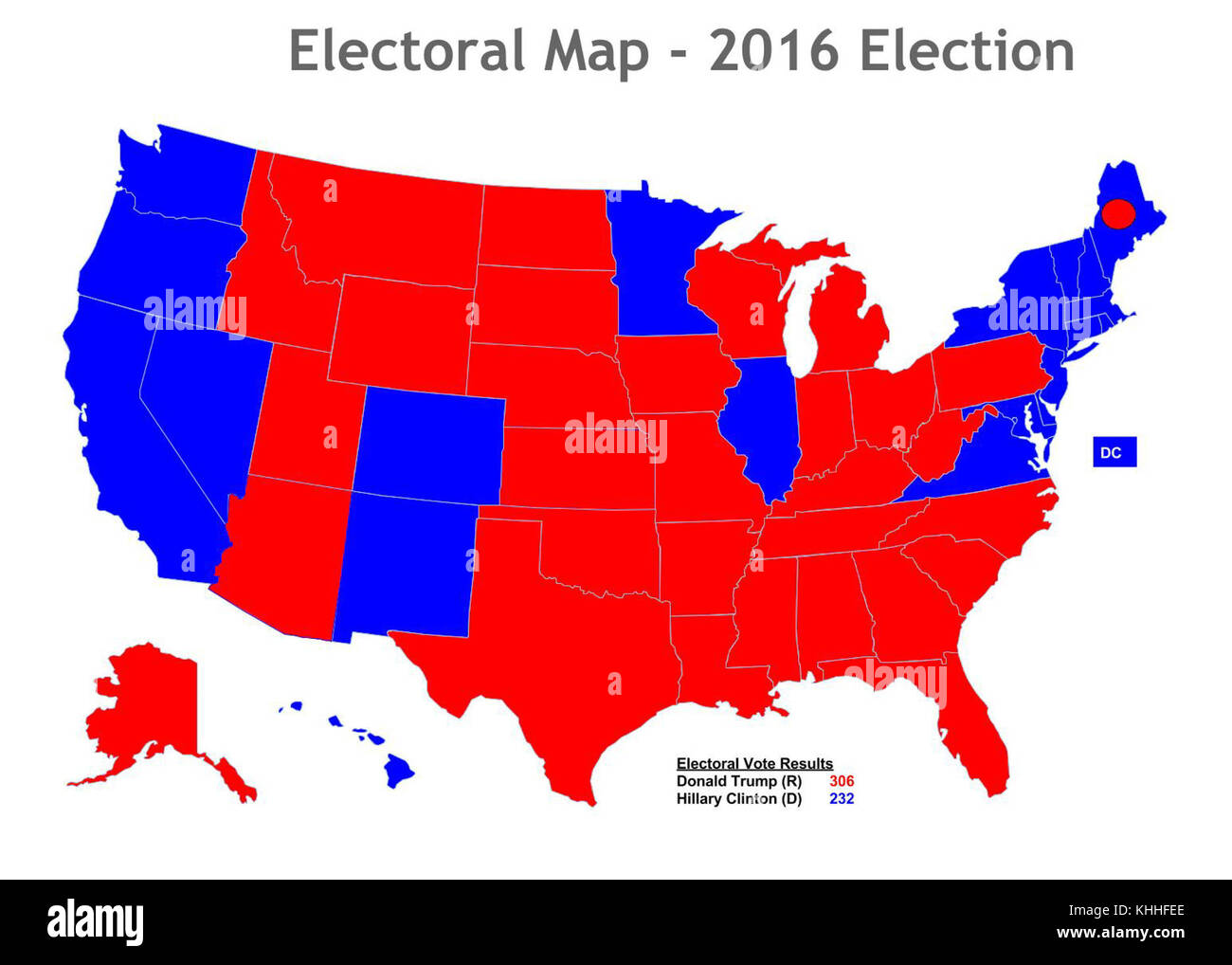
On November 8, 2016, early returns demonstrated that Donald Trump was performing significantly better in critical swing states than pre-election polling models had projected.
While Clinton won populous states such as California and New York by wide margins—accounting for her nationwide lead in raw popular votes—Trump successfully flipped the vital industrial states of Pennsylvania, Michigan, and Wisconsin, none of which had voted for a Republican presidential candidate since the 1980s.
| Candidate | Party | Electoral Votes | Popular Vote | Percentage |
|---|---|---|---|---|
| Donald Trump | Republican | 304 | 62,984,828 | 46.1% |
| Hillary Clinton | Democratic | 227 | 65,853,514 | 48.2% |
| Gary Johnson | Libertarian | 0 | 4,489,221 | 3.3% |
| Jill Stein | Green | 0 | 1,457,216 | 1.1% |
| Others / Faithless | Various | 3 | 957,085 | 0.7% |
Note: Seven electors cast votes for candidates other than their state's pledged winner due to defections (faithless electors), resulting in the final official tallies of 304 for Trump and 227 for Clinton.
Long-Term Political Aftermath and Legacy
The outcome of the 2016 presidential election triggered profound shifts in American political culture, party coalitions, and institutional norms.
Transformation of the Major Parties
The coalition that propelled Donald Trump to victory fundamentally reshaped the Republican Party, accelerating its transition from a party centered on free-market capitalism, international interventionism, and fiscal conservatism toward populist nationalism, skepticism of free trade, and a focus on cultural issues.
Simultaneously, the Democratic Party experienced an internal realignment, as suburban voters increasingly aligned with Democrats while working-class non-college voters shifted toward the Republican column. This geographic and demographic sorting intensified partisan polarization across the United States.
Impact on the Judiciary
One of the most consequential long-term results of the 2016 election was its impact on the federal judiciary. President Trump appointed hundreds of conservative judges to lifetime federal benches, including three Associate Justices to the Supreme Court of the United States: Neil Gorsuch, Brett Kavanaugh, and Amy Coney Barrett. This conservative majority subsequently issued landmark rulings on issues ranging from abortion rights and administrative law to religious freedom and gun control.
Frequently Asked Questions
Did Donald Trump win the popular vote in 2016?
No. Hillary Clinton won the nationwide popular vote by approximately 2.87 million votes. However, under the United States Constitution, the presidency is decided by the Electoral College, where Donald Trump secured 304 electoral votes to Clinton's 227, achieving the necessary majority of 270.
Which states decided the outcome of the 2016 election?
The election was decided primarily by narrow margins in key swing states, most notably Pennsylvania, Michigan, and Wisconsin. Donald Trump won these three states by a combined margin of fewer than 80,000 votes, breaking the "Blue Wall" that had historically favored Democratic nominees.
What role did third-party candidates play in 2016?
Third-party candidates drew significant voter support compared to previous cycles. Libertarian candidate Gary Johnson received over 4.4 million votes (3.3%), and Green Party candidate Jill Stein received nearly 1.5 million votes (1.1%). In several closely contested states, the combined vote totals for third-party candidates exceeded the margin of victory between Trump and Clinton.
What official investigations followed the 2016 election?
The 2016 election prompted multiple investigations, most notably the Special Counsel investigation led by Robert Mueller, which examined Russian interference in the election, potential links between the Trump campaign and Russian officials, and allegations of obstruction of justice. The final report, released in redacted form in April 2019, detailed extensive Russian operations but did not establish that members of the Trump campaign conspired or coordinated with the Russian government.
Conclusion
The 2016 United States presidential election remains one of the most unpredictable and transformative events in modern political history. By highlighting deep economic anxieties, shifting cultural divides, and the evolving influence of digital communication and foreign actors, the race fundamentally altered the trajectory of American governance and established new dynamics for future electoral contests.