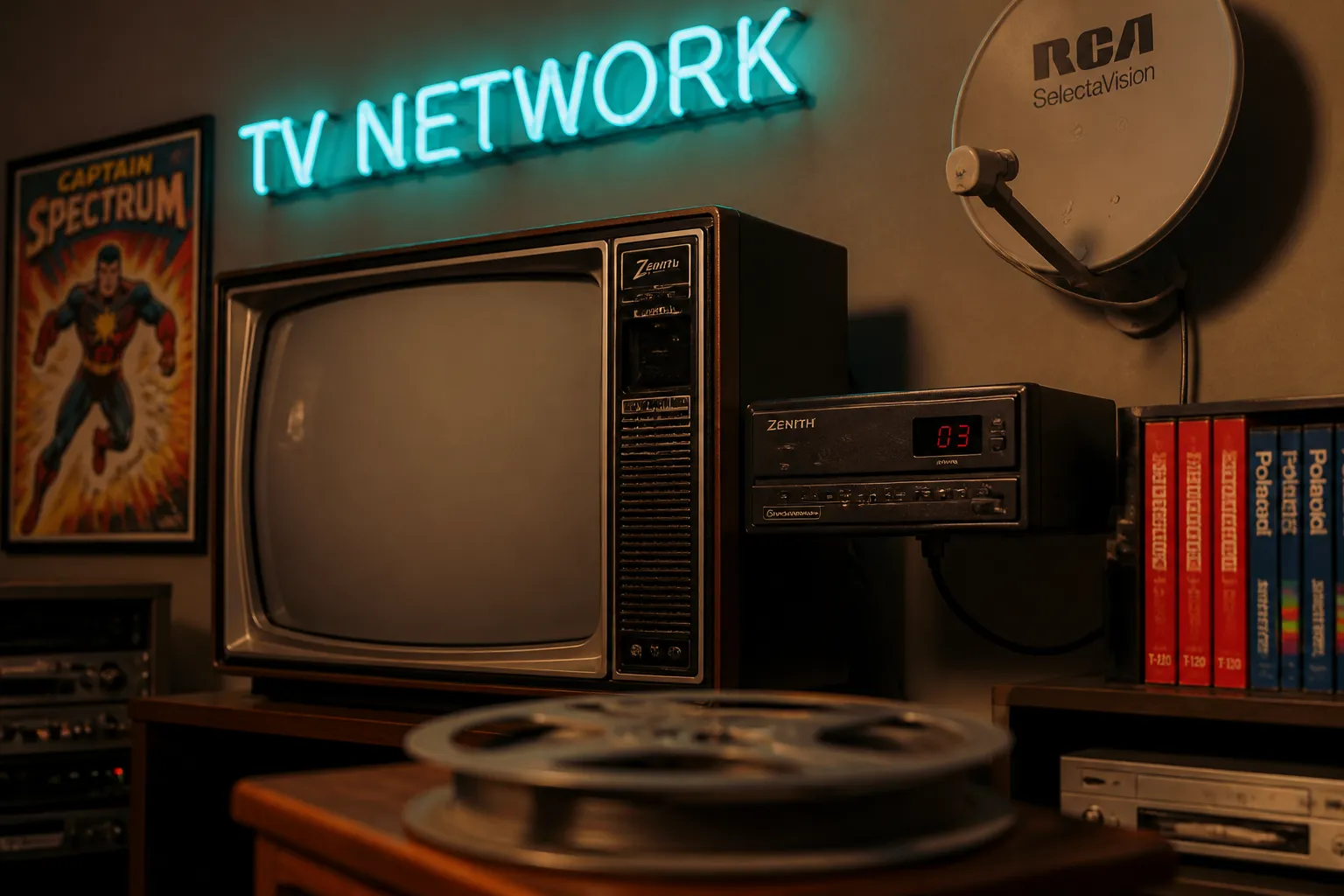
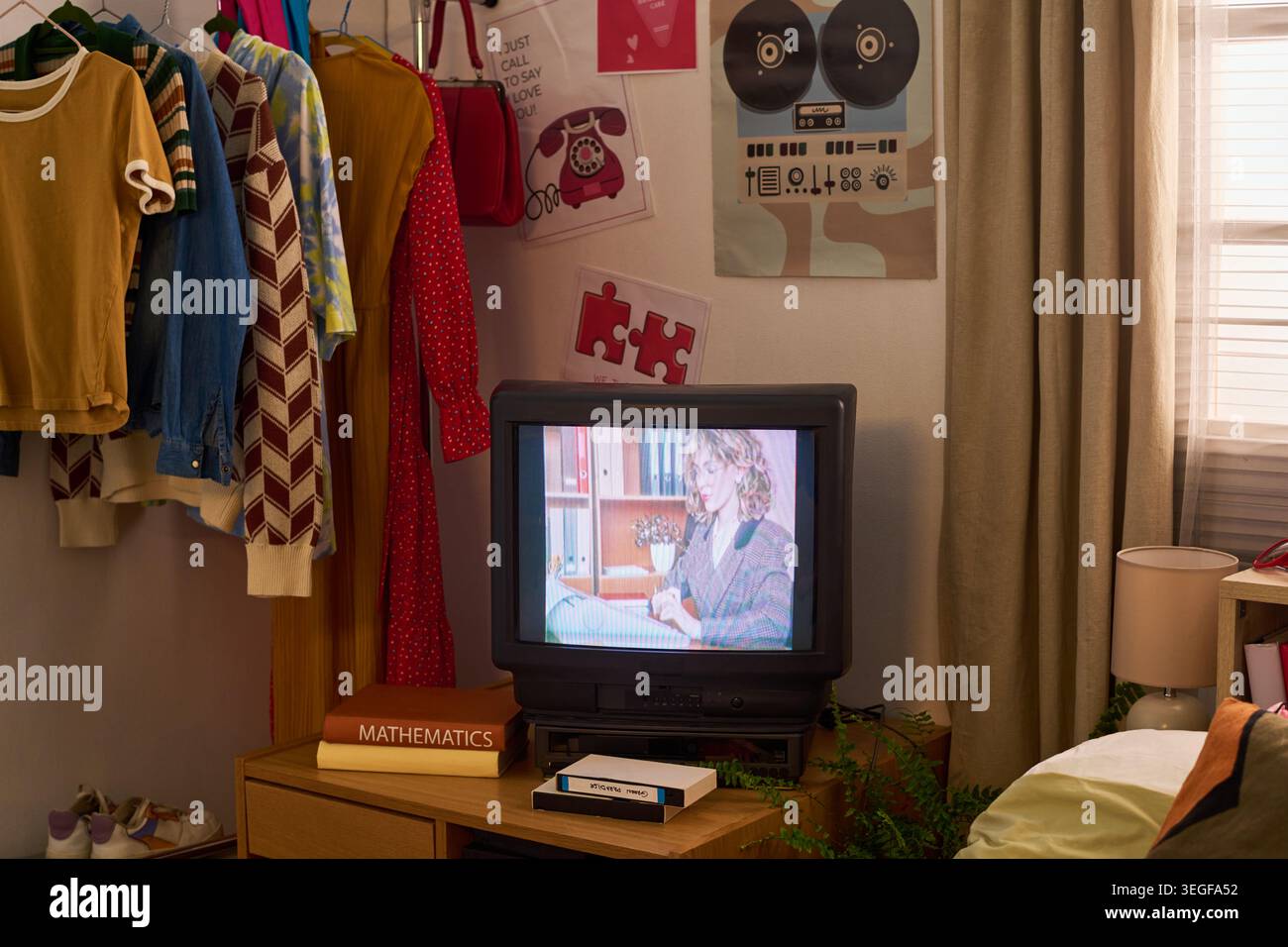
The 1980s entertainment landscape was a transformative decade defined by the rapid commercialization of home video, the birth of music television, the dominance of blockbuster cinema, and the foundational boom of the modern video game industry. This era fundamentally shifted how global audiences consumed media, transitioning passive viewers into active consumers of dynamic, technology-driven pop culture.
The Cinematic Shift: Rise of the High-Concept Blockbuster and Home Video
The cinema of the 1980s was shaped by two opposing forces: the birth of the high-concept, special-effects-driven summer blockbuster and the explosive growth of the home video market via the VHS format. Building upon the template established in the late 1970s, filmmakers like Steven Spielberg and George Lucas cemented a Hollywood studio model reliant on merchandising, sequels, and broad demographic appeal.
High-concept films—movies whose premises could be summarized in a single, easily marketable sentence—dominated box office receipts. Features like Raiders of the Lost Ark (1981), Back to the Future (1985), and Ghostbusters (1984) combined fast-paced storytelling, accessible humor, and state-of-the-art practical effects. At the same time, gritty independent cinema and youth-oriented coming-of-age films, notably those directed by John Hughes such as The Breakfast Club (1985) and Ferris Bueller’s Day Off (1986), captured the anxieties and social strata of contemporary teenagers.
Concurrently, the widespread adoption of the Video Home System (VHS) revolutionized film distribution. For the first time, households could curate personal libraries of films and watch theatrical releases at home long after their theatrical runs ended. This hardware boom birthed the video rental store ecosystem, allowing cult films, international cinema, and low-budget horror to find profitable secondary markets outside traditional studio distribution channels.
The MTV Generation: Music Television and Audio-Visual Synergy
Launched on August 1, 1981, MTV (Music Television) permanently altered the music industry by fusing auditory art with narrative and performance-based video. The 24-hour cable network transformed audio recordings into multi-media commodities, establishing visual identity as a critical requirement for pop superstardom.
Early programming relied heavily on British new wave and synth-pop acts whose aesthetic sensibilities naturally fit the medium, leading to the Second British Invasion on American charts with bands like Duran Duran, Culture Club, and Eurythmics. Soon, domestic artists recognized the network's immense promotional power. Michael Jackson’s groundbreaking short-film music videos for Thriller (1983) broke racial barriers on the network and elevated the medium to high art, while Madonna utilized provocative imagery and calculated reinvention to dictate fashion trends and cultural discourse worldwide.
| Medium / Format | Dominant Technology | Cultural Impact | Key Historical Milestone |
|---|---|---|---|
| Cinema | 35mm Film / Dolby Stereo | Established global blockbusters and merchandising tie-ins. | Release of Star Wars: Episode V - The Empire Strikes Back (1980) |
| Home Video | VHS / Betamax | Created the home rental market and asynchronous viewing habits. | Widespread adoption of VCRs in mid-1980s households |
| Television & Music | Cable TV / MTV | Merged pop music with high-concept visual storytelling. | MTV launch on August 1, 1981 |
| Gaming | 8-bit Cartridge Consoles | Revitalized home entertainment after the 1983 industry crash. | North American launch of the Nintendo Entertainment System (1985) |
The Evolution of Television: Cable Expansion and Primetime Dominance
While the "Big Three" broadcast networks (ABC, CBS, and NBC) maintained broad viewership, the 1980s marked the structural decline of their absolute monopoly due to the rise of cable television. Specialized cable networks emerged, carving out niche audiences for sports (ESPN, launched in 1979), news (CNN, launched in 1980), and children's programming (Nickelodeon, re-launched in 1979).
Primetime network television balanced escapist soap operas with socially reflective sitcoms. Lavish serial dramas like Dallas and Dynasty captured the decade's fascination with corporate wealth and conspicuous consumption, peaking globally with the famous "Who shot J.R.?" cultural phenomenon. Simultaneously, ensemble comedies like Cheers and The Cosby Show anchored traditional family viewing habits, while gritty police procedurals and action-adventure series like Miami Vice introduced cinematic stylistic flourishes, pastel aesthetics, and synchronized pop soundtracks to weekly television.
The Video Game Renaissance: From Crash to Console Dominance
The interactive entertainment sector experienced unprecedented volatility during the decade. The early 1980s arcade boom, fueled by cultural phenomena like Pac-Man (1980) and Donkey Kong (1981), brought interactive digital media into mainstream public spaces. However, an over-saturation of rushed software, unlicensed third-party titles, and loss of consumer confidence triggered the North American video game crash of 1983.
The market recovered decisively following the introduction of the Nintendo Entertainment System (NES) in North America in 1985. Nintendo's strict licensing agreements, hardware security lockout chips, and flagship titles like Super Mario Bros. re-established quality control and positioned the home console as a permanent fixture in modern domestic life. Personal computers like the Commodore 64 and the Apple II also fostered a generation of bedroom programmers and foundational computer role-playing games, setting the stage for modern PC gaming.
Frequently Asked Questions
What caused the 1983 video game crash, and how did the industry recover?
The 1983 crash was caused by market saturation, an influx of low-quality software, loss of retailer trust, and aggressive competition from early home computers. The industry recovered when Nintendo introduced the Nintendo Entertainment System (NES) in 1985, which implemented strict quality control measures, proprietary licensing agreements, and bundled hardware that restored consumer confidence.
How did MTV change the music industry in the 1980s?
MTV transformed music from an exclusively auditory experience into a visual medium, making music videos a primary marketing tool for record labels. Artists who mastered visual storytelling, choreography, and distinct personal fashion—such as Michael Jackson and Madonna—gained unprecedented global reach and commercial dominance.
Why did home video rental stores become so popular in the 1980s?
The plummeting cost of VCR hardware allowed average households to own home video players for the first time. Because broadcast television and movie theaters offered limited scheduling control, consumers embraced the convenience of renting VHS tapes to watch films on demand at home.
What defined the "high-concept" film of the 1980s?
High-concept films were defined by simple, easily marketable premises that could be communicated in a single sentence. These movies prioritized fast pacing, broad demographic appeal, special effects, and extensive cross-promotional merchandising, establishing the modern blockbuster business model.
How did the rise of cable television affect traditional networks?
The proliferation of cable television fragmented the viewing audience by introducing specialized networks dedicated exclusively to news, music, sports, and children's programming. This chipped away at the evening viewership dominance previously held by the major broadcast networks.
Practical Next Steps for Enthusiasts
For researchers, historians, or fans looking to explore 1980s entertainment further, prioritize primary source verification by examining original print media, contemporary trade publications like Variety and Billboard, and digitally archived broadcast recordings. When studying technical milestones, cross-reference hardware releases with regional distribution dates, as release schedules for consoles, films, and music often varied significantly between North America, Europe, and Japan.