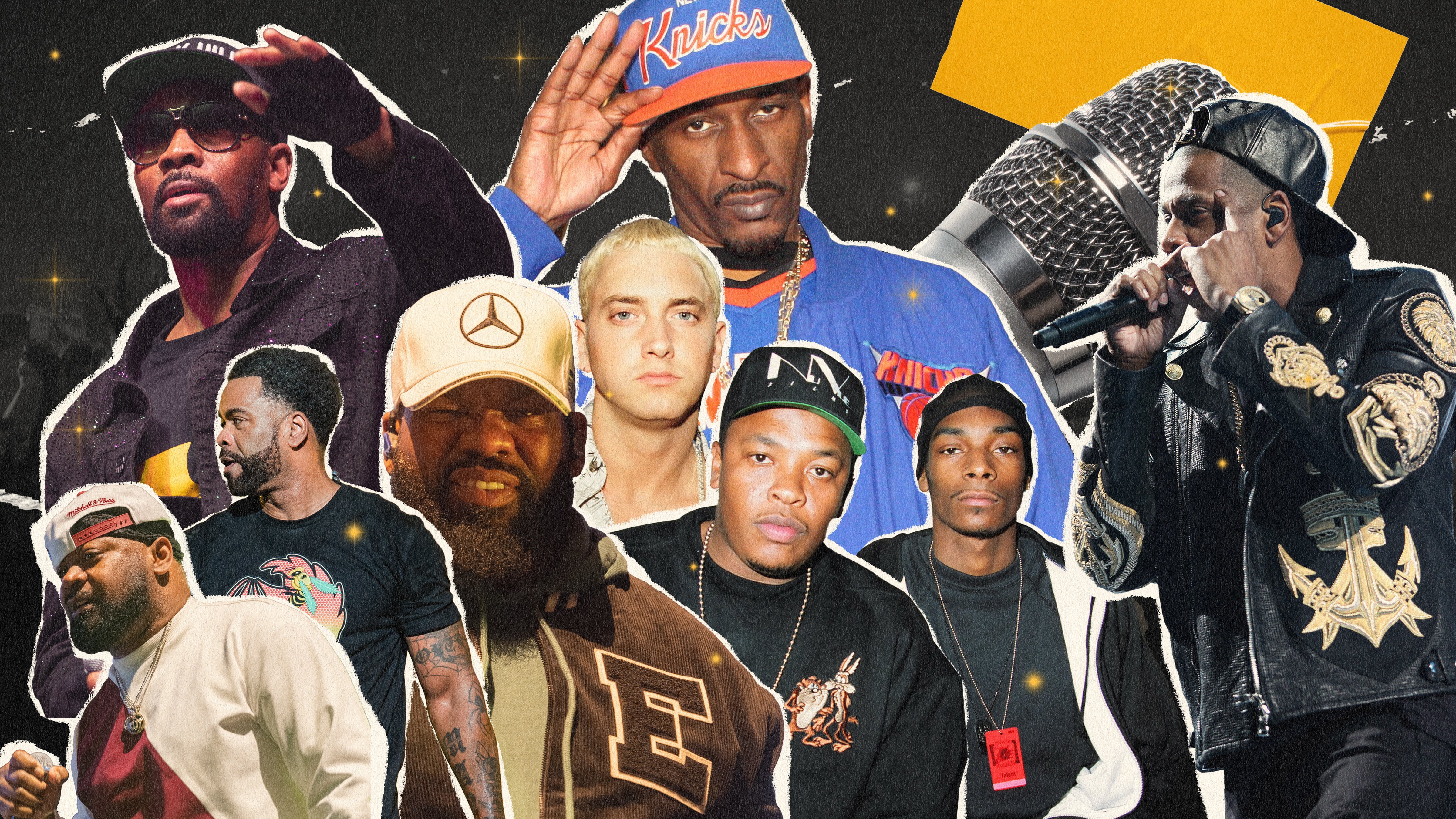
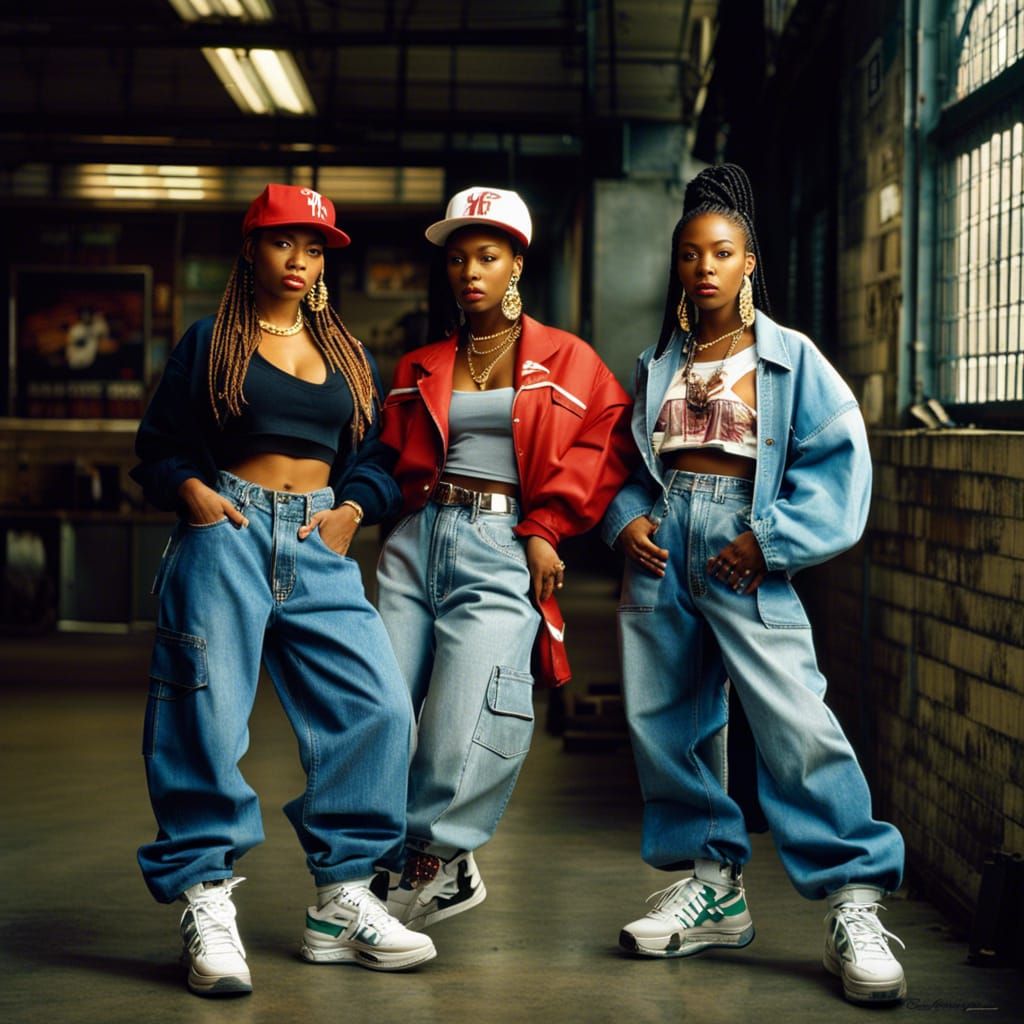
The 1990s hip hop era represents a transformative decade where artistic experimentation, regional diversification, and socio-political commentary converged to shape modern popular culture. Often referred to as the Golden Era, this ten-year span evolved from a localized New York subgenre into a dominant global cultural force, driven by pioneering production techniques, complex lyrical storytelling, and intense stylistic competition between America's East and West coasts.
Historical Context and Evolution from the 1980s
To understand the trajectory of 1990s hip hop, one must examine how the genre transitioned from the foundational, party-oriented breaks of the early-to-mid 1980s into a vehicle for sophisticated journalism and complex musical composition. The late 1980s introduced politized rap and hardcore street narratives through groups like Public Enemy and Boogie Down Productions. As the calendar turned to 1990, these themes expanded exponentially. Producers and emcees abandoned the simplistic 808-drum-machine loops of the electro-rap era in favor of rich, textured sampling.
This era also marked a crucial structural shift: hip hop was no longer treated merely as a passing novelty by major record labels. Independent labels such as Priority, Def Jam, and Loud Records proved that street-level marketing could yield massive commercial viability. Consequently, artists gained unprecedented access to professional recording studios, allowing them to craft cinematic, multi-layered audio landscapes that demanded critical listening rather than passive background appreciation.
Regional Soundscapes and Stylistic Divergence
The defining characteristic of 1990s hip hop was the distinct regionalization of sound. Artists and producers from different American cities forged unique sonic identities, creating an immediate geographic signature the moment a track began playing.
The East Coast Renaissance
The East Coast, anchored heavily in New York City, relied on gritty boom-bap percussion, heavy jazz and soul samples, and intricate, multi-syllabic rhyme schemes. Producers like DJ Premier, RZA, Pete Rock, and Q-Tip created a claustrophobic yet soulful atmosphere that mirrored the urban reality of the boroughs.
- The Wu-Tang Clan Blueprint: Emerging from Staten Island in 1993 with Enter the Wu-Tang (36 Chambers), the collective revolutionized the industry business model and introduced a cinematic, kung-fu-infused aesthetic dominated by RZA’s raw, stripped-down production.
- Nas and the Lyricism Standard: With the 1994 release of Illmatic, Nas established a new benchmark for poetic journalism, detailing inner-city life in Queensbridge with unprecedented literary precision.
- The Notorious B.I.G. and Commercial Dominance: Combining effortless flows with vivid, novelistic storytelling, Biggie Smalls anchored Bad Boy Records and proved that gritty street narratives could achieve massive mainstream chart success.
The Rise of West Coast G-Funk
While the East Coast focused on jazz samples and intricate boom-bap, the West Coast pioneered G-Funk in the early 1990s. Spearheaded by Dr. Dre’s landmark 1992 solo debut, The Chronic, the West Coast sound replaced harsh, frantic sampling with slow, synthesized synthesizer lines, whining analog moogs, live instrumentation, and heavy interpolation of 1970s P-Funk records.
- Dr. Dre’s Production Legacy: Dre's meticulous mixing and reliance on deep basslines defined cruising culture in Los Angeles and set a high technical standard for commercial studio engineering.
- Snoop Dogg and Laid-Back Cadence: Snoop’s relaxed, melodic delivery contrasted sharply with the aggressive style of East Coast emcees, creating a distinct cultural identity that resonated globally.
- Ice Cube and Social Realism: Following his departure from N.W.A, Ice Cube used the G-Funk and West Coast platform to deliver unvarnished socio-political critiques regarding institutional racism, urban decay, and the socio-economic conditions leading up to the 1992 Los Angeles uprisings.
The Mid-90s Southern and Midwestern Expansion
While the coasts dominated the mainstream media narrative, the 1990s also laid the groundwork for future regional powerhouses. The South began carving out its identity through the bounce music of New Orleans—championed by early Cash Money and No Limit releases—and the crunk-adjacent sounds of Atlanta. Meanwhile, Midwestern acts like Bone Thugs-N-Harmony from Cleveland introduced a rapid-fire, melodic harmonic delivery that fused Southern-style cadence with Midwest speed.
Production Techniques and Sampling Legislation
The sonic evolution of 1990s hip hop was fundamentally tied to hardware advancements and legal realities. Early in the decade, producers relied heavily on hardware samplers such as the E-mu SP-1200 and the Akai MPC series (specifically the MPC60 and MPC3000). These machines possessed limited sampling time and lower bit-depth conversion rates, which inadvertently imparted a warm, gritty, compressed texture to the audio that became the defining acoustic signature of the era.
| Sampler / Drum Machine | Primary Era Use | Technical Characteristics | Notable Producer Association |
|---|---|---|---|
| E-mu SP-1200 | Early to Mid 1990s | 12-bit resolution, 10-second sampling limit, distinct analog filtering | Pete Rock, DJ Premier |
| Akai MPC3000 | Mid to Late 1990s | 16-bit resolution, sequencer integration, timing swing capabilities | J Dilla, Dr. Dre |
| Alesis QuadraVerb | Mid 1990s | Digital effects processor used for vocal and drum reverb spaces | RZA, East Coast producers |
However, this golden age of sampling faced an abrupt legal reckoning. Landmark court rulings in the early 1990s—most notably Grand Upright Music Ltd. v. Warner Bros. Records Inc.—effectively ended the era of un-cleared, extensive audio borrowing. Producers could no longer lift multi-bar loops without formal permission and expensive licensing fees. This legal hurdle forced producers to adapt: rather than relying on direct loops, artists began hiring session musicians to replay interpolated melodies, or they dug deeper into obscure, uncopyrighted vinyl records to chop micro-samples beyond recognition.
Cultural Impact, Media, and Commercialization
As the decade progressed, hip hop transitioned from an underground counterculture into a multi-billion-dollar enterprise. This commercial explosion transformed the genre's relationship with fashion, media, and corporate America.
Fashion and Aesthetics
The oversized clothing aesthetic of the early 90s—baggy jeans, Carhartt workwear, oversized jerseys, and Timberland boots—originated directly from urban youth culture and skate parks before being codified by hip hop icons. By the mid-to-late 90s, this street fashion evolved into high-end urban luxury brands founded by artists and industry insiders, such as Sean John, Rocawear, and FUBU, bridging the gap between urban street culture and the fashion runway.
Media Infrastructure
The genre's expansion was supported by dedicated media outlets that treated hip hop with the journalistic seriousness previously reserved for rock and jazz. Magazines like The Source (founded in 1989) and XXL became arbiters of taste, while video programs like MTV’s Yo! MTV Raps and BET’s Rap City brought regional acts directly into living rooms across the world, creating a unified national audience.
Common Misconceptions and Historical Realities
Popular retrospectives of 1990s hip hop often rely on generalized tropes that obscure the actual complexity of the era. Understanding the decade requires correcting several persistent myths:
- The Myth of the Continuous East/West Feud: While media outlets heavily sensationalized the rivalry between Death Row Records and Bad Boy Entertainment—culminating in the tragic deaths of Tupac Shakur and The Notorious B.I.G.—many artists regularly collaborated, crossed coasts, and maintained mutual respect away from the tabloid spotlight.
- The Uniformity of Sound: Listeners sometimes assume 1990s hip hop was exclusively boom-bap or G-Funk. In reality, the decade housed vast experimental subgenres, including the alternative hip hop of A Tribe Called Quest and De La Soul (part of the Native Tongues collective), the horrorcore of the Geto Boys, and the trip-hop fusion emerging from the United Kingdom.
- Instant Commercial Success: While major labels eventually reaped massive profits, the vast majority of classic 1990s underground records were pressed in small batches, distributed independently through regional record stores, and built entirely on word-of-mouth promotion.
Frequently Asked Questions
What equipment defined the 1990s hip hop sound?
The signature sound was shaped by hardware samplers and drum machines, principally the E-mu SP-1200 and the Akai MPC series (MPC60 and MPC3000). These units offered limited sampling memory and bit-depths that naturally compressed and warmed audio samples, creating the signature gritty texture of 90s boom-bap and G-Funk productions.
How did the sample clearance laws of the 1990s change hip hop production?
Following court cases like Grand Upright Music Ltd. v. Warner Bros. Records Inc. in 1991, sampling un-cleared music became legally prohibitive. Producers adapted by employing session musicians to replay or interpolate classic melodies, or by chopping samples into micro-fragments that were difficult for copyright holders to trace.
What was the significance of the East Coast vs. West Coast rivalry?
The rivalry reflected a commercial and cultural battleground for market dominance between New York-based labels like Bad Boy and Los Angeles-based Death Row Records. While fueled by sensationalized media coverage, it ultimately overshadowed the diverse artistic collaboration occurring across other regions during the mid-to-late 1990s.
How did 1990s hip hop influence modern fashion and lifestyle?
The era established streetwear as a dominant global fashion category. Baggy silhouettes, athletic wear, branded sportswear, and boots transitioned from functional urban attire into luxury lifestyle markets, eventually laying the groundwork for modern high-fashion streetwear collaborations.
Why is the 1990s often called the Golden Era of hip hop?
The decade combined raw street-level storytelling with unprecedented lyrical maturation, distinct regional production identities, and the establishment of dedicated media infrastructure. This unique convergence created a body of work that permanently altered global music composition, language, and youth culture.