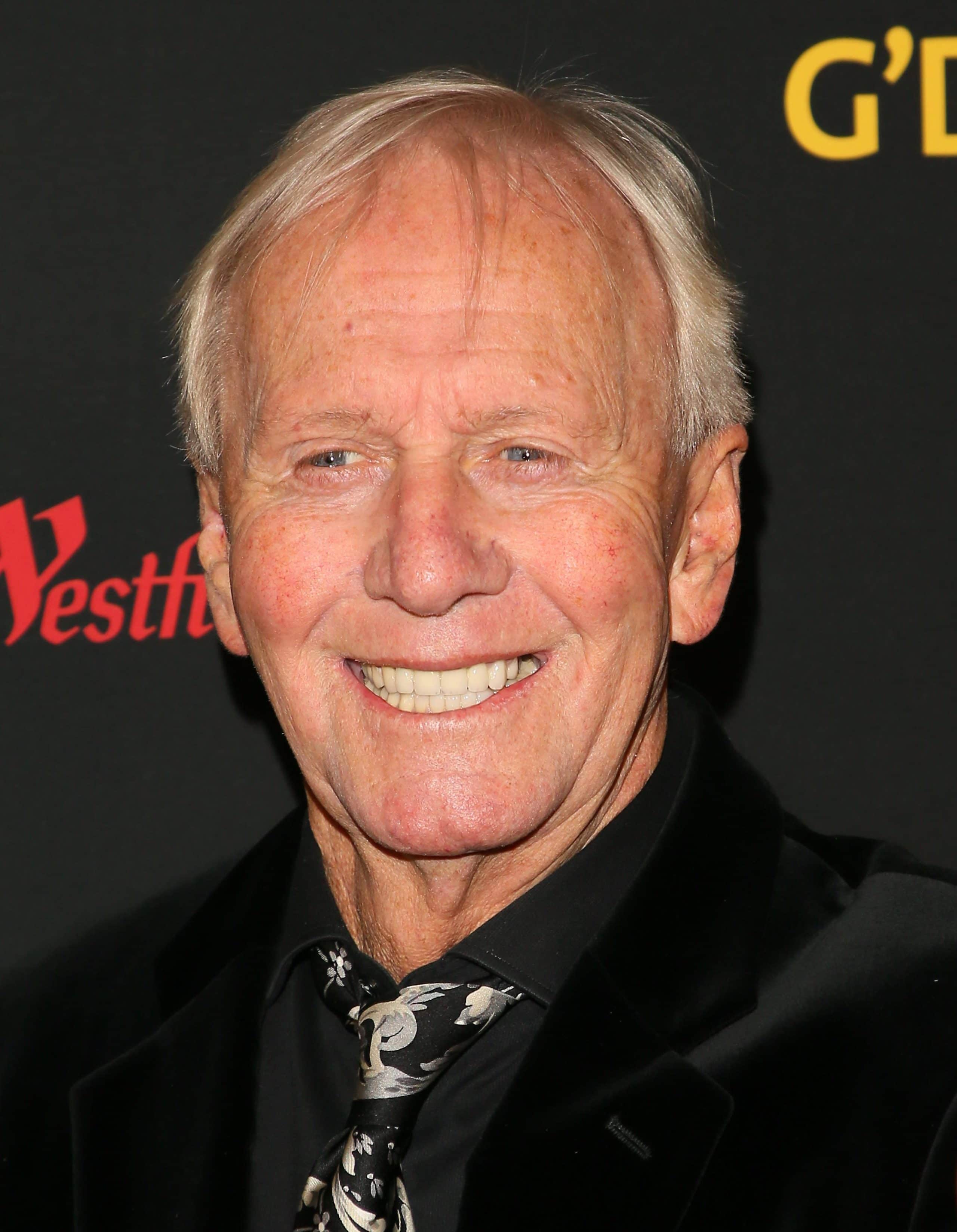
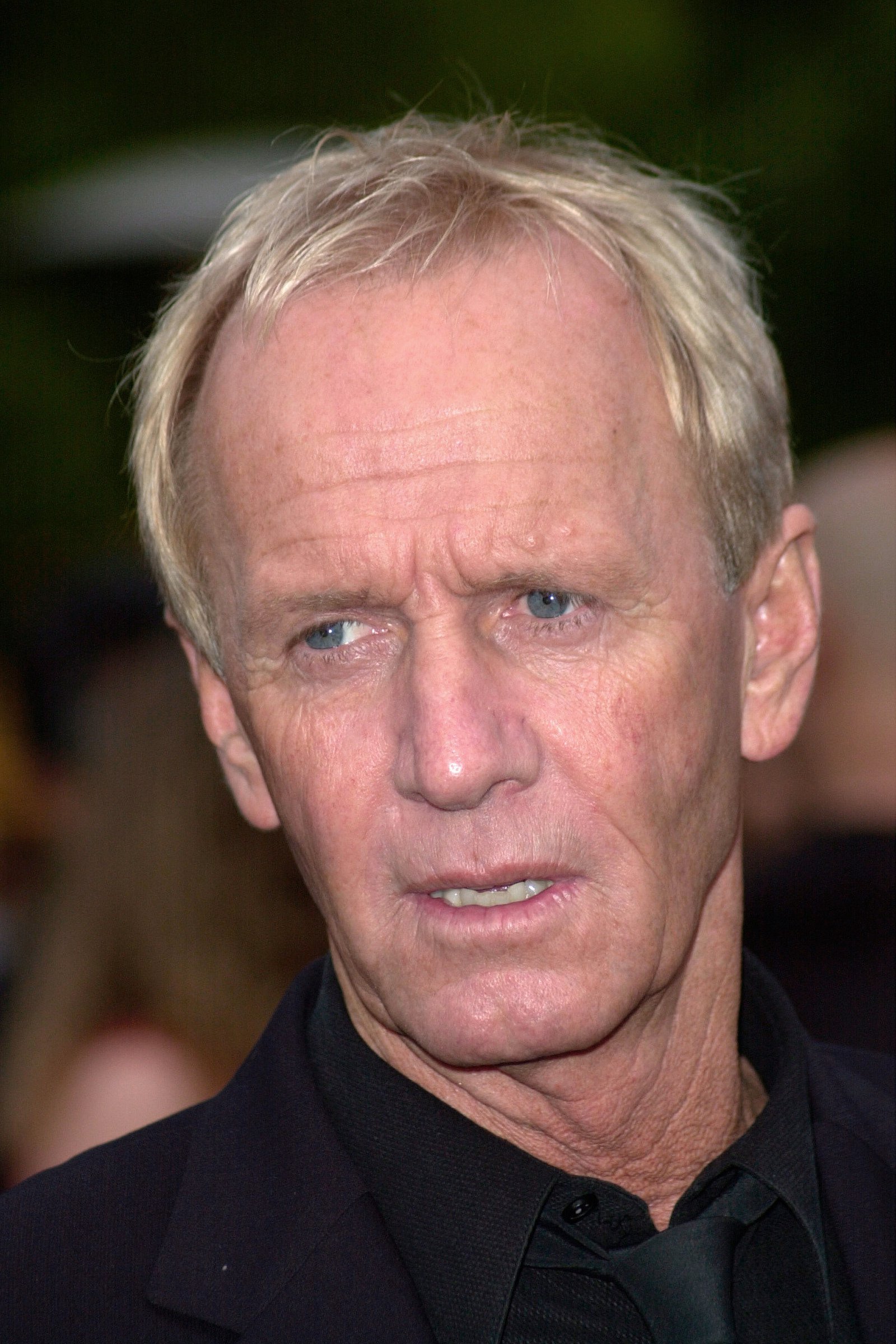
Paul Hogan is an internationally acclaimed Australian actor, comedian, and writer best known for creating and starring in the cultural phenomenon Crocodile Dundee (1986), a role that earned him a Golden Globe Award and an Academy Award nomination for Best Original Screenplay. Rising from humble beginnings as a Sydney Harbour bridge rigger, Hogan transitioned into mainstream television with The Paul Hogan Show before achieving global superstardom and shaping modern cinematic perceptions of Australia.
Early Life and Working-Class Beginnings
Long before international audiences recognized his trademark crooked grin and larrikin charm, Paul Hogan lived a thoroughly working-class life in Sydney, Australia. Born in Lightning Ridge, New South Wales, in 1939, Hogan grew up in an era shaped by post-war economic recovery. His early career path was defined by physical labor rather than the dramatic arts.
Most famously, Hogan worked as a rigger on the iconic Sydney Harbour Bridge. During this period, he developed the rugged, unfiltered persona that would later define his comedic and acting style. Working high above Sydney Harbour exposed him to the classic Australian blue-collar culture—characterized by dry humor, mateship, self-deprecation, and a healthy skepticism of institutional authority. These traits became the foundational building blocks of his eventual public profile.
The Transition to Television: The Paul Hogan Show
Hogan’s entry into television happened almost by accident. In 1971, he appeared as a contestant on the talent program New Faces. Instead of performing a conventional talent, the self-taught comedian used his appearance to playfully mock and critique the show's judges. The audience response was instantaneous and overwhelmingly positive, prompting the producers to invite him back repeatedly.
Capitalizing on this breakthrough, Hogan secured regular spots on the nightly current affairs program A Current Affair, hosted by Mike Willesee. His segments offered satirical, blue-collar commentary on contemporary social issues, establishing him as a voice for ordinary Australians.
By 1973, Hogan was given his own vehicle, The Paul Hogan Show, which he co-wrote and co-produced alongside longtime creative partner John Cornell.
- Format and Style: The sketch comedy series relied heavily on satirical observations of suburban Australian life, eccentric characters, and gentle irreverence.
- Cultural Resonance: Characters like "Arthur Stace" and various archetypal Aussie blokes resonated deeply with domestic viewers, making the program a ratings powerhouse for more than a decade.
- Commercial Success: Beyond television, Hogan's mainstream popularity made him a lucrative pitchman, most notably for Winfield cigarettes and later for iconic tourism campaigns.
Global Stardom: The Crocodile Dundee Phenomenon
While Hogan was a household name throughout Australia and parts of the United Kingdom, he remained largely unknown to mainstream American audiences until the mid-1980s. That changed forever with the release of Crocodile Dundee in 1986.
Hogan co-wrote the screenplay, drawing loosely on the real-life exploits of bushmen like Rod Ansell, who survived alone in the remote Australian Outback. Directed by Peter Faiman and produced independently with financial backing from John Cornell and media tycoon Kerry Packer, the film was conceived as a low-budget venture tailored to international sensibilities.
| Film Metric | Details |
|---|---|
| Original Release Year | 1986 |
| Worldwide Box Office | ~$328 Million USD (Record-breaking for indie film) |
| Key Awards | Golden Globe (Best Actor), Oscar Nomination (Script) |
| Directorial Debut | Peter Faiman |
The narrative follows an intrepid New York City reporter, Sue Charlton (played by Linda Kozlowski), who travels to the Australian Outback to profile a legendary bushman, Michael J. "Crocodile" Dundee. The culture clash shifts when Dundee travels back with her to Manhattan, leading to fish-out-of-water comedy that captivated global audiences.
The film shattered box office records, becoming the second-highest-grossing film worldwide in 1986, trailing only Top Gun. It redefined how international cinema marketed Australia, transforming the remote Outback into a major bucket-list tourist destination.
Tourism Campaigns and Cultural Impact
In the late 1970s and 1980s, Paul Hogan spearheaded a series of television commercials for the Australian Tourism Commission aimed at the North American market. The most famous slogan from these campaigns—urging American travelers to "put another shrimp on the barbie"—became permanently embedded in global popular culture, even though Australians typically refer to the crustaceans as "prawns."
These advertisements were instrumental in driving unprecedented growth in international tourism to Australia. The synergy between Hogan's tourism marketing and the immense global success of Crocodile Dundee created an enduring national brand. For millions of viewers worldwide, Paul Hogan was Australia: friendly, resilient, adventurous, and effortlessly humorous.
Later Career, Filmography, and Subsequent Ventures
Following the massive triumph of the original film, Hogan returned for two sequels: Crocodile Dundee II (1988) and Crocodile Dundee in Los Angeles (2001). While the first sequel performed exceptionally well at the box office, the later installments faced diminishing critical returns as the novelty of the character subsided.
Hogan's career outside the Dundee franchise included several distinct projects:
- Almost an Angel (1990): A comedy-drama written by and starring Hogan as a petty criminal who believes he has been sent back to earth as an angel.
- Lightning Jack (1994): A Western comedy in which Hogan played a mild-mannered outlaw alongside Cuba Gooding Jr.
- Charlie & Boots (2009): A road-trip comedy-drama pairing Hogan with fellow Australian icon Shane Jacobson, exploring multi-generational family dynamics.
- The Very Excellent Mr. Dundee (2020): A meta-comedy in which Hogan played an exaggerated version of himself trying to navigate the complexities of modern celebrity while dealing with impending knighthood.
Personal Life and Legacy
Paul Hogan’s personal life has frequently intersected with his public persona. His on-screen chemistry with Crocodile Dundee co-star Linda Kozlowski translated into a real-life romance; the couple married in 1990 and had a son, Chance. Although Hogan and Kozlowski divorced amicably in 2014, their professional collaboration remains a defining chapter in Australian cinematic history.
In later years, Hogan faced complex tax investigations by the Australian Taxation Office (ATO) regarding offshore earnings and arrangements. A multi-year investigation, known as Operation Wickenby, ultimately concluded without criminal charges, and Hogan settled with tax authorities, though the ordeal drew significant media scrutiny.
Despite legal battles and the natural ebb and flow of cinematic relevance, Paul Hogan remains a towering figure in comedy. He bridged the gap between raw, localized Australian humor and global commercial entertainment, leaving a permanent imprint on international pop culture.
Frequently Asked Questions
Did Paul Hogan really work on the Sydney Harbour Bridge?
Yes. Before finding fame in television and comedy, Hogan worked as a rigger on the Sydney Harbour Bridge during the 1960s. He frequently referenced his construction background in early stand-up and television routines, using his blue-collar credentials to build rapport with working-class audiences.
Was Crocodile Dundee based on a true story?
The film was not a direct biography, but the character of Mick Dundee was loosely inspired by real-life Australian bushmen, most notably Rod Ansell. Ansell gained national media attention in the late 1970s after surviving alone for nearly two months in the remote Northern Territory wilderness following a boating accident.
How much did Crocodile Dundee make at the box office?
Produced on a modest budget of under $10 million AUD, Crocodile Dundee grossed approximately $328 million USD worldwide. At the time of its release, it became the highest-grossing non-US film in history and set a new benchmark for independent international cinema distribution.
What awards did Paul Hogan win for his acting?
Paul Hogan won the Golden Globe Award for Best Actor in a Motion Picture – Musical or Comedy in 1987 for his work in Crocodile Dundee. He was also nominated for an Academy Award for Best Original Screenplay alongside co-writers Ken Shadie and John Cornell.