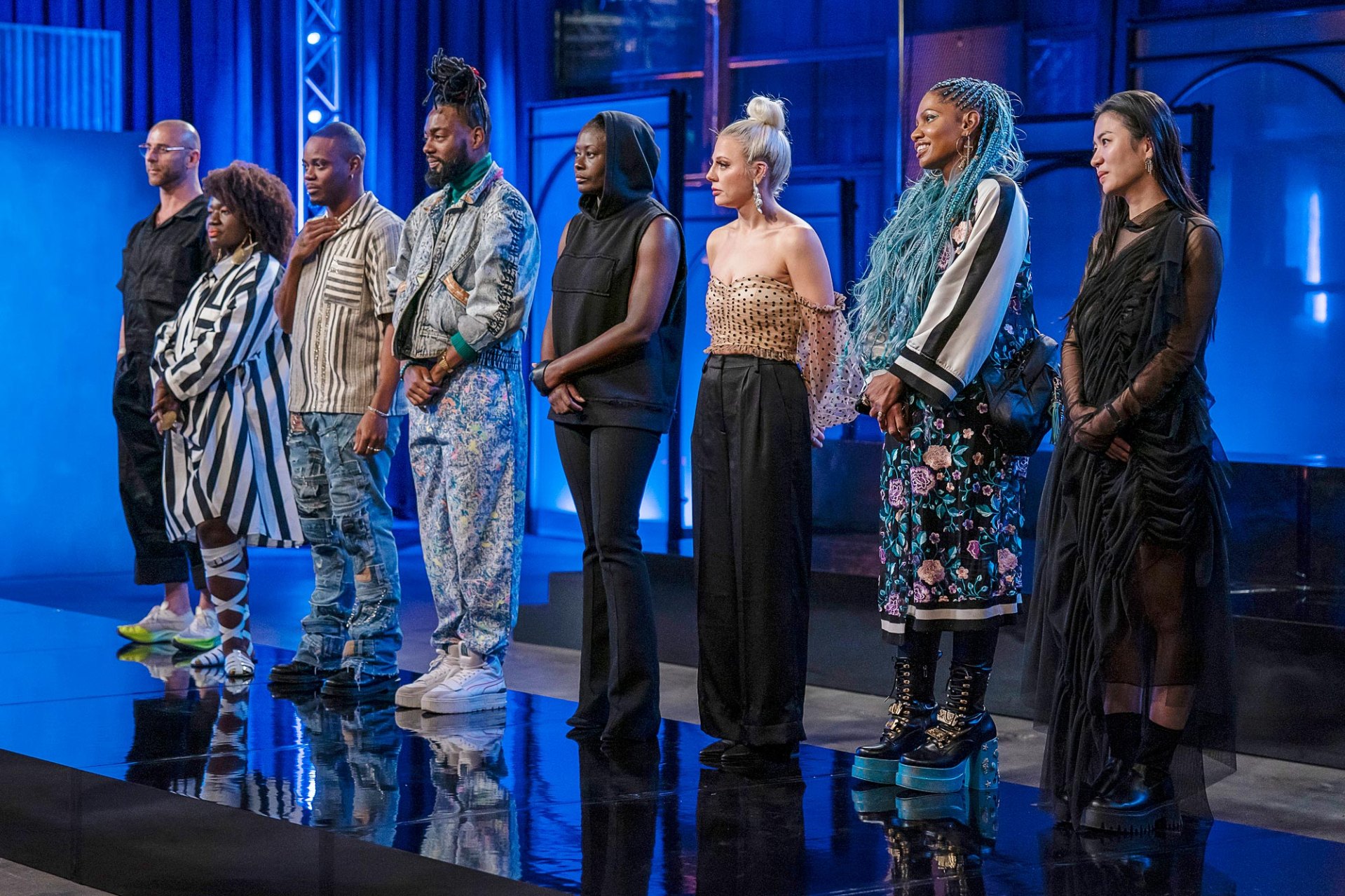
Project Runway All Stars brings back fan-favorite designers and memorable runners-up from the original television franchise to compete for a final redemption title, testing their technical skills, creative adaptability, and resilience under intense time constraints. The series serves as a high-stakes spin-off that pivots away from novice development to focus on master-level execution, shifting industry challenges, and high-profile guest judges.
Introduction to Project Runway All Stars
For fans of competitive fashion reality television, the transition from the core series to a spin-off featuring returning talent represents a distinct shift in tone and expectations. Project Runway All Stars takes familiar faces who narrowly missed the ultimate crown in their original seasons and drops them back into the workroom with elevated expectations. Viewers tuning into this format are not watching raw talent learn the basics of garment construction; instead, they are witnessing seasoned professionals navigate extreme time crunches, unpredictable unconventional materials, and rigorous design briefs issued by demanding industry leaders.
The format addresses the primary viewer question of how former contestants have evolved since their initial appearances. By gathering designers who have already experienced the pressure cooker of the original show, the production team raises the baseline difficulty of every challenge. Understanding how this series operates requires examining its origins within the broader franchise, its unique structural elements, and the distinct ways it evaluates creative output compared to its parent program.
Origins and Franchise Integration
To understand Project Runway All Stars, it is essential to trace its lineage back to the original series that debuted on Bravo in 2004 before moving to Lifetime and later to Bravo. The All Stars iteration specifically emerged to capitalize on the deep bench of memorable personalities and distinct design aesthetics that had accumulated over numerous seasons. While the parent show consistently introduced fresh faces with varying levels of professional background, the All Stars format targeted designers who had already established independent brands, scaled their operations, or refined their tailoring techniques.
The spin-off format premiered on Lifetime in January 2012, running for seven seasons on that network before shifting or adapting alongside franchise rights. Throughout its run, the show maintained the core DNA of the original franchise—the iconic workroom, Tim Gunn or equivalent workroom mentors, and a rotating panel of judges and celebrity guests—while accelerating the pacing. Because the competitors already possessed advanced technical proficiencies, the editing room could focus less on basic sewing errors and more on high-concept execution, dramatic personality clashes, and artistic risks.
Format, Rules, and Workroom Dynamics
The structural framework of Project Runway All Stars mirrors the elimination-style format of the parent show, but with modified mechanics designed to test seasoned veterans. Each episode typically begins with a briefing on the runway, delivered either by the host or a special guest representing a brand, film release, or cultural institution. Designers are given a specific budget, a designated time limit at Mood Designer Fabrics or a local supply depot, and a strict window for execution in the workroom.
Several distinctive mechanics characterize the All Stars seasons:
- The Immunity Rule: Unlike early seasons of the parent series where immunity was a staple, All Stars frequently altered or completely abolished immunity to ensure that every designer remained vulnerable based solely on their immediate output.
- Unconventional Material Challenges: These signature tasks push designers to construct high-end garments from non-textile items, ranging from hardware store supplies to automotive parts or supermarket goods.
- Redemption Narratives: Competitors often arrive with specific agendas—either to rectify past mistakes that cost them a win or to prove that their aesthetic vision was simply ahead of its time.
- Collaborative Twists: Designers are periodically forced to work in teams or pair up with opposing competitors, testing their communication skills and creative compromise.
| Season Range | Primary Network | Key Host / Presenter | Notable Characteristics |
|---|---|---|---|
| Seasons 1–2 | Lifetime | Angela Lindvall / Carolyn Murphy | Establishment of the format; focus on early-season fan favorites. |
| Seasons 3–6 | Lifetime | Alyssa Milano | Introduction of expanded celebrity guest judges and recurring workroom advisors. |
| Season 7 | Lifetime | Alyssa Milano | International All Stars edition featuring winners from various global franchises. |
Judging Panels, Mentors, and Industry Influence
A defining characteristic of Project Runway All Stars is the evolution of its judging panel and mentorship structure. While the original series famously relied on Heidi Klum, Michael Kors, Nina Garcia, and Tim Gunn, the All Stars iteration brought in fresh industry perspectives. Over its multi-season run, the hosting duties transitioned from supermodels like Angela Lindvall and Carolyn Murphy to actress and activist Alyssa Milano.
The permanent judging panel typically featured fashion designer Isaac Mizrahi and Georgina Chapman of Marchesa, joined by rotating weekly guest judges ranging from pop musicians and actresses to prominent magazine editors and retail executives. This configuration influenced the types of challenges presented to the designers. The presence of designers like Mizrahi and Chapman ensured that technical critiques focused heavily on garment construction, draping accuracy, and commercial viability. Meanwhile, workroom mentorship—handled at various points by industry veterans or returning figures—shifted from basic instruction to strategic counsel, helping contestants refine over-ambitious silhouettes before time expired.
Common Criticisms and Viewer Debates
As with any long-running reality competition, Project Runway All Stars generated substantial debate among fashion enthusiasts, critics, and dedicated fandoms. Examining these common discussions provides a balanced view of the show's reception and cultural footprint:
- Judging Consistency: Viewers frequently debated whether the panel prioritized wearable, commercial designs over avant-garde artistic expression, leading to accusations of safe styling being rewarded over bold innovation.
- Editing and Drama: Like many reality formats, the show balanced technical craftsmanship with workroom interpersonal dynamics, prompting discussions regarding whether dramatic editing overshadowed garment construction.
- Skill Disparities: Bringing together designers from Season 1 alongside veterans from Season 12 occasionally created noticeable gaps in industry experience and modern technique, which heavily influenced early-round eliminations.
Despite these debates, the program successfully highlighted the realities of running an independent fashion label, demonstrating the commercial pressures designers face when translating runway concepts into marketable collections.
Frequently Asked Questions
What makes Project Runway All Stars different from the regular series?
Project Runway All Stars features returning contestants and runners-up from previous seasons rather than novice or emerging designers. The technical baseline is significantly higher, challenges move at a faster pace, and the evaluation criteria focus on refined craftsmanship and established brand identity.
Who hosted Project Runway All Stars?
The series was hosted by supermodels Angela Lindvall and Carolyn Murphy during its initial seasons, followed by actress and activist Alyssa Milano who served as the primary host for the majority of its run.
Did international designers ever compete on the show?
Yes. Season 7 of Project Runway All Stars featured an international format where previous winners from various global iterations of the Project Runway franchise competed against one another for a global champion title.
Where can I watch past seasons of Project Runway All Stars?
Streaming availability varies by region and platform licensing agreements. Past seasons have periodically been distributed through video-on-demand services, cable network apps, or subscription streaming platforms such as Peacock or Hulu depending on current distribution rights.
Are the designs created on the show actually wearable in the real world?
Most garments are constructed to fit standard runway models under strict time limits, meaning they are primarily conceptual pieces. However, many winning designs and final collection pieces have been adapted for red-carpet appearances, celebrity styling, and retail capsule collections.
Next Steps and Viewing Guidance
For viewers looking to revisit Project Runway All Stars or explore the series for the first time, starting with foundational seasons provides the best context for how the format evolved. Reviewing the original parent series beforehand helps clarify the personal histories, past rivalries, and stylistic arcs that the All Stars contestants bring back into the workroom. Pay close attention to the technical critiques delivered by the judging panel, as they offer genuine insight into garment construction, textile behavior, and the realities of the contemporary fashion industry.