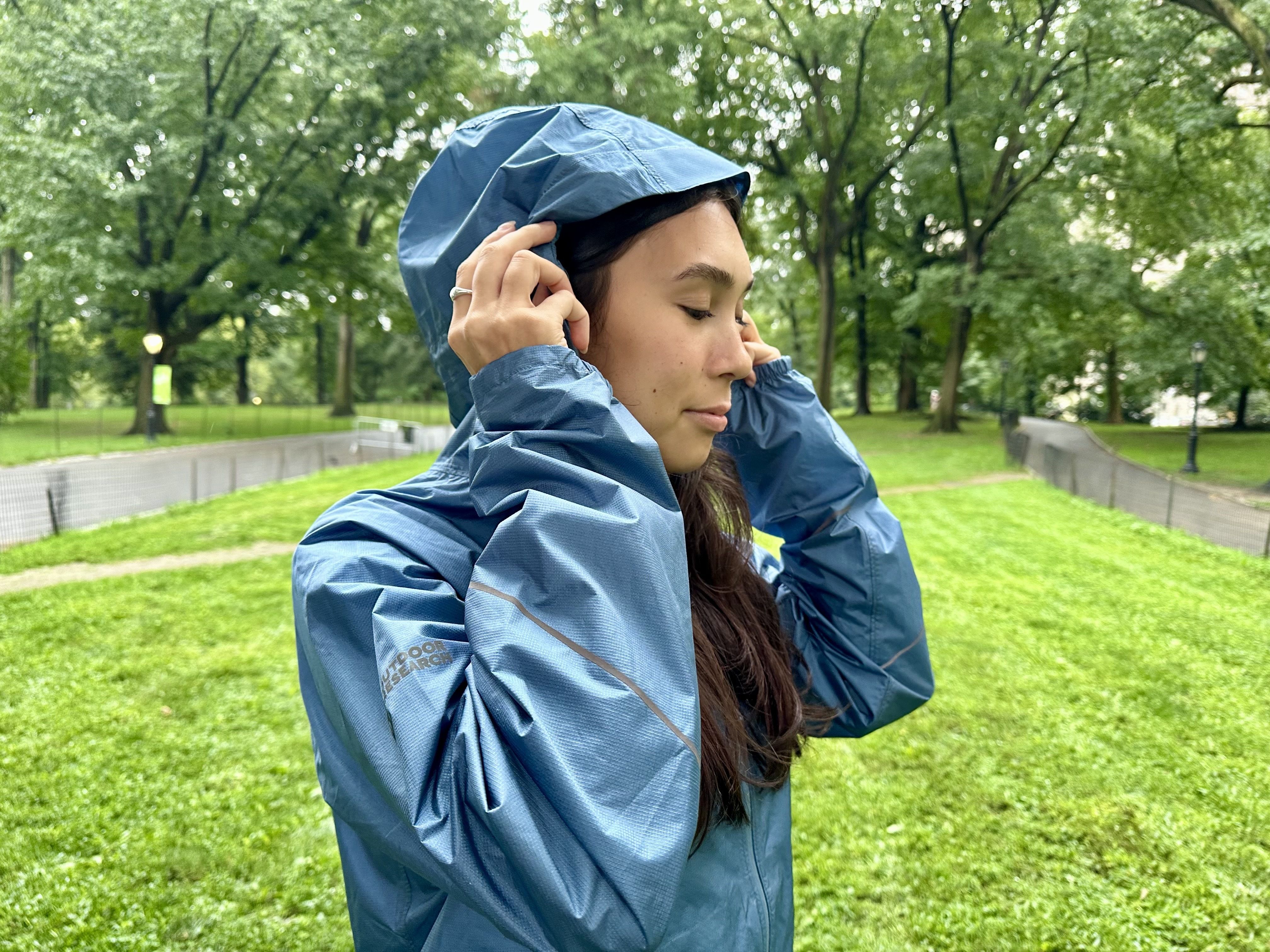
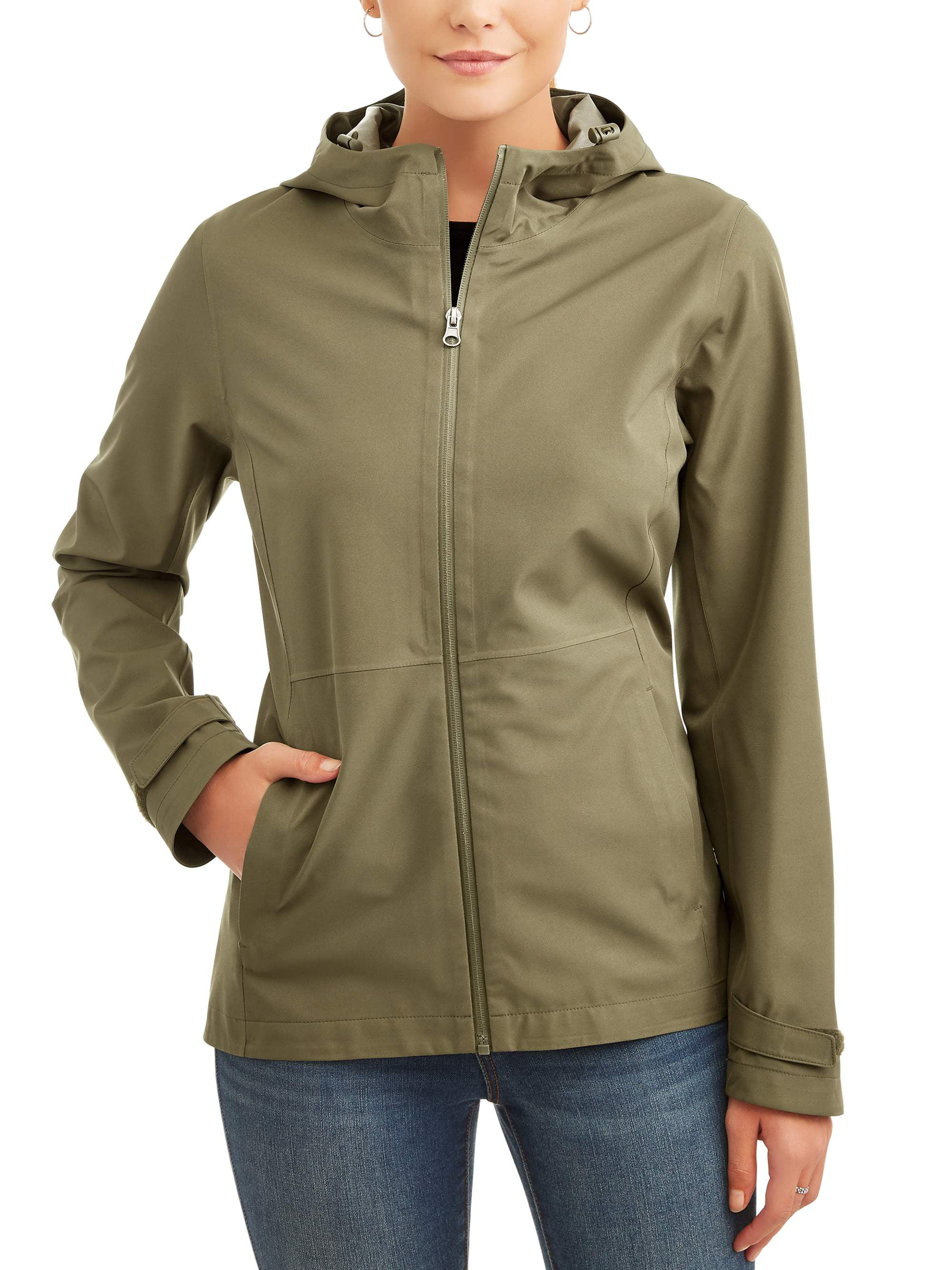
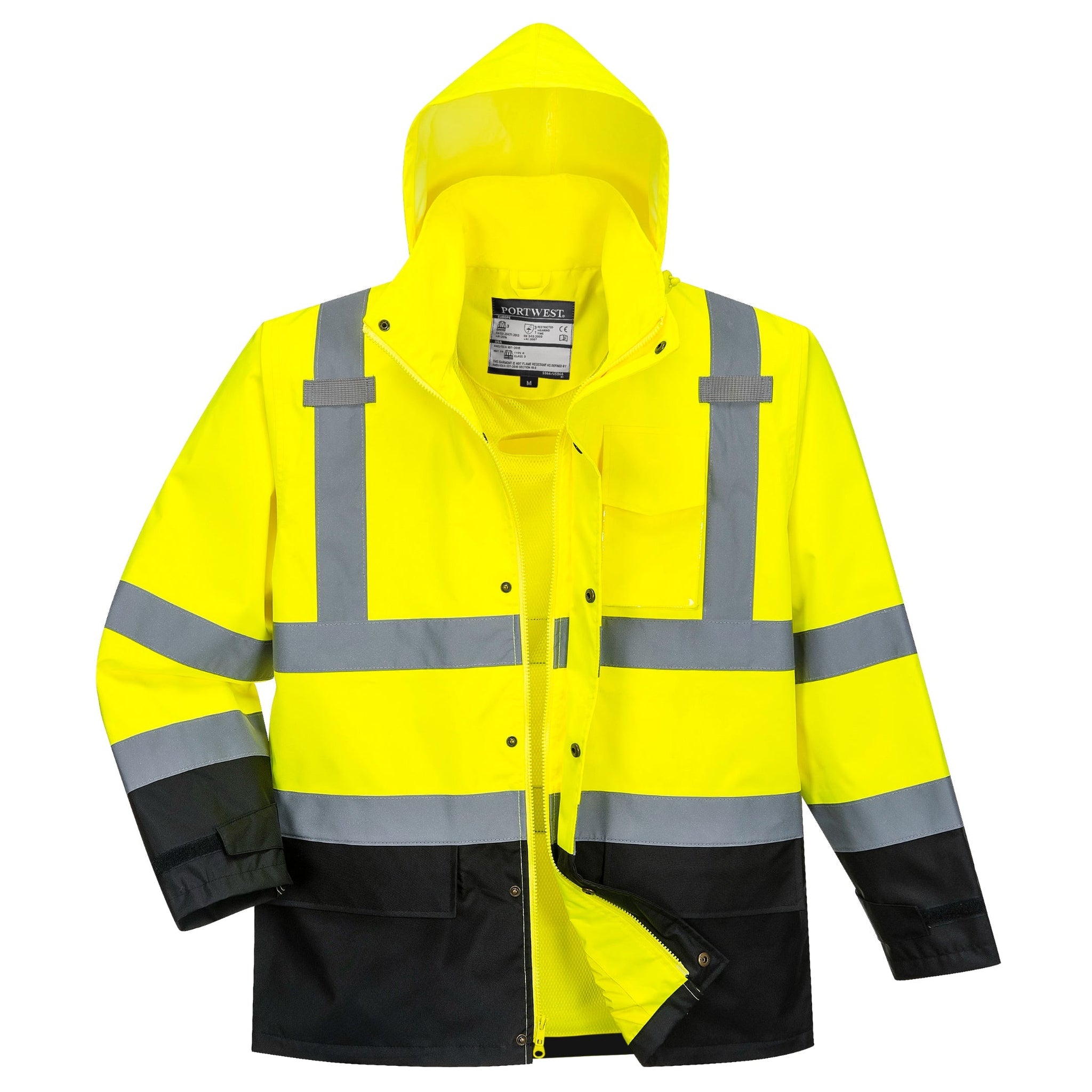
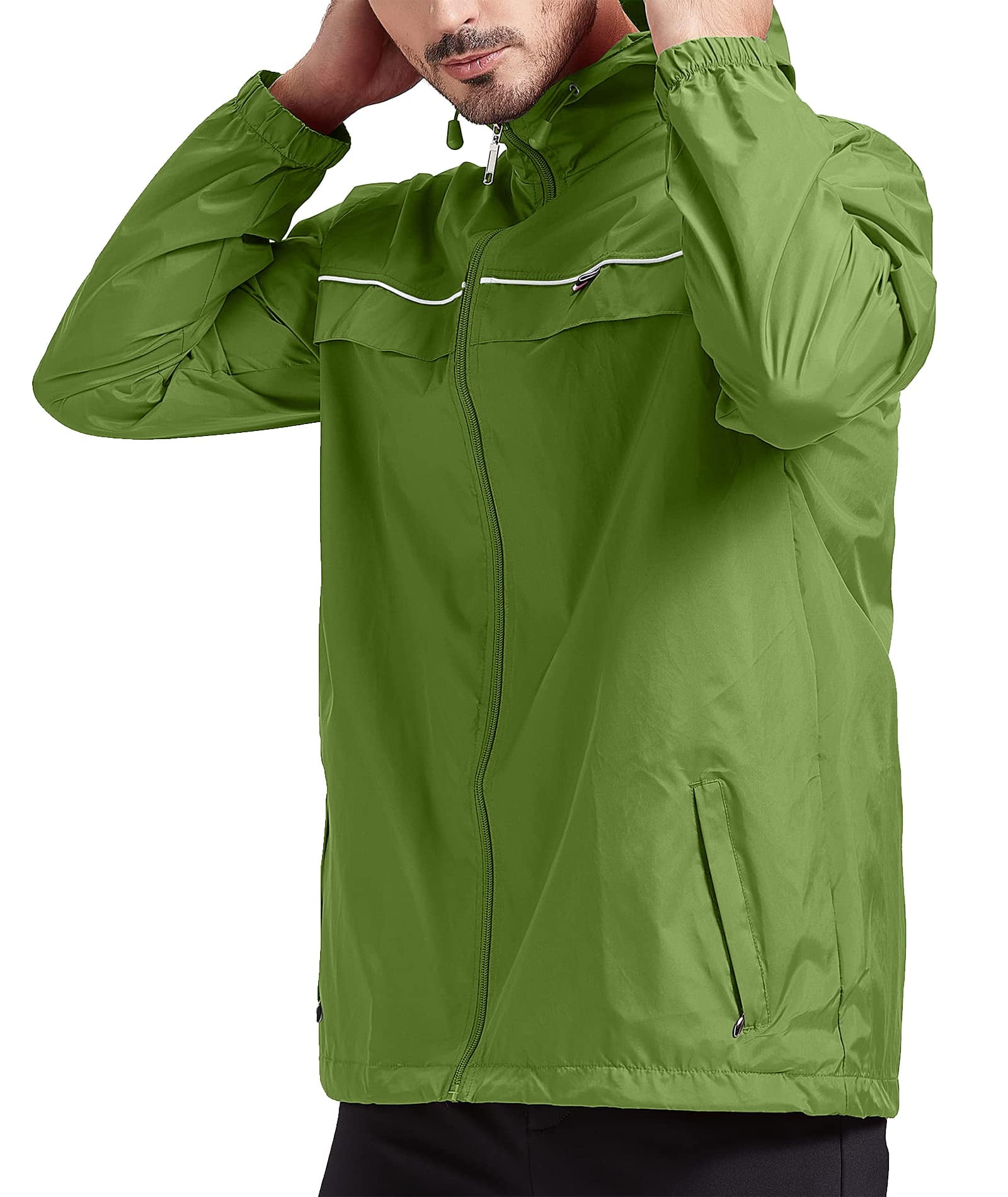
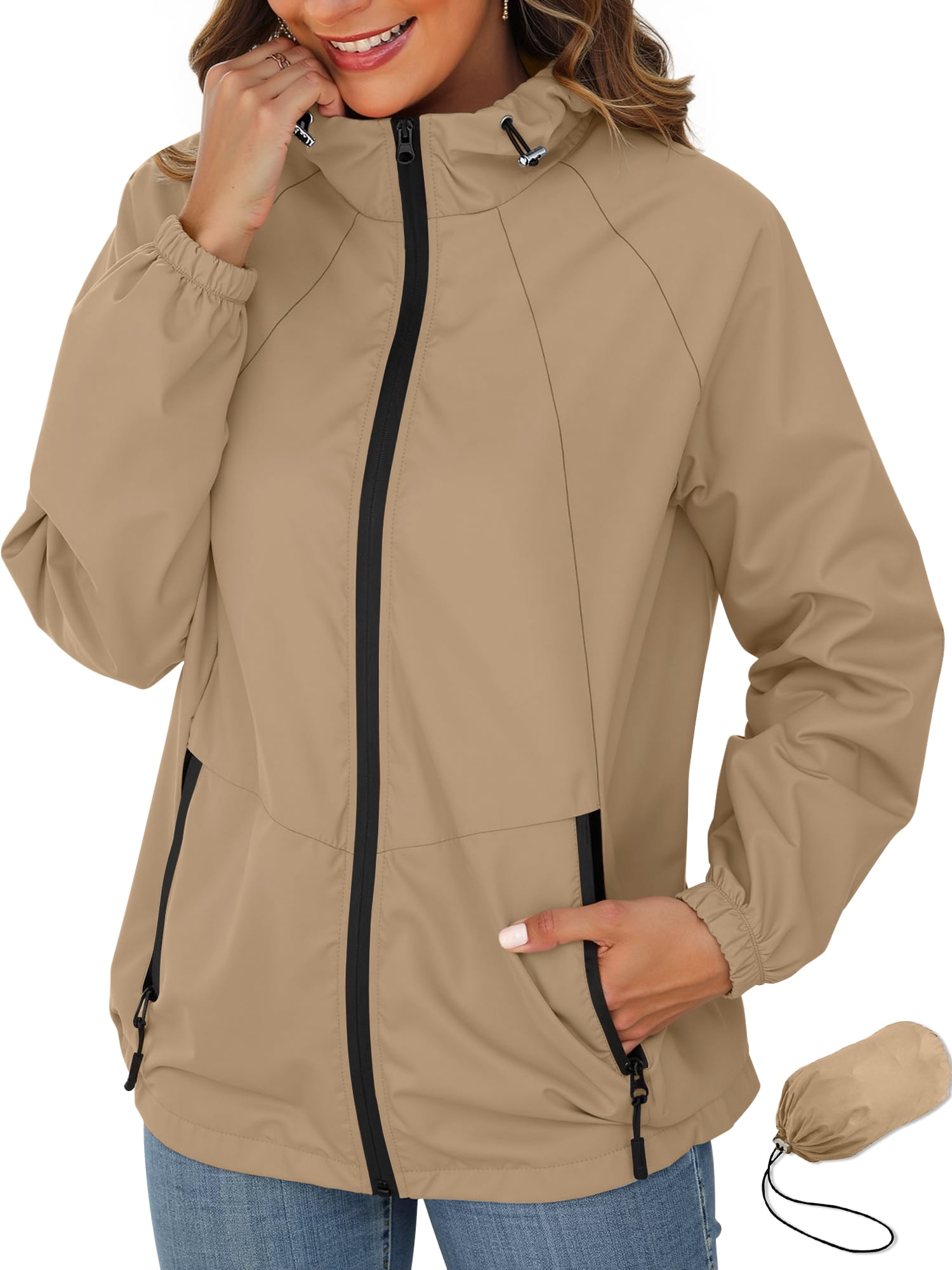
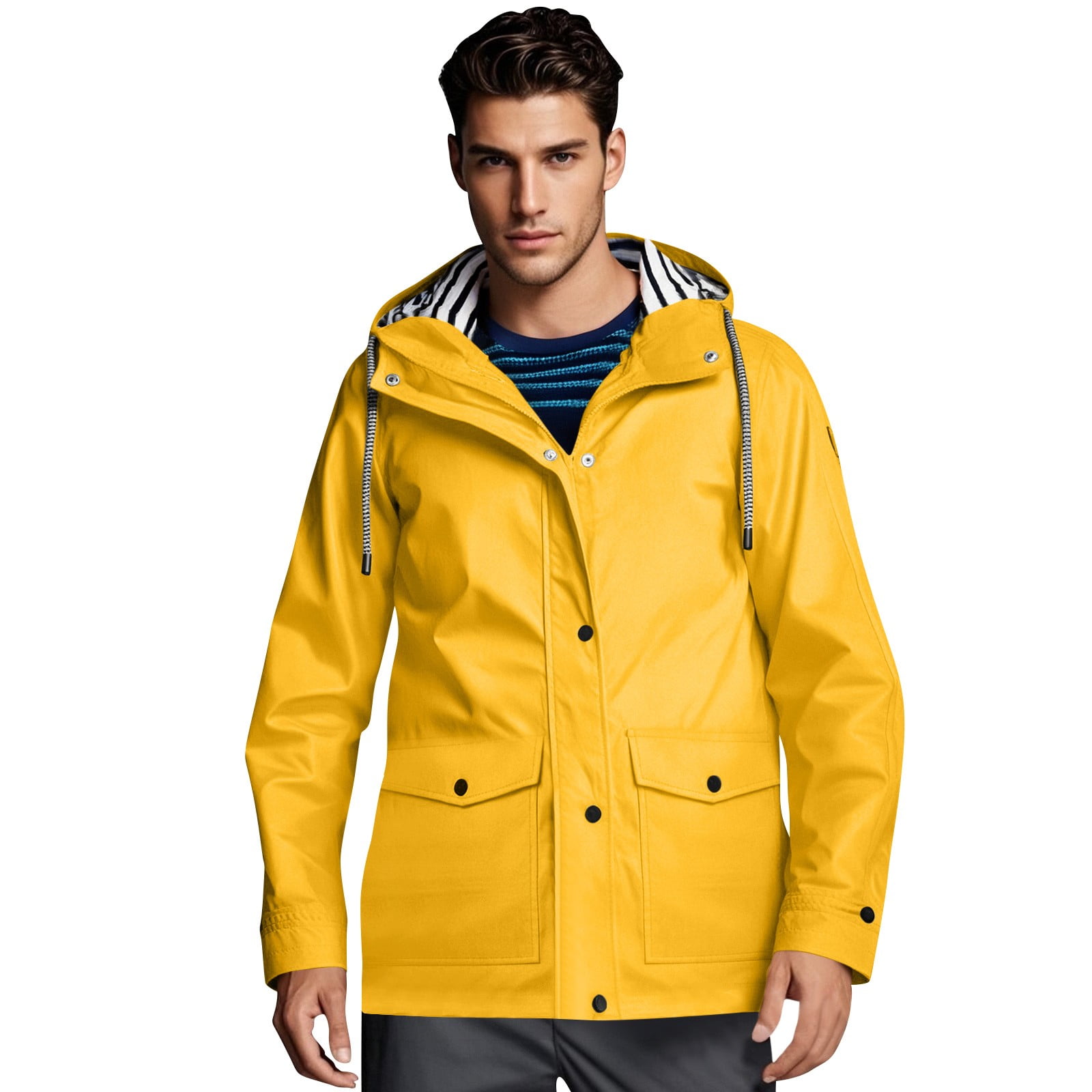
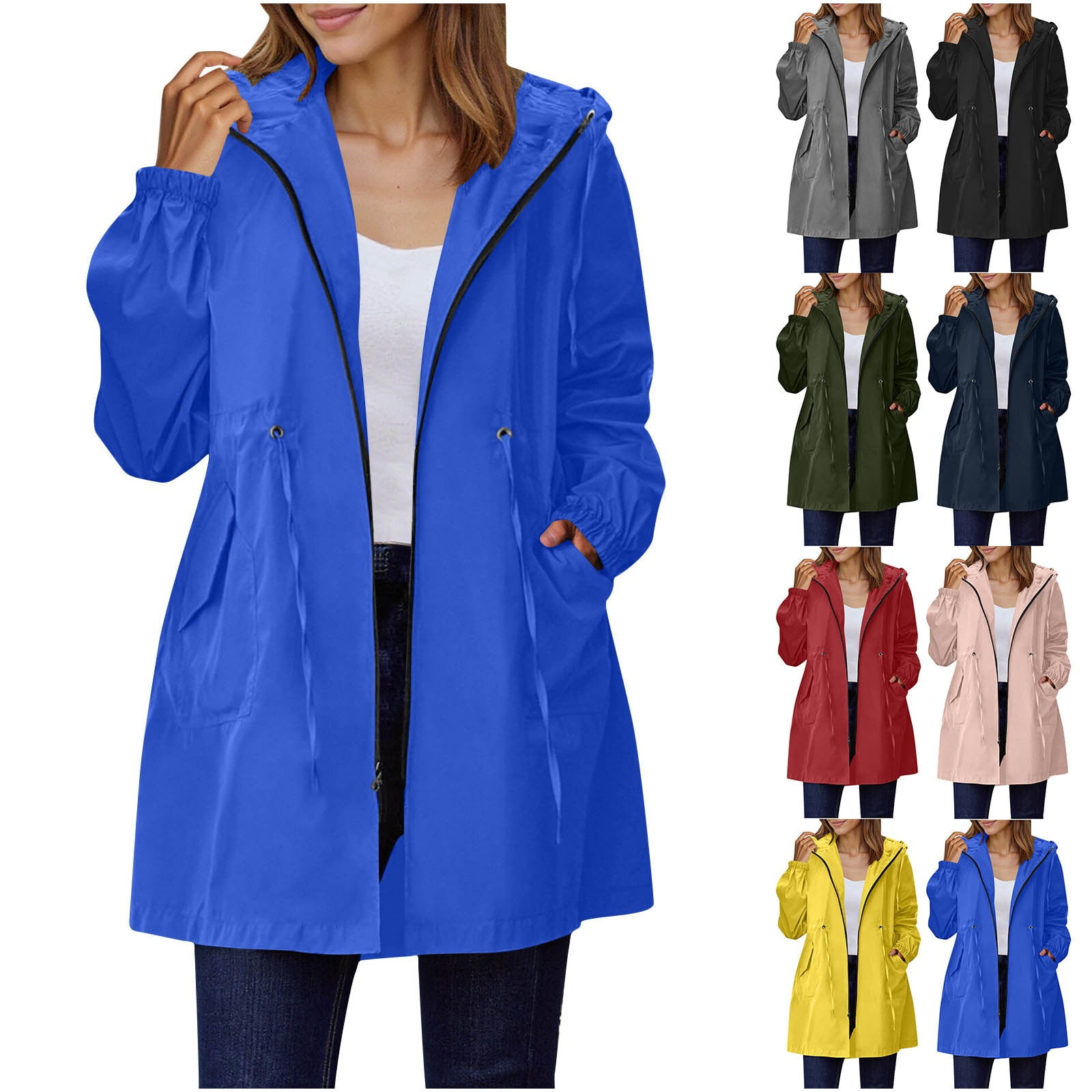
A high-performing rain jacket shields you from moisture by combining waterproof-breathable membranes, durable water-repellent (DWR) finishes, and fully taped seams. Selecting the right model requires balancing weatherproofing ratings, fabric construction, breathability, and weight to match your specific outdoor activities and environmental conditions.
Understanding Waterproof Technology and Fabric Construction
The core function of any rain jacket lies in its fabric technology. Understanding how moisture is kept out while sweat is allowed to escape helps demystify technical specifications and marketing terms.
Waterproof Ratings Explained
Manufacturers measure waterproofness using hydrostatic head testing, typically expressed in millimeters (mm). This test measures how high a column of water can rise over a square inch of fabric before water begins to seep through.
- 0mm to 5,000mm: Suitable for light rain, drizzle, and short exposure times. These fabrics often function well for urban commutes or light walks.
- 10,000mm to 15,000mm: The baseline for reliable performance in moderate to heavy rain. These jackets handle steady downpours during extended hikes or daily commuting.
- 20,000mm and Above: Engineered for extreme alpine environments, heavy driving rain, and multi-day backpacking trips where persistent pressure from pack straps forces moisture against the fabric.
Breathability Metrics
While keeping external water out is critical, trapping internal sweat causes discomfort and chilling. Breathability is generally measured by the Moisture Vapor Transmission Rate (MVTR), expressed in grams of water vapor passing through a square meter of fabric over 24 hours ($g/m^2/24h$). Ratings commonly range from 10,000g to 30,000g. Higher numbers indicate faster moisture transfer, which prevents the clammy feeling common during strenuous exertion.
Membrane vs. Coated Technologies
Waterproofing is typically achieved through one of two methods:
- Membranes: Micro-porous or hydrophilic layers (such as Gore-Tex or proprietary alternatives) laminated to the face fabric. These membranes feature microscopic pores too small for liquid water droplets to pass through, yet large enough for moisture vapor to escape.
- Coatings: Cheaper alternatives where a polyurethane (PU) layer is sprayed directly onto the fabric interior. While functional for light use, coatings tend to degrade faster and offer lower breathability than laminated membranes.
Layering Construction: 2-Layer, 2.5-Layer, and 3-Layer Fabrics
The internal architecture of a rain jacket determines its weight, durability, and price point.
2-Layer Construction
Two-layer jackets bond a waterproof membrane to an outer face fabric, leaving an inner hanging mesh or fabric liner to protect the membrane from body oils and abrasion. These jackets tend to be heavier, bulkier, and warmer, making them popular for casual urban wear rather than technical outdoor pursuits.
2.5-Layer Construction
These jackets feature a face fabric, a waterproof membrane, and a protective tactile print applied directly to the interior of the membrane. They lack a separate hanging liner or heavy backing fabric. This construction results in lightweight, highly packable garments that excel as emergency shells for backpacking or trail running. However, they are generally less durable over long-term, heavy-duty use.
3-Layer Construction
Three-layer jackets sandwich the waterproof membrane tightly between a durable outer face fabric and a specialized inner backing. This construction offers maximum durability, structural integrity, and weather protection. While heavier and more expensive, 3-layer shells are the gold standard for mountaineering, skiing, and severe backcountry conditions.
Seam Sealing and Hardware Integrity
Even the most advanced waterproof fabric will leak if moisture penetrates the tiny needle holes created during manufacturing. Examining the construction details ensures absolute weather resistance.
Types of Seam Protection
- Fully Taped Seams: Every seam across the jacket is covered with a waterproof tape, preventing water ingress at any stitch line. Essential for technical backcountry jackets.
- Critically Taped Seams: Only high-exposure areas, such as the hood, shoulders, and neck, are taped. These jackets cost less but are unsuitable for prolonged heavy rain.
Zippers and Storm Flaps
Zippers represent a common vulnerability. High-end rain jackets use polyurethane-coated or water-resistant zippers (such as YKK Aquaguard) to block moisture. Alternatively, traditional zippers shielded by exterior hook-and-loop storm flaps provide reliable protection without the stiffness associated with coated hardware.
Comparing Rain Jacket Categories
| Category | Typical Weight | Fabric Layers | Best Use Case | Breathability & Durability |
|---|---|---|---|---|
| Ultralight / Emergency | 5 – 9 oz | 2.5-Layer | Trail running, day hikes, emergency pack stash | Low-Moderate breathability; lower abrasion resistance |
| Technical / Backpacking | 10 – 16 oz | 3-Layer | Backpacking, mountaineering, heavy downpours | High breathability; high durability against pack straps |
| Everyday / Commuter | 12 – 20 oz | 2-Layer or 2.5-Layer | City commuting, dog walking, casual travel | Moderate breathability; stylish cuts and soft hand-feel |
| Heavy-Duty Alpine | 18 – 28+ oz | 3-Layer (Heavy denier) | Winter mountaineering, ice climbing, severe storms | Maximum weather defense; built for extreme abrasion |
Essential Features to Evaluate
Beyond the basic fabric, specific design elements dictate how a rain jacket performs in real-world conditions.
Hood Design
A functional storm hood requires multi-point adjustment cords (at the crown and face opening) to secure the hood over your head or a climbing helmet without obstructing peripheral vision. A stiffened brim or visor helps channel water away from the face.
Ventilation Options
Even the most breathable jackets struggle to cope with high-output exertion on steep ascents. Pit zips (zippers under the arms) allow excess heat and body moisture to escape rapidly without exposing your upper body to rain.
Pockets and Hem Adjustments
Pockets should be positioned high enough to remain accessible while wearing a backpack hip belt or climbing harness. Drawcords at the hem and adjustable hook-and-loop wrist cuffs prevent wind and driven rain from creeping inside the garment.
Maintenance and Prolonging Waterproof Performance
Over time, rain jackets can appear to "wet out," where the outer fabric absorbs moisture, making the jacket feel heavy and damp inside. This is rarely a failure of the waterproof membrane; rather, it indicates the DWR (Durable Water Repellent) coating has worn off.
Cleaning Your Jacket
Body oils, dirt, and smoke clog fabric pores and compromise breathability. Wash your jacket periodically using technical garment cleaners (such as Nikwax Tech Wash or Grangers Performance Wash) in a front-loading washing machine on a gentle cycle. Avoid standard laundry detergents, fabric softeners, and bleach, as chemical residues degrade membranes and DWR coatings.
Restoring DWR Coatings
If water droplets no longer bead on the jacket's surface after washing, apply a spray-on or wash-in DWR restorative treatment. Following the treatment instructions—often involving low-heat tumble drying if the manufacturer allows—reactivates the water-repellent properties, restoring factory-fresh performance.
Frequently Asked Questions
What is the difference between water-resistant and waterproof?
Water-resistant fabrics repel light moisture for short periods, usually achieved via a DWR coating alone. Waterproof jackets incorporate an impermeable membrane and sealed seams to withstand heavy, prolonged downpour pressure without letting water pass through.
Why does my waterproof jacket feel wet on the inside?
This is typically caused by trapped body sweat rather than external rain leaks. When exertion exceeds the fabric's breathability limit, internal moisture condenses against the cool inner lining. Pit zips and choosing a jacket with a higher MVTR rating help mitigate this issue.
Can I put my rain jacket in a standard clothes dryer?
Many modern waterproof jackets can be tumble-dried on low heat, which often helps reactivate the DWR finish. However, you must always check the manufacturer care label inside the garment to confirm specific drying and ironing instructions.
How often should I wash a technical rain jacket?
Wash your jacket whenever it becomes visibly dirty, smells, or starts wetting out on the exterior. Regular cleaning prevents oils and dirt from breaking down the membrane and maintains optimal breathability during wet-weather activities.
Do expensive rain jackets really make a difference?
Higher-priced jackets generally utilize more durable face fabrics, superior 3-layer breathable membranes, advanced articulation for movement, and robust hardware like waterproof zippers and reinforced stitching. Budget options work well for casual use, but technical users benefit from the longevity and performance of high-end shells.
Next Actions for Choosing Your Jacket
Assess your primary use case—whether it is an urban daily commute, a weekend backpacking trip, or an alpine mountaineering expedition—and match your needs to the appropriate fabric construction and weight class. Prioritize fit, mobility, and ventilation features over pure aesthetics to ensure dependable, long-term shelter from the elements.