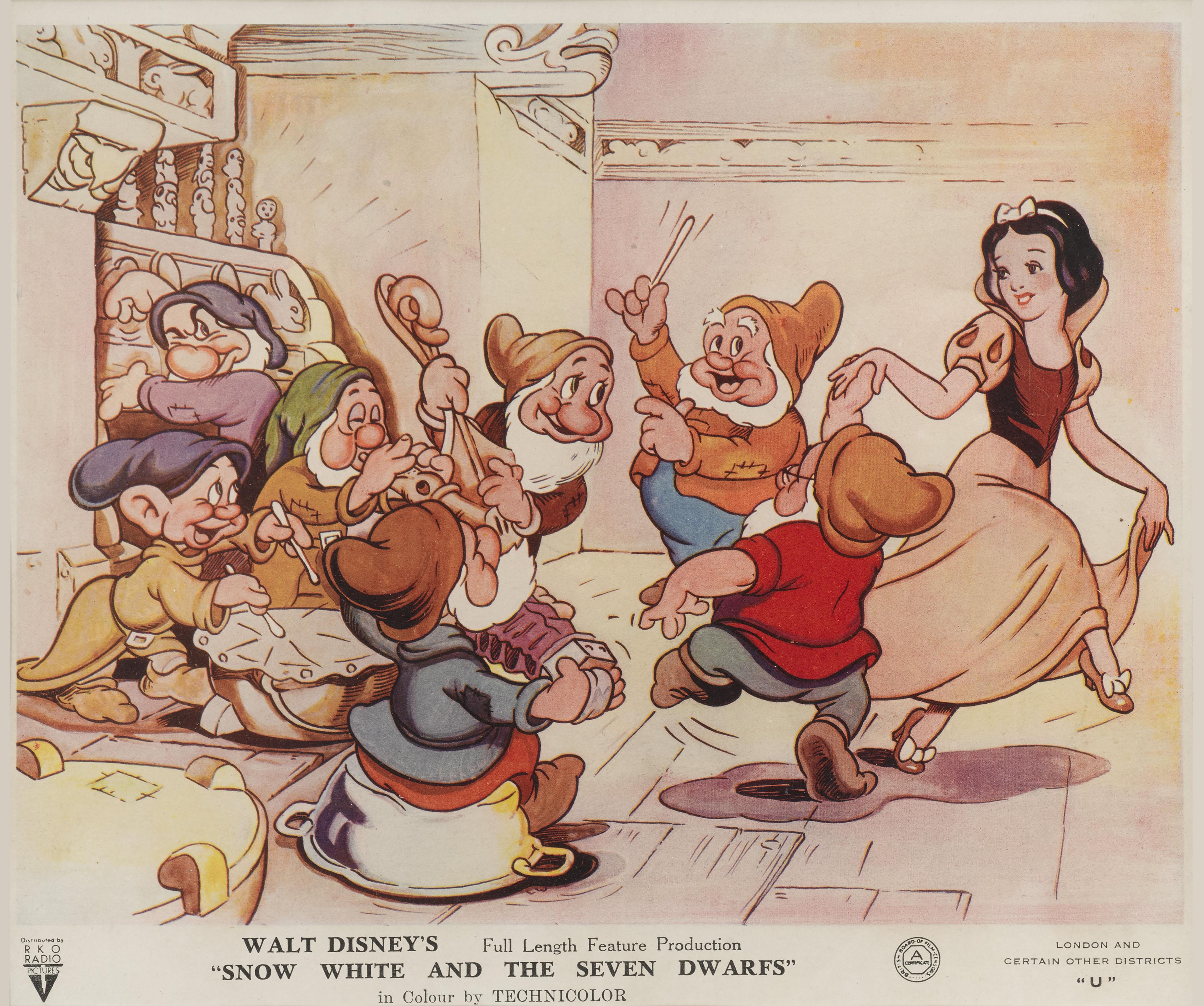
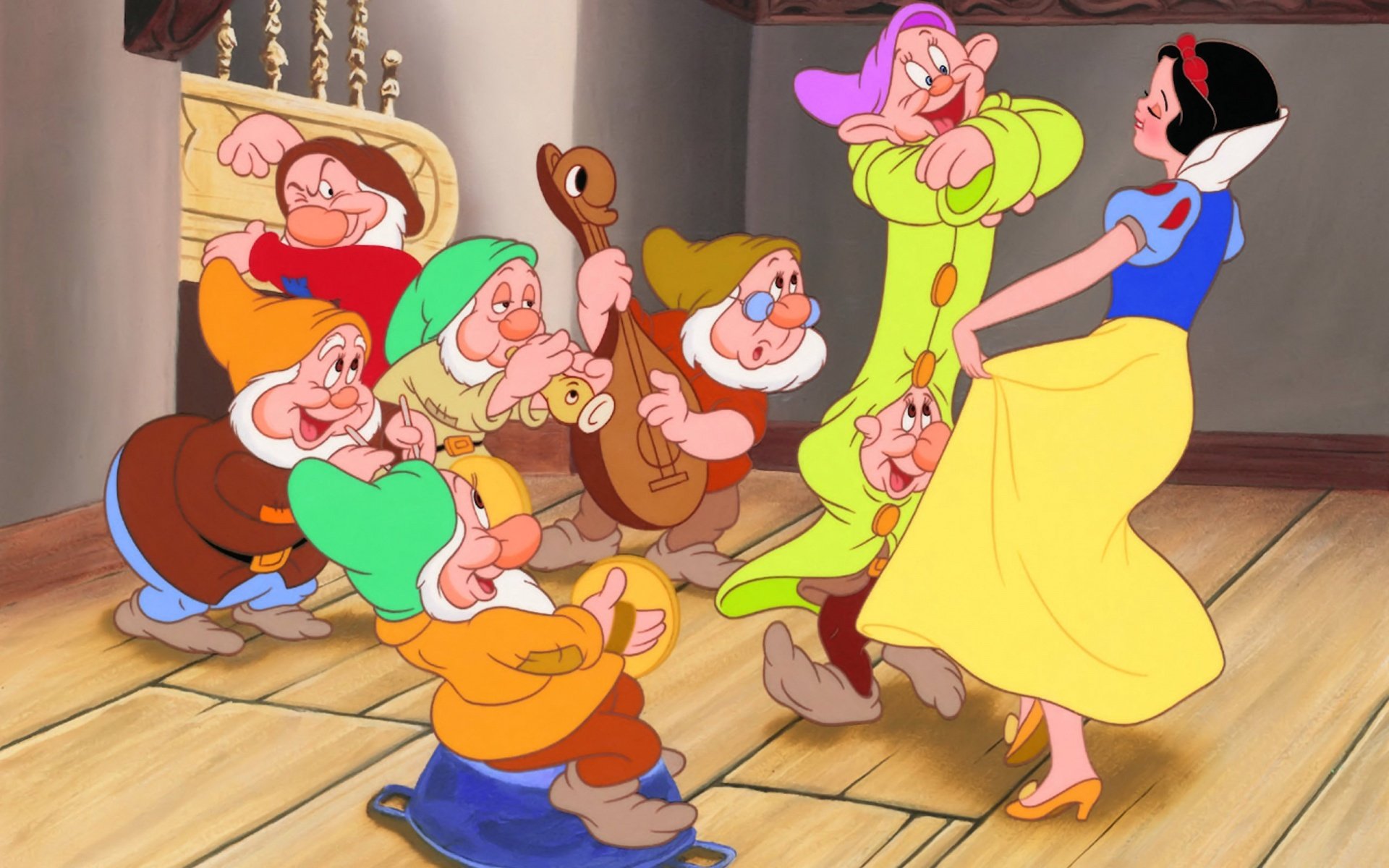
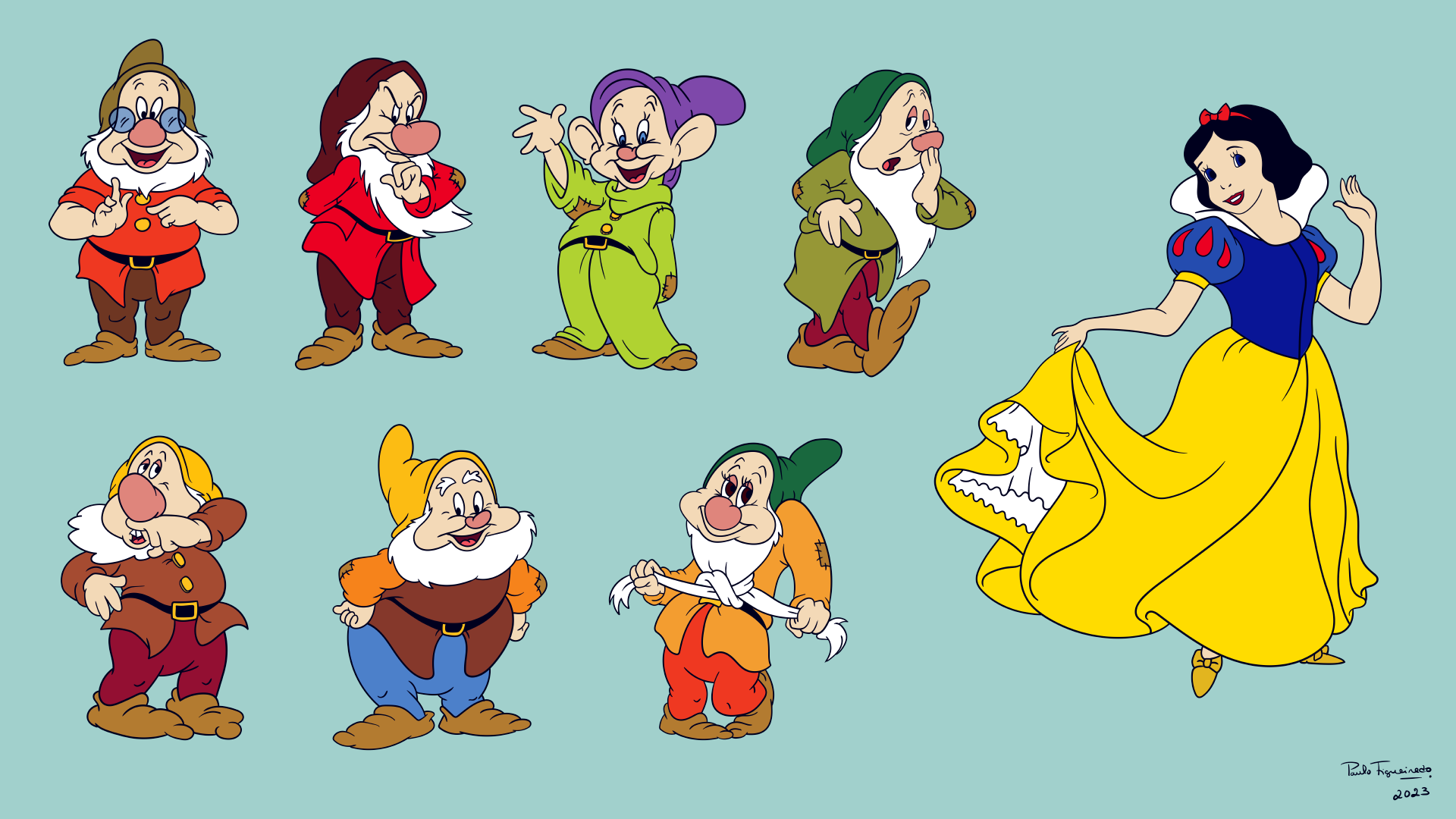
The seven dwarfs in the 1937 Disney animated masterpiece, Snow White and the Seven Dwarfs, represent distinct personality archetypes that transform from simple miners into the protective guardians of the title character. Each dwarf—Doc, Grumpy, Happy, Sleepy, Bashful, Sneezy, and Dopey—possesses unique traits defined by their names, visual design, and role within the narrative structure of the film.
The Origin and Character Design of the Seven Dwarfs
When Walt Disney Productions set out to create the first full-length cel-animated feature, the challenge of the seven dwarfs was to ensure audiences could distinguish between them despite their shared occupation and living environment. Unlike the original 1812 Brothers Grimm fairy tale, where the dwarfs remained largely nameless and interchangeable, the 1937 film gave them individualized identities to drive the emotional stakes of the story.
The character designs were heavily influenced by the work of animators like Fred Moore and Bill Tytla. The design philosophy relied on "personality animation," where a character’s physical proportions and movements reflect their internal psyche. For instance, Doc’s glasses and vest suggest a formal, slightly bumbling authority, while Dopey’s oversized tunic and lack of a beard characterize him as the youthful, silent innocent of the group.
Breakdown of the Seven Personalities
Understanding the dwarfs requires looking at how they balance the domestic and professional spheres of their lives within the enchanted forest.
Doc The self-appointed leader of the group, Doc is often seen trying to maintain order. His primary trait is his tendency to mix up his words (spoonerisms), which adds a layer of comedic vulnerability to his role as the decision-maker.
Grumpy Grumpy serves as the ideological foil to Snow White. He is the most skeptical of the group, consistently voicing distrust regarding the arrival of an outsider in their home. However, his character arc is the most pronounced, as he eventually becomes the most protective of Snow White, highlighting his underlying heart of gold.
Happy True to his name, Happy provides the group’s emotional optimism. He is usually the first to celebrate, often leading the group in song or dancing. His presence acts as a counterbalance to the more cynical nature of Grumpy.
Sleepy Sleepy is defined by his constant lethargy, frequently seen with heavy eyelids and a penchant for yawning. His character design emphasizes his lack of energy, providing physical humor in high-stress situations.
Bashful Bashful is defined by his extreme shyness and romanticized attraction to Snow White. His interactions are marked by coy gestures, hiding behind his beard, and blushing, which humanizes the group by introducing a layer of bashfulness that contrasts with the rough work of diamond mining.
Sneezy Sneezy’s character is defined by a singular, recurring gag: his uncontrollable hay fever. His sneezes are not just comedic interruptions but physical forces that frequently cause chaos in the dwarfs' cottage, forcing the other dwarfs to manage his outbursts.
Dopey Dopey is the only dwarf without a beard, which was a deliberate creative choice to emphasize his childlike nature. Because he does not speak, his communication is entirely pantomime, relying on exaggerated facial expressions and gestures. As the "clown" of the group, he serves as the bridge between the dwarfs' domestic life and the slapstick comedy required by the film’s pacing.
The Role of the Dwarfs in the Narrative Structure
The dwarfs function as more than just sidekicks; they are the domestic foundation that Snow White adopts upon fleeing the Queen. Their transition from suspicious forest dwellers to devoted protectors is the core of the film's second act.
When Snow White finds the cottage, the dwarfs are presented in a state of disarray—a dirty home that has clearly lacked feminine influence. The cleaning sequence serves as a pivotal point, signifying that Snow White is not merely a guest but a catalyst for improvement in their lives. The dwarfs’ willingness to abandon their mining duties to pursue the Queen’s hunters or mourn at the glass coffin reinforces their status as the film's moral compass.
Comparative Analysis of Dwarf Traits
The following table outlines the distinct attributes that differentiate each character within the group dynamic.
| Name | Key Physical Feature | Primary Role | Defining Behavior |
|---|---|---|---|
| Doc | Spectacles | Organizer/Leader | Confuses words (spoonerisms) |
| Grumpy | Scowl/Crossed arms | Skeptic/Protector | Vocalizes distrust |
| Happy | Wide smile | Moral booster | Leads songs and cheers |
| Sleepy | Half-closed eyes | Comedic relief | Yawns and nods off |
| Bashful | Red cheeks | Socially anxious | Blushes near Snow White |
| Sneezy | Oversized nose | Chaos factor | Violent sneezes |
| Dopey | Oversized tunic | Non-verbal comic | Mime and physical antics |
The Legacy of the Seven Dwarfs
Beyond the 1937 film, the seven dwarfs have become icons of animation history. Their names are permanently etched into the cultural consciousness, often cited as the gold standard for creating distinct ensemble casts. As of 2026, their depictions remain consistent with the foundational character studies established by the Disney animators.
The success of the characters is rooted in the contrast between their occupation—the cold, hard labor of mining for jewels—and their home, which is a place of warmth, music, and distinct individuality. This duality makes them relatable; they are workers who come home to a chaotic, loving, and supportive family unit.
Frequently Asked Questions
Why does Dopey not have a beard like the other six dwarfs? Dopey was designed without a beard to emphasize his youth and innocence. During the development of the film, animators experimented with various looks for the characters, and it was decided that a clean-shaven, younger-looking dwarf would best serve as a contrast to the mature, bearded archetypes of his companions.
Is there a specific reason why the dwarfs have these specific names? The names were chosen to represent the seven distinct archetypes of human personality. By naming them after their most prominent traits, the storytellers ensured that audiences could immediately identify the motivation and role of each character without needing complex backstories.
Do the dwarfs ever work in the mines in the film? Yes, the film features a famous sequence of the dwarfs mining for jewels. This scene establishes their profession and provides the contrast to their domestic lives, showing that they are skilled, hard workers who value their trade.
Why does Grumpy change his mind about Snow White? Grumpy’s transformation is driven by the realization of Snow White’s genuine kindness and the threat posed by the Queen. His initial cynicism is defensive; once he observes the vulnerability of Snow White, his inherent loyalty overrides his grumpy exterior, leading him to lead the charge against the Queen.
Are the seven dwarfs based on specific folklore? While the original 1812 story by the Brothers Grimm features dwarfs, they were not named or individualized in the original text. The naming and personality traits were creative innovations specifically developed for the 1937 Disney production, based on character tropes common in fairy tales and vaudeville theater.
Conclusion and Next Steps
To further appreciate the construction of these characters, one should re-watch the cottage sequences, paying close attention to how each dwarf interacts with the environment—such as how Sleepy attempts to find a comfortable surface to nap or how Dopey manages to stack himself atop the others. Understanding the seven dwarfs as archetypes provides a deeper look into the mechanics of effective character design in animation. When analyzing classic narratives, consider how assigning a single, primary trait to a supporting character can drive both plot and emotional engagement, much like the dynamic of these seven iconic figures.