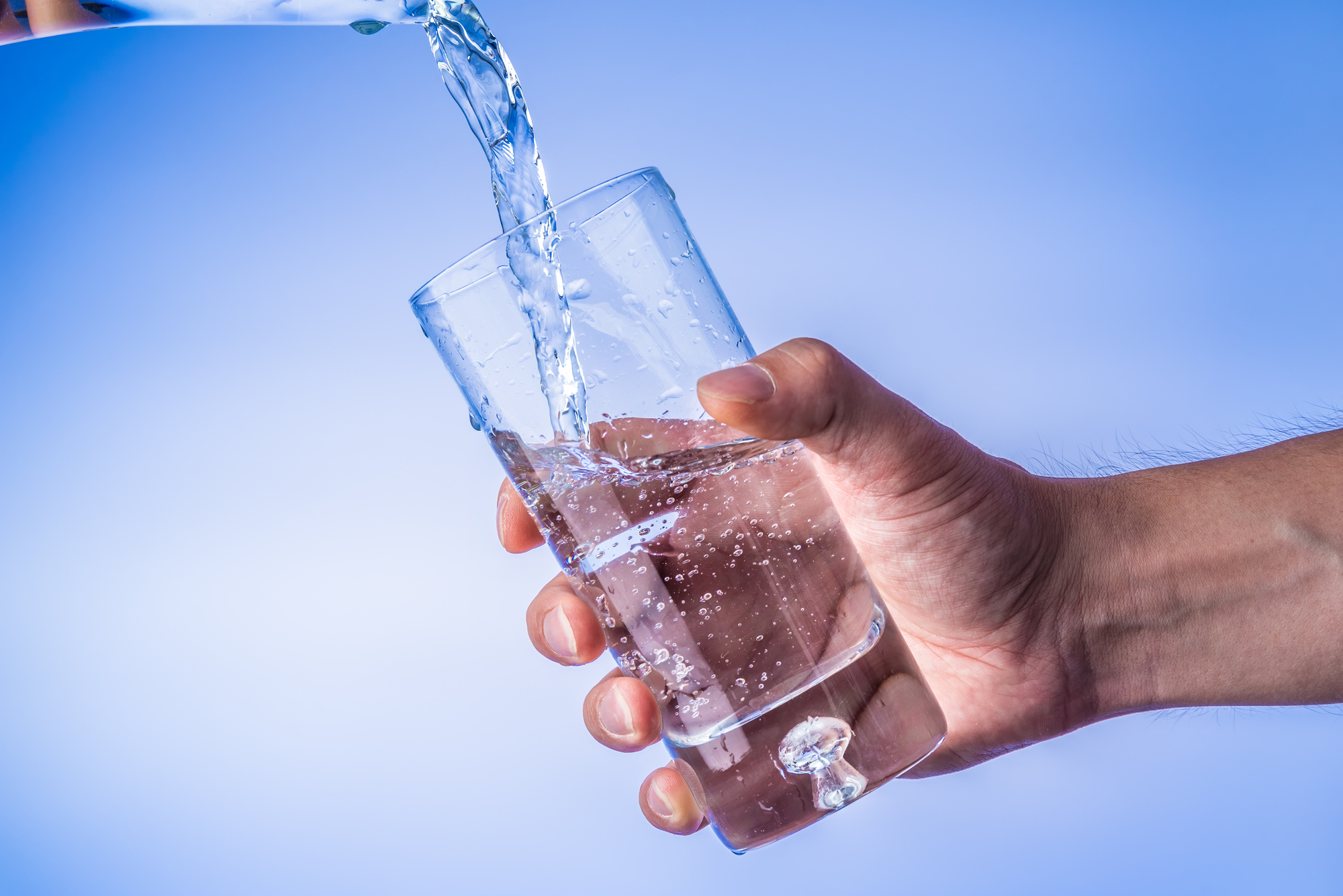
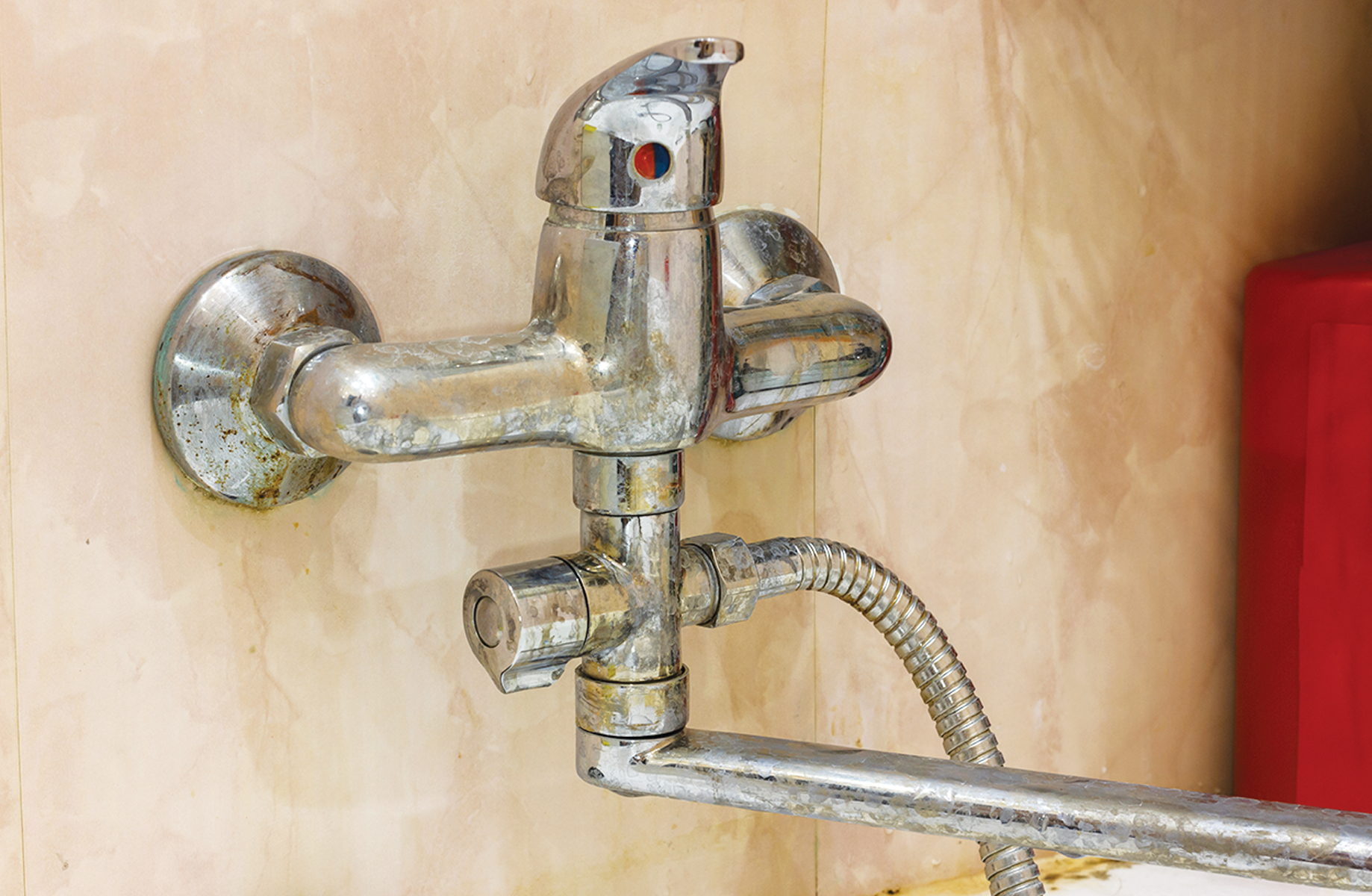
Taming household hard water requires a dual approach: removing dissolved calcium and magnesium minerals at the point of entry and managing scale accumulation on fixtures, clothing, and appliances. By pairing appropriate ion-exchange or descaling treatment systems with targeted acid-based cleaning protocols, homeowners can eliminate limescale, reduce detergent waste, extend equipment lifespan, and protect plumbing infrastructure.
Water Testing and Hardness Diagnostics (Rules 1–10)
Accurate measurement forms the bedrock of any water treatment strategy. Dissolved minerals cannot be evaluated by sight alone, making precise testing essential for proper equipment sizing and chemical dosing.
- Rule 1: Know your grains per gallon (GPG). Water hardness is measured in grains per gallon (GPG) or parts per million (PPM), where 1 GPG equals 17.1 PPM. According to the U.S. Geological Survey water hardness guidelines, water exceeding 7 GPG (120 PPM) is classified as hard and warrants intervention.
- Rule 2: Test municipal water reports annually. Municipal water providers publish annual Consumer Confidence Reports (CCRs). Review these reports to monitor baseline hardness, but test your home's tap directly, as distribution pipes can alter mineral content.
- Rule 3: Perform comprehensive well testing. If you rely on a private well, test your water through an accredited laboratory every 12 to 18 months. Well water mineral concentrations fluctuate based on seasonal rainfall, water table levels, and local aquifer geology.
- Rule 4: Differentiate between total hardness and iron content. Clear water iron (ferrous iron) mimics hardness by staining fixtures. Standard hardness tests may overlook iron; test for total dissolved iron separately to determine if an iron pre-filter is necessary.
- Rule 5: Measure water pH alongside hardness. Acidic water (pH below 6.5) accelerates pipe corrosion, while alkaline water (pH above 8.5) causes calcium carbonate to precipitate out of solution rapidly, worsening limescale formation.
- Rule 6: Account for seasonal hardness shifts. Surface water sources vary in hardness between summer dry spells and spring snowmelts. Adjust automatic softener regeneration schedules twice per year to match seasonal fluctuations.
- Rule 7: Use titration drop kits over test strips. Paper test strips provide quick estimates, but liquid titration kits yield precise GPG readings required to program whole-house water softeners accurately.
- Rule 8: Calculate daily mineral volume. Multiply your household’s daily water usage (typically 75 gallons per person per day) by your water hardness in GPG to determine total daily grain removal requirements.
- Rule 9: Check water pressure before testing flow rates. High mineral buildup inside pipes restricts water volume and dynamic pressure. Measure static pressure at an outside spigot to isolate external supply issues from internal plumbing restriction.
- Rule 10: Re-test water after installing any treatment system. Never assume a newly installed softener or conditioner is functioning perfectly. Test softened water within 48 hours of commissioning to confirm mineral reduction.
Selecting and Operating Whole-House Water Softeners (Rules 11–22)
Salt-based ion-exchange softeners remain the gold standard for completely removing hardness minerals from a home's supply.
- Hard Water (Ca²⁺ / Mg²⁺)
- Ion-Exchange Resin (Na⁺)
- Brine Regeneration
- Soft Water (Na⁺)
- Rule 11: Size softeners based on grain capacity, not pipe size. Select a unit based on total grain capacity (e.g., 32,000 to 64,000 grains). A standard family of four using water with 10 GPG hardness requires a minimum 32,000-grain capacity unit to avoid overly frequent regenerations.
- Rule 12: Choose demand-initiated regeneration over timer-based systems. Demand-initiated regeneration (DIR) monitors actual water usage via a digital meter, initiating backwashing only when resin capacity is depleted. This saves up to 30% in salt and water costs.
- Rule 13: Use high-purity evaporated salt pellets. Opt for 99.5% pure evaporated salt pellets over rock salt or solar salt. Solar and rock salts contain insoluble minerals that build up sludge at the bottom of the brine tank.
- Rule 14: Consider potassium chloride for sodium-restricted diets. If municipal or household guidelines require reduced sodium consumption, substitute sodium chloride salt with potassium chloride pellets. Note that potassium requires approximately 10% higher dosage settings on the control valve.
- Rule 15: Maintain brine tank salt levels above the water line. Check the brine tank monthly. Keep the salt level at least 3 to 4 inches above the standing water level, but avoid filling the tank to the top to prevent salt bridging.
- Rule 16: Break up salt bridges immediately. High humidity or low-quality salt can cause a hard crust (salt bridge) to form over empty space in the brine tank, preventing the brine solution from forming. Break bridges gently using a broom handle.
- Rule 17: Clean the brine tank bottom annually. Salt sludge collects over time, clogging the brine valve assembly. Empty and wash out the brine tank once per year to ensure smooth operation.
- Rule 18: Install a 20-micron pre-filter ahead of the softener. Sediment, sand, and rust particles foul ion-exchange resin beads. Installing a dedicated sediment pre-filter prolongs resin bed lifespans significantly.
- Rule 19: Clean resin beds with resin cleaner biannually. Iron and manganese coat ion-exchange resin beads, reducing their capacity. Pour a specialized resin cleaner into the brine well twice a year to strip mineral coatings.
- Rule 20: Utilize dual-tank systems for continuous supply. Single-tank softeners go offline during backwash cycles, letting hard water pass into household pipes. Twin-alternating systems supply softened water 24 hours a day.
- Rule 21: Set reserve capacity properly. Set automatic control valves with a 15–20% reserve capacity buffer so the unit regenerates before hard water leaks into the home plumbing system during peak demand hours.
- Rule 22: Monitor salt bridge formation using humidity controls. If your softener resides in a humid basement or outdoors, install a dehumidifier nearby to prevent salt pellets from absorbing ambient moisture and fusing together.
Point-of-Use Filtration and Alternative Descaling (Rules 23–32)
For homes where salt-based softeners are restricted, unfeasible, or unwanted for drinking water, alternative technologies offer targeted scale control.
- Rule 23: Understand the difference between softening and conditioning. Water softeners remove calcium and magnesium ions completely. Water conditioners (such as Template Assisted Crystallization, or TAC) alter mineral structures so they do not adhere to surfaces, without removing the minerals themselves.
- Rule 24: Use TAC media for salt-free scale prevention. Template Assisted Crystallization (TAC) converts dissolved hardness minerals into inert microscopic crystals. Review independent testing validated under Water Quality Association standards to verify scale prevention efficiency before purchasing.
- Rule 25: Pair reverse osmosis (RO) with hard water treatment. Reverse osmosis membranes filter out dissolved minerals at drinking taps. However, if feedwater exceeds 10 GPG, pre-treat the supply to prevent premature fouling of expensive RO membranes.
- Rule 26: Install dedicated kitchen cold-water bypass lines. If sodium levels from salt-based softeners are a concern, plumb unsoftened cold water directly to dedicated kitchen drinking spigots and refrigerator ice makers.
- Rule 27: Maintain showerhead filters for chlorine, not hardness. Shower filters containing KDF or activated carbon remove chlorine and trace heavy metals, but they do not lower GPG hardness. Do not rely on compact shower filters for mineral removal.
- Rule 28: Install inline polyphosphate filters for tankless heaters. Polyphosphate cartridge filters release trace food-grade polyphosphates that sequester calcium ions, preventing scale accumulation inside tankless heating coils.
- Rule 29: Position physical descalers near heating elements. Magnetic and electronic physical water conditioners rely on electromagnetic fields to disrupt crystal growth. Place these devices immediately upstream of water heaters for maximum localized efficacy.
- Rule 30: Replace RO membranes every 2 to 3 years. When fed moderately hard water, RO membranes degrade over time. Test total dissolved solids (TDS) quarterly; replace the membrane when rejection drops below 90%.
- Rule 31: Monitor flow rates on salt-free conditioners. TAC units require specific contact times and flow rates to convert minerals effectively. Ensure home peak flow (GPM) does not exceed the manufacturer’s rated capacity for the vessel.
- Rule 32: Avoid mixing incompatible water treatment media. Never install carbon filters directly ahead of ion-exchange units without calculating pressure drop, as reduced flow can impair proper resin bed backwashing.
Protecting Water Heaters and Major Appliances (Rules 33–44)
Water-heating appliances suffer the highest damage from hard water, as heat accelerates mineral precipitation out of solution into solid scale.
- Heat Application
- Ca²⁺ + 2HCO₃⁻
- CaCO₃ (Limescale Sediment) + CO₂ + H₂O
- Rule 33: Flush storage-tank water heaters every 6 months. Heating water forces dissolved calcium carbonate to settle as heavy sediment at the bottom of the tank. Drain several gallons from the bottom drain valve bi-annually until the water runs clear.
- Rule 34: Descale tankless water heaters annually. Tankless units feature narrow heat exchanger channels prone to clogging. Flush the system with food-grade citric acid or white vinegar for 45 to 60 minutes using a small submersible pump.
- Rule 35: Lower water heater temperature settings. High temperatures accelerate scale precipitation. Keep your water heater thermostat set to 120°F (49°C) to balance sanitation with scale prevention.
- Rule 36: Replace water heater anode rods regularly. Hard water and salt-softened water both accelerate sacrificial anode rod consumption. Inspect powered or magnesium anode rods every 2 years and replace them when depleted to stop tank corrosion.
- Rule 37: Clean dishwasher heating elements monthly. White crust on dishwasher heating elements acts as thermal insulation, causing heating failure and poor drying performance. Wipe down coils using dilute citric acid.
- Rule 38: Run monthly vinegar maintenance cycles in washing machines. Pour 2 cups of distilled white vinegar into an empty washing machine drum and run a hot water cycle to clear mineral deposits from tub pumps and hoses.
- Rule 39: Descale coffee makers every 30 to 60 brew cycles. Coffee makers develop internal scale that restricts water flow and lowers brewing temperatures. Run equal parts water and white vinegar or dedicated descaling solution through the machine, followed by two clean water flushes.
- Rule 40: Protect steam irons with distilled water. Tap water leaves mineral deposits inside iron steam chambers, leading to clogged vents and brown mineral drops on clothing. Use distilled or demineralized water exclusively.
- Rule 41: Clear refrigerator ice maker lines bi-annually. Scale buildup inside narrow ice-maker supply lines reduces ice cube size and clogs solenoid inlet valves. Flush lines during filter replacements.
- Rule 42: Inspect washing machine inlet screens quarterly. Sediment and dislodged scale gather in the small mesh screens located where supply hoses connect to the washer. Unscrew hoses and clean screens with a stiff brush.
- Rule 43: Install water hammer arrestors on appliance valves. Scale buildup reduces internal pipe diameters, raising fluid velocity and inducing pressure shocks (water hammer) when fast-closing solenoid valves shut off.
- Rule 44: Factor hardness into appliance replacement cycles. If operating appliances without softened water in regions with hardness exceeding 10 GPG, budget for shorter service lives (typically 30–50% shorter than rated lifespans).
Cleaning Chemistry, Bathroom Fixtures, and Glass (Rules 45–56)
Removing existing scale requires understanding acid-base chemistry. Alkaline cleaners cannot dissolve calcium; acidic solutions are required to break mineral bonds.
- Rule 45: Match the acid to the cleaning surface. Use mild organic acids like citric acid or acetic acid (vinegar) for routine surface scale removal. Use diluted phosphoric acid for heavy buildup, and avoid harsh muriatic acid indoors.
- Rule 46: Never mix bleach with acidic descalers. Combining chlorine bleach with acidic cleaners generates toxic chlorine gas. Always rinse bleach residues completely before applying acid descalers to fixtures.
- Rule 47: Apply dwell time instead of aggressive scrubbing. Acid solutions require contact time to dissolve calcium carbonate ($CaCO_3$). Soak scale-covered aerators or showerheads in vinegar for 2 to 4 hours rather than scrubbing with abrasive pads that scratch metal plating.
- Rule 48: Protect natural stone from acidic cleaners. Never use vinegar, citric acid, or commercial scale removers on marble, granite, limestone, or travertine. Acid etches calcite-based natural stone permanently. Use pH-neutral stone cleaners alongside manual scraping with plastic squeegees.
- Rule 49: Use citric acid over vinegar for scent-free cleaning. Dissolve 2 tablespoons of food-grade citric acid powder per 16 ounces of warm water. Citric acid is odorless, highly effective, and less aggressive on synthetic rubber gaskets than acetic acid.
- Rule 50: Remove showerhead scale using plastic bags. Tie a bag filled with warm vinegar around showerheads using a rubber band. Submerge all spray nozzles overnight, then scrub gently with an old toothbrush.
- Rule 51: Seal glass shower doors with hydrophobic coatings. Apply polymer or silicone-based glass sealants (similar to rain repellents used on automotive windshields) to shower glass. This creates a barrier that prevents mineral-laden water drops from bonding to microscopic glass pores.
- Rule 52: Squeegee shower walls after every use. Preventing water droplets from evaporating on tiles and glass stops mineral deposits from forming in the first place.
- Rule 53: Clean metal faucet aerators bi-annually. Unscrew aerator nozzles at the tip of faucets, disassemble the mesh screens, and soak them in an acid solution to clear restricted water pathways.
- Rule 54: Dissolve bowl rings with pumice stones. Scrub stubborn hard water rings inside porcelain toilet bowls using a wet pumice stone. Keep the stone wet at all times to prevent scratching the vitreous china glaze.
- Rule 55: Avoid abrasive scouring powders on chrome. Chrome plating on bathroom fixtures is thin. Abrasive powders leave fine scratches that trap future mineral deposits and dull the surface finish.
- Rule 56: Treat grout lines with oxygen bleach, then seal. Clean mineral stains out of tile grout using oxygen bleach, allow it to dry fully, and apply a deep-penetrating grout sealer to block mineral absorption.
Laundry, Skincare, and Hair Health Management (Rules 57–66)
Hard water reacts with soap molecules to form insoluble soap curd (scum), which degrades fabric fibers and coats hair and skin.
- Calcium (Ca²⁺) + Soap Molecules (Fatty Acids)
- Insoluble Soap Scum (Curd)
- Rule 57: Increase laundry detergent dosage in hard water. Hardness minerals neutralize detergent surfactants. Increase heavy-duty liquid detergent usage by 20–30% in unsoftened water, following guidelines from official consumer safety resources like the U.S. Environmental Protection Agency water guidance.
- Rule 58: Switch from powder to liquid laundry detergents. Liquid detergents contain synthetic surfactants that remain suspended in mineral-heavy water far better than traditional tallow-based powder soaps.
- Rule 59: Add laundry boosters (sodium carbonate or borax). Add 1/2 cup of washing soda (sodium carbonate) or borax to wash loads. These additives bind calcium and magnesium ions, allowing the main detergent to clean effectively.
- Rule 60: Use chelating shampoos for hair care. Wash hair once a week with a chelating shampoo containing EDTA (ethylenediaminetetraacetic acid) or phytic acid to strip accumulated mineral buildup (which causes brassiness and dryness) from hair shafts.
- Rule 61: Lower wash temperatures for mineral-stained clothes. Hot water causes hard water minerals to set into organic soils on fabrics. Wash mineral-sensitive clothing in cool or warm water.
- Rule 62: Use acidic fabric rinses instead of liquid softeners. Commercial fabric softeners coat fibers, trapping mineral residues inside towels and athletic wear. Add 1/2 cup of distilled white vinegar to the fabric softener dispenser to dissolve soap curd during the rinse cycle.
- Rule 63: Use synthetic body washes instead of traditional soap bars. Traditional bar soaps are made from saponified fats that react instantly with calcium to create skin-drying soap scum. Synthetic detergent (syndet) body washes rinse clean without forming curd.
- Rule 64: Wash white fabrics with oxygen-based bleach. Chlorine bleach loses efficacy in hard water and can react with dissolved iron to turn white fabrics yellow. Use sodium percarbonate (oxygen bleach) to keep whites bright.
- Rule 65: Apply body moisturizers immediately after bathing. Hard water strips natural skin oils and leaves mineral salts that cause itching. Apply humectant-rich moisturizers within 3 minutes of exiting the shower to trap hydration.
- Rule 66: Dry clothes thoroughly to prevent stiffness. Mineral residues make line-dried towels feel stiff. Tumble-dry items briefly on low heat with wool dryer balls to agitate and soften fibers mechanicaly.
Kitchenware, Cooking, and Long-Term Plumbing Maintenance (Rules 67–75)
From cookware spotting to piping restrictions, hard water impacts kitchen utility and long-term home structural infrastructure.
- Rule 67: Always use rinse aid in dishwashers. Commercial rinse aids break the surface tension of water during final rinse cycles, causing water to sheet off dishware rather than forming evaporating droplets that leave spots.
- Rule 68: Strip cloudy glassware with warm acid soaks. Soak cloud-filmed glassware in a 50/50 mixture of warm water and white vinegar for 30 minutes. If the cloudiness wipes away, it is mineral scale; if it remains, the glass surface has been etched permanently by high heat and harsh detergents.
- Rule 69: Season cast-iron cookware away from hard water rinses. Avoid letting hard tap water sit on cast-iron pans. Dry cast iron immediately over low stove burner heat to prevent mineral pitting and rust.
- Rule 70: Use filtered water for high-precision cooking. Mineral-heavy water alters dough fermentation in baking, changes tea extraction rates, and clouds clear broths. Use RO or carbon-filtered water for delicate culinary applications.
- Rule 71: Replace galvanized steel pipes with PEX or copper. Galvanized steel pipes develop internal mineral and rust restrictions quickly in hard water environments. Replace aging steel lines with PEX (cross-linked polyethylene) or smooth L-type copper tubing.
- Rule 72: Monitor main line water pressure regularly. Scale accumulation reduces internal pipe diameters, causing static pressure spikes and dynamic volume drops. Mount a pressure gauge onto an outside hose bibb to track changes over time.
- Rule 73: Inspect shut-off valves annually. Mineral scale coats internal gate and ball valve mechanisms, causing them to seize. Turn main water shut-off valves and fixture angle stops back and forth once per year to clear developing deposits.
- Rule 74: Insulate exposed cold-water pipes in humid zones. Sweating cold-water pipes drop condensation on exterior surfaces, attracting ambient dust that hardens into calcified exterior crusts over leaking fittings.
- Rule 75: Document all water equipment service schedules. Keep a centralized log of salt additions, filter replacements, descaling flushes, and hardness test results. Tracking maintenance ensures equipment longevity and maintains warranty coverage on home water infrastructure.
Hard Water Treatment Systems and Maintenance Comparison
Selecting the correct water treatment method requires matching technology to your specific hardness levels, operational budget, and maintenance preferences.
| Treatment Technology | Ideal Hardness Range | Key Advantage | Operational Maintenance | Salt / Chemical Use |
|---|---|---|---|---|
| Salt-Based Ion Exchange | > 3 GPG (50+ PPM) | Completely removes $Ca^{2+}$ & $Mg^{2+}$; eliminates scale entirely | Add salt monthly; clean tank & resin annually | Uses NaCl or KCl salt |
| Template Assisted Crystallization (TAC) | 1–15 GPG | Salt-free, zero wastewater, preserves beneficial minerals | Replace media cartridge every 2–5 years | None |
| Reverse Osmosis (RO) | Any (Point-of-Use) | Purifies drinking water; removes minerals & contaminants | Replace pre-filters every 6–12 mo; membrane every 2–3 yrs | None (Produces wastewater) |
| Polyphosphate Sequestration | 1–7 GPG | Compact; protects specific heaters or lines cost-effectively | Replace polyphosphate cartridges every 3–6 months | Uses food-grade polyphosphate |
| Citric / Acetic Acid Flushes | N/A (Surface Cleaning) | Dissolves existing scale deposits chemically without pipe damage | Routine maintenance application (Monthly / Bi-annually) | Uses citric or acetic acid |
Frequently Asked Questions About Managing Hard Water
How can I tell if my home has hard water without a test kit?
Common signs of hard water include persistent white, chalky spots on glassware and shower doors, low soap lather from shampoos and body washes, stiff laundry after washing, reduced water pressure from clogged faucet aerators, and itchy, dry skin after showering.
Is salt-based softened water safe to drink?
For most healthy individuals, salt-softened water is perfectly safe to drink. The ion-exchange process adds a small amount of sodium (typically 20–30 mg per 8-ounce glass in moderately hard water). However, people on strict sodium-restricted diets should use potassium chloride pellets in their softener or install a reverse osmosis system at the drinking tap.
Will a standard carbon pitcher filter remove hard water minerals?
No. Standard pour-through carbon pitcher filters are designed to remove chlorine, taste, odor, and select heavy metals. They do not possess the ion-exchange resin capacity needed to remove calcium and magnesium minerals that cause water hardness.
Can hard water damage home plumbing permanently?
Yes. Over time, dissolved minerals precipitate inside pipes, creating thick layers of scale. This buildup restricts water flow, increases systemic water pressure, causes shut-off valves to seize, and accelerates metal corrosion—eventually requiring total pipe replacement.
Why does my skin feel "slippery" after installing a water softener?
The slippery feeling is actually the natural oils on your clean skin. In hard water, soap reacts with calcium to form an insoluble soap scum residue that leaves skin feeling dry and squeaky. Soft water allows soap to rinse away completely, leaving your skin's natural moisture intact.
Next Steps: Creating Your Hard Water Action Plan
To tackle hard water effectively across your home:
- Obtain an exact hardness measurement using a liquid titration drop test kit or an accredited laboratory test.
- Determine your primary goal: select a whole-house ion-exchange softener for total mineral removal, or choose a TAC conditioner if you require a salt-free scale-prevention alternative.
- Establish a preventative maintenance schedule for key heat-generating appliances, flushing water heaters bi-annually and descaling fixture aerators with citric acid every six months.