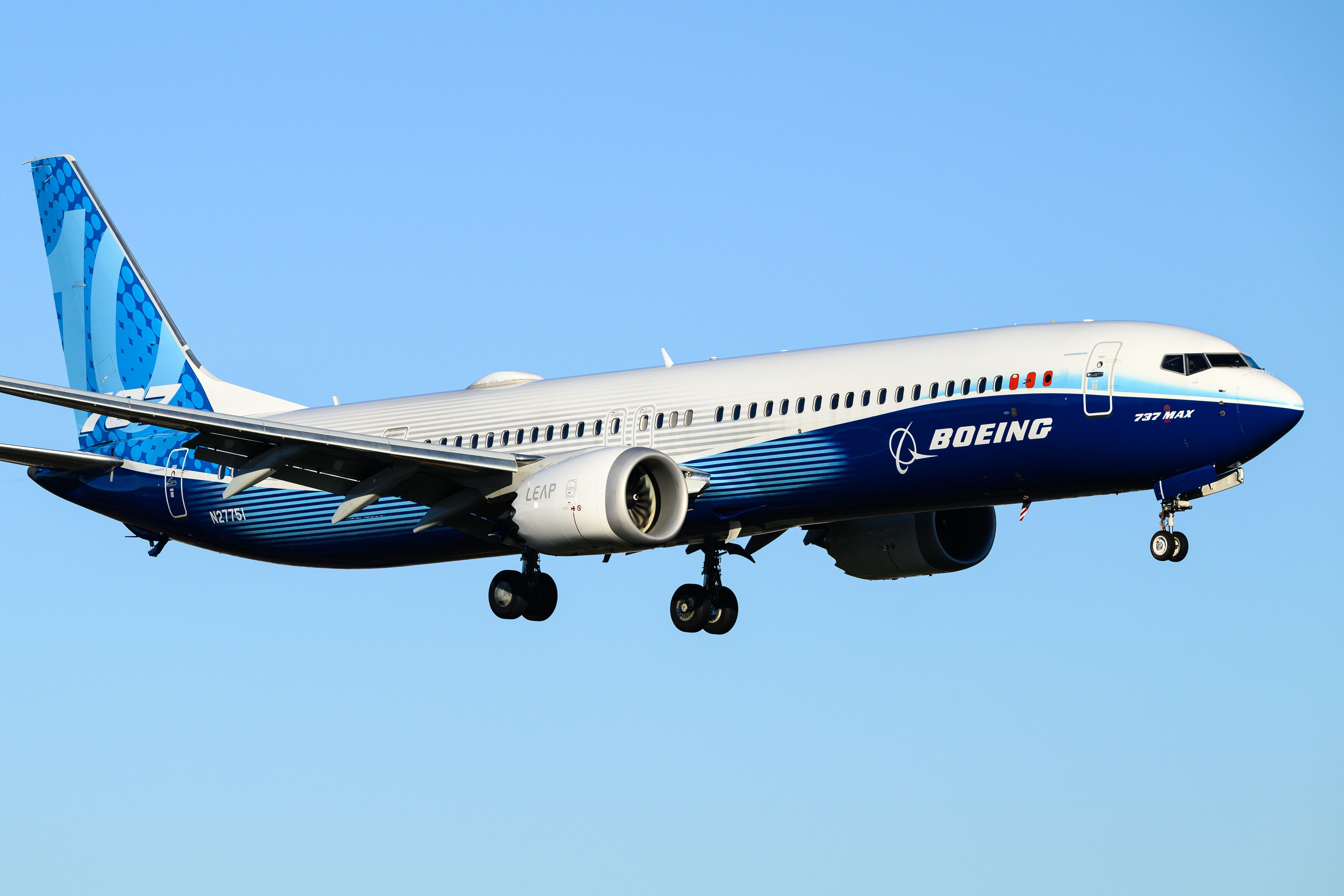
The Boeing 737-800 is the most widely operated variant of the Next Generation (NG) series of the 737 family. Designed as a stretched replacement for the 737-400, it features advanced avionics, a redesigned wing for increased fuel efficiency, and a high-bypass turbofan engine configuration. It remains a cornerstone of short-to-medium-haul commercial aviation globally, valued for its reliability, operational flexibility, and capacity.
The Genesis of the 737-800
The development of the 737-800, part of the 737 Next Generation (-600/-700/-800/-900) program, was Boeing’s strategic response to the market requirements of the 1990s. While the earlier 737 Classic series (-300/-400/-500) had been successful, the arrival of the Airbus A320 family forced a leap in technology. Boeing officially launched the 737-800 in 1994, with the first aircraft entering commercial service with Hapag-Lloyd Flug in 1998.
The primary objective was to increase passenger capacity and range compared to its predecessor, the 737-400, while lowering seat-mile costs. Engineers achieved this through a complete wing redesign, which increased the total wing area by 25% and allowed for a greater fuel capacity, effectively extending the aircraft's range and payload capabilities.
Technical Specifications and Performance
The 737-800 is engineered to balance performance with operational economics. Understanding its technical profile is essential for grasping why it remains a mainstay for legacy carriers and low-cost operators alike in 2026.
Airframe and Dimensions
The aircraft has a length of 39.5 meters (129 feet 6 inches) and a wingspan of 35.8 meters (117 feet 5 inches), or 38.0 meters (124 feet 9 inches) when equipped with the now-standard Blended Winglets. The fuselage cross-section retains the classic 737 "coke-bottle" look, though the interior benefits from the modern "Boeing Sky Interior" design introduced in later production years.
Propulsion System
Power is provided by two CFM International CFM56-7B high-bypass turbofan engines. These engines were specifically chosen for the NG series to provide better fuel burn, lower noise profiles, and reduced maintenance costs. With thrust ratings ranging from 19,500 to 27,300 pounds, the engine allows the 737-800 to operate out of "hot and high" airports while maintaining excellent short-field performance.
Flight Deck and Avionics
The 737-800 flight deck transitioned the aircraft from the analog instrumentation of the Classics to a full glass cockpit. It utilizes six large liquid crystal displays (LCDs) that provide flight, navigation, and engine data. The integration of modern flight management systems (FMS) significantly reduced pilot workload and improved precision navigation capabilities, essential for modern Required Navigation Performance (RNP) procedures.
Comparison of Boeing 737 Next Generation Variants
| Specification | 737-700 | 737-800 | 737-900ER |
|---|---|---|---|
| Typical Seating (2-Class) | 126–149 | 162–189 | 177–215 |
| Overall Length | 33.6 m | 39.5 m | 42.1 m |
| Max Takeoff Weight | 70,080 kg | 79,015 kg | 85,185 kg |
| Range (Max Pax) | 3,010 nmi | 2,935 nmi | 3,265 nmi |
Operational Versatility and Cargo Capabilities
One of the defining characteristics of the 737-800 is its versatility. Beyond its role as a passenger transport, the airframe serves as the platform for the Boeing Converted Freighter (BCF) program. Older 737-800 passenger frames are frequently stripped and converted into dedicated cargo aircraft. These freighter conversions have become vital in the e-commerce supply chain, filling the gap between smaller regional freighters and larger long-haul widebody aircraft.
In passenger service, the aircraft’s ability to perform quick turnarounds is a key economic driver. Its robust design allows for minimal ground time, enabling airlines to maximize utilization rates—a feature that made it the preferred aircraft for many low-cost carriers (LCCs) worldwide.
Safety Systems and Maintenance Standards
By 2026, the 737-800 has a mature service history spanning nearly three decades. As with all commercial aircraft, the safety of the 737-800 is managed through a rigorous maintenance schedule dictated by aviation authorities such as the FAA (Federal Aviation Administration) and EASA (European Union Aviation Safety Agency).
Routine maintenance includes "A-checks" (every 400–600 flight hours) and more comprehensive "C-checks" and "D-checks" (heavy maintenance) occurring at set intervals. Because the fleet is so large, parts availability and technical knowledge are ubiquitous, allowing operators to keep the aircraft in the air with high dispatch reliability.
Operators must also adhere to specific Airworthiness Directives (ADs) issued by regulatory bodies. These directives mandate specific inspections or modifications—such as structural fatigue checks in high-cycle environments—to ensure the structural integrity of the airframe over its intended operational life.
Navigating Challenges: Environmental and Operational Limits
While the 737-800 is a workhorse, it faces challenges in the 2026 regulatory environment. Compared to newer, re-engined aircraft like the 737 MAX or the Airbus A320neo, the 737-800 has a higher fuel burn per seat-mile and a higher noise footprint.
- Fuel Efficiency: The CFM56-7B engines, while reliable, do not reach the double-digit fuel efficiency improvements found in LEAP-family engines. Consequently, airlines with high fuel costs may prioritize newer models for long, high-frequency routes.
- Noise Abatement: Many airports globally now impose noise quotas. The 737-800 is compliant with Stage 4 and Chapter 4 noise requirements, but it can face restrictions at airports with more stringent nighttime noise curfews, unlike newer, quieter technology aircraft.
- Pilot Training: The transition between the 737-800 and the 737 MAX involves specific differences training, though the commonality is significant enough that many pilots maintain a single type rating for the entire 737 NG/MAX lineage.
Choosing the Right Aircraft: A Decision Guide for Operators
For organizations or firms looking to lease or purchase the 737-800 in the current market, several factors should be weighed.
- Cycle-to-Hour Ratio: When buying used, evaluate the airframe cycles (takeoffs and landings) versus flight hours. High-cycle aircraft may require more intensive structural inspections sooner.
- Maintenance Records: A complete and verifiable maintenance history is the most important factor in the asset’s valuation. Ensure all Service Bulletins (SBs) have been tracked and addressed.
- Winglet Configuration: Verify whether the aircraft is equipped with Blended Winglets or Split Scimitar Winglets. The latter offers a slight drag reduction and improved performance, particularly in hot-and-high conditions.
- Interior Status: The cabin condition and age of the seats/galleys significantly impact passenger satisfaction and renovation costs.
Frequently Asked Questions
Is the 737-800 still in production?
No, the 737-800 passenger version is no longer in production, having been superseded by the 737 MAX 8. Boeing continues to produce the 737-800 platform for military variants and performs factory-sanctioned cargo conversions (BCF), but new-build passenger deliveries for this specific model concluded in the early 2020s.
What is the maximum range of the 737-800?
The range of the 737-800 is approximately 2,900 to 3,000 nautical miles, depending on the configuration, weight, and winglet type. It is optimized for short-to-medium-haul routes rather than transcontinental or transoceanic flights.
How does the 737-800 compare to the A320?
The 737-800 is slightly narrower in cabin width than the Airbus A320 but is often praised for its short-field performance and mechanical robustness. The A320 generally offers a wider cabin aisle, while the 737-800 is frequently credited with faster boarding and deplaning times due to its lower floor height and integrated air stairs.
Is the 737-800 safe for travel in 2026?
Yes. The 737-800 maintains an excellent safety record. With decades of operational data, global maintenance standards, and highly experienced crews, it remains one of the safest and most reliable aircraft in history.
Can the 737-800 fly transoceanic routes?
While it has the range to perform some transoceanic crossings (such as ETOPS-compliant routes), it is rarely used for such purposes. The cabin amenities and fuel range are better suited for regional and continental flight paths where airfields are easily accessible.
Next Steps for Stakeholders
For those involved in aviation procurement or operations, the 737-800 continues to represent a sound, if aging, investment. The most effective next step is to conduct a detailed audit of the specific airframe’s records if pursuing a purchase or long-term lease. Ensure that the selected aircraft aligns with your airline's or firm's specific route profiles, focusing on the trade-offs between current acquisition costs and future fuel savings. As of 2026, the secondary market for this aircraft remains robust, providing ample opportunities for those looking to expand their fleet with a proven, reliable asset.