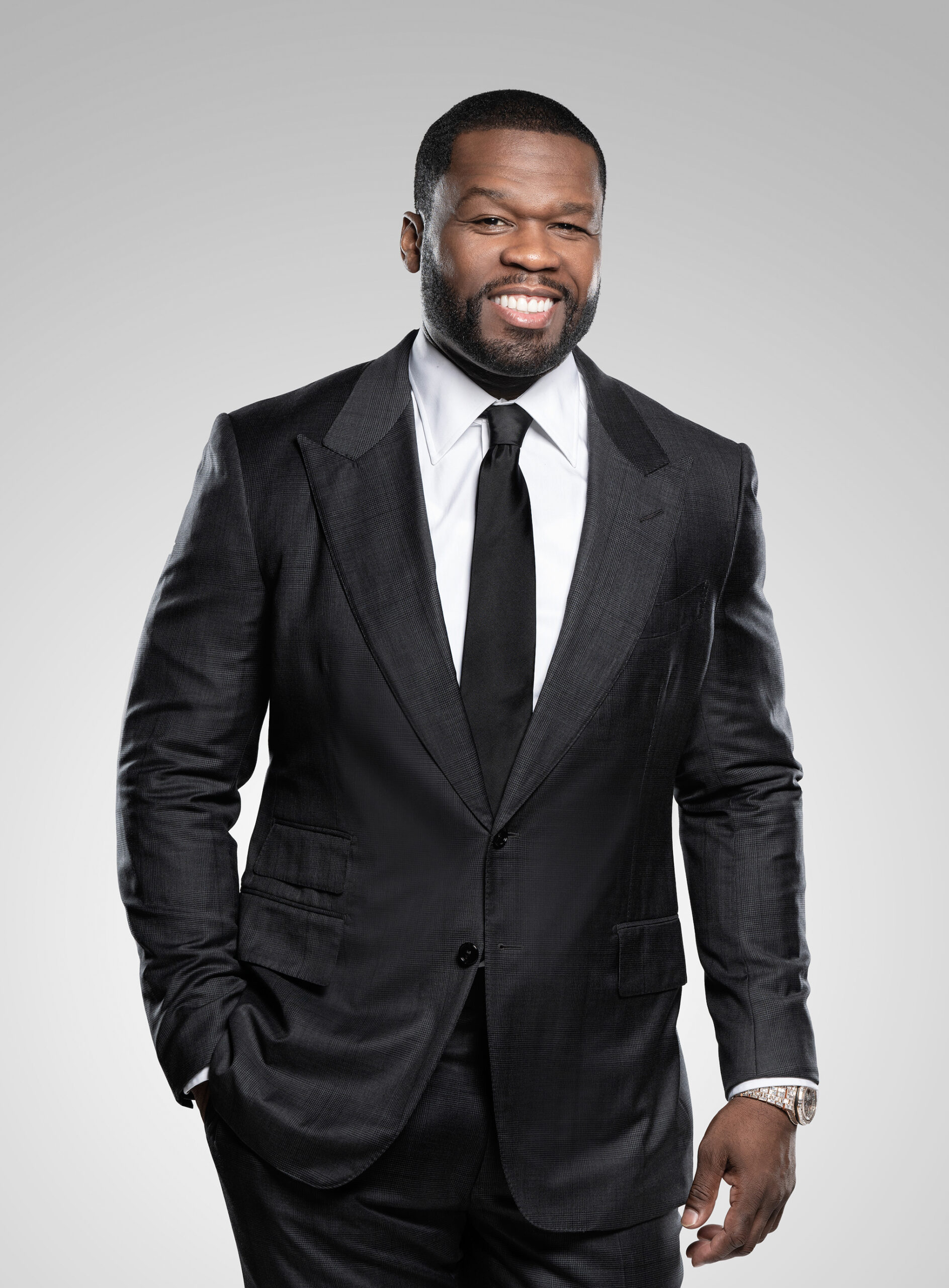
Curtis "50 Cent" Jackson is a multi-faceted mogul who transitioned from a dominant hip-hop career into a sophisticated empire spanning television production, luxury spirits, and strategic investments. By 2026, his business model—leveraging personal brand equity for high-stakes corporate partnerships and ownership—remains the gold standard for celebrity-driven entrepreneurship and diversified wealth management.
The Architectural Foundation of the G-Unit Empire
The transition of Curtis Jackson from a street-level artist to a global corporate entity was not accidental; it was a calculated move rooted in the "Get Rich or Die Tryin'" philosophy. In the early 2000s, Jackson utilized his massive musical platform to launch G-Unit Records, but he quickly realized that the music industry provided limited margins compared to consumer goods and media ownership.
His early success in music provided the "seed capital" and, more importantly, the "brand permission" to enter rooms where rappers were previously seen only as endorsers, not owners. By 2026, we see the culmination of this strategy: Jackson no longer seeks to merely be the face of a product; he seeks to own the supply chain, the distribution network, and the intellectual property (IP).
From Platinum Discs to Private Equity
Jackson’s approach to business mirrors his approach to the rap game: aggressive, data-driven, and focused on leverage. While his musical output has slowed in terms of frequency, the catalog continues to generate significant passive income through streaming and licensing. However, the true "investor" profile emerged when he began trading his likeness for equity rather than flat fees. This shift allowed him to bypass the traditional ceiling of celebrity wealth, moving from a high-earning performer to a high-net-worth asset manager.
The Vitaminwater Blueprint: A Masterclass in Equity
To understand 50 Cent the investor, one must analyze the 2007 Glaceau (Vitaminwater) deal. At a time when most artists were signing six-figure endorsement deals for soda or sneakers, Jackson negotiated a minority stake in Glaceau in exchange for his endorsement and the creation of "Formula 50."
The Mechanics of the Exit
When Coca-Cola acquired Glaceau for $4.1 billion in 2007, Jackson’s estimated take-home pay was roughly $100 million after taxes. This event was a paradigm shift for the hip-hop community. It demonstrated that:
- Equity is superior to salary: The long-term upside of ownership far outweighs the short-term liquidity of a talent fee.
- Product Integration: Jackson didn’t just mention the product; he integrated it into his lifestyle, making the consumer feel that the product was part of his success.
- Risk Mitigation: By partnering with an established startup (Glaceau) rather than launching a brand from scratch, he utilized existing infrastructure while providing the "cool factor" necessary for mass-market penetration.
In 2026, this "Vitaminwater Blueprint" is still studied in business schools as the quintessential example of "celebrity arbitrage"—using social capital to acquire financial capital.
G-Unit Film & Television: The New Media Powerhouse
As of 2026, Jackson’s primary wealth engine has shifted from the recording studio to the film studio. G-Unit Film & Television, Inc. has evolved from a small production house into a massive content factory. The success of the Power Universe on Starz changed the landscape of premium cable television.
The Power Universe and Synergy
The Power franchise (including Book II: Ghost, Raising Kanan, and Force) created a self-sustaining ecosystem. Jackson acted as an executive producer and occasional actor, but his true genius lay in the synergy between his businesses. He used Power as a primary marketing vehicle for his other ventures, such as Sire Spirits.
By 2026, his expansion into Shreveport, Louisiana, has redefined his production capabilities. By securing a long-term lease for a massive studio complex in Shreveport, Jackson has moved into the realm of "studio head." This allows him to:
- Control Production Costs: Owning or leasing the physical space reduces the overhead of filming high-budget series.
- State Tax Incentives: Operating in regions like Louisiana provides significant tax credits, increasing the net profitability of every project.
- Job Creation and Political Leverage: By becoming a major employer in a mid-sized city, Jackson gains significant influence and local government support, further stabilizing his business interests.
Sire Spirits: Mastery of the Luxury Goods Market
The beverage industry remains a cornerstone of the 50 Cent portfolio. Through Sire Spirits, Jackson launched Le Chemin du Roi (champagne) and Branson Cognac. Unlike many celebrity spirits that are white-labeled products with a logo slapped on the bottle, Jackson involved himself in the logistics and distribution.
Distribution and "The Push"
One of the most difficult hurdles in the spirits industry is "the middle tier"—the distributors who get the product onto shelves and into bars. Jackson used his relentless touring and appearance schedule to meet personally with distributors and bar owners. In 2026, Sire Spirits is recognized not just for the quality of the liquid, but for its dominant presence in sports arenas and high-end venues.
Key partnerships with professional sports teams (such as the Houston Rockets, Sacramento Kings, and Indiana Pacers) have integrated his brands into the "luxury suite" experience. This is a deliberate move to move the brand away from "urban nightlife" and toward "global luxury," which commands higher price points and more stable margins.
| Venture Category | Primary Asset | Strategic Role | Current Status (2026) |
|---|---|---|---|
| Entertainment | G-Unit Film & TV | Content creation and IP ownership. | Operating out of Shreveport; multiple series in syndication. |
| Beverages | Sire Spirits | High-margin luxury consumer goods. | Official spirits partner for multiple NBA/NFL franchises. |
| Music | G-Unit Records / Catalog | Residual income and brand legacy. | Catalog remains a top-tier streaming asset; legacy touring. |
| Real Estate | Commercial/Studio Holdings | Asset backing and tax optimization. | Significant holdings in Louisiana and New York. |
| Apparel/Audio | SMS Audio / G-Unit Brand | Historical brand licensing. | Shifted toward licensing and legacy e-commerce. |
Strategic Resilience: The 2015 Chapter 11 Reorganization
A critical part of the 50 Cent "investor" profile is his understanding of legal and financial frameworks. In 2015, Jackson filed for Chapter 11 bankruptcy. While the media portrayed this as a sign of financial ruin, it was, in reality, a strategic legal maneuver.
Reorganization as a Tool
The filing occurred shortly after a multi-million dollar judgment in a legal dispute. Chapter 11 allowed Jackson to:
- Stay the Judgments: It halted the immediate collection of massive legal fees.
- Restructure Debt: He was able to reorganize his finances while continuing his business operations.
- Transparency and Discharge: In 2017, he was discharged from bankruptcy after paying off approximately $22 million in debt ahead of schedule.
This period taught investors a valuable lesson about Jackson: he views the legal system as a business tool. His ability to emerge from bankruptcy and immediately scale his television empire to new heights proved his resilience and financial literacy. In 2026, he is often cited by financial analysts as a case study in "corporate turnaround" for individual brands.
The Shreveport Expansion: A 2026 Case Study
The most significant development in Jackson's profile in recent years is the 2024–2026 activation of the G-Unit Studios in Shreveport. This move represents a transition from "Producer" to "Industrialist."
Economic Impact and Scaling
By taking over a city-owned facility, Jackson transformed a dormant asset into a hub for film and television production in the South. This move addresses several investor concerns:
- Diversification of Geography: Reducing reliance on expensive Los Angeles and New York markets.
- Vertical Integration: By owning the studio where his shows are filmed, he captures the "rent" that would otherwise be paid to third-party stages.
- Brand Ecosystem: The studio acts as a physical manifestation of the G-Unit brand, housing post-production, marketing, and corporate offices under one roof.
For an investor, this represents a shift toward "hard assets." While music and celebrity are "soft assets" (intangible and subject to public whim), a production studio is a "hard asset" with intrinsic value in real estate and infrastructure.
Investment Philosophy: The "50 Cent" Methodology
Jackson’s investment style can be summarized by three pillars:
- High-Visibility Leverage: Use fame to drive "free" marketing (earned media) that would cost millions for a traditional brand.
- Operational Involvement: Avoid passive "check-writing" investments. Jackson typically seeks a seat at the board or a significant say in marketing and distribution.
- Aggressive Risk Management: Use debt and legal structures to protect personal assets from business liabilities.
He often targets industries with high barriers to entry—such as spirits and television production—where his "celebrity cheat code" can provide an immediate competitive advantage over incumbents who lack his reach.
Frequently Asked Questions
Is 50 Cent actually a billionaire in 2026?
While Jackson has not publicly confirmed a ten-figure net worth, his combined assets—including the Sire Spirits valuation, the G-Unit Film & TV catalog, and his real estate holdings—place him among the wealthiest individuals in the entertainment industry. His wealth is often tied up in private equity and company valuations rather than liquid cash.
How did the 2015 bankruptcy affect his long-term investments?
The 2015 filing was a reorganization, not a liquidation. It protected his core assets from legal judgments and allowed him to pay back creditors systematically. Long-term, it improved his financial discipline and led to the most profitable era of his career (the Power and Sire Spirits era).
What is the most profitable part of his business today?
As of 2026, G-Unit Film & Television is arguably his most valuable asset due to the recurring revenue from streaming licenses and the sheer volume of content produced. However, Sire Spirits provides the highest potential for a "liquidity event" (a sale or IPO).
Why did he choose Shreveport for his studio instead of Atlanta or LA?
Shreveport offered a unique combination of available infrastructure (the Millennium Studio), aggressive local government support, and lower competition compared to the saturated Atlanta market. This allowed him to be the "big fish in a small pond," gaining better terms and more control.
Does he still invest in the stock market?
Yes. Jackson has historically been an investor in blue-chip stocks and technology. He often mentions his interest in companies that have strong consumer loyalty, mirroring his own business approach.
Summary of Actionable Lessons
For those looking to emulate Jackson's success, the path is clear:
- Focus on Ownership: Transition from being a service provider to an asset owner as quickly as possible.
- Leverage Your Unique Edge: Identify the "unfair advantage" you have in a market (for Jackson, it was his 30 million+ social media followers) and exploit it.
- Don't Fear Reorganization: Understand that financial setbacks are often just structural challenges that can be solved with the right legal and accounting strategy.