Fifty Shades refers to E L James's explosive erotic romance publishing phenomenon, centering on the relationship between literature student Anastasia Steele and billionaire entrepreneur Christian Grey, which ignited a global multimedia franchise and fierce cultural debates.
The cultural footprint of Fifty Shades—comprising the trilogy Fifty Shades of Grey, Fifty Shades Darker, and Fifty Shades Freed—extends far beyond standard publishing milestones. Originally launched as independent digital fiction before securing traditional distribution, the property reshaped the publishing industry's approach to erotic romance, digital-first authors, and mainstream marketing. Examining this phenomenon requires an analytical look at its origins, literary mechanics, cinematic adaptations, merchandising ecosystem, and long-term socio-cultural legacy.
Origins and the Fan-Fiction Genesis
Understanding the rise of Fifty Shades requires tracing its path from digital platforms to physical bookstores. The narrative began as unauthorized fan fiction based on Stephenie Meyer’s Twilight series, published online under the pseudonym Snowqueens Icedragon.
From Master of the Universe to Original Publishing
The original serial, titled Master of the Universe, featured characters named Bella Swan and Edward Cullen placed in contemporary, adult situations. The work gained a dedicated following on fan-fiction archives through serialized chapter releases.
- Digital Serialization: Authors built communities by releasing chapters weekly, responding directly to reader comments in author notes.
- Filing Off the Serial Numbers: To prepare for commercial publication, the author removed all Twilight references, renaming the protagonists Anastasia Steele and Christian Grey.
- Virtual Book Tour and Independent Press: The revised manuscript was initially picked up by The Writers Coffee Shop, a virtual publisher based in Australia, before Vintage Books acquired mass-market publishing rights in 2012.
This transition from amateur digital spaces to traditional publishing paved the way for a new wave of authors transitioning from fan fiction to commercial success, permanently altering how publishers scout emerging digital trends.
Literary Structure and Narrative Mechanics
The core appeal of the Fifty Shades trilogy lies in its specific blend of romance tropes, power dynamics, and explicit content. The narrative relies heavily on classic genre conventions combined with elements of BDSM (bondage, discipline, dominance, submission, sadism, and masochism).
Character Architecture and Tropes
The central dynamic features an inexperienced, relatable protagonist paired with a wealthy, emotionally wounded, and controlling partner.
- Anastasia Steele: Functions as an audience surrogate—curious, morally grounded, and initially naive about elite subcultures. Her internal monologue serves as the primary lens for interpreting Christian's motivations.
- Christian Grey: Embodies the classic "fixable billionaire" archetype. His controlling tendencies stem from childhood trauma, giving Ana a psychological rationale for entering his world and attempting to heal him through affection.
The Contractual Romance
A defining element of the narrative is the negotiation of a formal BDSM contract. This document outlines safe words, limits, lifestyle rules, and behavioral expectations. While controversial among practitioners of real-world kink for its lack of realism and depiction of consent, the contract serves as a structural device that drives the emotional conflict between the characters as Ana pushes boundaries and demands emotional vulnerability.
| Book Title | Publication Year | Primary Plot Focus | Key Conflict |
|---|---|---|---|
| Fifty Shades of Grey | 2012 | Introduction, contract negotiation, and escalating romance. | Navigating physical boundaries and emotional detachment. |
| Fifty Shades Darker | 2012 | Reconciliation, shifting power dynamics, and external threats. | Confronting figures from Christian's past and securing commitment. |
| Fifty Shades Freed | 2012 | Marriage, domestic life, kidnapping, and psychological resolution. | Balancing security, family, and past trauma. |
Cinematic Adaptation and Multimedia Expansion
The commercial success of the books inevitably led to multi-million-dollar film adaptations produced by Universal Pictures and Focus Features. The transition from page to screen involved significant creative negotiations, particularly regarding censorship, ratings, and artistic vision.
The Film Trilogy
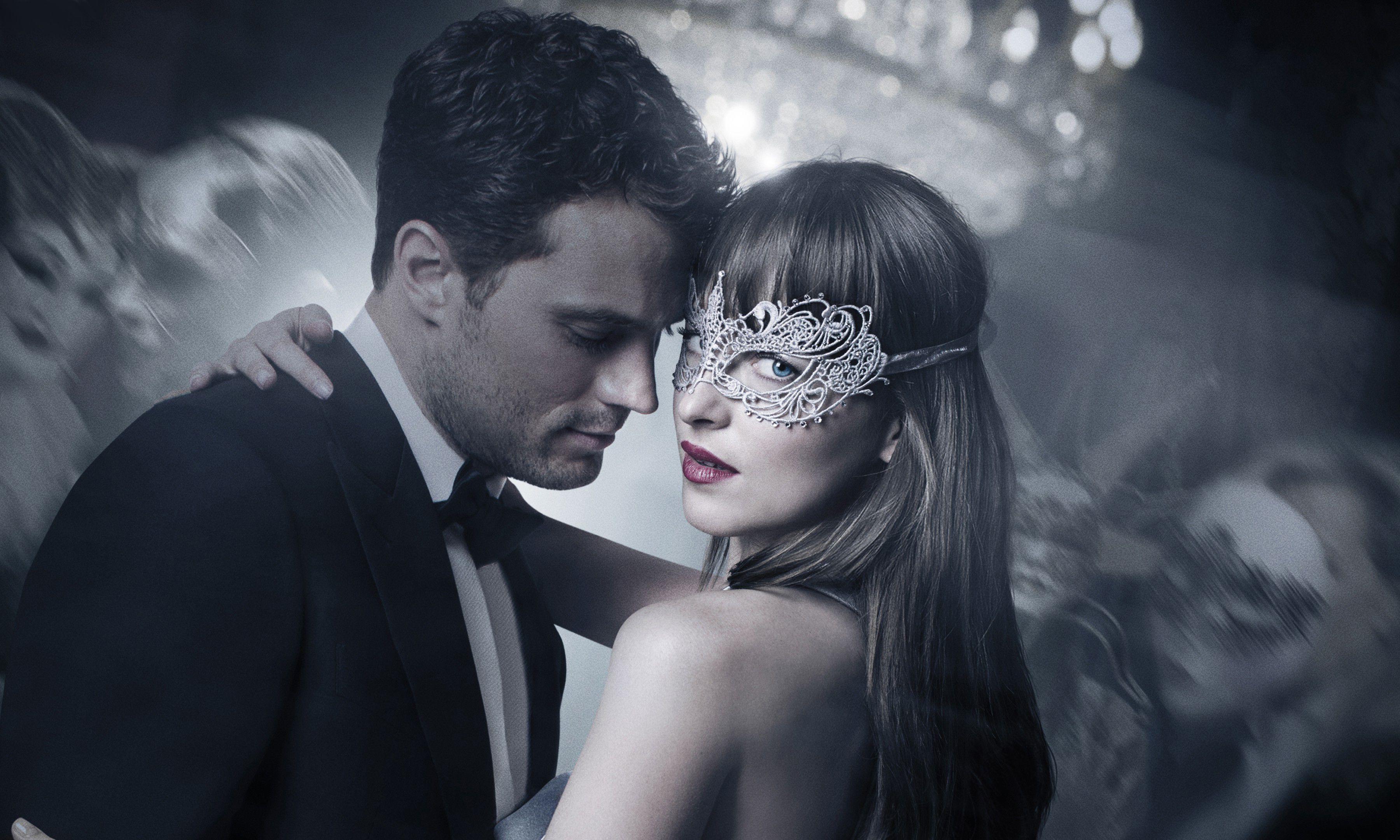
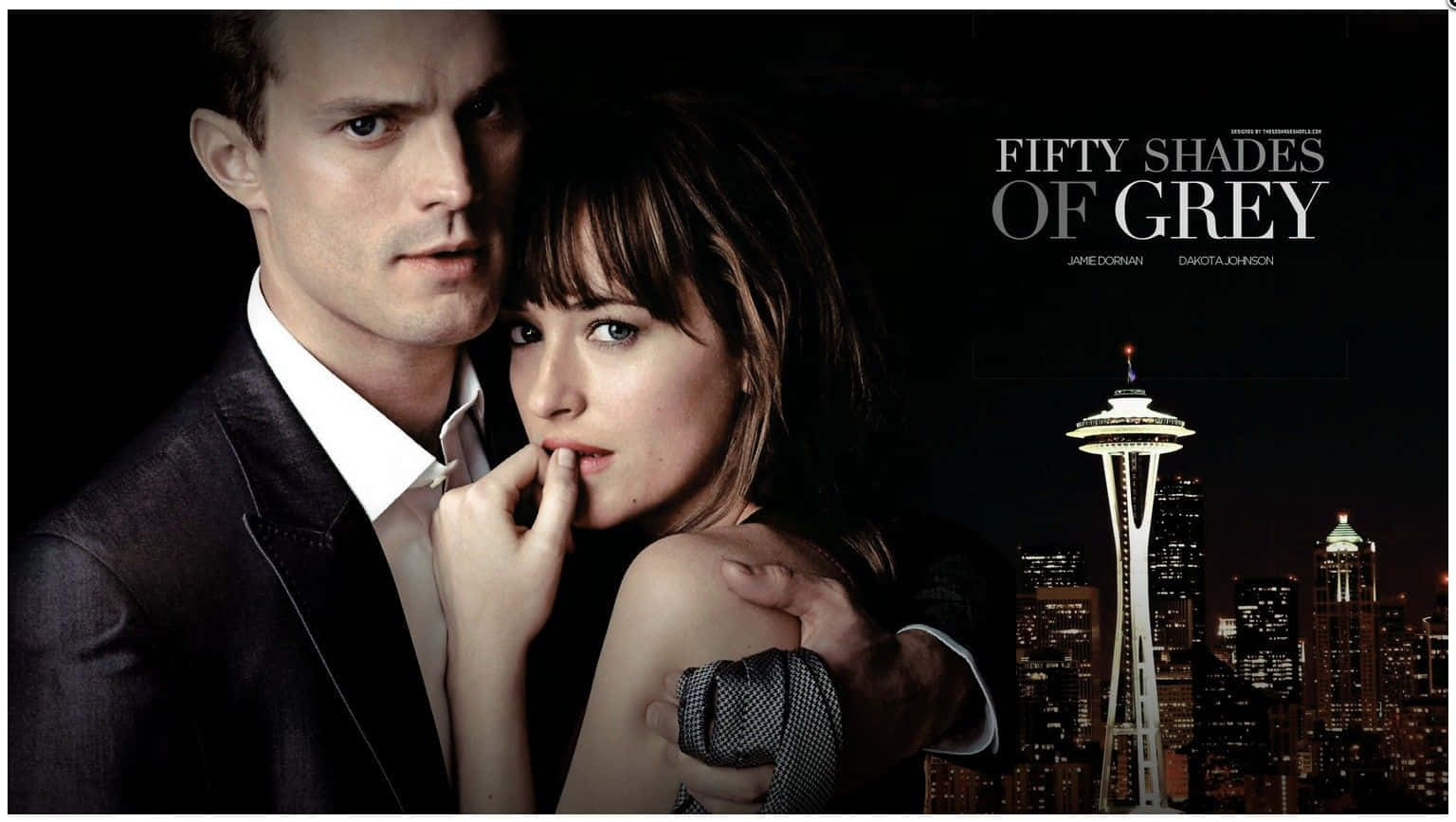
Directed by different filmmakers across its run, the movie adaptations starred Dakota Johnson as Anastasia Steele and Jamie Dornan as Christian Grey.
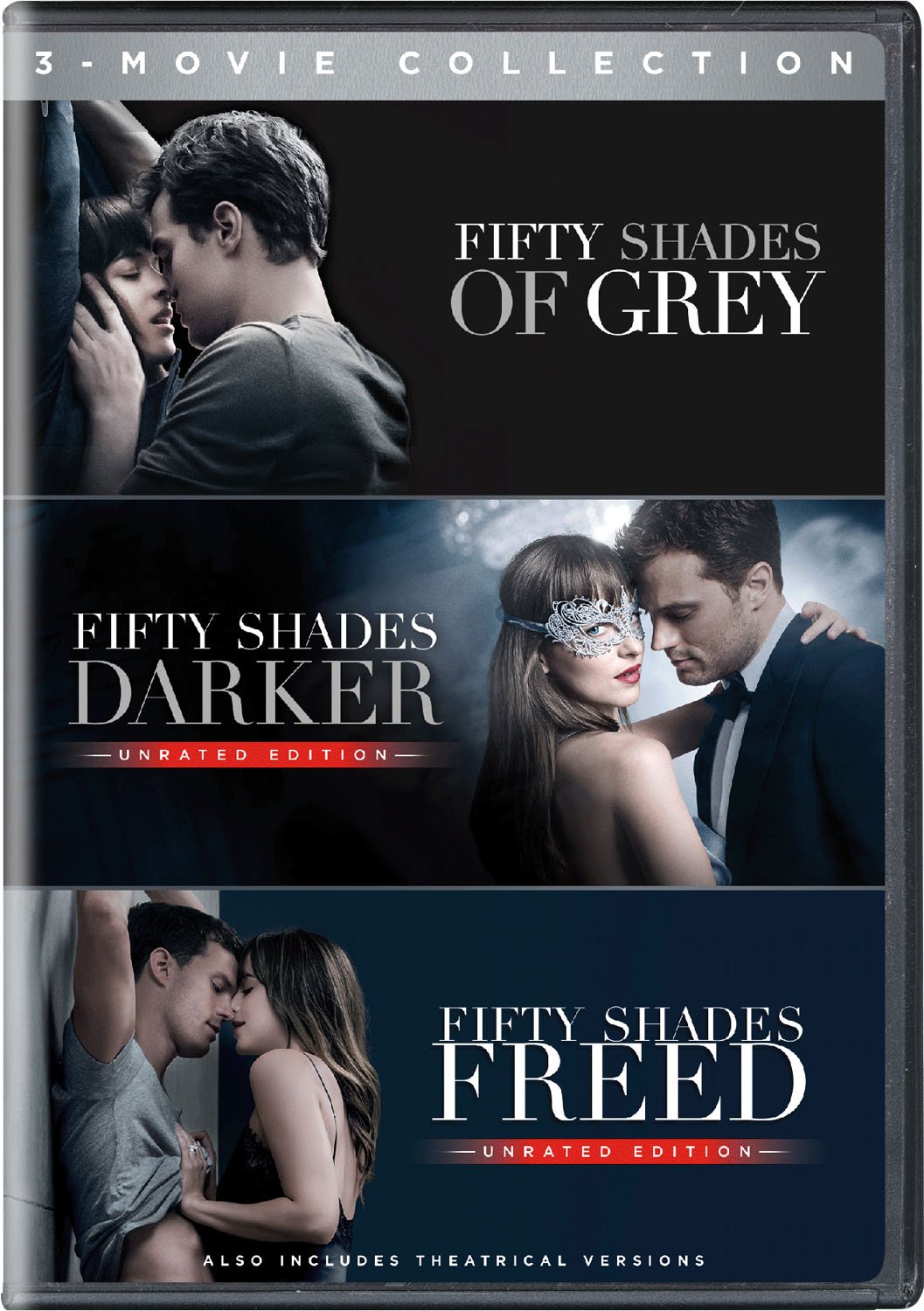
- Fifty Shades of Grey (2015): Directed by Sam Taylor-Johnson, the first film focused heavily on the aesthetic styling of Christian's penthouse and the Red Room of Pain. Despite mixed critical reception, it grossed over $500 million worldwide.
- Fifty Shades Darker (2017) and Fifty Shades Freed (2018): Directed by James Foley, these two sequels were filmed back-to-back. They leaned further into thriller elements, incorporating stalkers, corporate espionage, and domestic adjustments.
Soundtrack and Merchandising
The franchise pioneered a cross-promotional multimedia strategy. The film soundtracks featured high-profile artists like Beyoncé, The Weeknd, and Ellie Goulding, with several tracks achieving chart-topping status. Beyond film and print, the brand expanded into licensed merchandise, including beauty products, apparel, home goods, and adult novelty lines marketed directly to mainstream retail consumers.
Cultural Reception, Controversy, and Societal Impact
The cultural footprint of Fifty Shades is marked by intense polarization. Supporters and detractors engaged in widespread public debate regarding its literary merits, representation of relationships, and impact on societal perceptions of female sexuality.
Critiques from Kink and Feminist Communities
- Representation of BDSM: Representatives of real-world BDSM communities frequently criticized the books for conflating abusive, controlling behavior with ethical kink practice. Critics argued that Christian's surveillance and emotional manipulation blurred lines that actual practitioners manage through strict communication and consent frameworks.
- Literary Quality: Reviewers frequently targeted the prose, repetitive dialogue, and inner monologue structure, making the books a frequent target for parody and satirical commentary.
Positive Cultural Shifts
Conversely, many cultural analysts and readers defended the work for validating female sexual desire and destigmatizing the exploration of pleasure outside traditional marriage structures. The phenomenon proved that adult romance targeted primarily at women could achieve unprecedented global sales numbers, encouraging publishing houses to invest more heavily in women-authored romance fiction.
Frequently Asked Questions
What is the correct reading order for the Fifty Shades series?
The core trilogy should be read in publication order: Fifty Shades of Grey, followed by Fifty Shades Darker, and concluding with Fifty Shades Freed. Additionally, E L James released companion novels—Grey, Darker, and Freed—which retell the original events from Christian Grey’s perspective.
Are the Fifty Shades books appropriate for teenagers?
No. The books contain explicit sexual content, depictions of BDSM practices, and mature themes involving psychological trauma, emotional abuse, and adult relationships. They are marketed explicitly to adult audiences.
Did Fifty Shades of Grey start as a Twilight fan fiction?
Yes. The story originated online as an unauthorized Twilight fan-fiction serial titled Master of the Universe. The author revised the character names, settings, and identifying traits before seeking commercial publication.
How did the books impact the publishing industry?
The series triggered a surge in digital self-publishing and demonstrated the massive commercial viability of e-book platforms. It also led traditional publishers to actively acquire titles from digital romance platforms and fan-fiction communities.
Conclusion and Next Steps
Analyzing Fifty Shades requires looking past polarized reactions to recognize its role as a pivotal modern pop-culture artifact. Whether examined through the lens of digital publishing trends, romantic trope evolution, or multi-platform commercial marketing, the franchise fundamentally shifted the relationship between online fandoms and traditional media industries. For readers and researchers exploring modern romantic fiction, examining the companion novels or studying the evolution of digital serial publishing offers deeper context into how contemporary blockbusters are built.