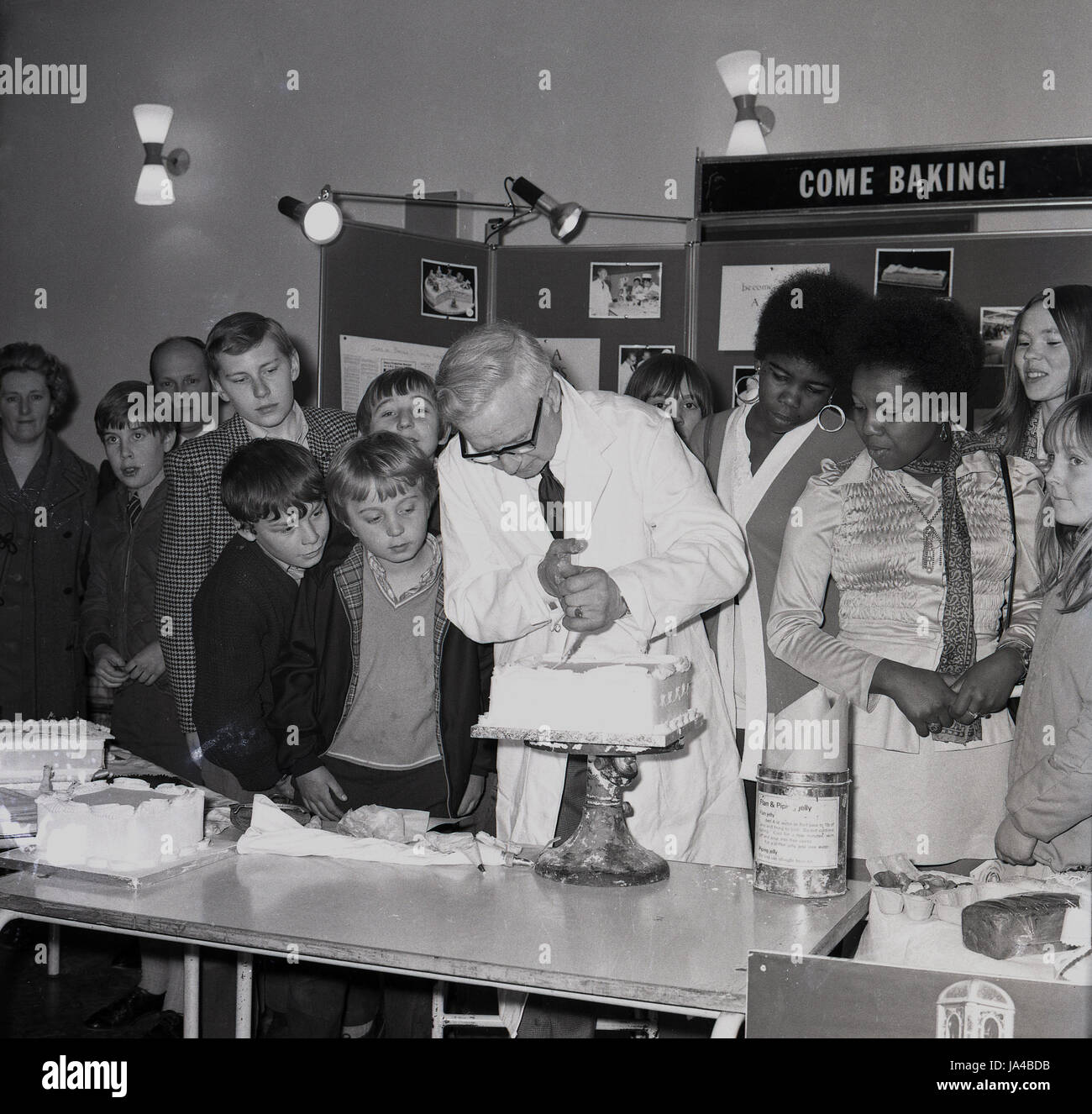
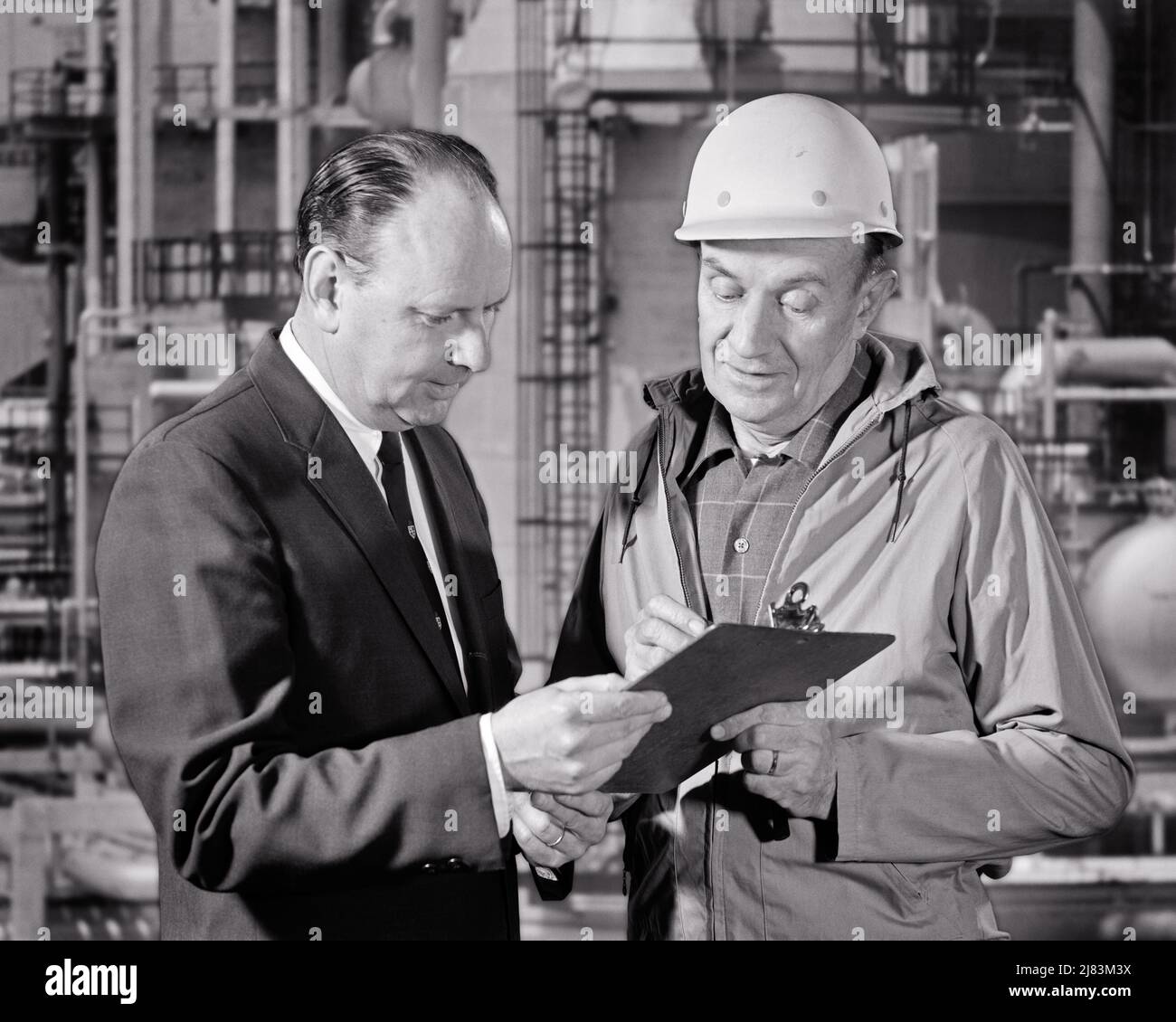
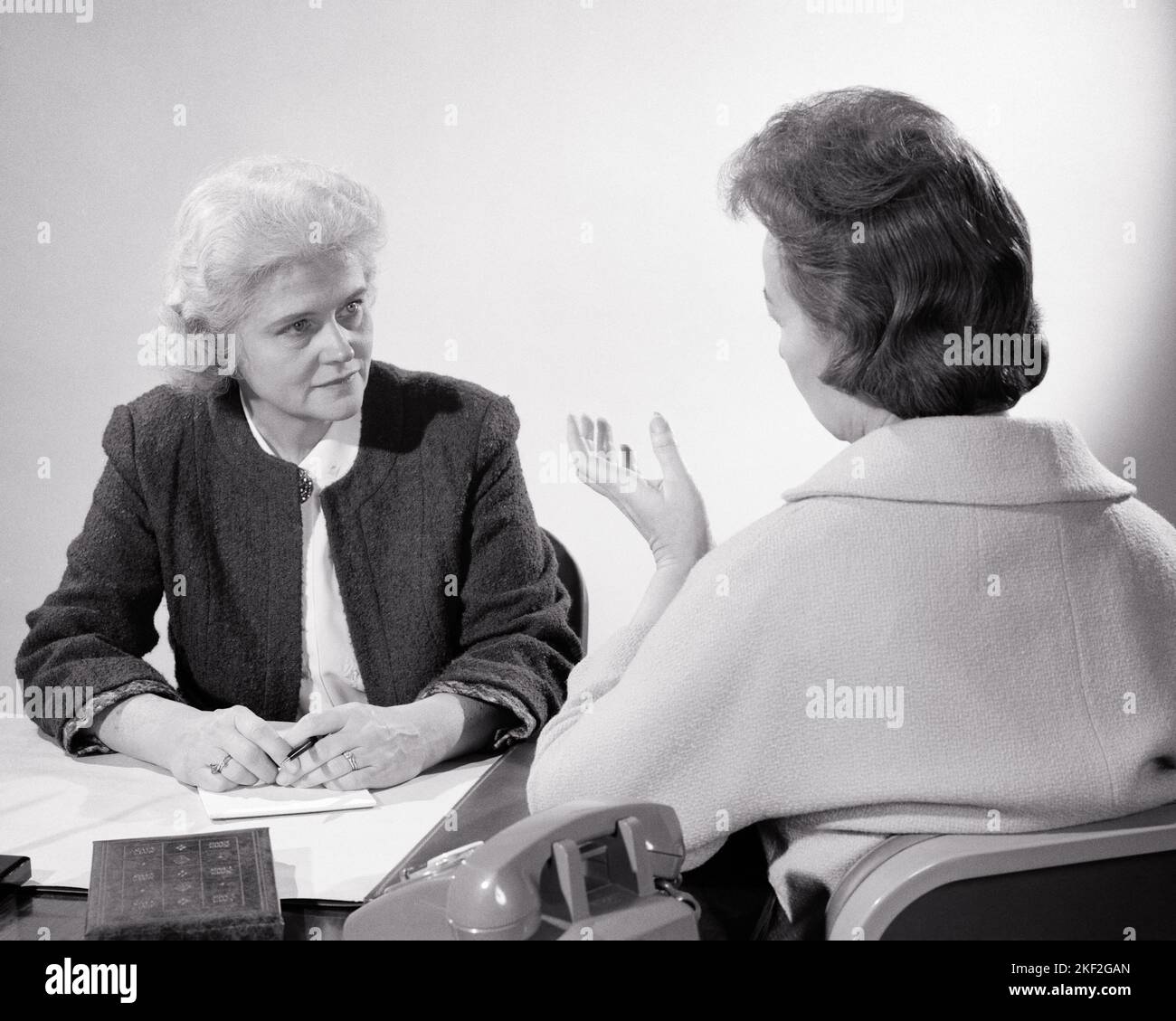
The professional landscape of the 1960s was defined by a transition from post-war industrial manufacturing toward an increasingly service-oriented and administrative economy. This era saw the rapid expansion of the middle class, the solidification of corporate bureaucracy, and the initial integration of automation into office environments, providing a structured, often lifelong, career path for millions of workers in North America and Western Europe.
The Structural Foundation of the 1960s Workforce
To understand careers in the 1960s, one must first recognize the influence of the "Company Man" era. For many, the objective was stability. Employment was rarely viewed as a series of short-term "gigs" but rather as a multi-decade commitment to a single organization. Large corporations—such as IBM, General Motors, and AT&T—functioned as pillars of social security, providing not just a paycheck but pensions, health insurance, and internal promotion ladders that rewarded loyalty and seniority above almost all other metrics.
The labor market was characterized by a distinct demographic segmentation. While men dominated roles in heavy industry, mid-level management, and specialized technical fields, women were largely funneled into clerical, secretarial, teaching, and nursing positions. This gendered stratification of the workplace was not merely a social norm; it was reinforced by institutional practices, including explicit policies regarding marriage (the "marriage bar," which saw many women terminated upon marriage) and disparate pay scales for identical roles.
Major Career Segments and Evolution
The 1960s saw several industries reach their peak, while others began the technical metamorphosis that would define the late 20th century.
Industrial and Manufacturing Sectors
Manufacturing remained the backbone of the economy. Careers in the steel mills, automotive assembly plants, and chemical production facilities were highly sought after due to the strength of labor unions. A worker could enter these fields with a high school diploma and, through collective bargaining agreements, secure a standard of living that allowed for home ownership and a middle-class lifestyle. These roles were physically demanding and relied on rigid shifts, but they offered a clear, predictable trajectory of advancement.
The Rise of the Administrative Class
The 1960s marked the explosion of the "white-collar" worker. As corporations expanded, the demand for middle managers, accountants, and office administrators surged. This was the era of the mainframe computer—large, room-sized machines like the IBM System/360. This innovation gave birth to the earliest iterations of the IT career path. Those who could program in COBOL or operate punch-card systems found themselves at the cutting edge of professional development, though these roles were initially shielded behind complex entry barriers and specialized training programs managed by the manufacturers themselves.
Professional Services and Healthcare
Nursing and teaching remained the primary professional avenues for women. These careers were considered "vocational" in a moral sense, often requiring specific certifications rather than generalized university degrees. Medicine and law, by contrast, remained heavily male-dominated, with rigid quotas in place at many universities that limited the entry of women and minorities into these high-prestige, high-earning fields.
Comparison of Workplace Dynamics
The following table outlines the key differences in how roles were structured across different sectors during the 1960s.
| Career Sector | Primary Entry Requirement | Typical Advancement Path | Employment Tenure |
|---|---|---|---|
| Manufacturing | High School Diploma/Apprenticeship | Seniority-based promotion | Lifetime |
| Corporate/Admin | College Degree/Secretarial School | Internal management tracks | Long-term |
| Technical/IT | Specialized proprietary training | Technical lead/Systems analyst | Long-term |
| Education/Nursing | State Certification | Salary step-increments | Lifetime |
Prerequisites and Entry Requirements
Entry into a 1960s career was often more focused on "soft skills" and institutional fit than the modern obsession with transferable skills.
- The Resume/Application: Unlike the digital CVs of today, applications were heavily paper-based and often included personal details such as age, marital status, and even religion. Character references held significant weight; employers prioritized candidates who were vetted by existing employees.
- Education: While a university degree was increasingly valued for management roles, many high-level corporate positions still accepted candidates who possessed strong organizational skills and a willingness to work their way up from the mailroom or entry-level clerk desk.
- Apprenticeships: In the trade and manufacturing sectors, the apprenticeship model was the gold standard. A worker would commit years to learning a craft under a journeyman, ensuring a high level of technical competency that served as the primary qualification for the remainder of their career.
Social Limitations and Institutional Barriers
It is impossible to discuss 1960s careers without addressing the systemic limitations that defined the era. The Civil Rights Act of 1964 was a watershed moment, yet the transition to a more equitable workplace was slow and met with significant resistance. Legal segregation and "glass ceilings" were pervasive. Many professional organizations, law firms, and medical boards effectively excluded Black Americans and other minority groups from advancement.
For women, the career ceiling was often literal. The workplace culture of the 1960s operated on the assumption that a woman’s professional career was a temporary phase between graduation and marriage. This led to a lack of investment in female leadership development, which forced women to navigate "pink-collar" ghettos—roles that were culturally associated with women and were consistently undervalued in terms of both salary and status.
Technological Shifts and Their Impact
The introduction of new technology in the 1960s changed the nature of professional tasks. The electric typewriter, the dictaphone, and the xerographic copier replaced manual processes, increasing the speed of office output. This did not necessarily lead to "efficiency" as we define it in 2026, but rather to an increase in the volume of documentation. Careers that existed solely to manage physical files—such as clerks, librarians, and record keepers—were at their numerical zenith in this decade.
As the decade progressed, the aerospace industry, spurred by the Space Race, created an entirely new category of high-stakes, highly technical careers. Engineers, physicists, and mathematicians were suddenly in unprecedented demand, shifting the prestige of the workforce toward the STEM fields and away from the purely management-focused roles that had dominated the post-WWII decade.
Challenges and Common Professional Pitfalls
Workers in the 1960s faced distinct professional hurdles. The lack of workforce mobility meant that an employee who was unhappy in their role or at odds with their manager had very little recourse. "Job hopping" was viewed with extreme suspicion by human resources departments and could effectively end a person's prospects for future management roles.
Furthermore, health and safety regulations were in their infancy. The Occupational Safety and Health Act (OSHA) was not passed until 1970. Throughout the 1960s, workers in manufacturing and industrial settings were exposed to hazardous chemicals, loud noise, and unsafe machinery with minimal federal oversight. A career in these fields often came with long-term, unmitigated health risks that were only recognized decades later.
Frequently Asked Questions
1. Was it common to change careers frequently in the 1960s? No. Career longevity was the norm. Employers rewarded tenure with seniority bonuses and pension eligibility, and the social stigma associated with changing jobs was significant.
2. How did people find jobs before the internet? Job hunting relied on newspaper classified advertisements, local employment agencies, and personal referrals. Building a professional network was a strictly local or industry-specific activity conducted through physical associations.
3. What were the most prestigious careers in the 1960s? Medicine, law, and corporate executive management were considered the pinnacle of career achievement, generally limited to white men with university education.
4. How did the 1960s affect the role of women in the workforce? While the decade remained restrictive, the social movements of the mid-to-late 1960s began to challenge the traditional barriers to entry for women in higher education and professional fields, laying the groundwork for the structural changes of the 1970s.
5. What is the difference between a 1960s office and a 2026 office? Beyond the obvious lack of digital connectivity, the 1960s office was a hierarchical, document-heavy environment. Everything from communication to data processing was mediated through paper, physical filing systems, and in-person hierarchical reporting structures.
Practical Next Steps for Researchers
If you are analyzing 1960s career data for historical research, begin by consulting archived census records and labor department publications from the era. These documents provide the most accurate view of employment distribution and wage structures. Furthermore, regional trade union records can offer deeper insight into the day-to-day requirements and limitations of industrial-era professions. Always cross-reference statistical claims with the specific jurisdictional context of the period to account for the disparity in labor laws between different states and countries.