Justin Timberlake’s investment portfolio and business ventures represent a strategic blend of lifestyle branding, hospitality, and sophisticated venture capital. While Southern Hospitality anchored his early foray into the restaurant industry, his broader portfolio includes high-stakes tech acquisitions like MySpace, a successful $1.7 billion exit with Bai Brands, and a massive 2022 music catalog sale.
The Southern Hospitality Blueprint: Memphis Roots in Manhattan
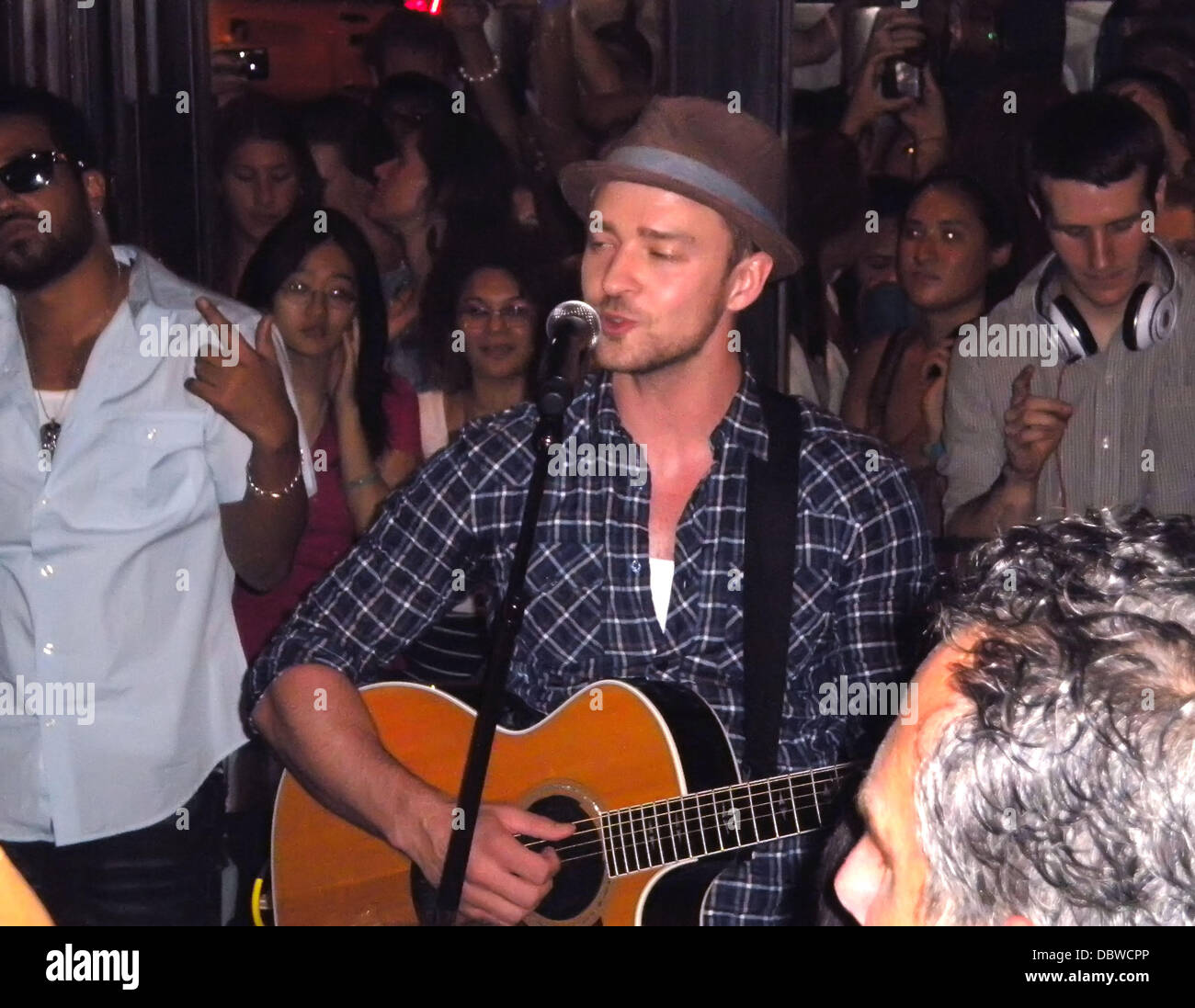
When Justin Timberlake co-founded Southern Hospitality in 2007, it was more than a mere celebrity vanity project; it was an attempt to export the authentic flavors of his Memphis upbringing to the heart of New York City. Partnering with Eytan Sugarman and long-time friend Trace Ayala, Timberlake sought to fill a niche in the Manhattan dining scene that combined high-energy social atmosphere with traditional "low and slow" barbecue.
The flagship location in Hell’s Kitchen became a focal point for the brand’s identity. Unlike many celebrity-backed restaurants that rely solely on the founder's name, Southern Hospitality focused on a specific culinary niche: ribs, pulled pork, and Southern-inspired cocktails. This venture allowed Timberlake to bridge the gap between his personal brand as a "Southern gentleman" and his professional aspirations as a diversified entrepreneur.
As of 2026, the legacy of Southern Hospitality serves as a case study in celebrity restaurant management. The brand faced the typical challenges of the New York hospitality industry, including high overhead, labor disputes, and the need for constant reinvention. However, it successfully spawned a secondary location and solidified Timberlake’s reputation as an investor willing to put capital into brick-and-mortar businesses that reflected his personal heritage. The "Southern Hospitality" ethos—combining warmth, comfort food, and high-end service—remains a recurring theme in his later lifestyle ventures.
Tech Disruptor: The MySpace Acquisition and Digital Strategy
In 2011, Justin Timberlake made headlines by joining an investment group led by Specific Media to purchase the social networking pioneer MySpace from News Corp for $35 million. At the time, MySpace was widely considered a fading relic of the early internet, having been eclipsed by Facebook. Timberlake’s involvement was not just financial; he took an active creative role in reimagining the platform as a hub for artists and music discovery.
The "New MySpace," launched shortly after the acquisition, focused heavily on a visually driven interface and integrated music streaming. Timberlake’s goal was to solve a problem he saw within the industry: the disconnect between musicians and their fanbases on generic social platforms. He envisioned a space where the creative process was front and center.
While MySpace did not regain its status as the world’s dominant social network, the investment demonstrated Timberlake’s foresight regarding the "creator economy." He recognized early that the future of digital media lay in the hands of the artists themselves. This venture also introduced him to the world of Silicon Valley-style venture capital, paving the way for his involvement in other tech-adjacent startups such as Stance and the financial technology firm Afterpay.
Beverage Empires: From Sauza 901 to the Bai Brands Exit
One of the most lucrative segments of the Justin Timberlake investment portfolio is the beverage industry. His approach in this sector followed a two-pronged strategy: launching a premium craft brand from the ground up and acting as a strategic equity partner in high-growth startups.
In 2009, Timberlake launched 901 Tequila, named after the area code of his hometown, Memphis. The brand was positioned in the super-premium category, emphasizing a triple-distillation process. By 2014, Timberlake secured a major partnership with Beam Suntory, rebranding the spirit as Sauza 901. This move provided the distribution muscle and global reach that a boutique brand could not achieve independently, allowing Timberlake to maintain creative control while leveraging the infrastructure of a global spirits giant.
However, his most significant financial win in the beverage space came through his partnership with Bai Brands. Joining as an investor and "Chief Flavor Officer," Timberlake helped the antioxidant-infused beverage company scale rapidly through high-profile marketing campaigns and product development input. In 2016, Dr Pepper Snapple Group acquired Bai Brands for $1.7 billion. This exit marked a turning point in Timberlake’s career, proving that his involvement could materially impact a company’s valuation and attractiveness to institutional buyers.
Fashion and Apparel: The Evolution of William Rast and Stance
Long before "athleisure" became a dominant market force, Justin Timberlake and Trace Ayala founded William Rast in 2005. The brand—named after their grandfathers—focused on what they termed "New Americana": a mixture of rugged Southern style and modern Hollywood tailoring. William Rast successfully navigated the transition from a niche denim brand to a full-scale lifestyle label available in major department stores like Nordstrom and Macy’s.
Beyond his own label, Timberlake has been a key investor in Stance, the sock and apparel company that revolutionized a previously stagnant category. Stance’s strategy involved turning a basic commodity (socks) into a high-fashion accessory and a canvas for artist collaborations. Timberlake’s involvement helped the brand secure its position within the entertainment and sports worlds, leading to lucrative partnerships with the NBA and Rihanna.
The success of these apparel ventures stems from Timberlake’s understanding of brand "stickiness." He tends to invest in products that have a high frequency of use and a strong emotional connection with the consumer, rather than fleeting trends.
Music Rights and Financial Liquidity: The $100 Million Hipgnosis Deal
In 2022, Justin Timberlake followed a growing trend among elite musicians by selling his entire song catalog to Hipgnosis Song Management. The deal, estimated to be worth approximately $100 million, included his interests in hits like "Cry Me a River," "SexyBack," and "Can't Stop the Feeling!"
From a financial planning perspective, this move represented a significant diversification of his assets. By selling his catalog, Timberlake converted future royalty streams into immediate, liquid capital. In the economic climate of the mid-2020s, this provided him with the "dry powder" necessary to pursue larger-scale private equity and venture capital opportunities during market downturns.
The Hipgnosis deal also reflected the changing valuation of intellectual property. As streaming platforms became the primary mode of music consumption, catalogs from the early 2000s became highly stable, income-generating assets. For Timberlake, exiting at the peak of this valuation cycle was a sophisticated move that separated his creative output from his long-term wealth management strategy.
Sustainable Ventures: Mirimichi and Bowery Farming
Timberlake’s portfolio also includes a notable commitment to sustainability and "green" technology. One of his most personal projects was the redevelopment of Mirimichi, a golf course in Millington, Tennessee. He invested millions to transform the property into the first golf course in America to receive the Green Globe certification, emphasizing eco-friendly irrigation, native landscaping, and chemical-free maintenance.
In the technology sector, Timberlake participated in a $300 million funding round for Bowery Farming, the largest vertical farming company in the United States. Bowery uses robotics and AI to grow produce in indoor environments that use 95% less water than traditional farming. This investment aligns with a broader shift in his portfolio toward ESG (Environmental, Social, and Governance) principles, focusing on companies that solve resource scarcity issues through technological innovation.
Comparative Overview of Key Business Ventures
The following table outlines the diversity of Justin Timberlake’s business interests, showing the transition from early lifestyle brands to massive corporate exits.
| Venture Name | Primary Sector | Role | Notable Milestone/Outcome |
|---|---|---|---|
| Southern Hospitality | Hospitality/F&B | Co-Founder | Established BBQ authority in NYC |
| William Rast | Fashion | Co-Founder | "New Americana" brand legacy |
| MySpace | Tech/Social Media | Strategic Investor | Rebranded for the creator economy |
| Sauza 901 | Spirits | Founder/Partner | Strategic partnership with Beam Suntory |
| Bai Brands | Beverage | Investor/Officer | Sold to Dr Pepper Snapple for $1.7B |
| Stance | Apparel | Investor | Disrupted the premium sock market |
| Bowery Farming | AgTech | Series C Investor | Leader in sustainable indoor agriculture |
| Hipgnosis Sale | Music Rights | Seller | $100M+ exit of intellectual property |
Strategic Analysis: The "Timberlake Model" of Investing
The "Timberlake Model" is characterized by three distinct pillars:
- Direct Authenticity: He rarely invests in products he does not personally use or understand. Whether it is Memphis BBQ, denim, or golf, the ventures are extensions of his personal lifestyle.
- Creative Equity: Unlike many celebrities who simply license their names, Timberlake often takes titles like "Chief Flavor Officer" or "Creative Director," contributing to the actual product development and brand voice.
- The Institutional Exit: His most successful plays involve taking a mid-sized brand and positioning it for acquisition by a massive conglomerate (e.g., Bai to Dr Pepper, 901 to Beam Suntory).
As of 2026, Timberlake's business profile has shifted from "celebrity owner" to "institutional-grade venture capitalist." His ability to identify consumer shifts—such as the move toward healthy beverages or the premiumization of basic apparel—has allowed him to build a net worth that is increasingly decoupled from his touring and acting income.
Frequently Asked Questions
Is Justin Timberlake still involved with Southern Hospitality?
While Timberlake was a founding partner and remains closely associated with the brand's identity, day-to-day operations have historically been handled by his partners, Eytan Sugarman and Trace Ayala. The brand has evolved significantly since its 2007 debut, shifting locations and business models to adapt to the changing New York culinary landscape.
Was the MySpace investment considered a failure?
Financially, the MySpace investment is often viewed as a "mixed" outcome. While it did not return the platform to its former glory, it provided Specific Media (and Timberlake) with a massive amount of user data and a platform for experimental media marketing. It also served as Timberlake's entry point into the high-tech investment world.
How much did Justin Timberlake make from the Bai Brands sale?
While the exact personal payout for Timberlake was not publicly disclosed, the company sold for $1.7 billion. As a significant equity holder and the face of the brand's marketing efforts, his payout is estimated by industry analysts to have been in the high eight or low nine-figure range.
Why did he sell his music catalog to Hipgnosis?
The sale of his catalog in 2022 was primarily a liquidity move. It allowed Timberlake to de-risk his assets by moving away from the fluctuations of royalty payments and into a large lump-sum payment. This is a common strategy for "legacy" artists looking to fund new business ventures or secure their estate.
Does Justin Timberlake own a golf course?
He previously owned Mirimichi in Tennessee. He invested heavily in making it a world-class sustainable course. While he eventually sold his majority stake to focus on other ventures, the course remains a testament to his interest in sustainable land development and environmental conservation.
Practical Recommendations for Aspiring Investors
For those looking to emulate the success of the Justin Timberlake investment portfolio, the primary takeaway is the importance of niche expertise and strategic partnerships. Timberlake rarely enters a market alone; he identifies industry veterans—like Eytan Sugarman in hospitality or the leadership at Specific Media in tech—to handle operational complexities while he provides brand vision and capital.
Investors should consider looking for "undervalued" categories (like socks or antioxidant water) that can be revitalized through better branding and distribution. Furthermore, the 2022 catalog sale serves as a reminder that timing the market is crucial; converting intellectual property into liquid assets when valuations are at a peak can provide the necessary capital for the next generation of business ventures.