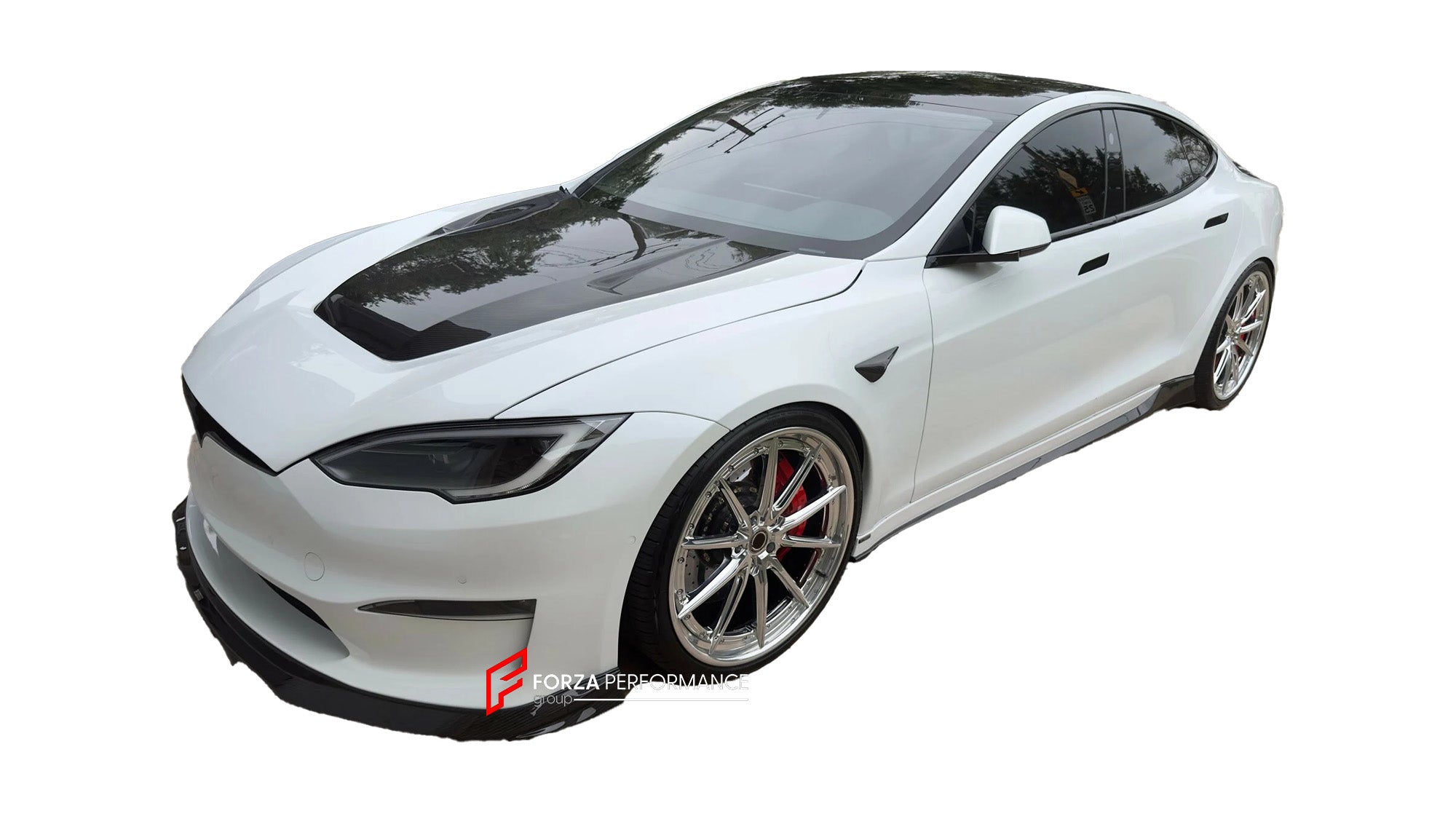
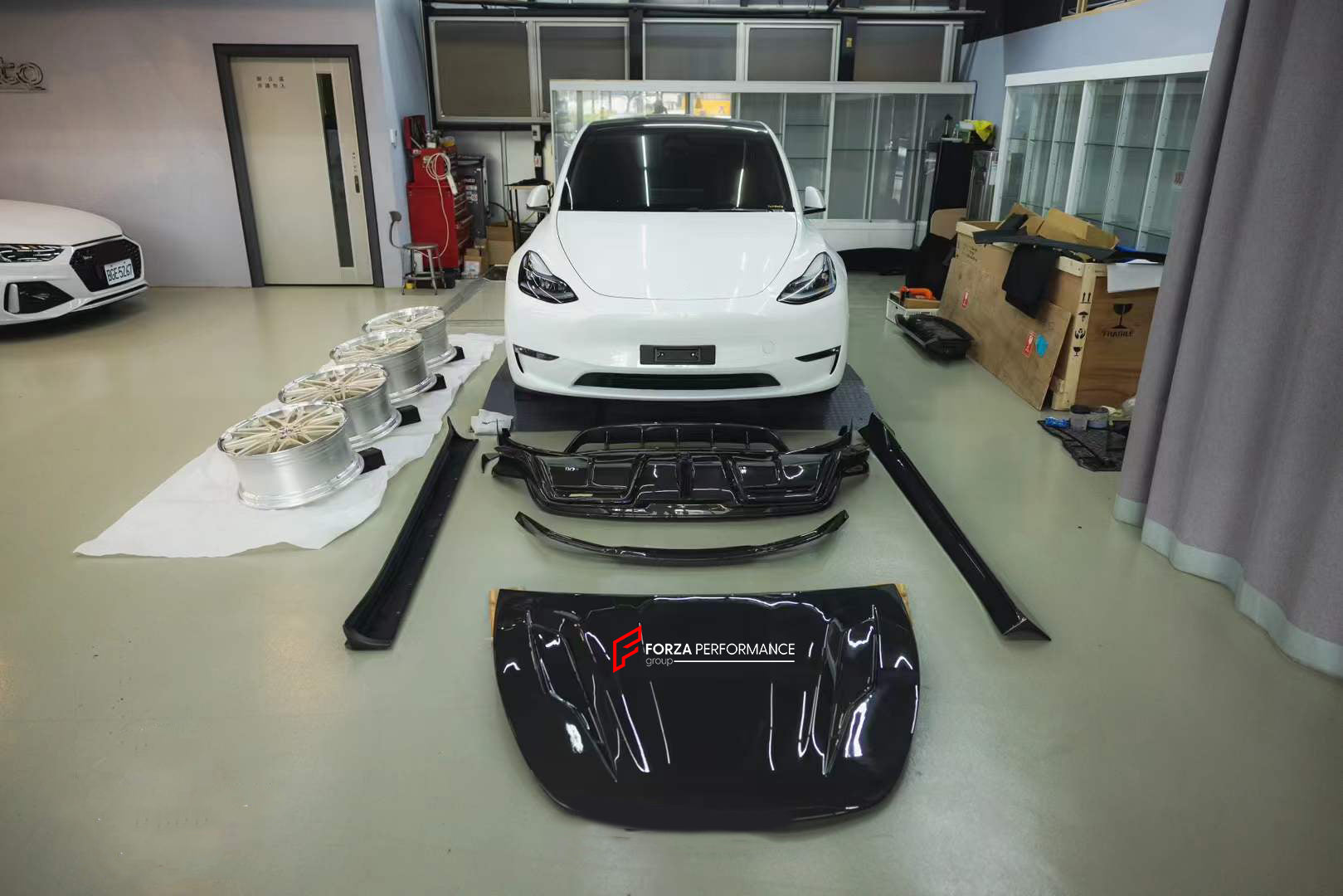
Maintaining or repairing a Tesla body requires a specialized approach due to the brand’s unique use of aluminum-intensive frames, ultra-high-strength steel, and massive single-piece megacastings. To ensure structural integrity and safety, repairs must typically be performed by Tesla-owned Collision Centers or Tesla Approved Body Shops (TABS) that possess the specific tooling and software required for calibration and structural bonding.
Understanding the "Tesla body" involves more than just aesthetics; it is an exploration of advanced materials science and manufacturing techniques that differ significantly from traditional automotive construction. As of 2026, Tesla has further refined its "unboxed" manufacturing process, making the vehicle body more of a structural housing for the battery than a separate chassis. This guide provides a comprehensive look at Tesla body composition, the specialized repair ecosystem, costs, and the engineering that defines these vehicles.
The Evolution of Tesla Body Composition
The construction of a Tesla body varies significantly depending on the model and the year of manufacture. Unlike many legacy automakers that rely primarily on stamped steel, Tesla has pioneered the use of various alloys to balance weight, range, and safety.
Aluminum-Intensive Designs (Model S and Model X)
The flagship Model S and Model X were built with a heavy emphasis on aluminum. Aluminum is favored for its high strength-to-weight ratio, which is critical for heavy electric vehicles (EVs) trying to maximize battery range. However, aluminum is more difficult to work with than steel. It does not have the same "memory" as steel, meaning it cannot be easily hammered back into shape after a collision. Instead, damaged aluminum panels or structural members often require complete replacement or specialized aluminum welding techniques that prevent contamination.
Hybrid Material Strategies (Model 3 and Model Y)
With the introduction of the Model 3 and Model Y, Tesla shifted toward a hybrid material strategy. These vehicles utilize a mix of ultra-high-strength steel, high-strength steel, and aluminum. The "safety cage" of these models is primarily composed of various grades of steel to provide maximum occupant protection during a crash, while the outer skin and certain structural components remain aluminum to save weight. This hybrid approach requires body shops to be proficient in both steel and aluminum repair, including specialized structural adhesives and rivets, as traditional welding can weaken these mixed-material bonds.
The Stainless Steel Exoskeleton (Cybertruck)
The Cybertruck represents a radical departure from traditional automotive "body-on-frame" or "unibody" construction. It utilizes an "Exoskeleton" made of Ultra-Hard 30X Cold-Rolled stainless steel. This material is so hard that it cannot be stamped into complex curves using traditional presses; instead, it is often laser-cut and folded. For owners, this means the "body" is exceptionally resistant to dents and corrosion, but it also means that traditional body shop techniques like "PDR" (Paintless Dent Repair) or Bondo-filling are largely inapplicable.
The Megacasting Revolution and Structural Battery Packs
By 2026, Tesla’s use of "Giga Presses" has become the industry standard for efficiency, but it has fundamentally changed how we think about the Tesla body.
What are Megacastings?
In traditional car manufacturing, the rear underbody might consist of 70 or more individual stamped metal pieces welded and glued together. Tesla’s megacasting process replaces these with a single, massive piece of cast aluminum. While this improves vehicle rigidity and reduces weight, it creates a unique challenge for body repair. If a megacasting is cracked or significantly deformed in a high-impact collision, it cannot be "straightened" like a traditional frame rail. In many cases, damage to these large structural castings can lead to the vehicle being declared a total loss by insurance companies, even if the exterior damage appears manageable.
The Structural Battery Pack
In newer iterations of the Model Y and subsequent platforms, the battery pack itself is a structural element of the body. The seats are mounted directly to the battery casing, which is then bolted to the front and rear megacastings. This "honeycomb" structural approach makes the Tesla body incredibly stiff, improving handling and safety. However, it means that any significant body repair requires a deep understanding of how the battery housing integrates with the rest of the shell.
Navigating the Tesla Body Repair Network
Because of the high-tech materials and the integration of cameras and sensors, you cannot take a Tesla to just any local body shop. The Tesla body repair ecosystem is divided into two primary categories.
1. Tesla-Owned Collision Centers
Tesla operates its own internal network of body shops. These facilities are staffed by Tesla employees who have access to the full suite of factory diagnostic tools and parts. These centers are often the preferred choice for complex structural repairs involving the Cybertruck or vehicles with damaged megacastings. By 2026, Tesla has expanded these centers to most major metropolitan areas to combat the long wait times seen in previous years.
2. Tesla Approved Body Shops (TABS)
The TABS network consists of independently owned body shops that have undergone rigorous training and investment to meet Tesla’s standards. To become "Tesla Approved," a shop must:
- Invest in specialized aluminum welding equipment.
- Purchase specific frame-pulling benches (like the Celette system).
- Complete extensive technician training in Fremont or other Tesla training hubs.
- Maintain a high "Key Performance Indicator" (KPI) score regarding repair quality and customer service.
Why Certification Matters
If a non-certified shop attempts to repair a Tesla body, they may lose access to Tesla’s parts catalog. More importantly, they may not be able to perform the necessary "ADR" (Airbag Deployment Reset) or calibrate the Autopilot/FSD cameras. A Tesla body is a computer with wheels; if the body is even a few millimeters out of alignment, the safety sensors may fail to function correctly.
Comparison of Tesla Body Characteristics by Model
The following table outlines the primary materials and structural features used across the Tesla fleet as of 2026.
| Model | Primary Body Material | Structural Methodology | Repair Complexity |
|---|---|---|---|
| Model S | Aluminum Alloy | Aluminum Unibody | High (Specialized Aluminum Welding) |
| Model X | Aluminum Alloy | Aluminum Unibody / Falcon Doors | Very High (Complex Door Mechanics) |
| Model 3 | Steel / Aluminum Mix | Hybrid Unibody | Moderate to High |
| Model Y | Steel / Aluminum Mix | Front & Rear Megacastings | High (Casting Integrity Focus) |
| Cybertruck | 30X Stainless Steel | Exoskeleton | Unique (Cold-Rolled Steel Handling) |
| Tesla Bot (Optimus) | Plastic / Composite | Humanoid Rigid Frame | Specialized (Robotic Servicing) |
The Role of Sensors and Calibration in Body Work
A significant portion of "Tesla body" work isn't actually metalwork—it is digital calibration. Every Tesla is equipped with a suite of cameras and ultrasonic sensors (or "Tesla Vision" camera-only systems) that are integrated into the body panels.
Camera Alignment
After a bumper replacement or a fender repair, the cameras housed within those parts must be recalibrated. If a front bumper is off by just a fraction of a degree, the Forward-Looking Camera may miscalculate the distance to a leading vehicle. Tesla Approved Body Shops use proprietary software to run "Camera Calibration" routines, often requiring the car to be driven on well-marked roads for several miles while the computer "learns" its new physical orientation.
Glass as a Structural Member
The glass roof on a Tesla is not just for aesthetics; it is a structural component that contributes to the vehicle's roof-crush resistance. During body repair, the removal and re-installation of the windshield or the panoramic roof must be done with precision adhesives. If the body frame is slightly tweaked, the glass may experience stress points, leading to spontaneous cracking later on.
Cost and Insurance Considerations
Repairing a Tesla body is generally more expensive than repairing a traditional internal combustion engine (ICE) vehicle. Several factors contribute to this:
- Parts Procurement: While Tesla has improved its logistics by 2026, many body parts are only available through Tesla directly, limiting the use of cheaper "aftermarket" or "recycled" parts.
- Labor Rates: Because of the specialized training required for aluminum and megacasting repair, the labor rates at TABS or Tesla Collision Centers are often 20% to 50% higher than standard body shop rates.
- Specialized Tooling: Shops must amortize the cost of the expensive equipment required by Tesla, such as heavy-duty rivet guns and dedicated clean rooms for aluminum work (to prevent steel dust from causing galvanic corrosion).
Insurance "Total Loss" Thresholds
Because structural repairs to a Tesla body—especially those involving the battery pack or megacastings—can be so costly, insurance companies often have a lower threshold for "totaling" a Tesla. Owners are encouraged to use Tesla Insurance or EV-specific policies that account for these unique repair requirements and provide for OEM (Original Equipment Manufacturer) parts.
Common Tesla Body Issues and Maintenance
Aside from collision repair, there are several "body" related maintenance items that owners should monitor:
- Paint Quality and Protection: Historically, Tesla has faced criticism for thin paint. Many owners opt for Paint Protection Film (PPF) or ceramic coatings immediately after delivery to protect the body from stone chips and environmental degradation.
- Panel Gaps: While factory tolerances have improved significantly by 2026, checking for panel alignment is still a standard part of the delivery process. Misaligned panels can lead to increased wind noise or premature wear on door seals.
- Drain Clogs: The Tesla body features several drainage points (near the frunk and the trunk) that can become clogged with leaves or debris. If not cleaned, water can back up into the cabin or the 12V/16V battery area.
- Galvanic Corrosion: In areas where steel and aluminum meet, Tesla uses specialized coatings and insulators. If these are damaged during a "cheap" repair, the metals can react with each other, leading to rapid corrosion.
FAQ
Can any body shop fix a Tesla?
Technically, a non-certified shop can perform cosmetic repairs (like fixing a scratch), but for any structural work, sensor replacement, or glass repair, you should only use a Tesla Approved Body Shop. Non-certified shops lack the software to recalibrate the vehicle and the specialized tools for Tesla's unique alloys.
Why does Tesla use aluminum instead of steel?
Tesla uses aluminum primarily for its weight-saving properties. Because EV batteries are heavy, using a lighter aluminum body helps offset that weight, which in turn improves acceleration, braking performance, and, most importantly, total driving range.
How long does a Tesla body repair typically take?
In 2026, average repair times have stabilized to 2–4 weeks for moderate damage. However, if a major structural component like a megacasting is required, wait times can still extend to several months depending on parts availability at the regional distribution centers.
Is the Cybertruck body bulletproof?
The Cybertruck's 30X cold-rolled stainless steel body is designed to be highly durable and can resist some small-arms fire (such as 9mm rounds), as demonstrated in Tesla's testing. However, it is not "bulletproof" against high-caliber rifles or armor-piercing rounds. Its primary purpose is dent resistance and long-term durability.
What should I do if my Tesla body is dented?
For minor dents on a Model 3 or Model Y where the paint is not broken, Paintless Dent Repair (PDR) is often possible. For the Model S and X, PDR is more difficult due to the properties of aluminum. For the Cybertruck, traditional PDR is nearly impossible due to the hardness of the steel; specialized "pulling" techniques are required.
Practical Recommendations for Tesla Owners
If you find yourself needing body work for your Tesla, your first step should be to use the Tesla Mobile App to schedule an estimate. The app allows you to upload photos of the damage, which Tesla’s virtual estimators can use to provide a preliminary quote.
Always verify that the shop you choose is currently active in the Tesla Approved Body Shop Network by checking the official directory on Tesla’s website. When picking up your vehicle, ensure that a full "Post-Repair Diagnostic" was performed and that all cameras are functioning correctly. Finally, keep all documentation regarding structural repairs, as this is vital for maintaining the vehicle's resale value and ensuring the continuation of your battery and drive unit warranties.